
Saint-Jean-de-Luz

The door of Église Saint-Jean-Baptiste has been bricked up since 1660, sealed after Louis XIV walked through it on his wedding day. That detail — the stopped door, the preserved moment — tells you something about Saint-Jean-de-Luz: this is a town where history didn't just pass through, it stayed.
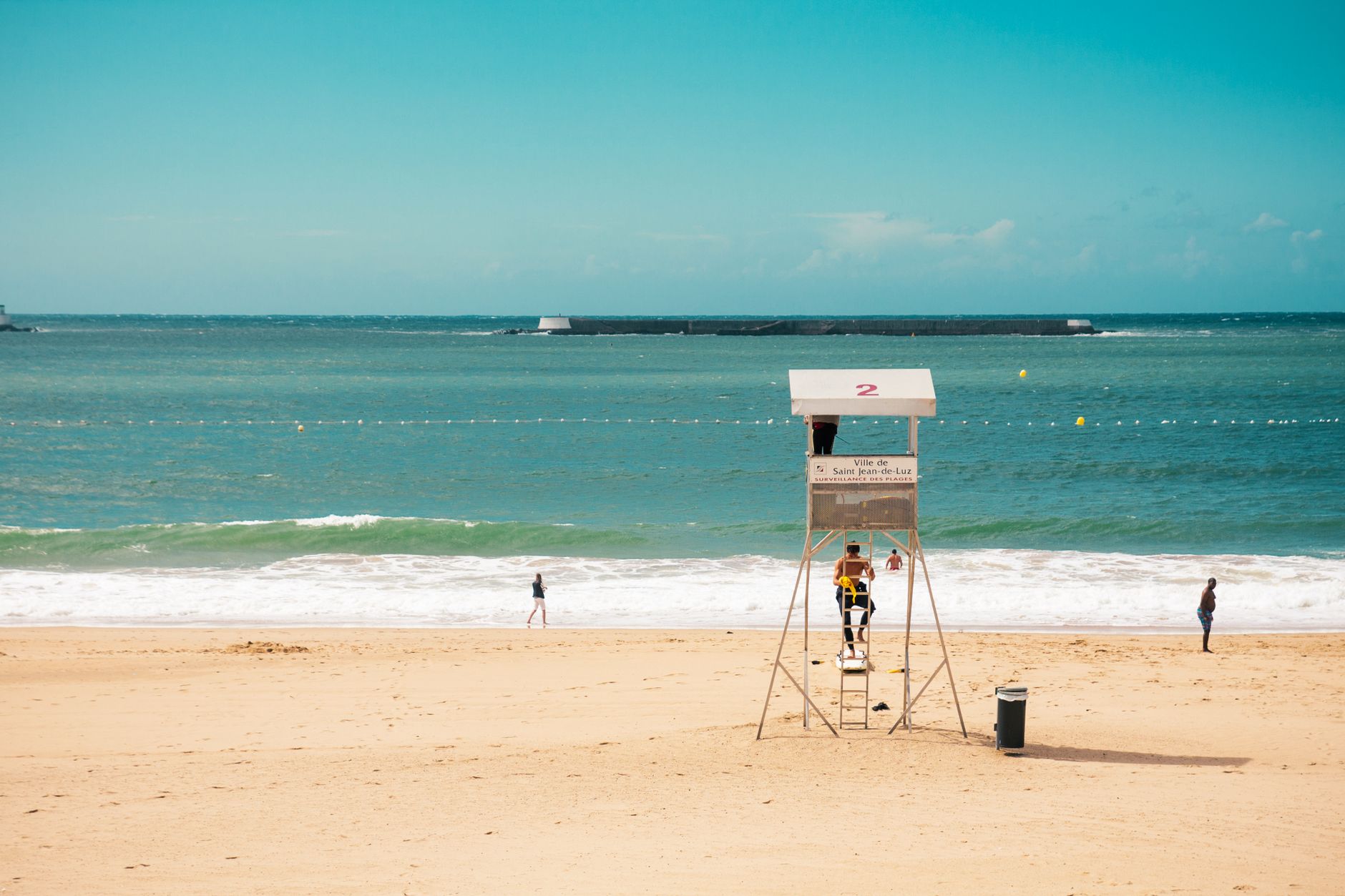
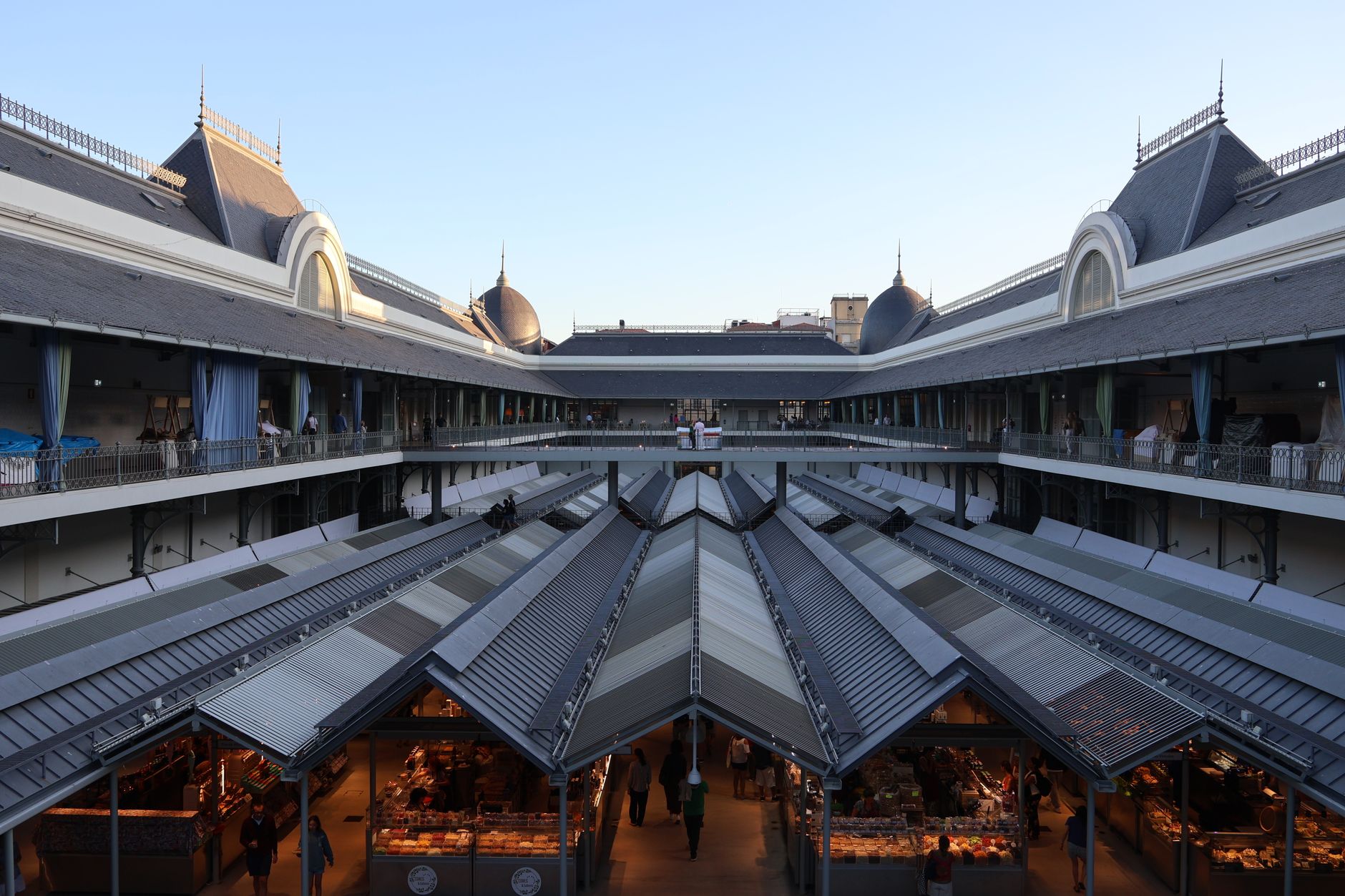
The harbour curves around a calm bay on the Basque Coast, sheltered enough that the water turns a flat, opaque green on still mornings. Pink-brick townhouses line the quays, fishing boats come in early, and the market hall fills before nine. Wealth arrived here first by whale and corsair, then by railway, and the town has been comfortable with visitors ever since.
💛 What travellers fall for
People who come back tend to time it around the morning market in the old hall, then walk the quay to the Maison Louis XIV before the tour groups arrive. Fort Socoa, just across the water in Ciboure, is worth the short detour at dusk — the light over the bay from that hill is the kind you stop and stand in.
Experiences you don't want to miss




Deals in Saint-Jean-de-Luz
Book directly at the provider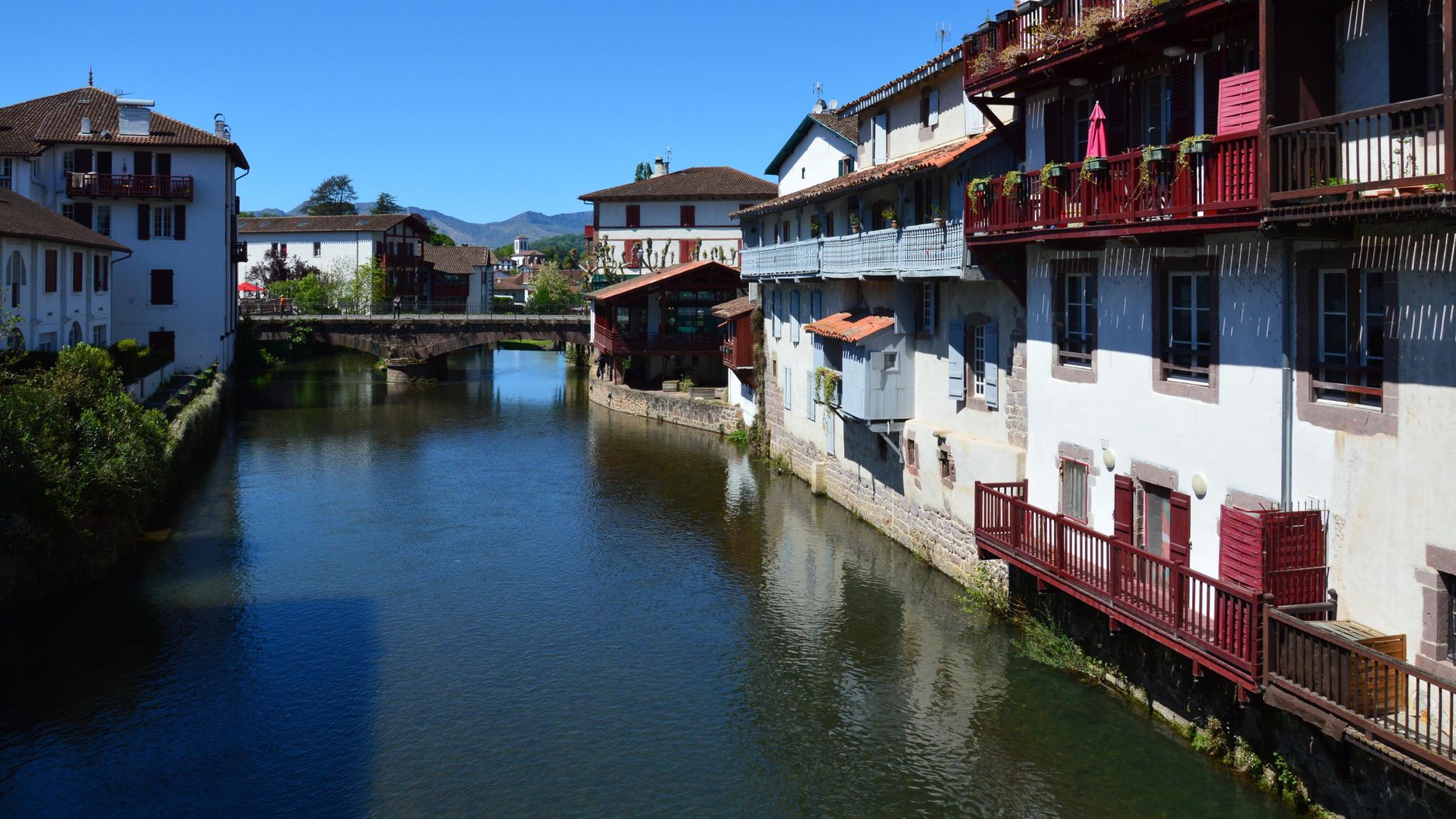

How Saint-Jean-de-Luz came to be
Saint-Jean-de-Luz first appears in records in the 12th century, but its real rise came in the 1520s, when whaling revenues and corsair money made it the second city of the Labourde region, with a population that reached around 12,000. The shipowning families — the Lohobiagues, the Haranderers — built the pink-brick houses that still frame the harbour.
In June 1660, the town hosted the royal wedding of Louis XIV and Maria Theresa of Spain, a consequence of the Treaty of the Pyrenees signed the previous year on nearby Pheasant Island. The king lodged at the Maison Louis XIV, his bride at the Maison de l'Infante across the harbour. Wellington used the town as winter quarters during the Peninsular War in 1813–14, and by the late 19th century the railway had brought a different kind of occupant: the haute bourgeoisie, looking for a beach.
Who and what shaped it
People who shaped it
Landmark buildings
See Saint-Jean-de-Luz in motion
Plan your visit
On the map
When to go
Summers are warm and often sunny, with August averaging around 25°C, though Atlantic squalls can arrive without much warning. Winter is mild by northern European standards — around 12°C in February — but the town sees nearly 1,400mm of rain a year, so pack a layer and expect at least a few grey mornings whatever month you come.
Right now
Background & history adapted from Wikipedia (CC BY-SA) · specs from Wikidata (CC0) · weather from Open-Meteo · map data © OpenStreetMap contributors · photos from Wikimedia Commons / Unsplash with per-image credit. No third-party reviews or social posts reproduced.