
Porto di Cetara
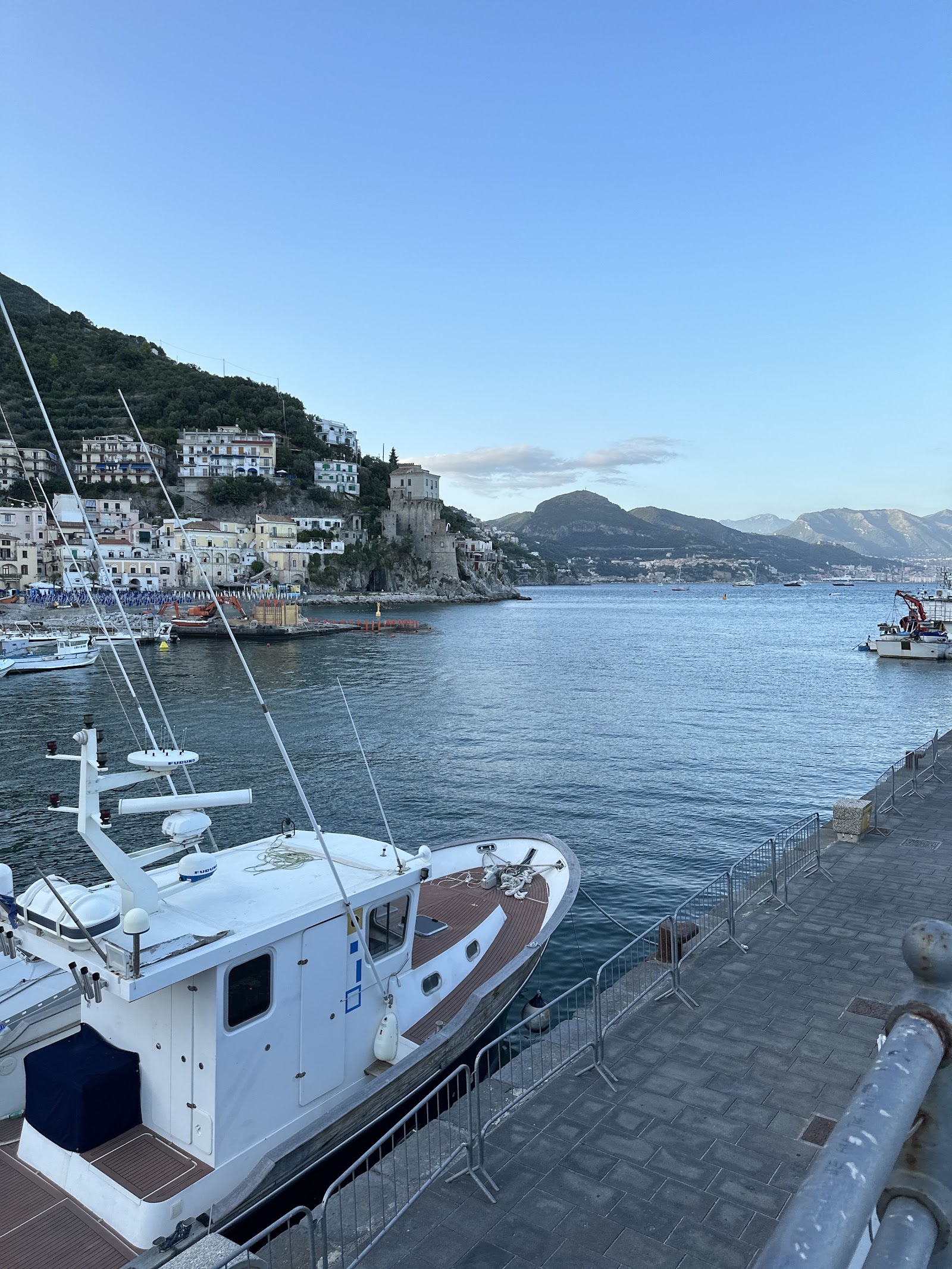
The boats come in early. By the time you reach the quay at Porto di Cetara, the fishing fleet — one of the most active on the Mediterranean, still specialising in tuna and anchovy — has often already done its work. The 140-metre banchina smells of salt and diesel, and small wooden vessels sit low in the water alongside the breakwater.
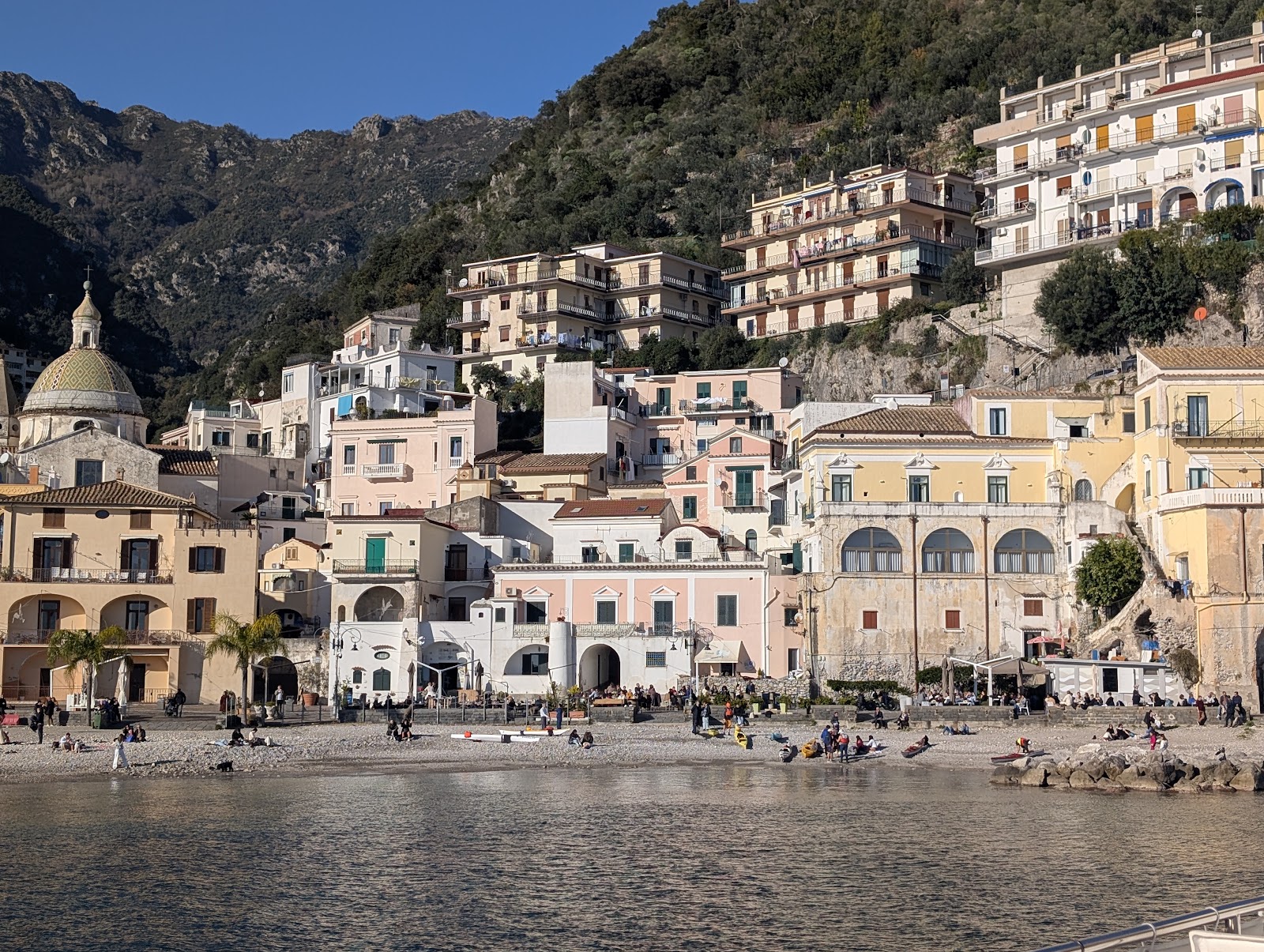
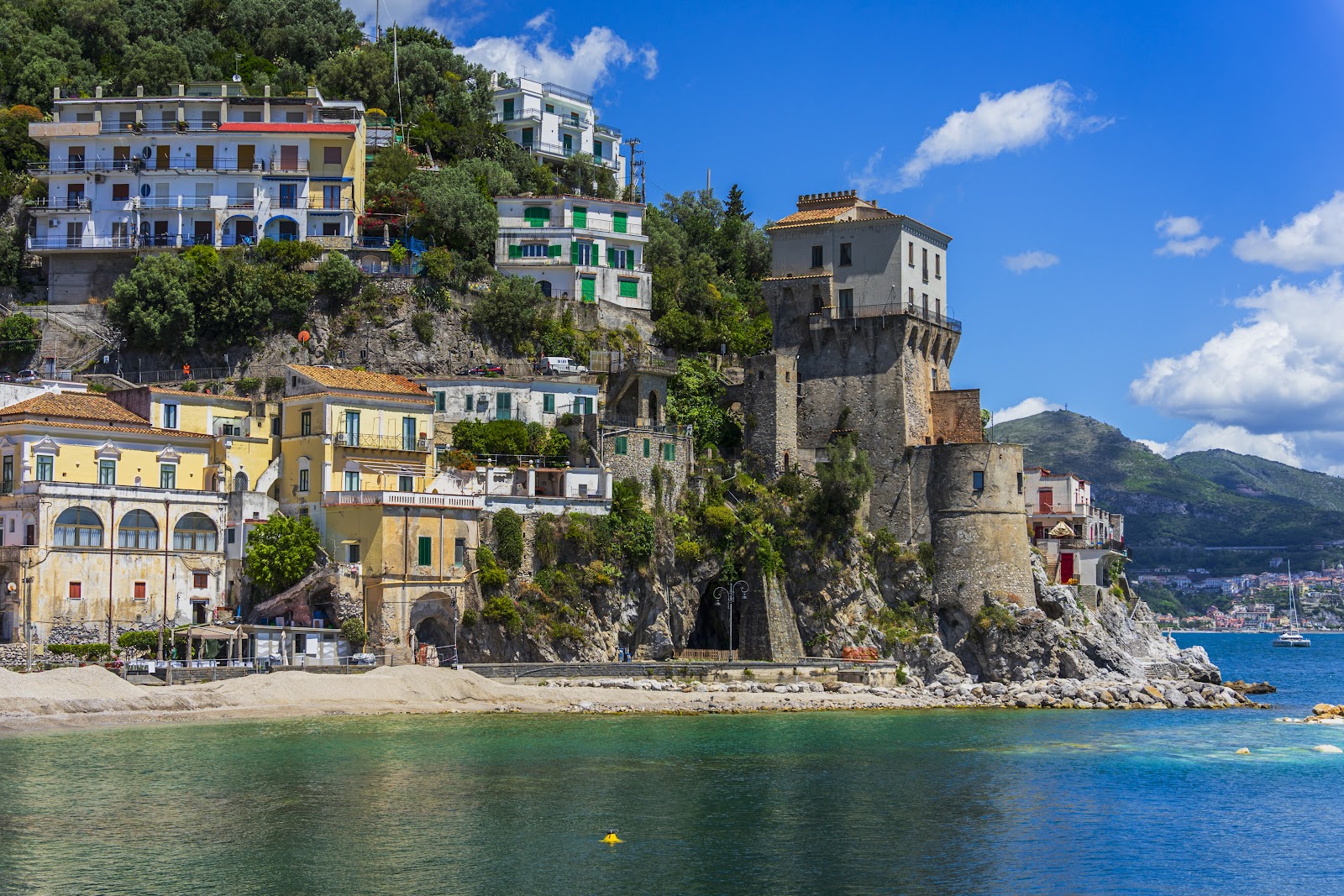
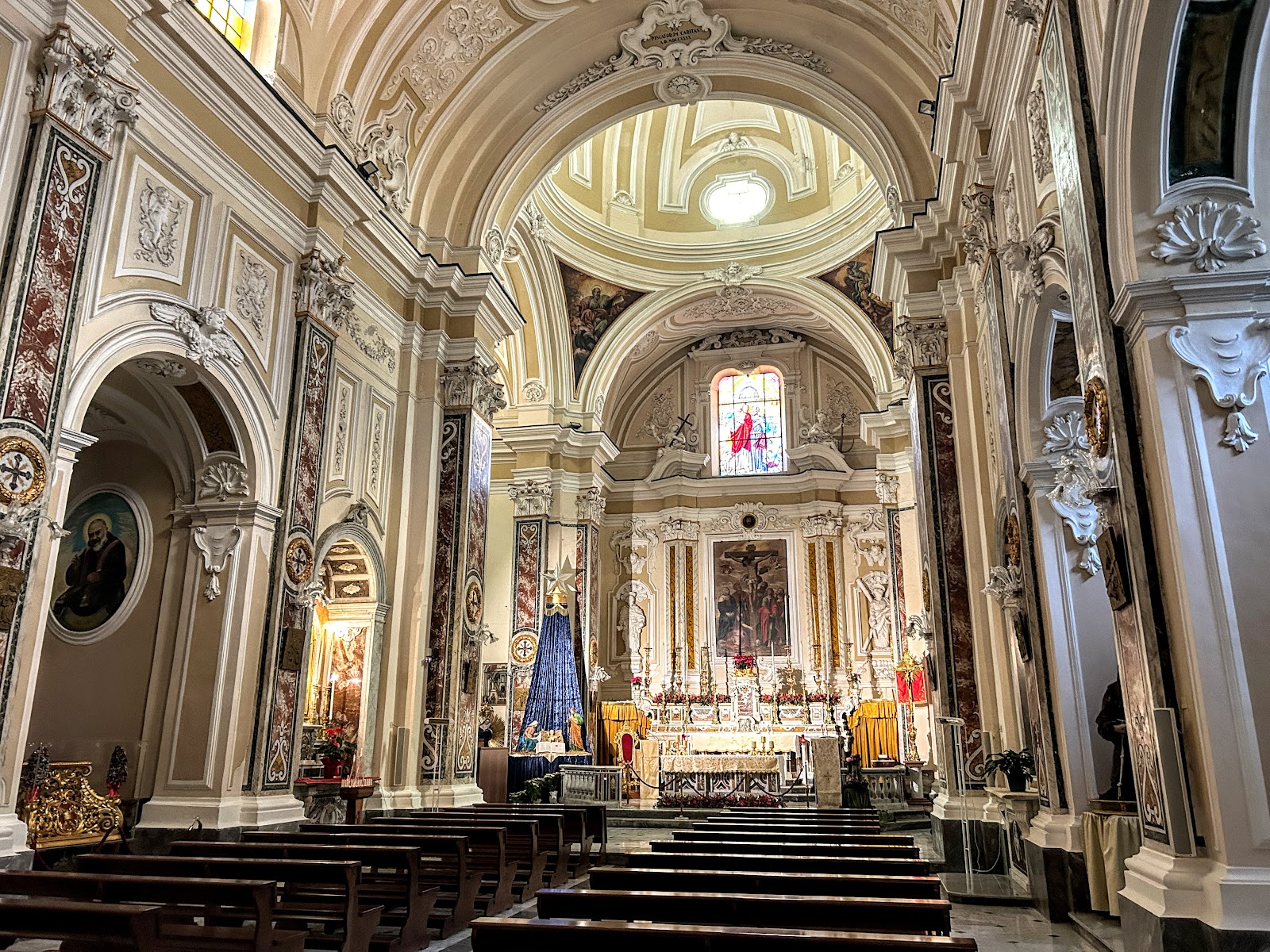
This is a working port that has only recently made room for pleasure craft, and that order of priority still shows. The Torre Vicereale keeps watch from the shore, a 16th-century defensive tower built against the same pirate raids that once defined life here. Behind it, the green-and-yellow majolica dome of San Pietro Apostolo catches whatever light the cliffs allow.
💛 What travellers fall for
People who come back tend to arrive on a ferry from Salerno — fifteen minutes across the water, and you step off already inside the village. Walk right along Via Marina to reach the quay, then follow the breakwater as far as the boats allow. The ceramist-made benches on Corso Garibaldi, each one depicting a scene of fishing life, are worth a slow look on the way back.
The story behind Porto di Cetara
Cetara's relationship with the sea has never been entirely peaceful. Saracen pirates used the nearby coast as a raiding base from the 9th century, and the settlement that grew around the Church of San Pietro Apostolo — built, tradition holds, to mark the expulsion of those same raiders — was paying a formal fishing tithe to the Bishop of Amalfi by 1030. The town came under Amalfi's political rule in 1120.
In May 1534, a Turkish fleet under Sinam Pasha attacked Cetara and carried off around 300 of its people. The Torre Vicereale on the harbour was built in the 16th century specifically to prevent such raids from succeeding again. The port itself was shaped by fishing necessity and has only recently expanded to accommodate recreational boats — a shift still visible in the ratio of working vessels to leisure craft on any given morning.
Good to know
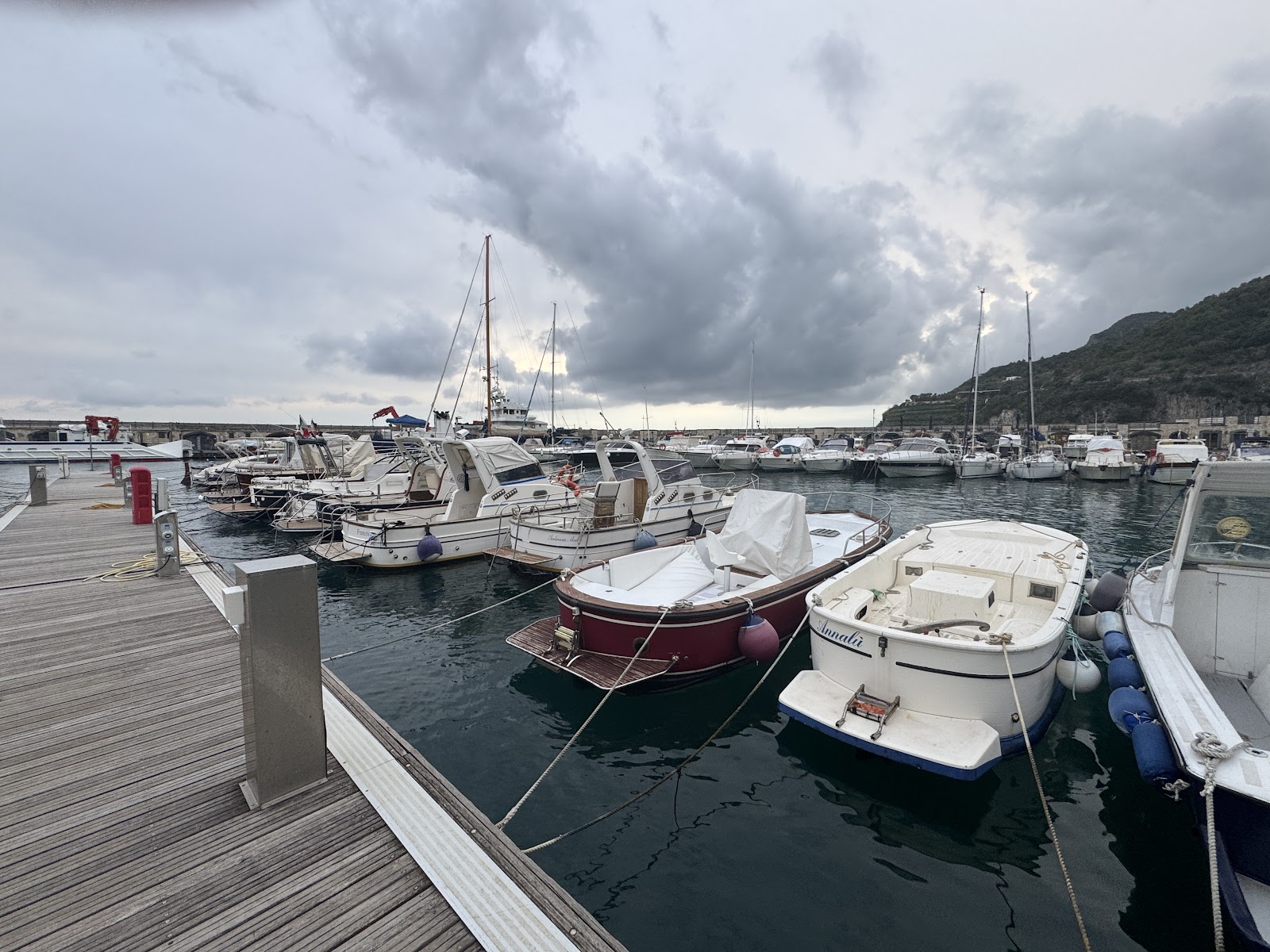
Ferries run April through October from Salerno (15 minutes); SITA buses serve the coast year-round. Floating docks are in place May–September. The Torre Vicereale museum is free and takes under an hour. Avoid July and August if you want the port to feel like itself rather than an audience.
The coast stays mild well into autumn. May, June, September and early October give you good light and a working port rather than a crowded one; July and August are busier and louder, though the water is at its warmest.
Where is Porto di Cetara?
More tickets & tours for Porto di Cetara
Book directly at the provider
What travellers say about Porto di Cetara
Nice Port!
Porto molto accogliente in centro paese Comodissimo
Very nice, really very well organized, clean and safe.
It is a small, well-distributed port…
Handsome
More of Cetara
Discover where to stay, what to do and the best deals for your trip.
Explore Cetara →More attractions in Cetara
All of Cetara →
Background adapted from Wikipedia (CC BY-SA) · map data © OpenStreetMap contributors · ratings & place photos via Google · other photos with per-image credit. Ticket links may earn us a commission at no extra cost to you.