
Cetara
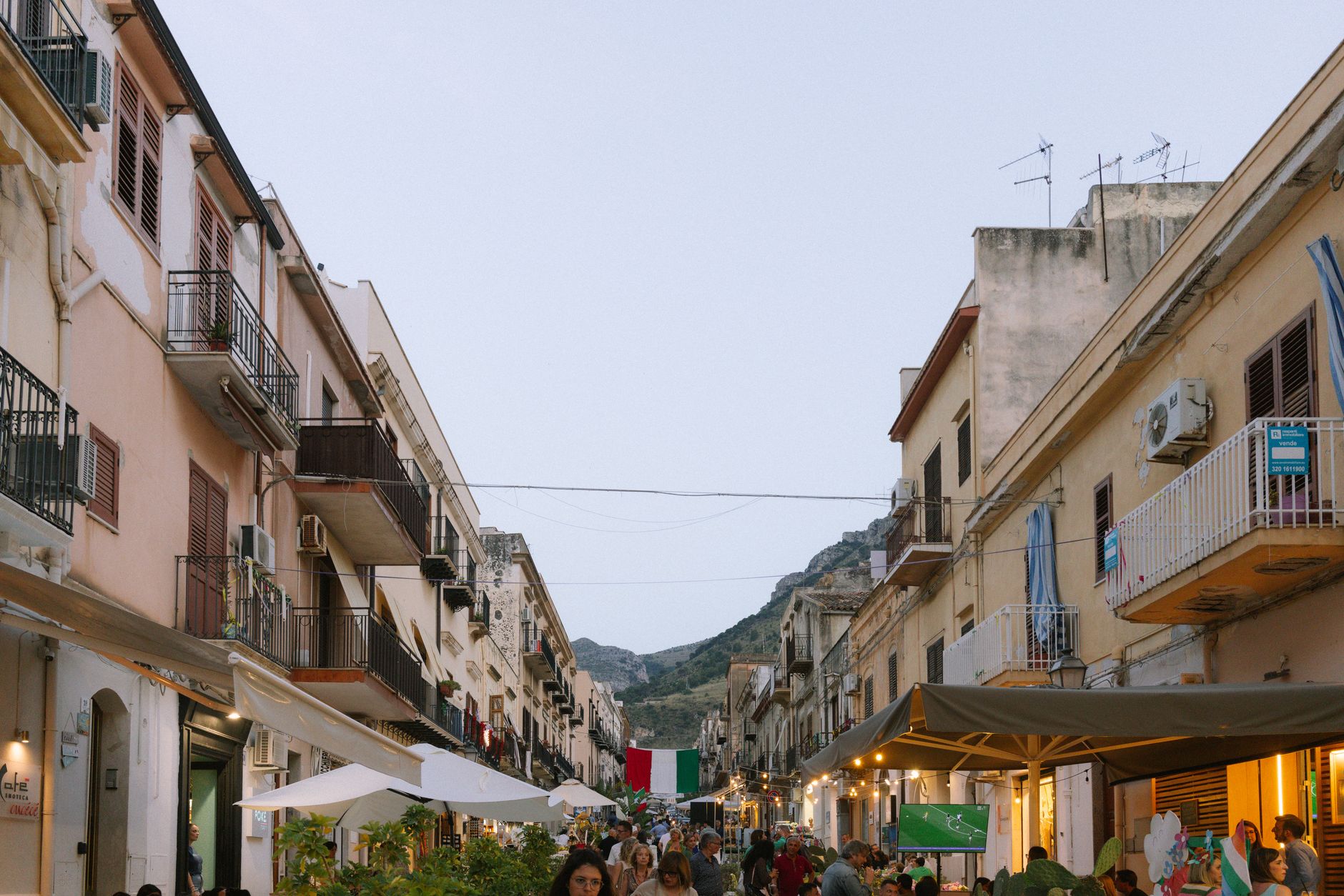
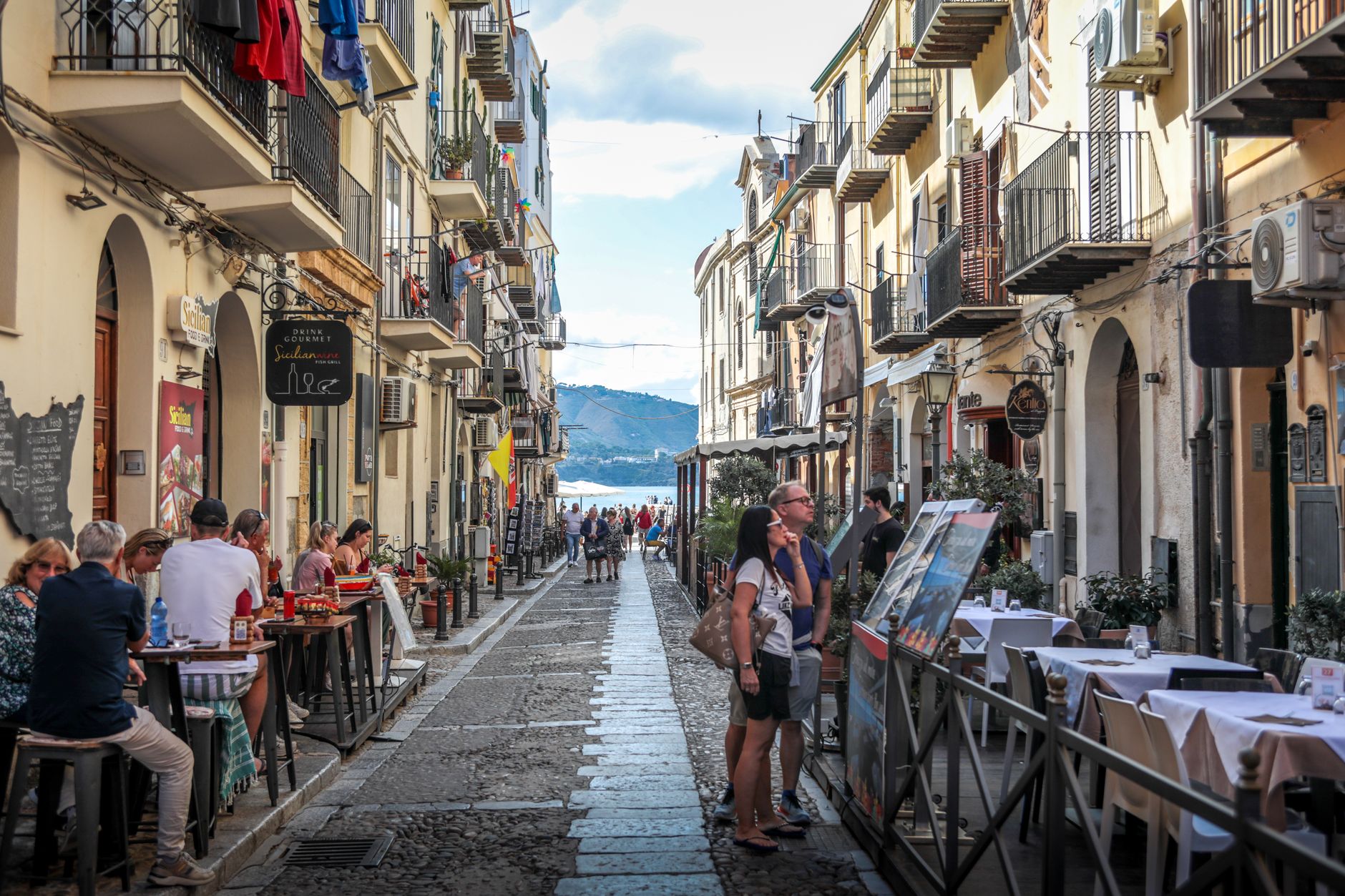
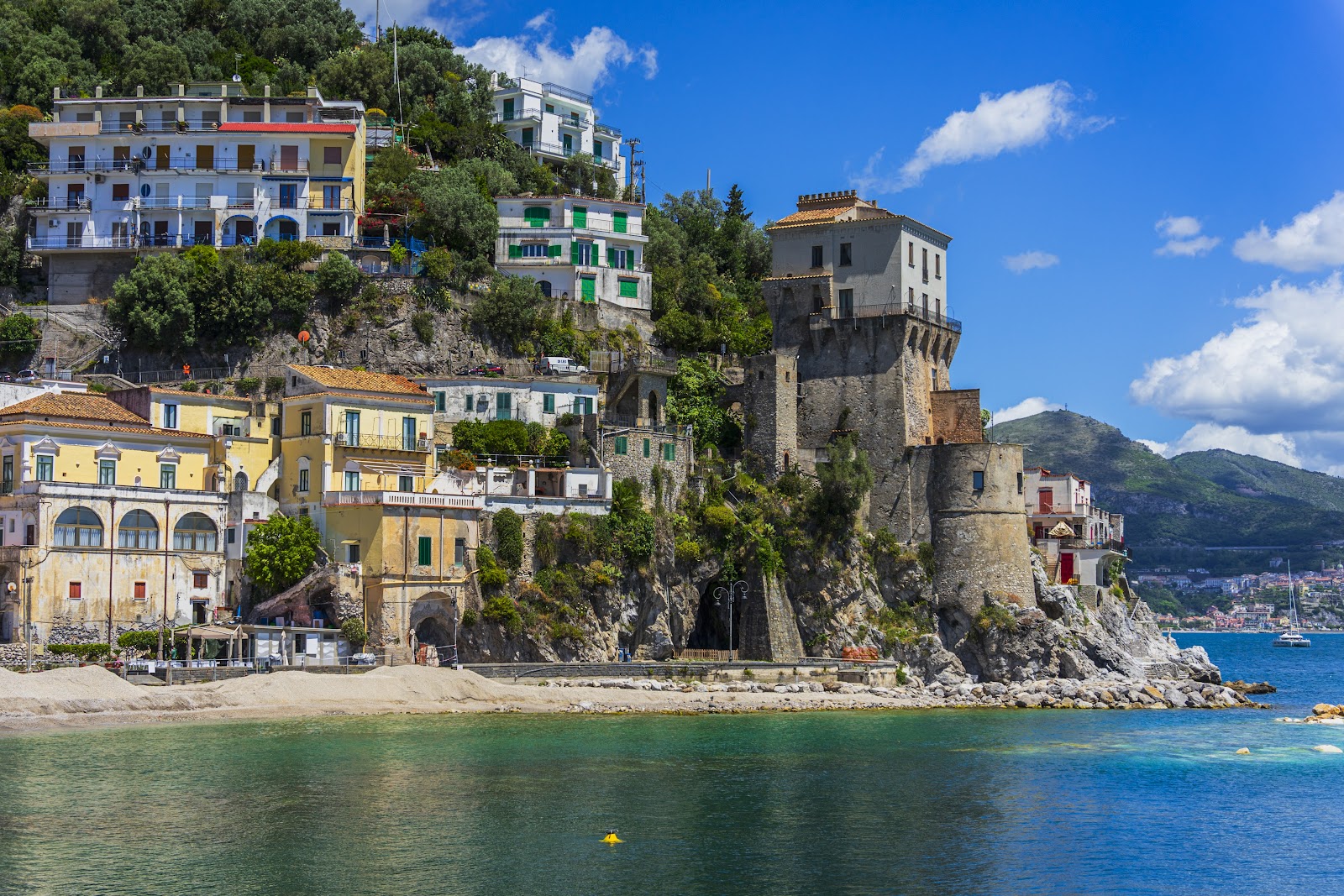
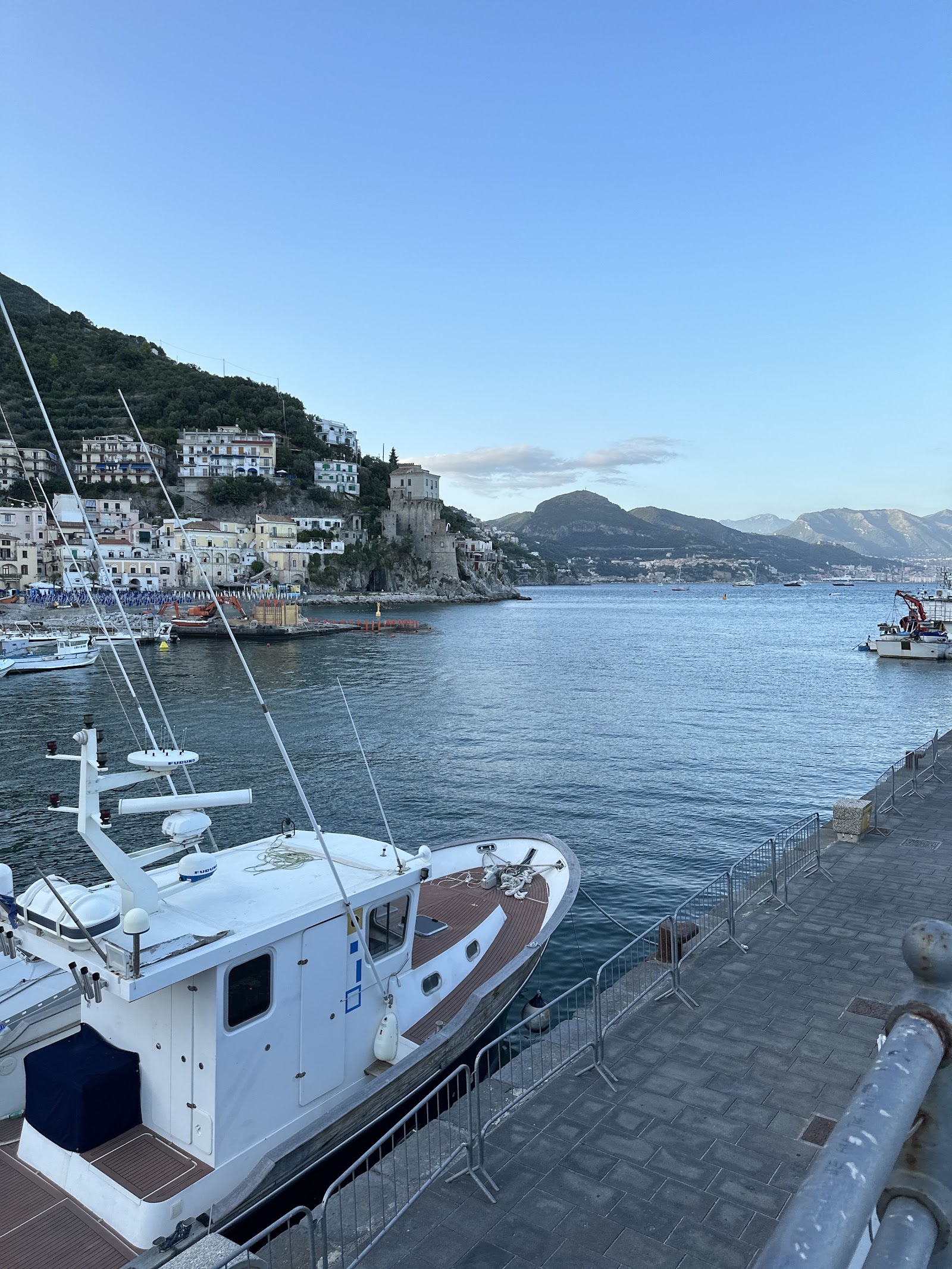
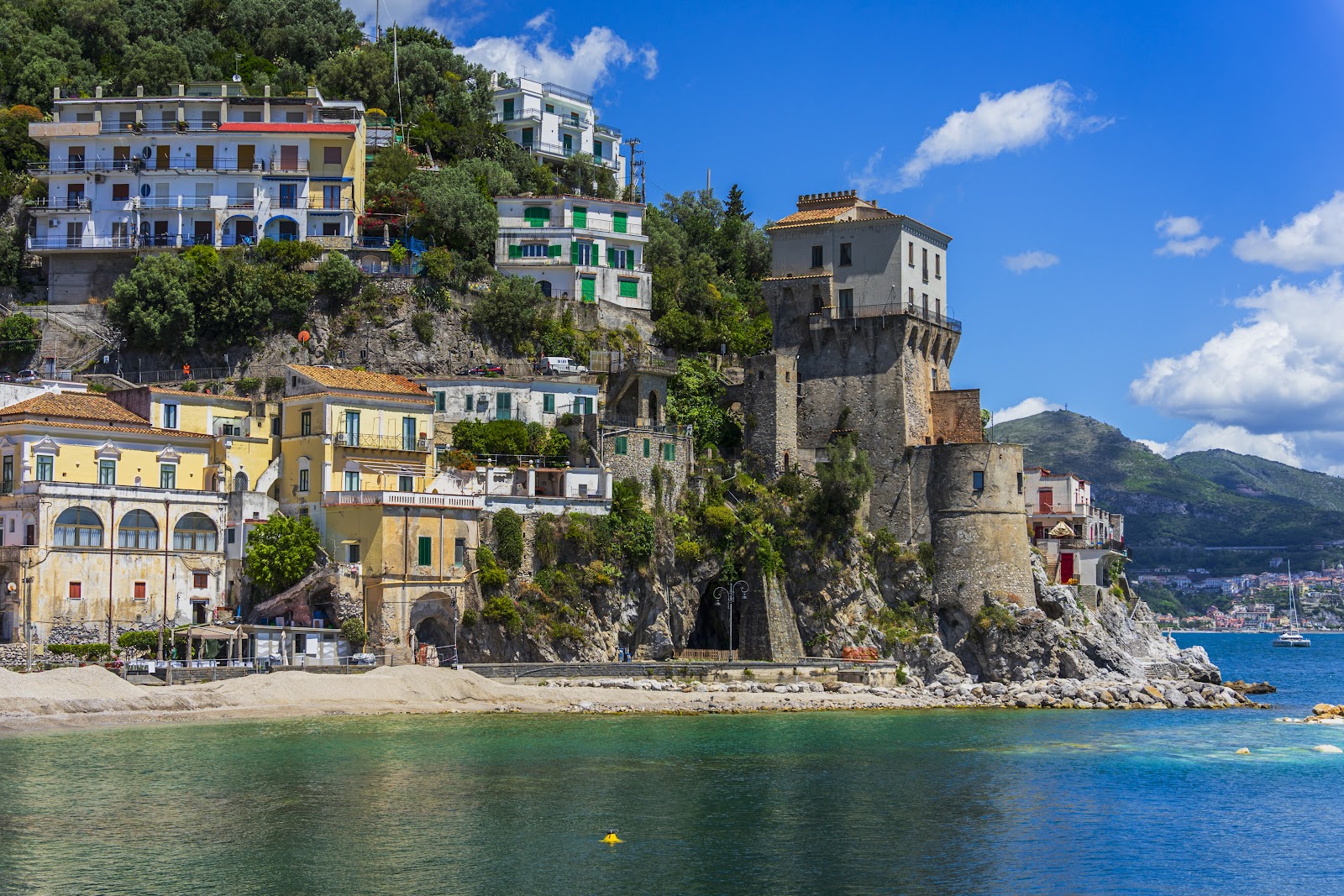
Cetara sits at the eastern end of the Amalfi Coast, small enough that the smell of fish sauce — the local colatura di alici, an anchovy extract aged in wooden barrels — reaches you before the town does. The port is still a working one, with nets drying on the quay and boats that go out at night with lanterns to attract the anchovies that have made this village famous since at least the year 1000.
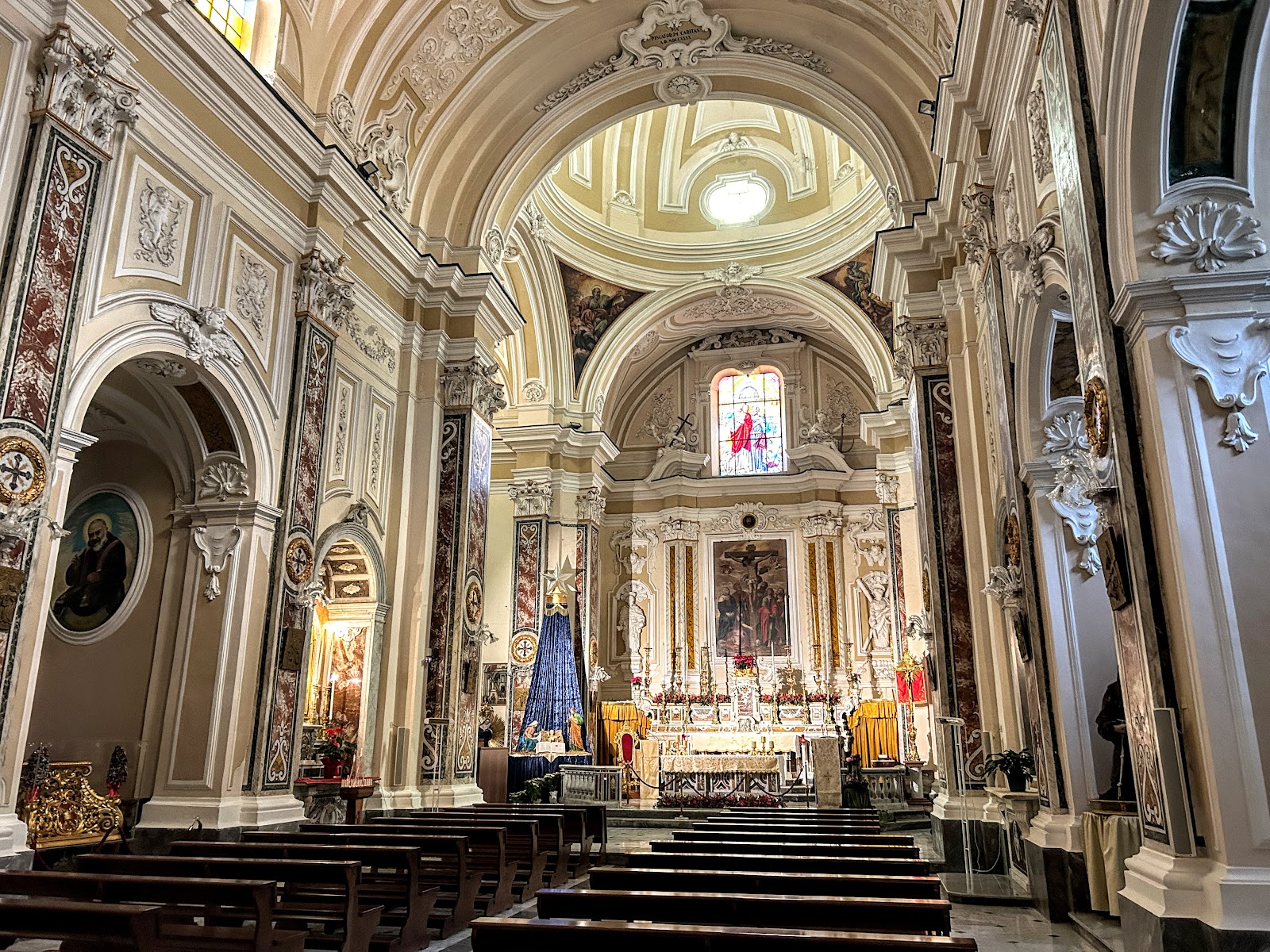
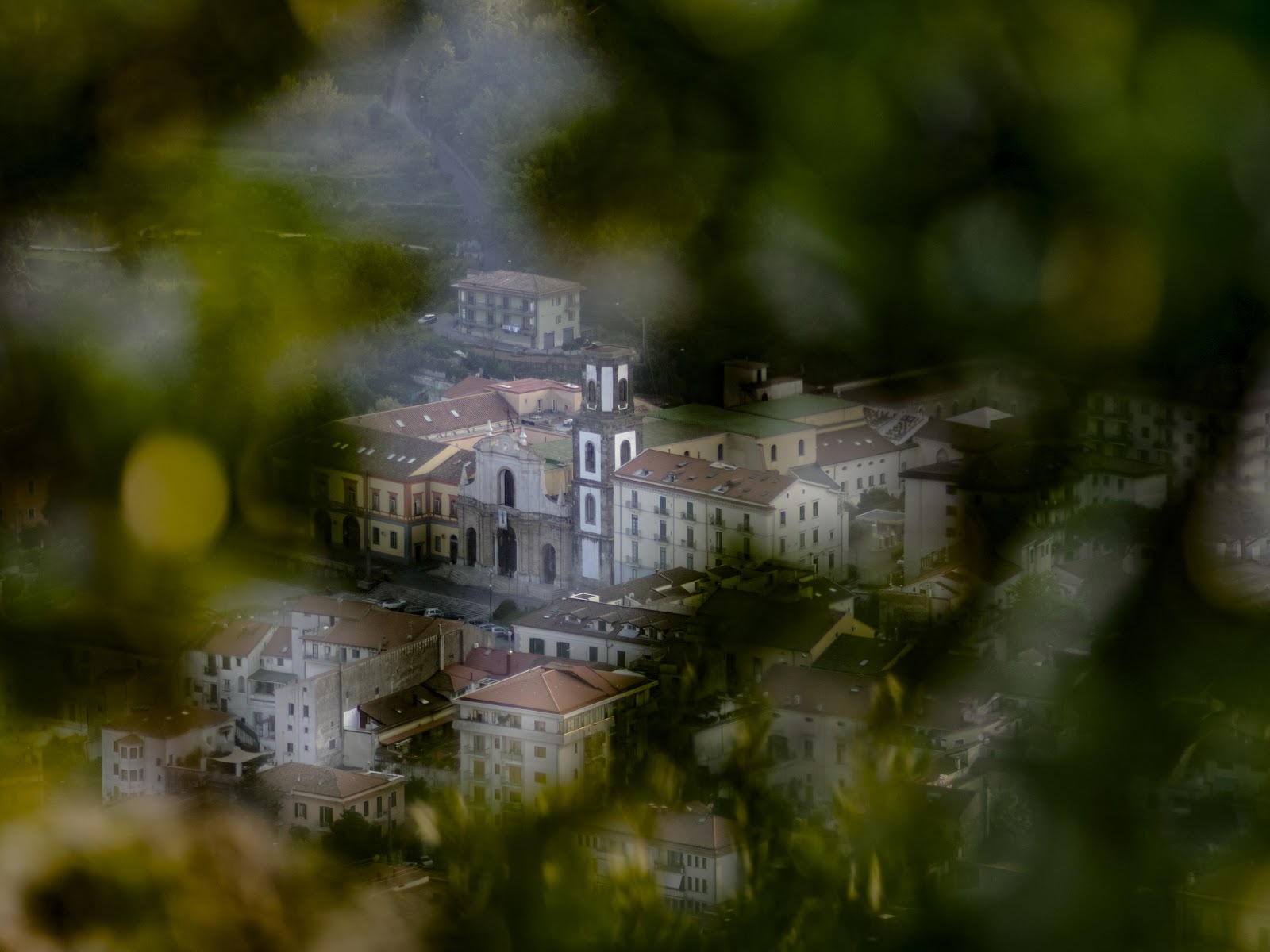
Two streets, Corso Garibaldi and Corso Federici, form the spine of the place. The baroque dome of San Pietro Apostolo, tiled in green and yellow majolica, catches the light above the rooftops. There isn't much in the way of tourist infrastructure, which is precisely the point.
💛 What travellers fall for
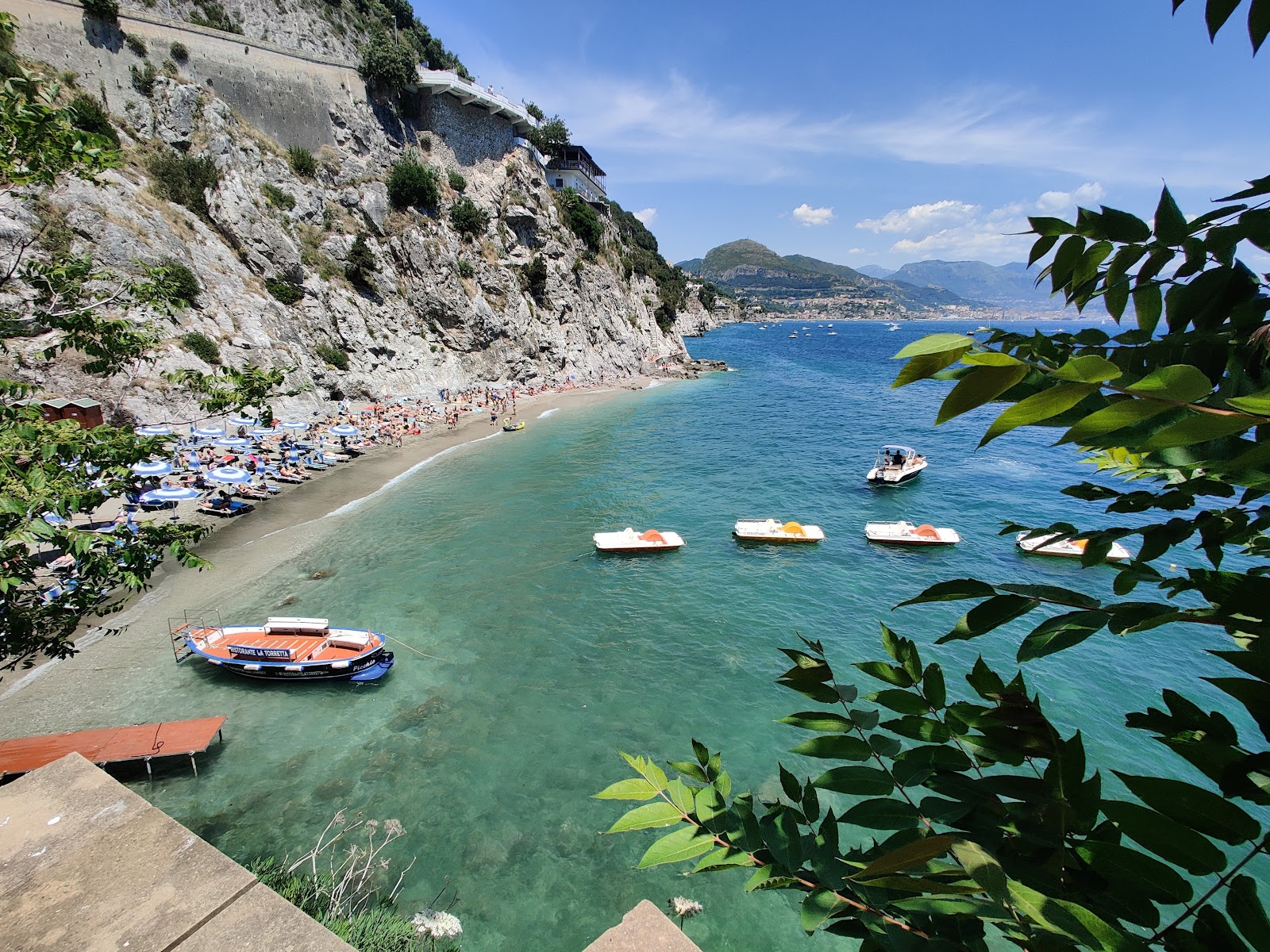
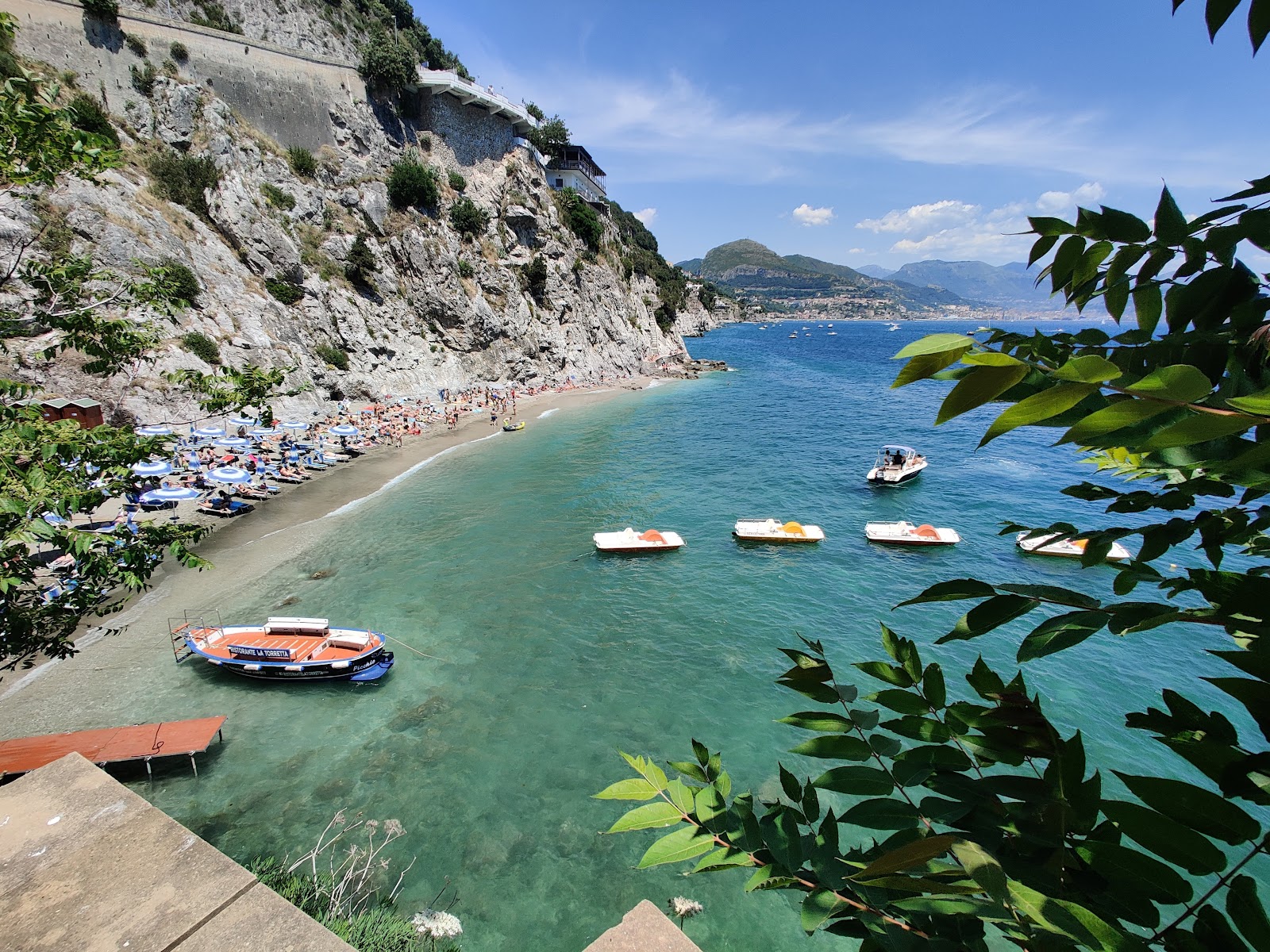
People who come back tend to time it around the June 29 feast of San Pietro — the procession fills those two narrow corsos completely. Others simply note that the port beach, small and pebbly, is quieter than anything you'll find further west along the coast, and the ferry to Salerno or Amalfi costs almost nothing.
Experiences you don't want to miss


Deals in Cetara
Book directly at the provider


How Cetara came to be
Cetara's founding in 879 was not peaceful — a colony of Saracen pirates chose this cove as a base, then were driven out before the century ended. What they left behind was a fishing settlement that, by the year 1000, was already paying one-tenth of its catch as tribute to the bishop of Amalfi. By 1120 the town had come under Amalfi's political rule.
The violence returned. In May 1534, Sinan Pasha's fleet raided the coast and took three hundred Cetaresi into slavery. In 1551, Turkish forces struck again, killing those who could not be taken. After the Amalfi dukedom dissolved, Cetara was absorbed into neighboring Vietri sul Mare and only regained independence as its own municipality in 1833.
Who and what shaped it
People who shaped it
Landmark buildings
See Cetara in motion
Plan your visit
On the map
When to go
Summer runs warm and dry — August averages around 28°C — which makes the pebble beaches workable from June through September. February is the coldest month at around 13°C, and November brings heavy rain, averaging 215 mm; the coast is beautiful then but the ferries run less reliably.
Right now
↡ Attractions


Background & history adapted from Wikipedia (CC BY-SA) · specs from Wikidata (CC0) · weather from Open-Meteo · map data © OpenStreetMap contributors · photos from Wikimedia Commons / Unsplash with per-image credit. No third-party reviews or social posts reproduced.