
Po River Waterfront (Lungo Po)
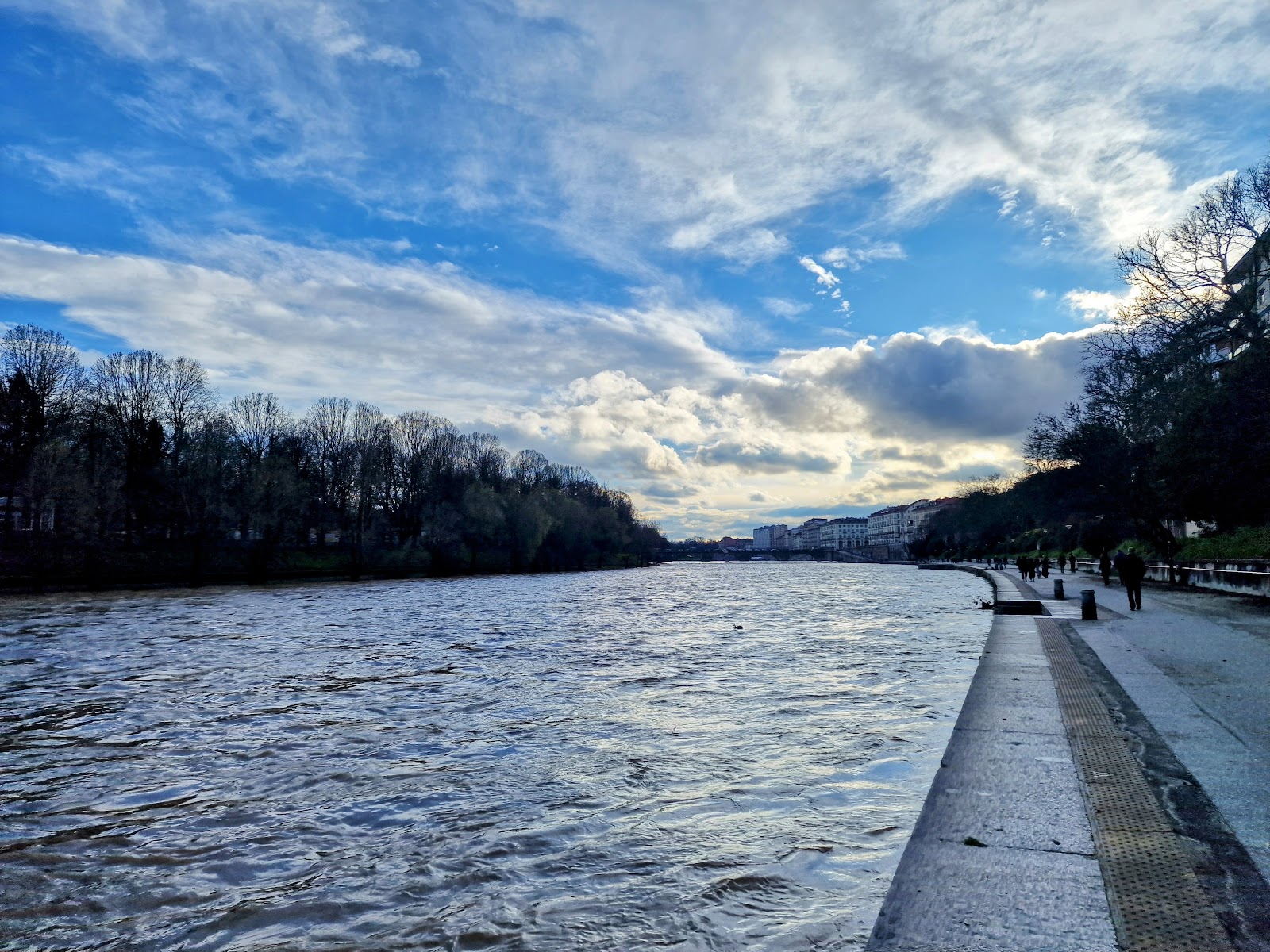
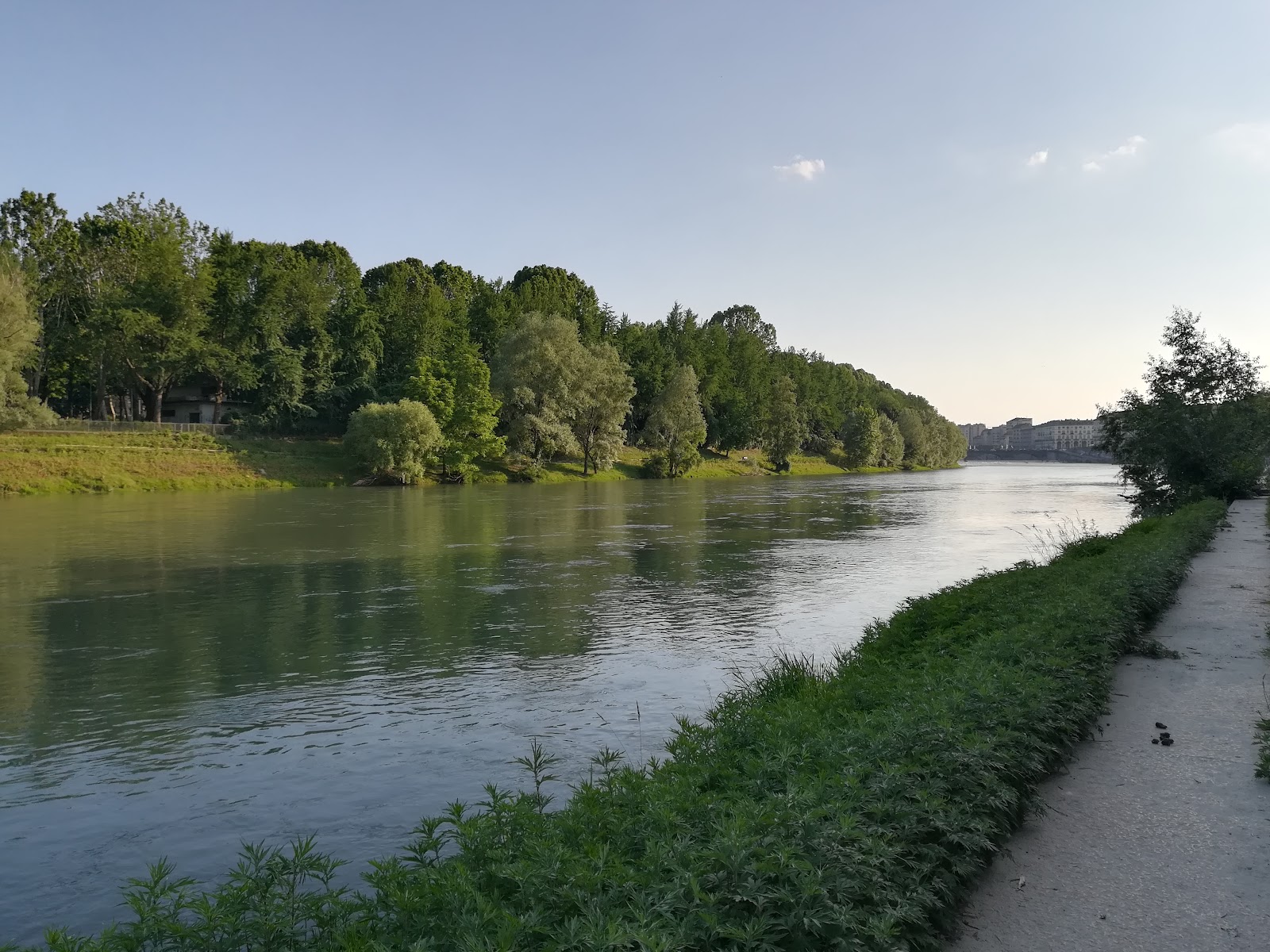
The Po here is wide and slow, and the bank path known as Lungo Po gives you the city from its oldest angle — the one the Gauls saw when they first settled this flat river crossing, and the Romans formalized in 219 BC. Poplars line the water. Herons stand in the shallows. Cyclists and runners pass each other without urgency.
This is where Cremona exhales. The cathedral cluster sits a short walk inland, and the violin workshops are tucked through the brick alleys behind you, but out here the scale shifts. The river is wide enough to remind you that this city existed because of it — not despite the distance from everywhere else, but precisely because of it.
💛 What travellers fall for
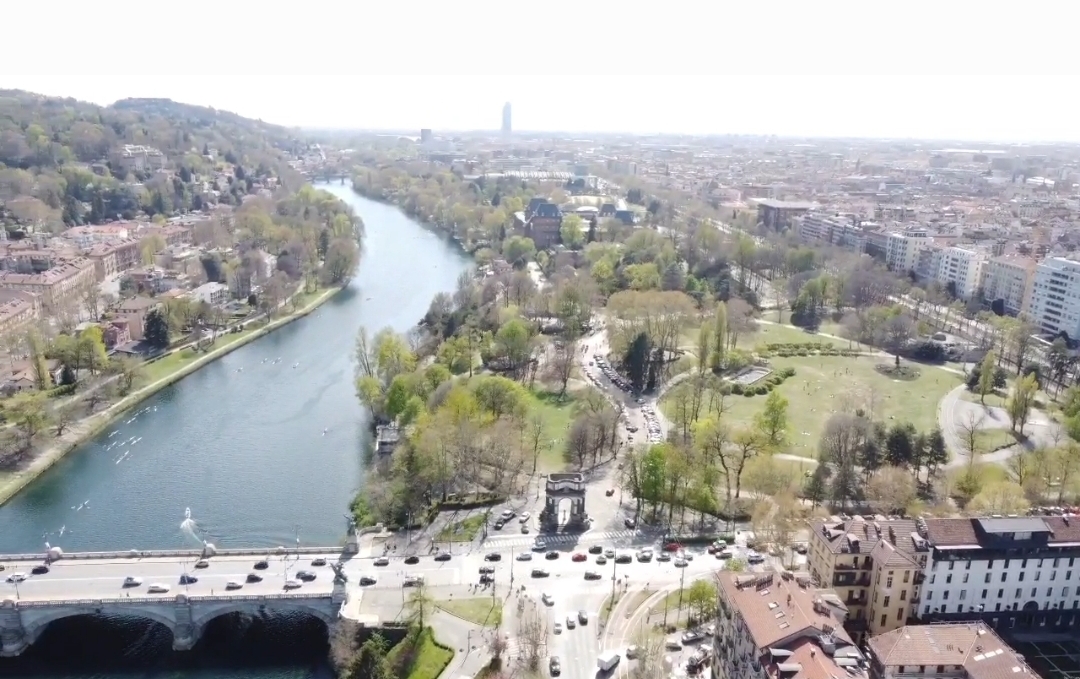
People who come back tend to arrive early, before the cyclists outnumber the herons. The tourist harbour at Lungo Po Europa is the place to ask about motorboat or pontoon trips onto the river itself — a few hours on the water reframes everything you saw in the city centre. The Maffo Vialli park, right along the bank, is where locals actually spend a Sunday.
The story behind Po River Waterfront (Lungo Po)
Before there was a city, there was a crossing. Gaulish ferrymen worked this stretch of the Po for generations before Rome took notice of its strategic value. In 219 BC the Romans formally established Cremona as a colonial settlement — nearly 6,000 settlers — partly to control exactly this point on the river. Trade in grain from the fertile valley moved through here for centuries.
The riverbanks themselves were shaped slowly. Flood-control and land-reclamation works began in pre-Roman times, continued through the medieval period, and by the end of the 15th century the riparian arrangement was largely as it stands today. Three rowing and canoe clubs eventually took root along these banks, and over the years trained athletes who went on to win at world and Olympic level.
Good to know
Cremona's train station is a 15-minute walk from the waterfront; regional lines connect to Milan in roughly 80 minutes. Mid-April to mid-June and September offer the most comfortable walking weather. The flat riverside paths extend for kilometres — a bike, hired in town, makes more sense than a car.
Spring and early autumn are the most reliable seasons — comfortable for long walks, with manageable crowds. Summer afternoons on the exposed riverbank can be hot and humid; mornings and evenings are far better. Winter brings low mist off the water and a particular stillness, which some visitors find worth the cold.
Where is Po River Waterfront (Lungo Po)?
More tickets & tours for Po River Waterfront (Lungo Po)
Book directly at the provider
What travellers say about Po River Waterfront (Lungo Po)
Very pleasant to walk along the river, many grassy areas to lay a blanket down and relax. Lots of little spots to grab a small snack or drink.
Recommended for a quiet and slow stroll after a long day.
Loved it! Peaceful path where you can put in standby the "modern" and busy Turin by taking a walk here. Just be sure to wear as always your sunscreen on and some repellent for mosquitoes in summer! You'll find many shadow spots where to sit or stay but it's still a bit hot somedays. You can also bring your kids with you as there is a playground for them near the main street by the river, and a camera too for there are many ducks and some other animals to see👍
If you need a bit of relaxing walk along the riverside, this is a great spot. Evening are much better . Totally recommend it
See the nature so close, an exquisite place to visit.
More of Cremona
Discover where to stay, what to do and the best deals for your trip.
Explore Cremona →More attractions in Cremona
All of Cremona →

Background adapted from Wikipedia (CC BY-SA) · map data © OpenStreetMap contributors · ratings & place photos via Google · other photos with per-image credit. Ticket links may earn us a commission at no extra cost to you.