
Palazzo Stanga
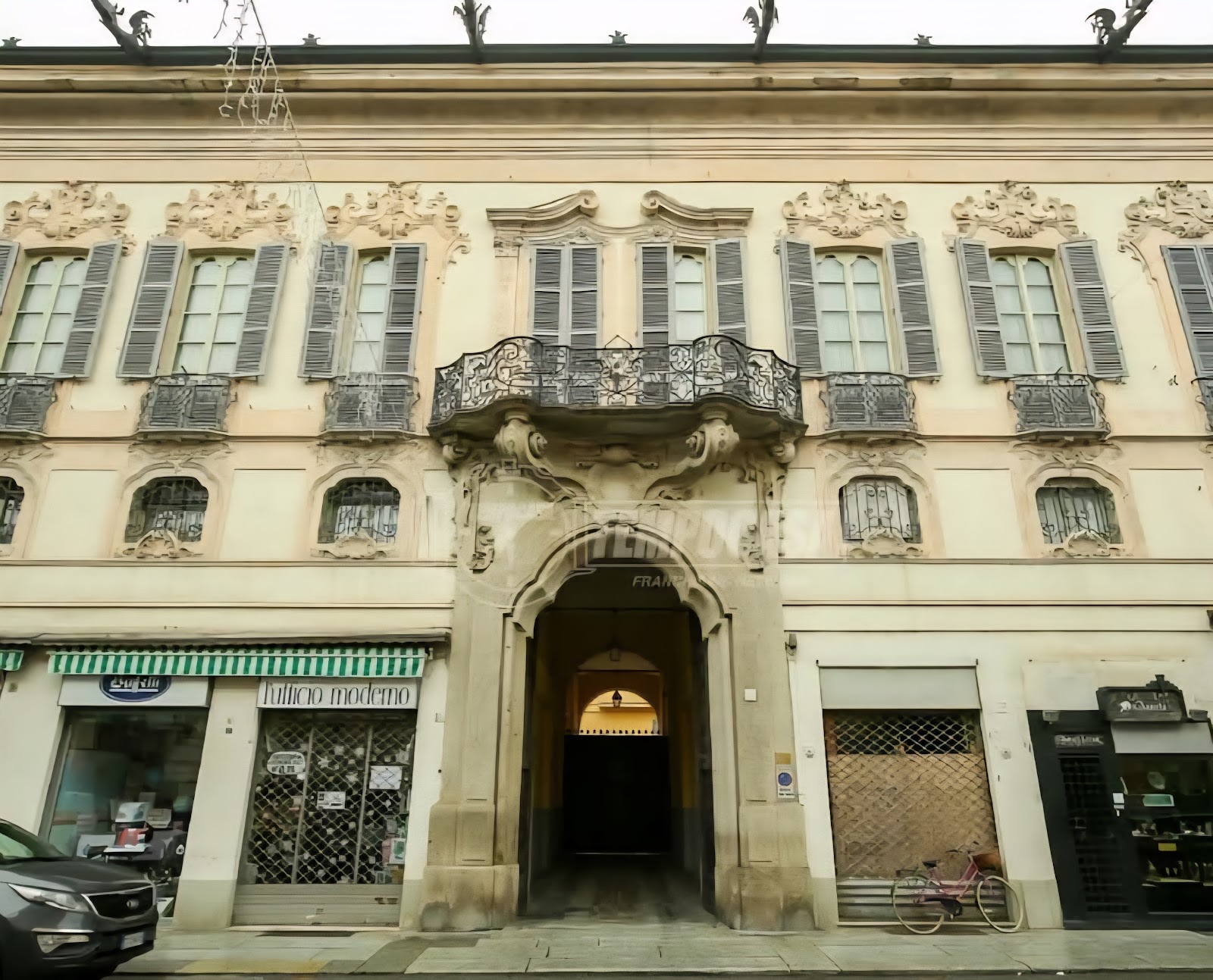
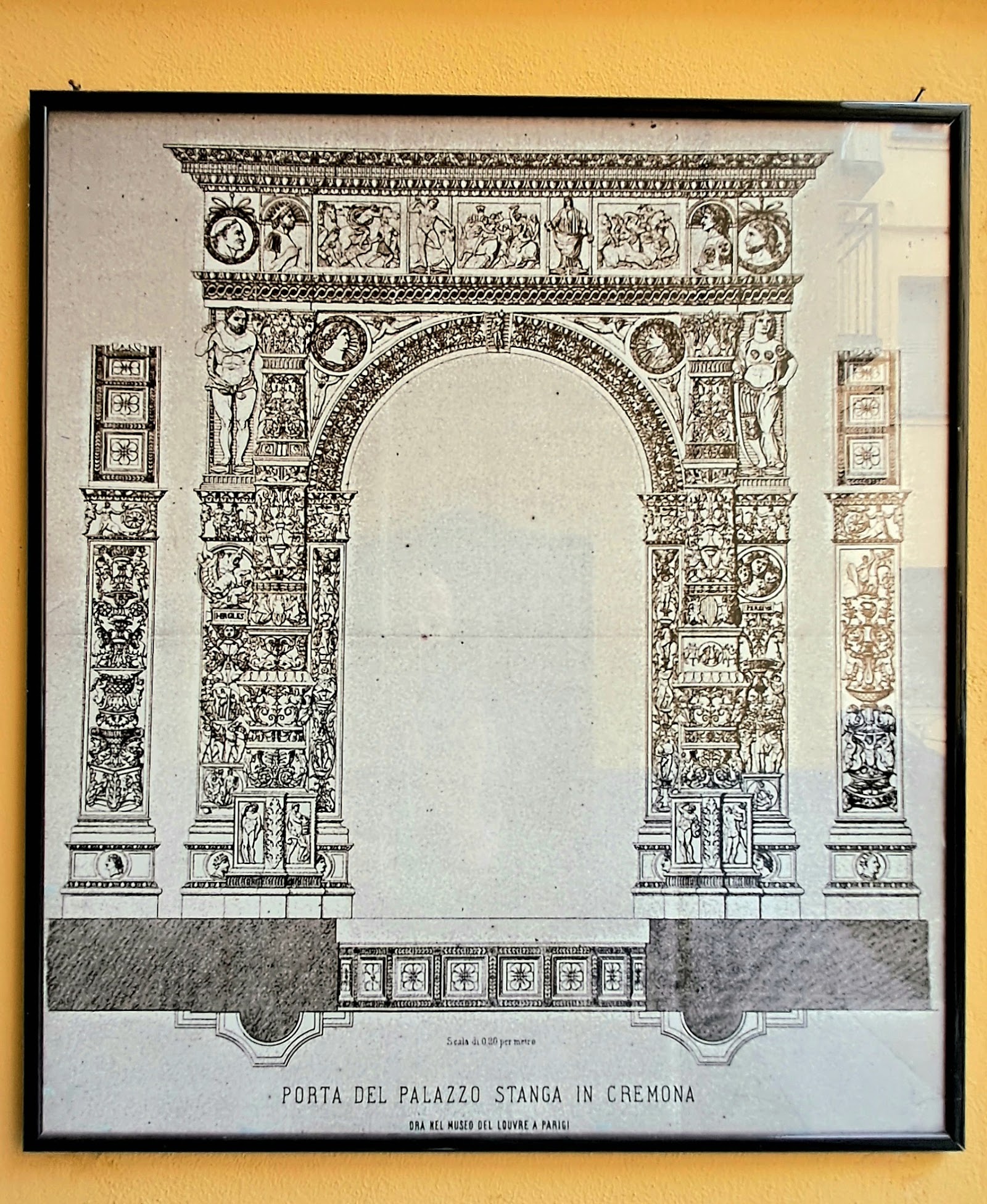
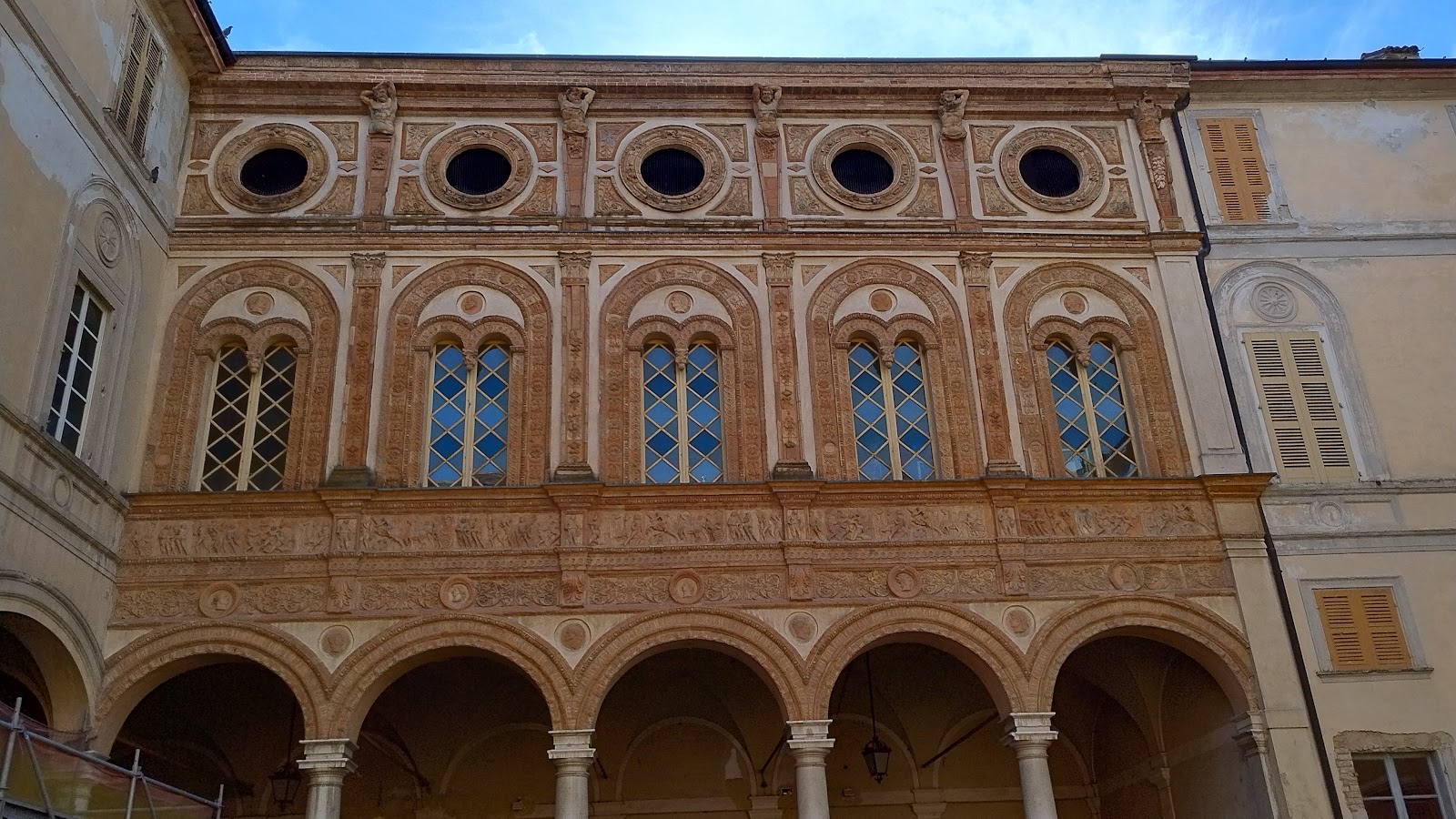
On Via Palestro, a street that doesn't announce itself, Palazzo Stanga keeps a quiet kind of authority. The ground floor opens with wide arcades on Tuscan columns, and above them runs an elaborate frieze that separates the first and second stories with the deliberate care of someone who wanted the proportions to last. What you're looking at is the survivor — the western Renaissance wing held when the rest of the palazzo was remade in the 18th century.
Inside, the neoclassical staircase by architect Faustino Rodi rises under a double elliptical cupola, flanked by statues. Off the upper rooms, the Sala di Napoleone keeps its original furnishings and textiles intact, a small time-capsule of late-18th-century taste. The palazzo has been a working agricultural school since 1929, which means access is occasional — but that rarity is part of what makes a visit worth planning for.
💛 What travellers fall for
People who've made it inside tend to mention the staircase first — the cupola above it reads differently in person than any photograph suggests. The Sala di Napoleone, with its alcove decorations by 18th-century artists still in place, is the room that holds attention longest. Check the Touring Club's 'Aperti per Voi' Saturday schedule well ahead; slots fill.
The story behind Palazzo Stanga
The Stanga family, established Cremonese nobility, acquired this property in 1467, and the palazzo that grew on the site through the late 15th and early 16th centuries reflected their standing in the city. The Renaissance western façade — still the building's most legible face — dates from that period.
In the 18th century, Marchese Vincenzo Stanga commissioned a substantial remodeling. Architect Faustino Rodi designed the neoclassical staircase and oversaw the reforms; decorator Giuseppe Manfredini worked on the interiors. Vincenzo also purchased the adjacent former canonica of Sant'Agata in 1791 with plans for an English-style garden, though he died in 1795 before the project reached completion. The palazzo passed eventually into institutional use, housing an agricultural technical school from 1929, and has been managed by the Provincial Administration since 1996.
Good to know
Access is limited to occasional Saturday openings (15:00–18:00) through the Touring Club's 'Aperti per Voi' initiative. Confirm dates and any ticketing with the Touring Club or Cremona's tourism office before visiting. The palazzo is on Via Palestro 36, a short walk from Piazza del Comune.
Where is Palazzo Stanga?
More tickets & tours for Palazzo Stanga
Book directly at the provider
What travellers say about Palazzo Stanga
This 15th-century palace, which changed hands several times, has been owned by the Strozzi family since 2011. Following occasional restoration, it is now open to the public through guided tours organized by the Target Turismo Cremona group. Highly recommended.
Magnificent palace on Corso Giuseppe Garibaldi, difficult to visit because it is privately owned.
Stunning palace although unfortunately it is closed to the public
I recommend a visit
Ancient building well restored and very well kept.
More of Cremona
Discover where to stay, what to do and the best deals for your trip.
Explore Cremona →More attractions in Cremona
All of Cremona →

Background adapted from Wikipedia (CC BY-SA) · map data © OpenStreetMap contributors · ratings & place photos via Google · other photos with per-image credit. Ticket links may earn us a commission at no extra cost to you.