
Oxford
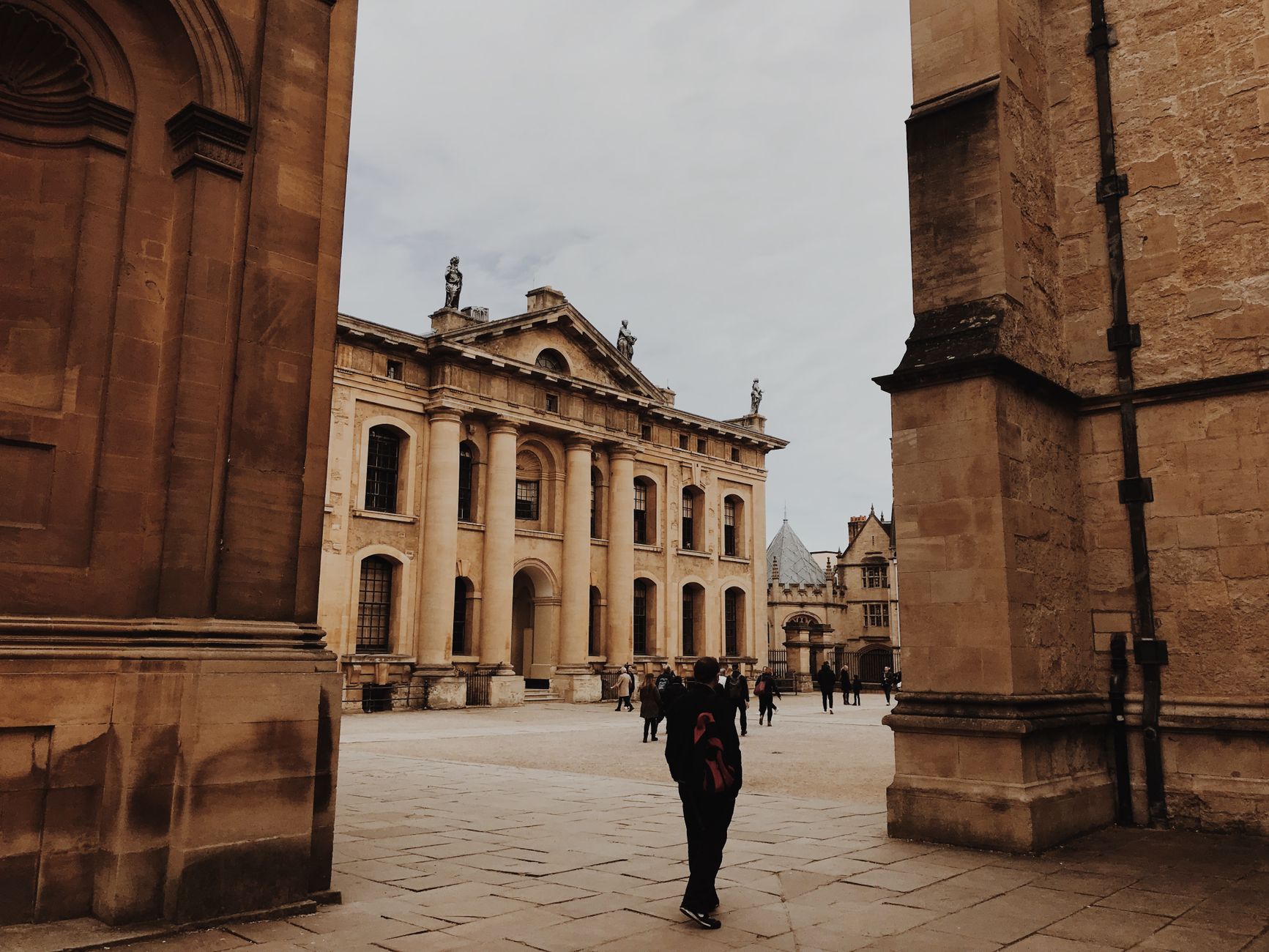
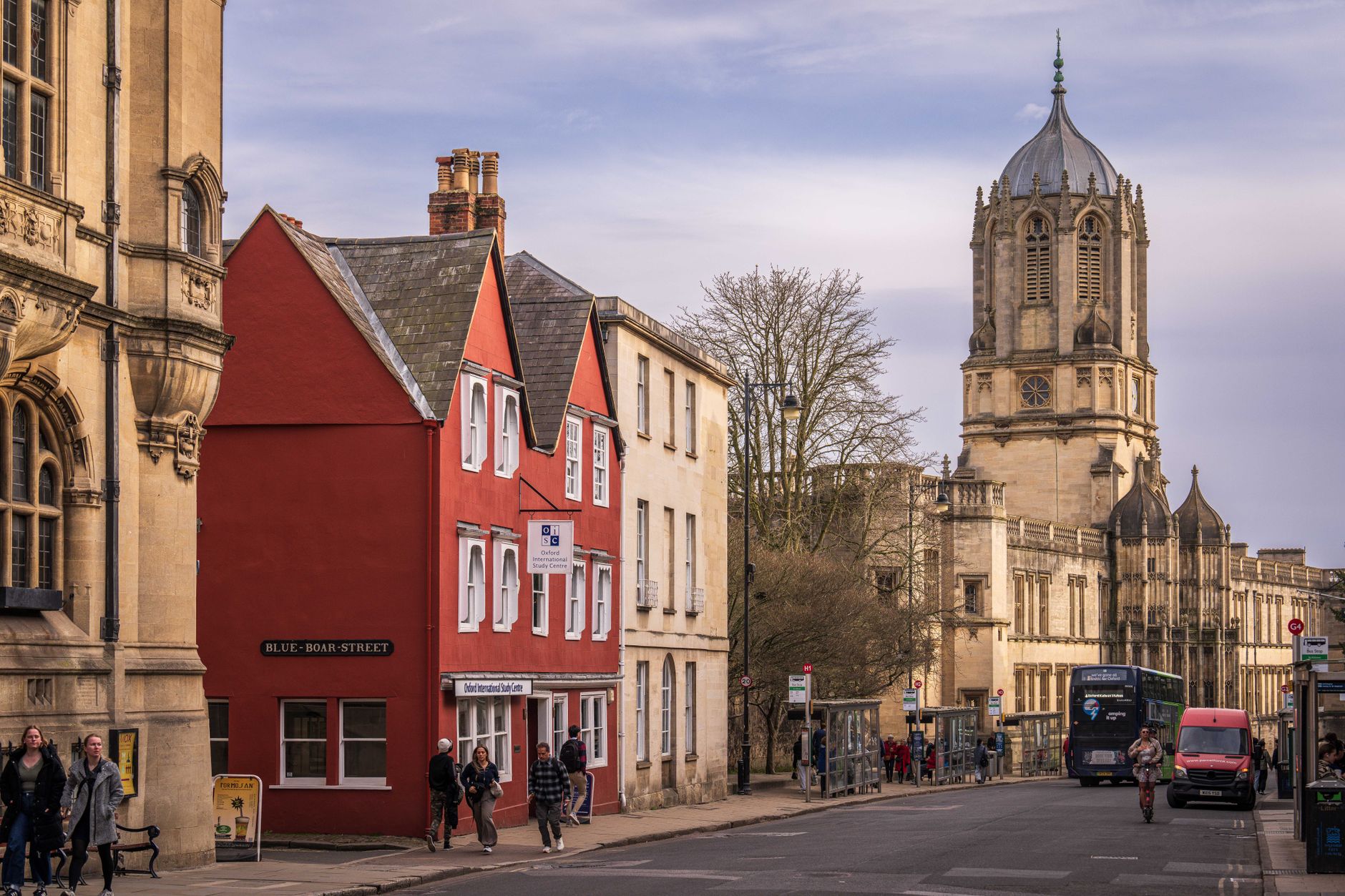
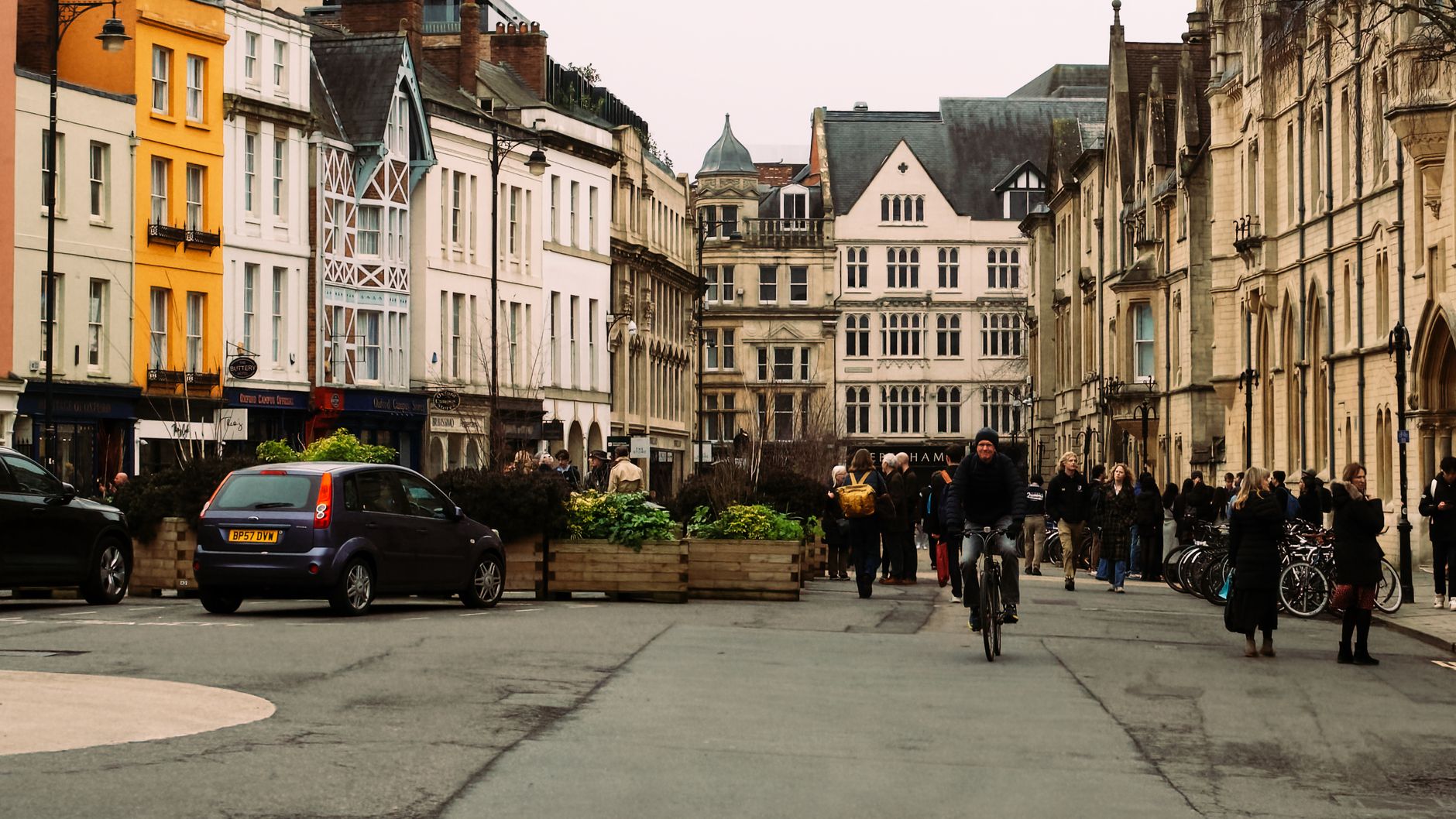
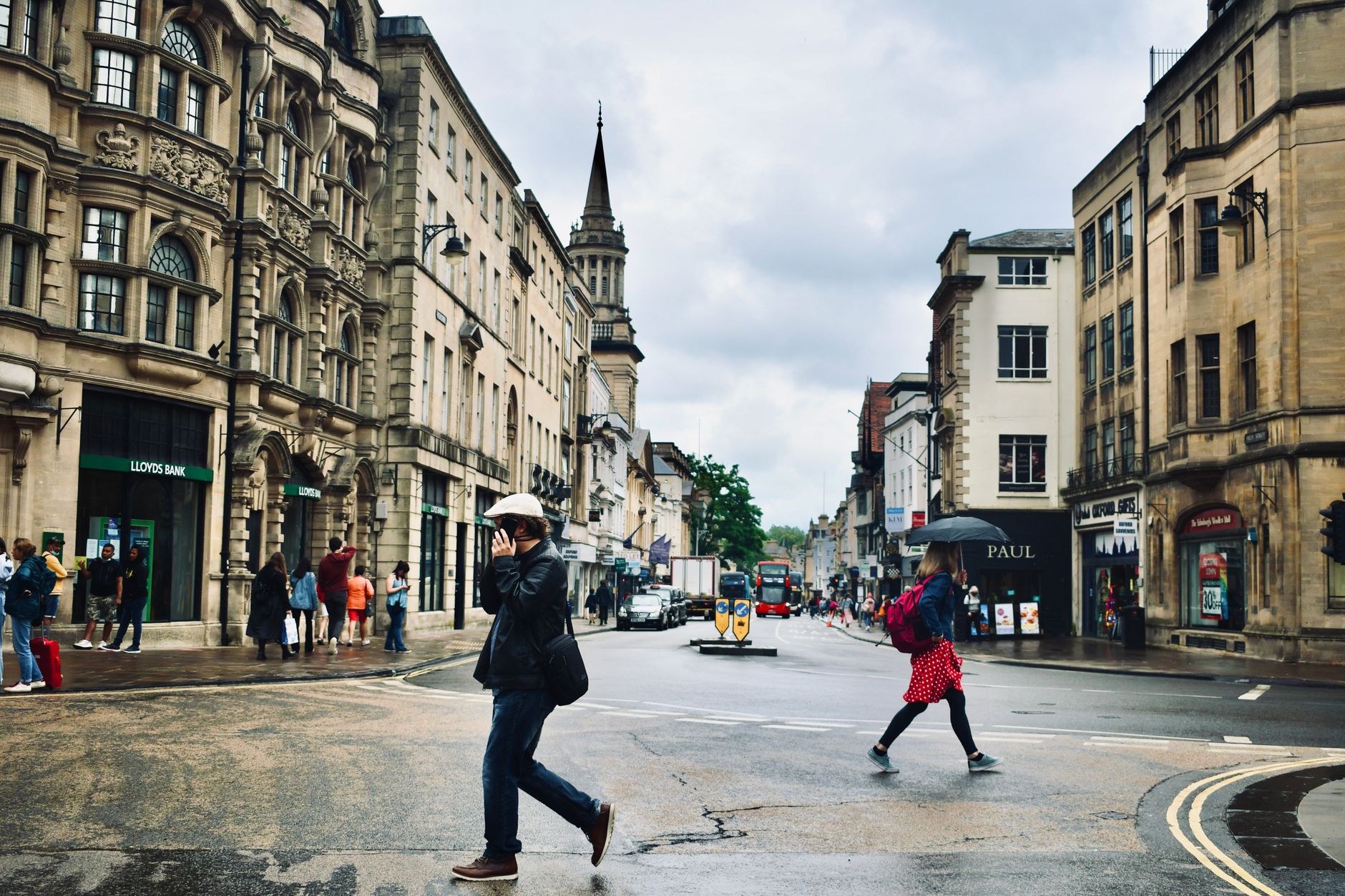
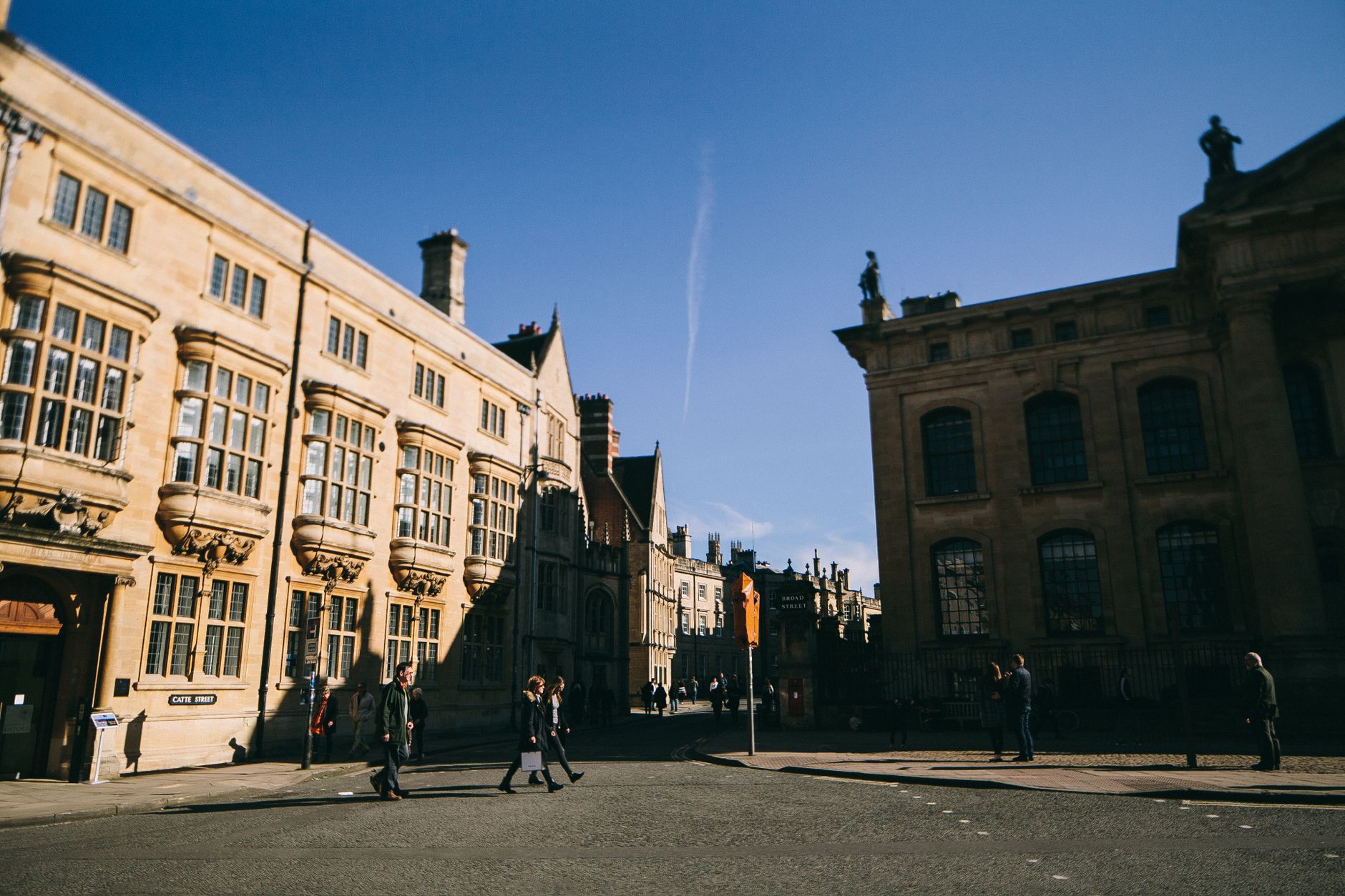
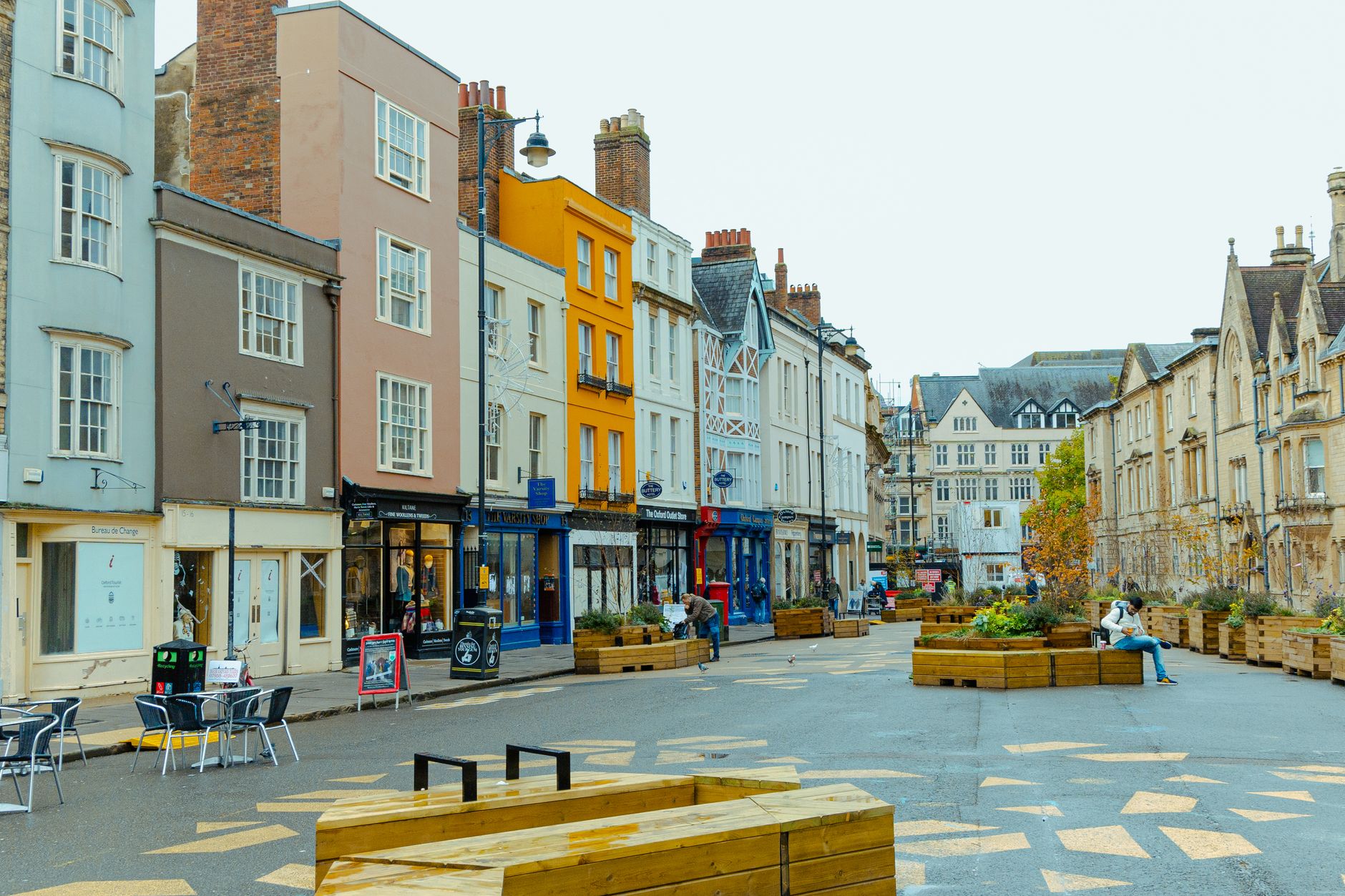
Oxford is one of those places where the medieval and the everyday have been sharing the same streets for so long that neither seems to notice the other anymore. Students cycle past a library that has been lending books since the fifteenth century; a café sits in the shadow of a dome that Wren drew by hand. The historic centre is compact enough to cross on foot in twenty minutes, which means you can wander from the circular reading room of the Radcliffe Camera to the dodo skeleton in the University Museum of Natural History without needing a plan or a bus.
What makes Oxford work as a destination is precisely that it is a functioning city, not a preserved one. The colleges are real institutions, the Ashmolean is free and genuinely world-class, and the rivers that define the city's geography — the Thames and the Cherwell — give it a quieter, greener edge that the stone facades don't always suggest.
Popular cities in Oxford









💛 What travellers fall for
People who come back tend to pick one college to look at properly rather than skimming five. Magdalen's tower and deer park repay the time. The Bodleian's Divinity School is often quieter than the Camera and older by three centuries. Carfax Tower is worth the climb for orientation — twenty-three metres isn't much, but the roofline view resets your sense of the city.
How Oxford came to be
Teaching has been happening here since at least 1096, though the University of Oxford has no clean founding date. What accelerated its growth was politics: in 1167, Henry II banned English students from the University of Paris, and scholars began concentrating in Oxford almost by default. The oldest colleges — University College, Balliol, and Merton — were all established within fifteen years of each other in the mid-thirteenth century, each funded by private benefactors rather than royal decree.
The city itself is older than the university. Saxon in origin, it sits at the confluence of the Thames and the Cherwell, a position that made it strategically important through the medieval period — besieged in 1142 during the civil war known as the Anarchy, and later chosen by Charles I as his court during the English Civil War. The railway arrived in 1844, linking Oxford to London and beginning a slow shift from market town to something more complex.
Who and what shaped it
People who shaped it
Landmark buildings
See Oxford in motion
Plan your visit
On the map
When to go
Oxford has a temperate, maritime climate — mild but reliably damp. Spring (April to May) and early autumn (September to October) offer the most comfortable walking weather and softer light. Summer brings warmth but also the year's highest visitor numbers; winters are grey and cool, though the stone city looks well in low January light.
Right now
↡ Cities

Background & history adapted from Wikipedia (CC BY-SA) · specs from Wikidata (CC0) · weather from Open-Meteo · map data © OpenStreetMap contributors · photos from Wikimedia Commons / Unsplash with per-image credit. No third-party reviews or social posts reproduced.