
Broad Street
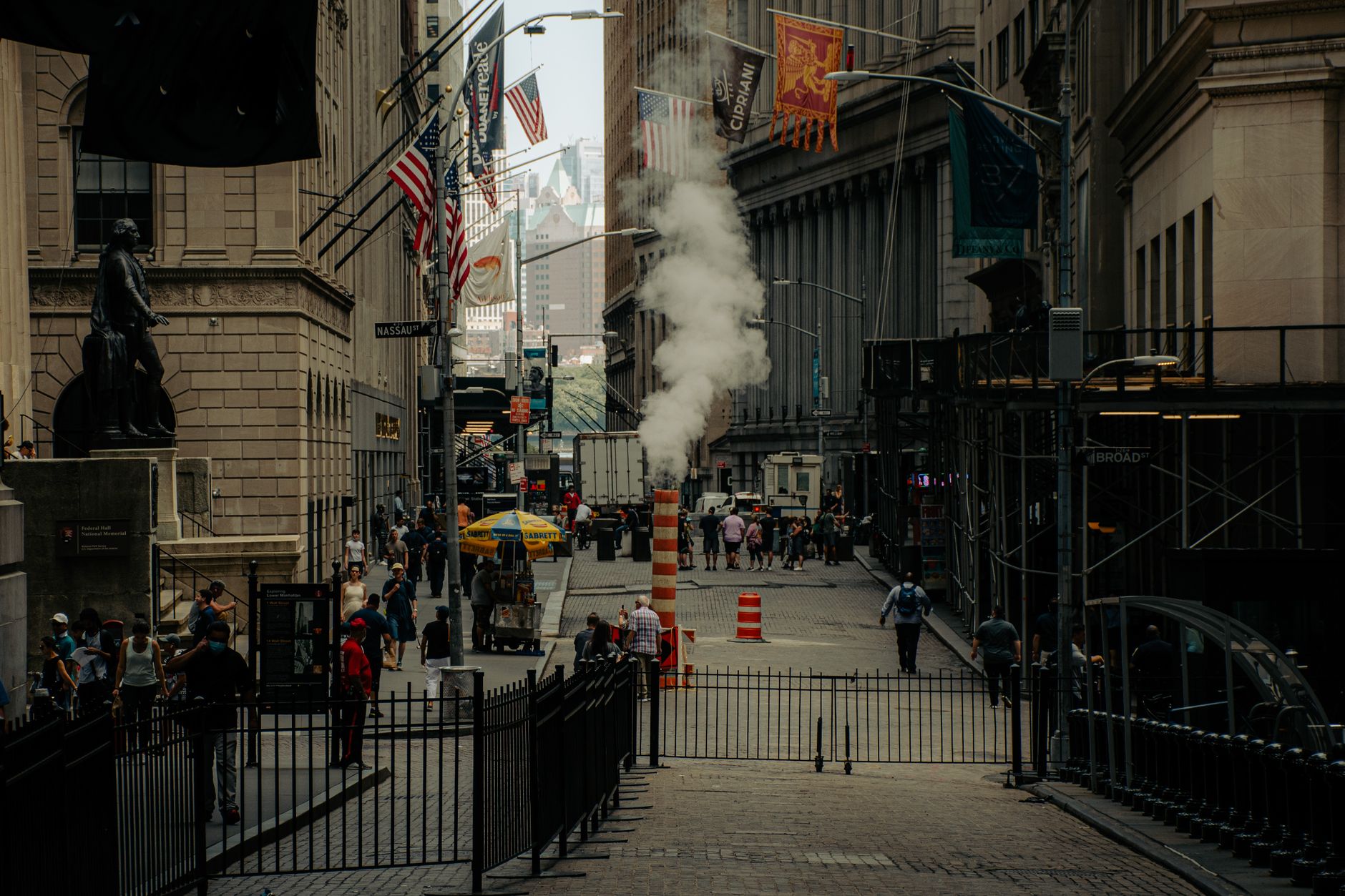
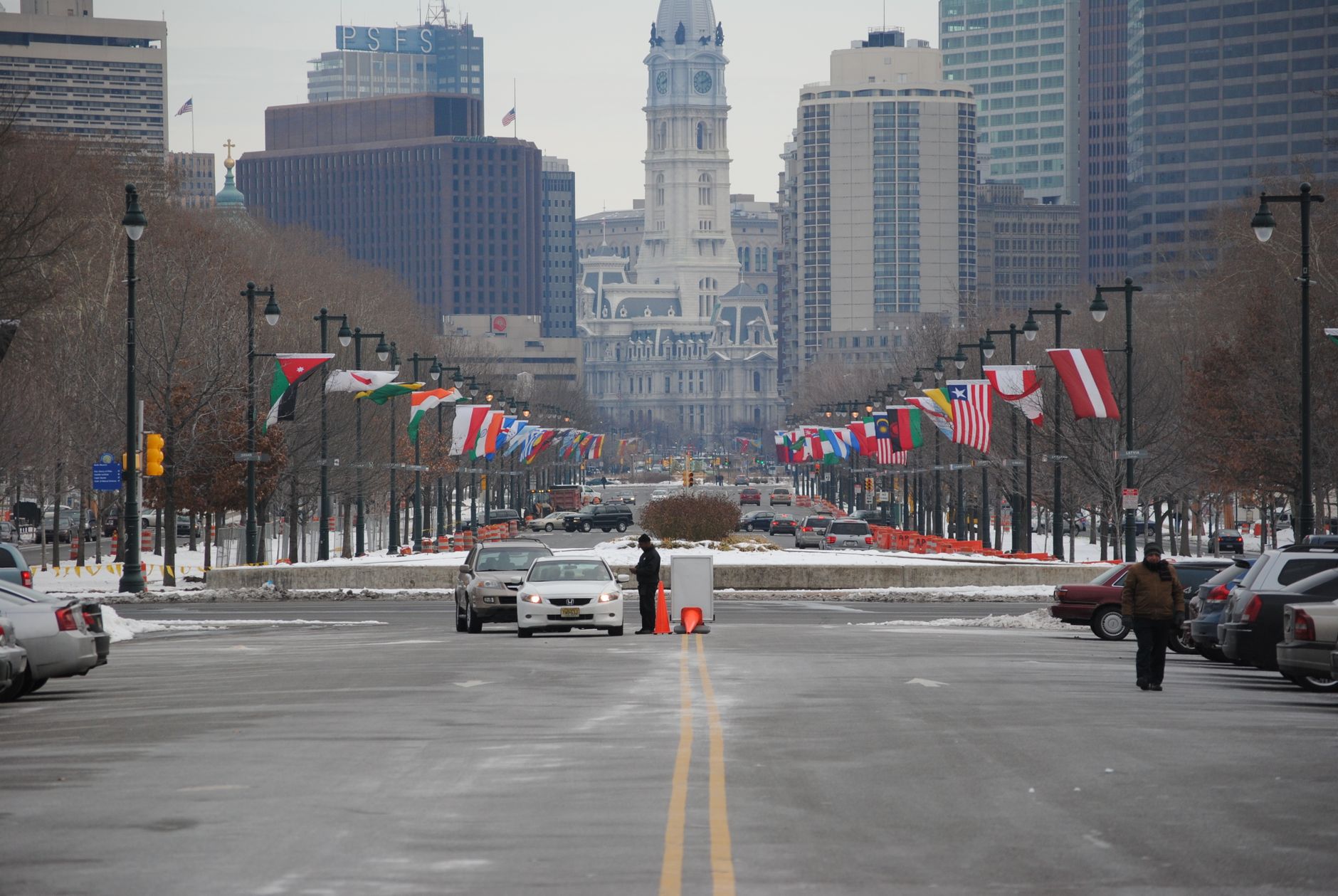
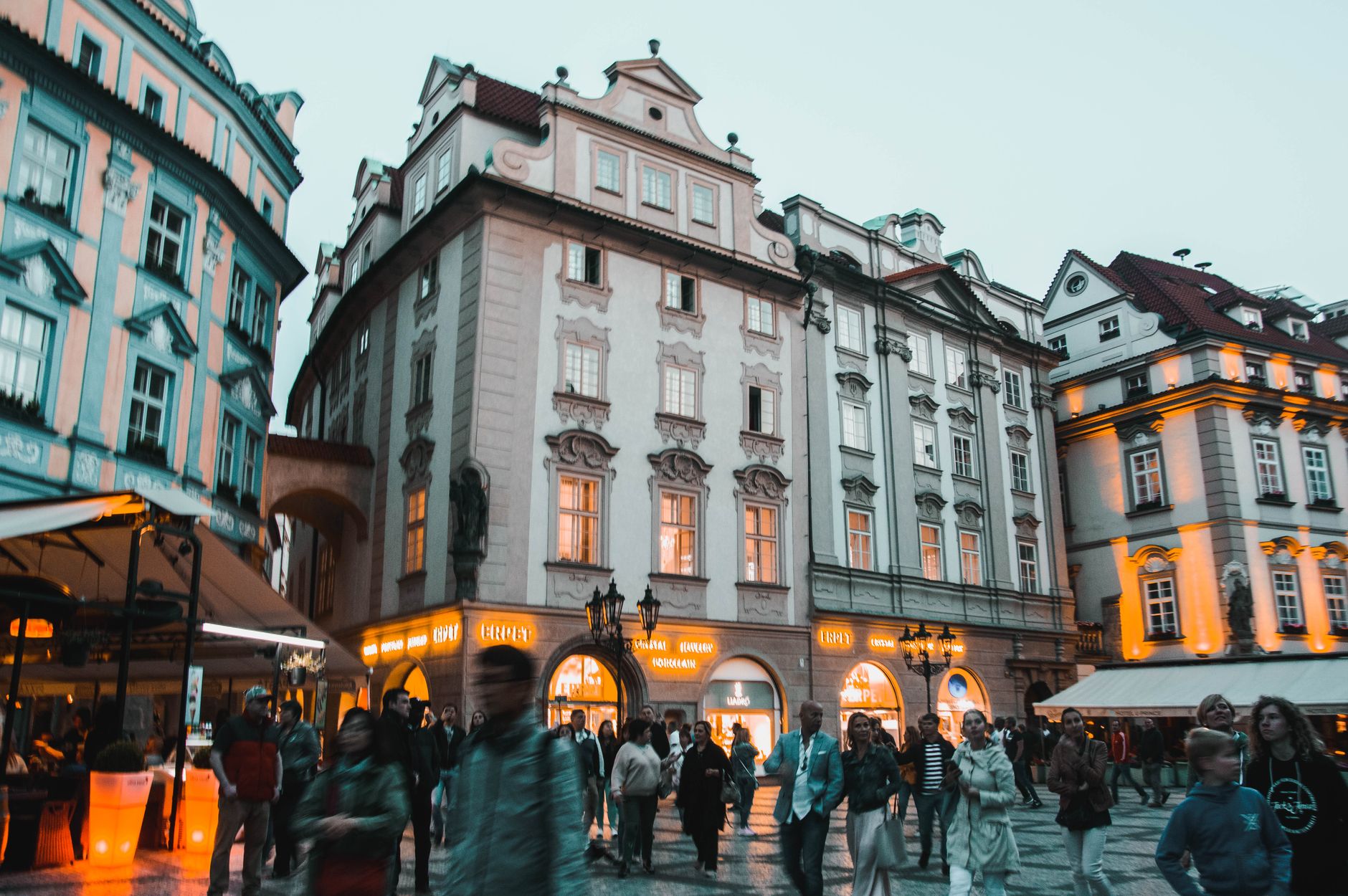
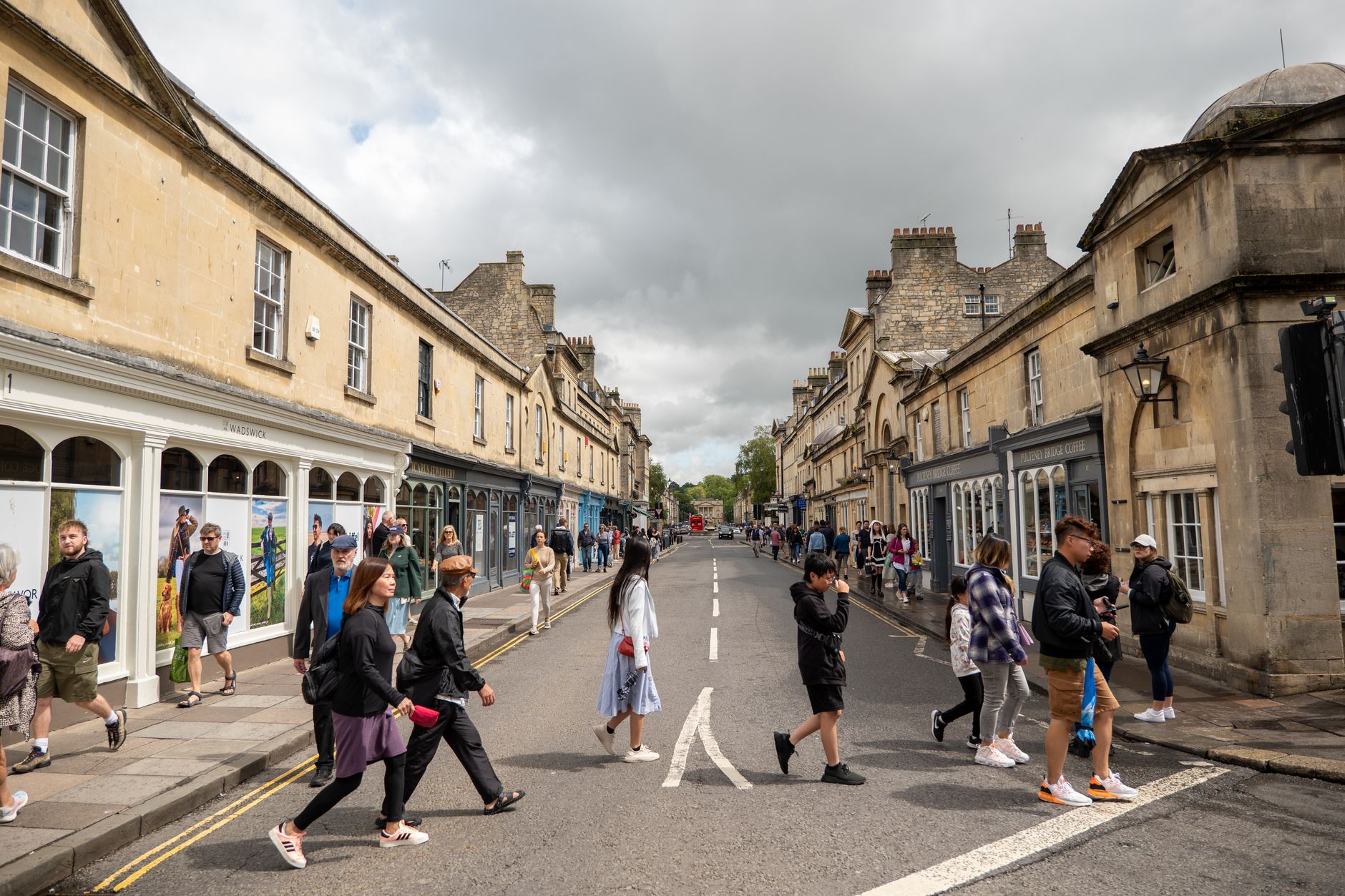
The locals call it The Broad, and the name fits — it is genuinely wide for a medieval English street, which is why it once served as Oxford's horse market. Stand in the middle on a quiet morning and you can read the whole sweep of it: Wren's Sheldonian Theatre behind its row of stone heads, the Old Ashmolean building that became the world's first public museum, Blackwell's bookshop that started at twelve feet square and never really stopped growing, and a granite cross set into the tarmac opposite Balliol College marking where three men were burned alive.
This is not a street you pass through on the way somewhere else. The histories here are specific and strange — a colour photography pioneer born above number 40, the first Oxfam office at number 17, a horse market that became a city wall that became a row of shops.
💛 What travellers fall for
People who know The Broad well tend to duck into the White Horse early, before the afternoon crowds find it — a timber-framed pub wedged beside Blackwell's that has been there since the sixteenth or seventeenth century. Then the Museum of the History of Science in the original Ashmolean building, which rewards a slow look. Check the granite cross in the road before you leave.
Experiences you don't want to miss



Deals in Broad Street
Book directly at the provider


How Broad Street came to be
The street runs along the line of Oxford's old town ditch — Canditch — dug in front of a city wall first raised in AD 911. Those walls were rebuilt in local coral ragstone between 1226 and 1240. By the sixteenth or seventeenth century, improved artillery had made them redundant; the city parcelled out the south-side ditch into burgage plots, most of the stone was reused elsewhere, and one bastion survives quietly behind number 6.
Before it was Broad Street it was Horsemonger Street, the site of Oxford's horse market. The institutional buildings came later and fast: Wren's Sheldonian Theatre in 1664–68, the Old Ashmolean in 1683 (the world's first museum opened to the public), Hawksmoor's Clarendon Building for Oxford University Press in 1711–15. Blackwell's opened in 1879, Oxfam at number 17 in 1947. The street has a habit of originating things.
Who and what shaped it
People who shaped it
Landmark buildings
See Broad Street in motion
Plan your visit
On the map
When to go
Oxford summers are mild and occasionally warm, but The Broad is fully exposed and offers little shade — a hat earns its keep in July and August. The rest of the year brings the usual English grey, with spring and early autumn offering the most comfortable walking conditions.
Right now
Background & history adapted from Wikipedia (CC BY-SA) · specs from Wikidata (CC0) · weather from Open-Meteo · map data © OpenStreetMap contributors · photos from Wikimedia Commons / Unsplash with per-image credit. No third-party reviews or social posts reproduced.