
Nantes
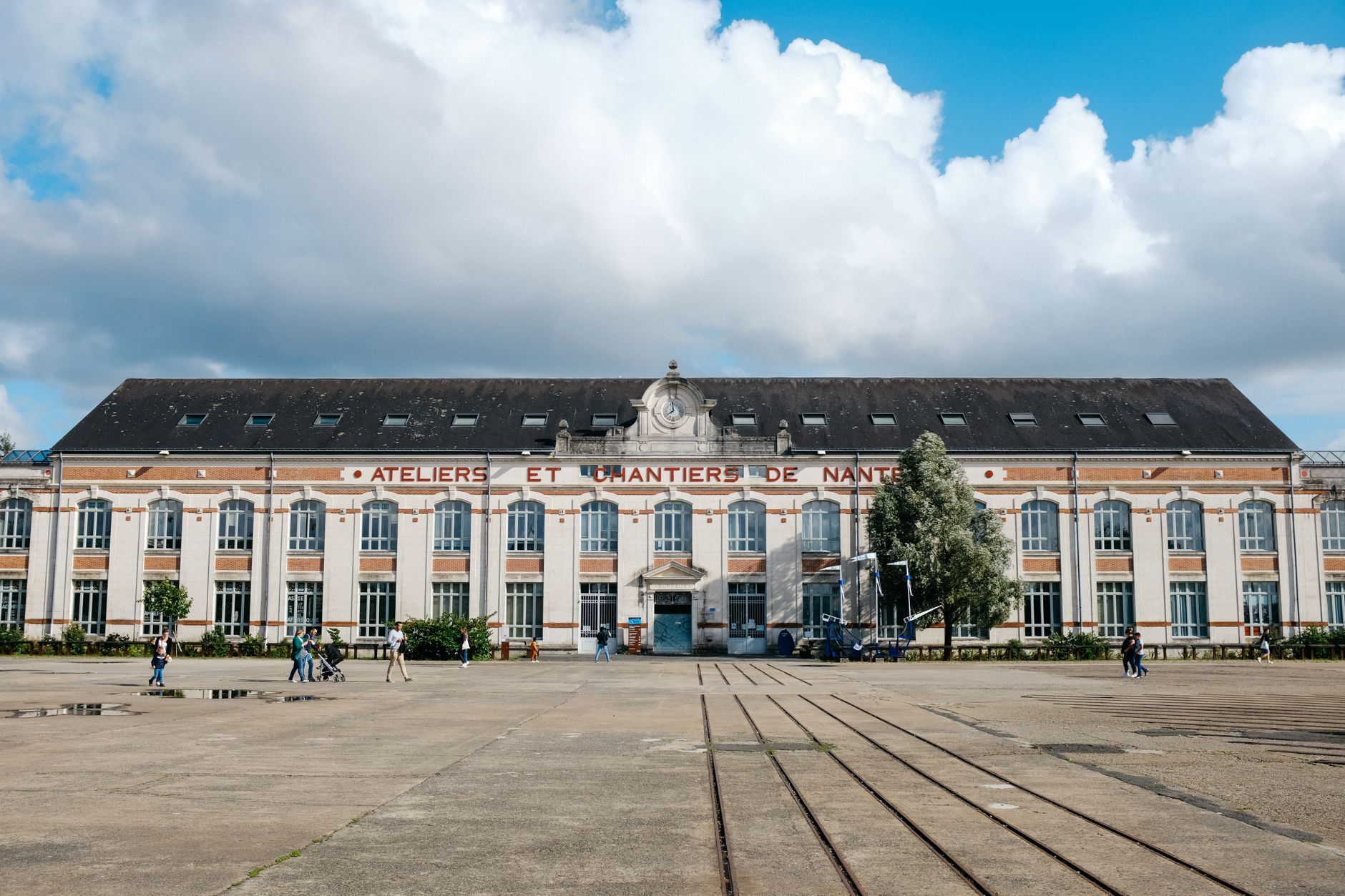
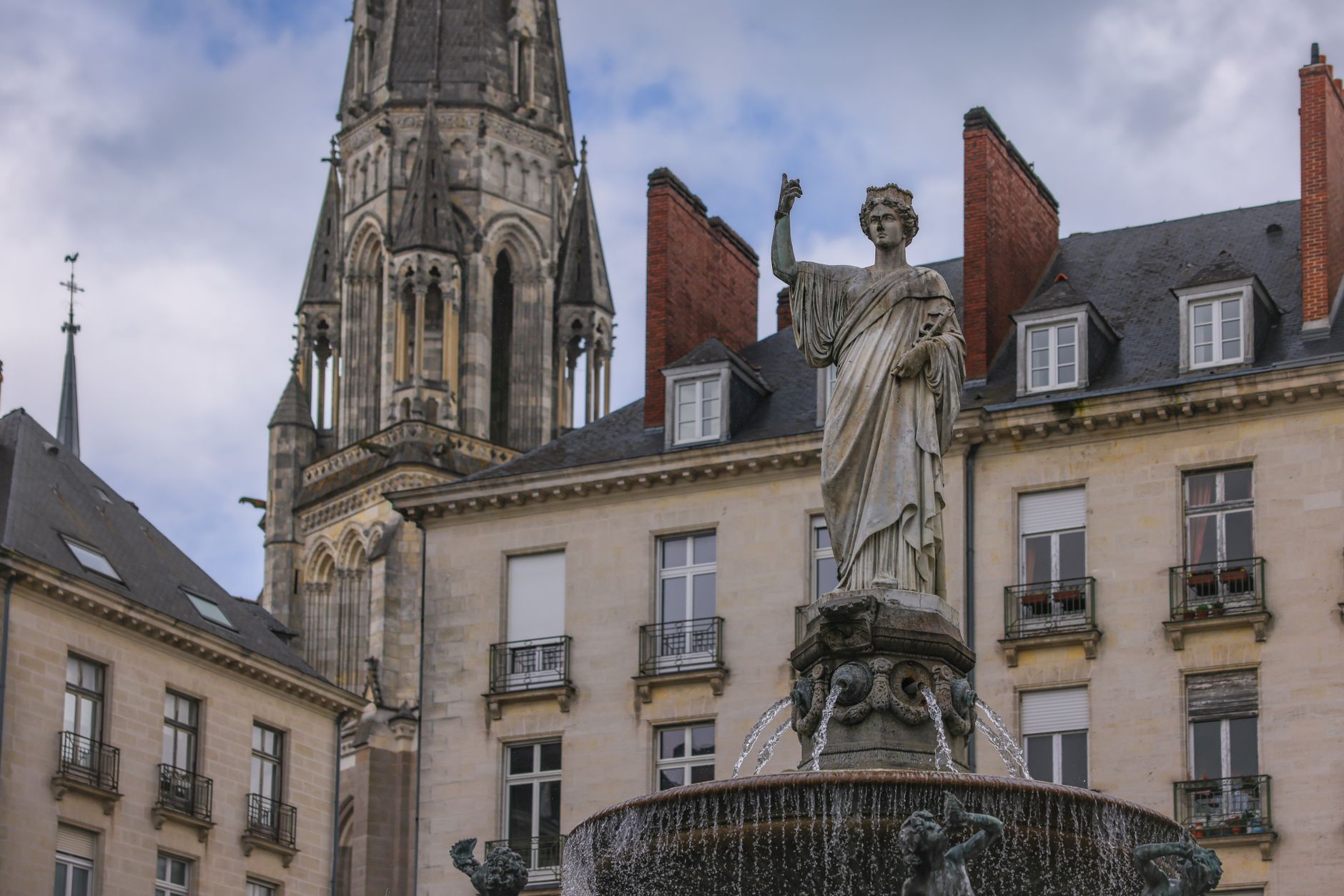

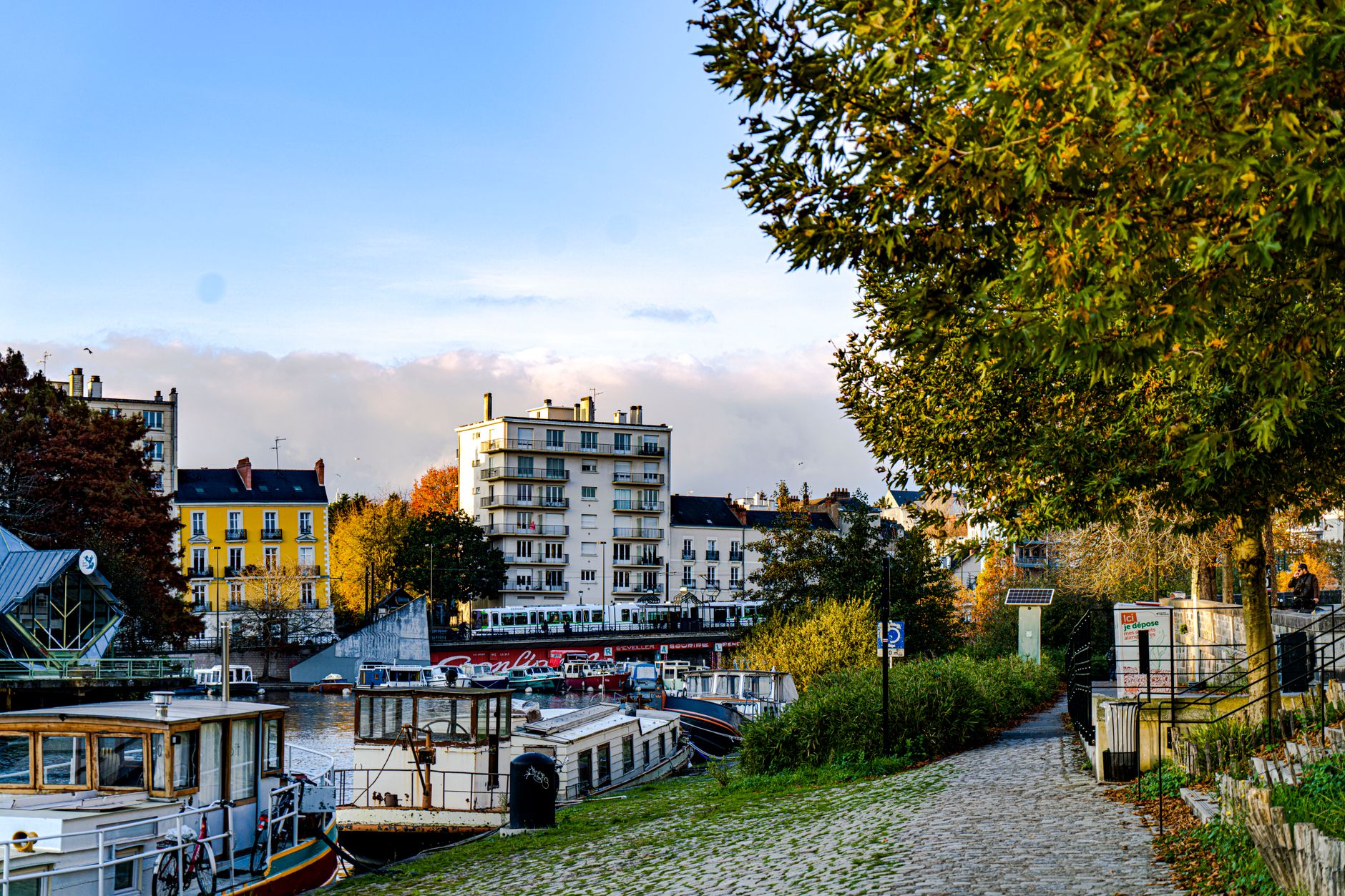
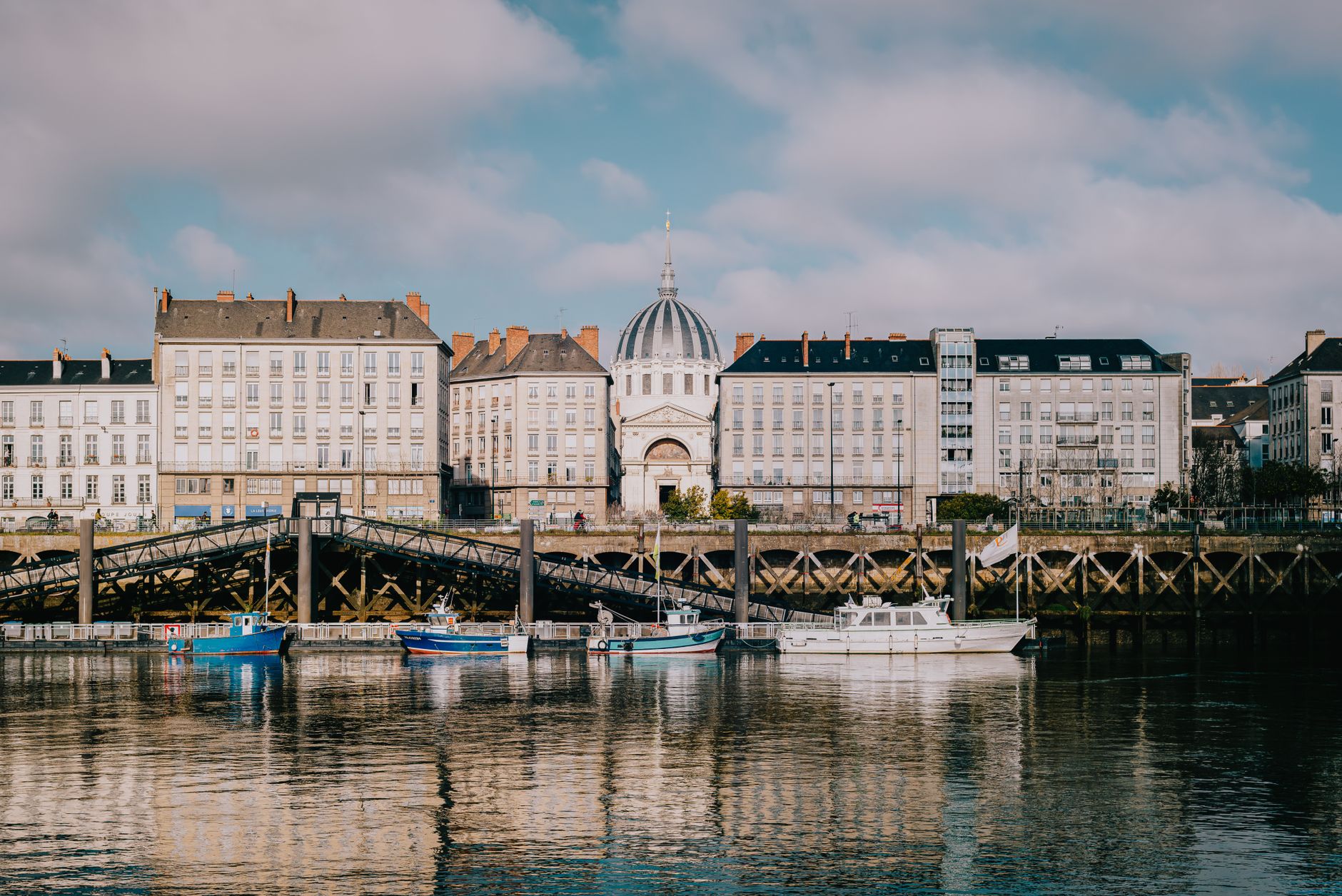
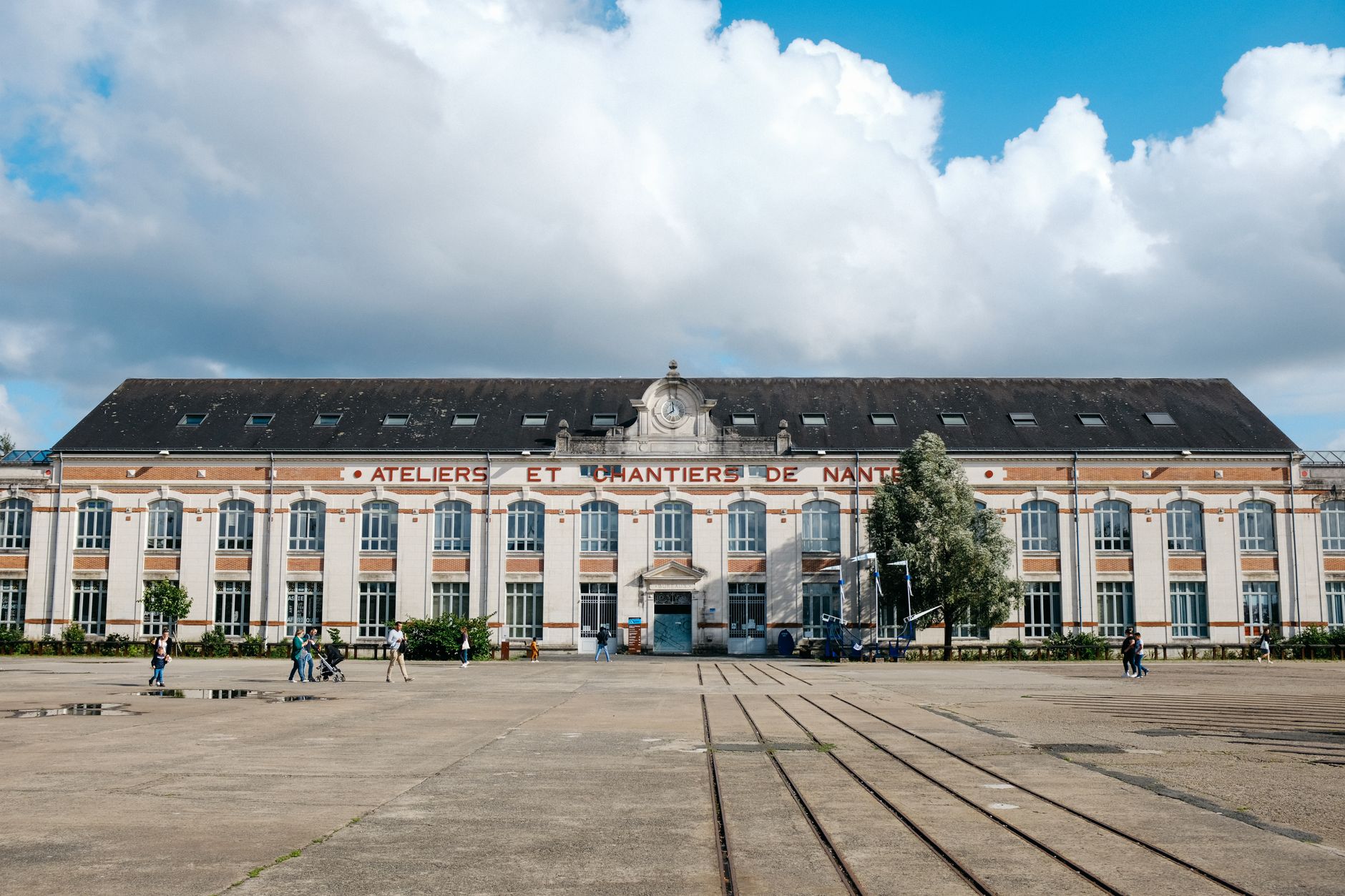
The Loire reaches the Atlantic through Nantes, and the city has always known it sits at a crossing point — between Brittany and France, between river trade and open sea, between a heavy industrial past and something stranger and more playful. Walk the Île de Nantes on a weekday morning and you'll pass the footprint of shipyards that closed in 1987, now occupied by a twelve-metre mechanical elephant that breathes steam and carries passengers on its back.
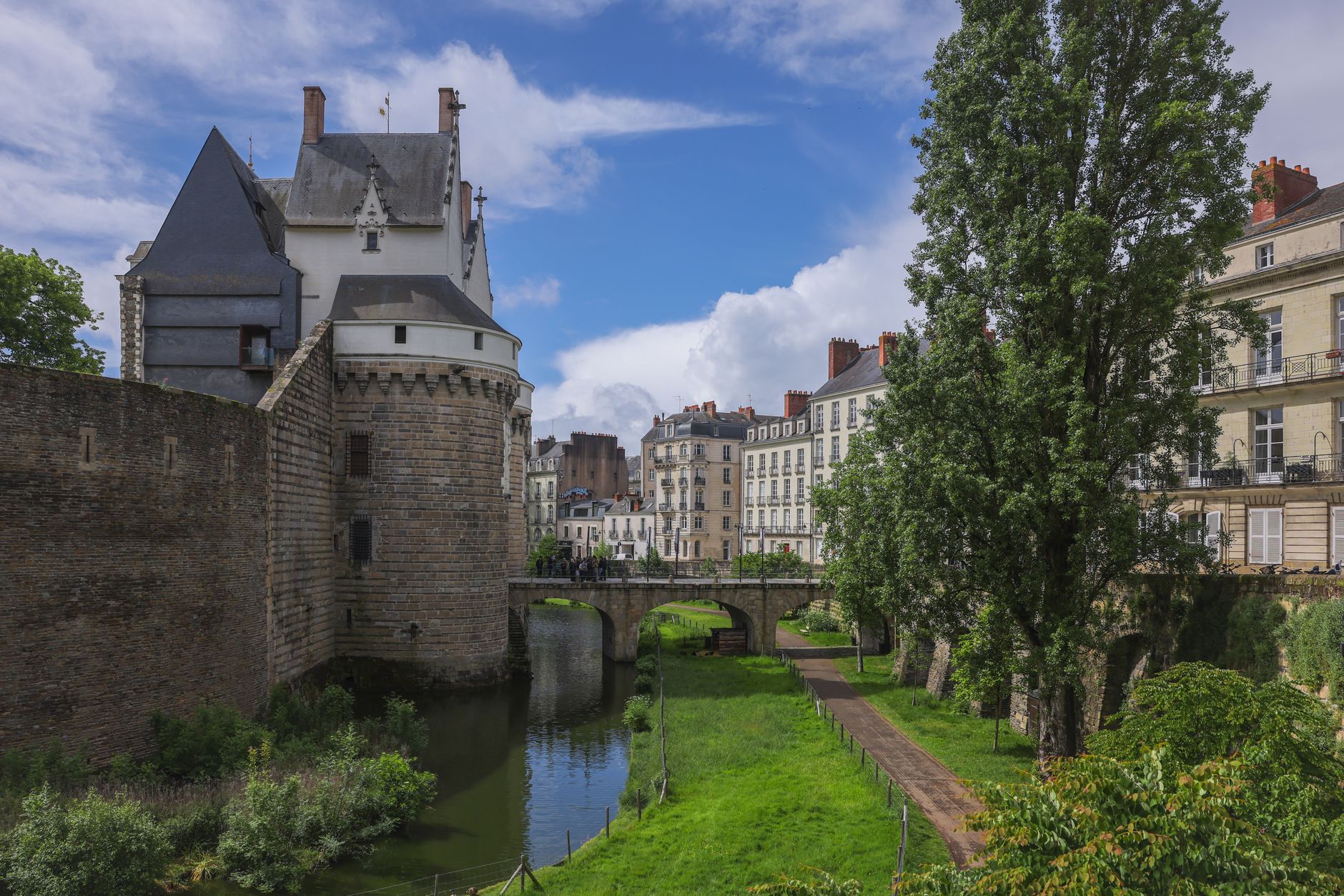
This is a city that has consistently done unexpected things with difficult ground. The slave-trade wealth that built the neoclassical mansions of Île Feydeau, the revolutionary mass drownings in the Loire, the Allied bombs of 1943 — Nantes holds all of it, without flinching, in a castle that doubles as its history museum.
💛 What travellers fall for
People who come back tend to time a visit around the Carrousel des Mondes Marins — the three-storey marine carousel at Les Machines de l'île — and end the afternoon at Passage Pommeraye, the 1843 arcade whose iron balconies rise three floors above the mosaic floor. The Musée des Beaux-Arts, reopened after a long renovation, earns a second morning on its own.
Experiences you don't want to miss





Deals in Nantes
Book directly at the providerHow Nantes came to be
The Namnetes tribe gave the city its name and its first foothold on the Loire around 70 BC. Rome recognized its value as a river port; a bishopric followed at the end of the Roman era, and the Bretons captured it in 851. The castle began rising in 1207, and for the next three centuries Nantes was the seat of the Duchy of Brittany — not French territory at all. Anne of Brittany, born here in 1477, twice became queen consort yet never surrendered Breton independence. The duchy finally merged with France in 1532, and in 1598 Henry IV signed the Edict of Nantes here, granting religious freedoms to Protestants.
After 1688 the city entered the slave trade and became France's largest slaving port, responsible for 42 percent of the country's total trade in human lives across the eighteenth century. The wealth it generated built the elegant stone façades still standing on Île Feydeau. The Revolution brought a different horror: in 1793–1794, thousands were drowned in the Loire on the orders of the local representative. Industrialisation followed, then Allied bombing in 1943, then the slow death of the shipyards by 1987. The mechanical creatures of Les Machines de l'île, opened in 2007 on those same yards, are the latest chapter.
Who and what shaped it
People who shaped it
Landmark buildings
See Nantes in motion
Plan your visit
On the map
When to go
Nantes has a mild oceanic climate — winters are damp and grey rather than cold, summers warm but rarely extreme. April through June and September through October tend to offer dry spells and comfortable temperatures for walking the city.
Right now
Background & history adapted from Wikipedia (CC BY-SA) · specs from Wikidata (CC0) · weather from Open-Meteo · map data © OpenStreetMap contributors · photos from Wikimedia Commons / Unsplash with per-image credit. No third-party reviews or social posts reproduced.