
Museo della Colatura di Alici

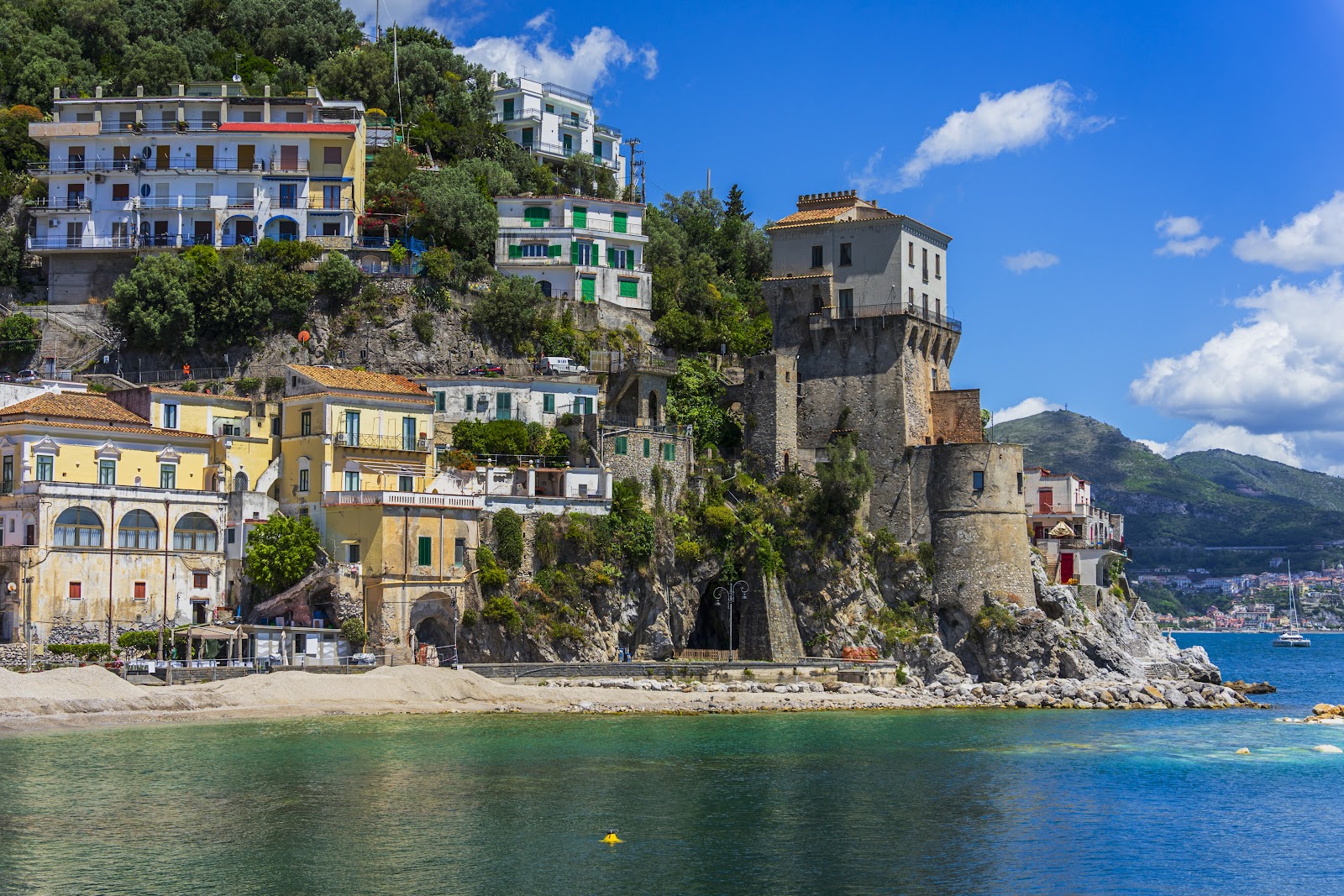
The lower rooms of Cetara's cylindrical Angevin tower smell faintly of salt and aged wood — which is exactly the point. Inside, old terzigni and barrels line the walls, the same wooden containers that have held layered anchovies and sea salt for months at a time, slowly yielding the amber liquid that defines this village's identity.
The Museo della Colatura di Alici is the first museum-cellar dedicated to colatura and the fishing culture behind it. Ancient anchors, purse seines, and nets share space with a small library of historical documents and photographs, and ceramic works made by local artists. It is a modest room, but one where the whole logic of Cetara — why people here have fished, salted, and waited for centuries — becomes legible.

💛 What travellers fall for
People who come back tend to time a visit around the December festival, when the season's first colatura is drawn off the barrels and the village marks it with food and ceremony. The museum gives that ritual its backstory. Pick up a bottle from one of the artisan shops along the main street afterward — the difference from supermarket versions is considerable.
The story behind Museo della Colatura di Alici
The Torre Vicereale, a cylindrical tower of Angevin origin, was restored and reopened to the public in 2011 as home to Cetara's Civic Museum. The anchovy colatura museum occupies its oldest lower rooms — a fitting location, since the tower has watched over the same harbour where Cetara's fishing boats have worked for centuries.
The museum came together through a formal agreement between the Municipality of Cetara, the Association for the Valorization of Cetara Anchovy Colatura, the Flag Approdo di Ulisse, and the Department of Veterinary Medicine and Animal Productions at the University of Federico II of Naples. Angela Speranza, Cetara's Councillor for Culture, Tourism, and Communication, guided its cultural mission. Colatura di Alici di Cetara itself received PDO recognition on 21 October 2020.

Good to know
Cetara has no train station; the SITA bus connects it to Amalfi and Salerno, or take the ferry from Salerno (around €5, running April to October). Specific opening hours and admission prices aren't reliably confirmed, so check with the municipality before visiting. The shoulder seasons — April to June and September to October — keep the village quieter.
Where is Museo della Colatura di Alici?
More tickets & tours for Museo della Colatura di Alici
Book directly at the provider
What travellers say about Museo della Colatura di Alici
Breathtaking.... The beauty of the Amalfi Coast is unparalled ...
Beautiful even in the winter!
Ok
Fantastic view
Beautiful!
More of Cetara
Discover where to stay, what to do and the best deals for your trip.
Explore Cetara →More attractions in Cetara
All of Cetara →
Background adapted from Wikipedia (CC BY-SA) · map data © OpenStreetMap contributors · ratings & place photos via Google · other photos with per-image credit. Ticket links may earn us a commission at no extra cost to you.