
Murano Island
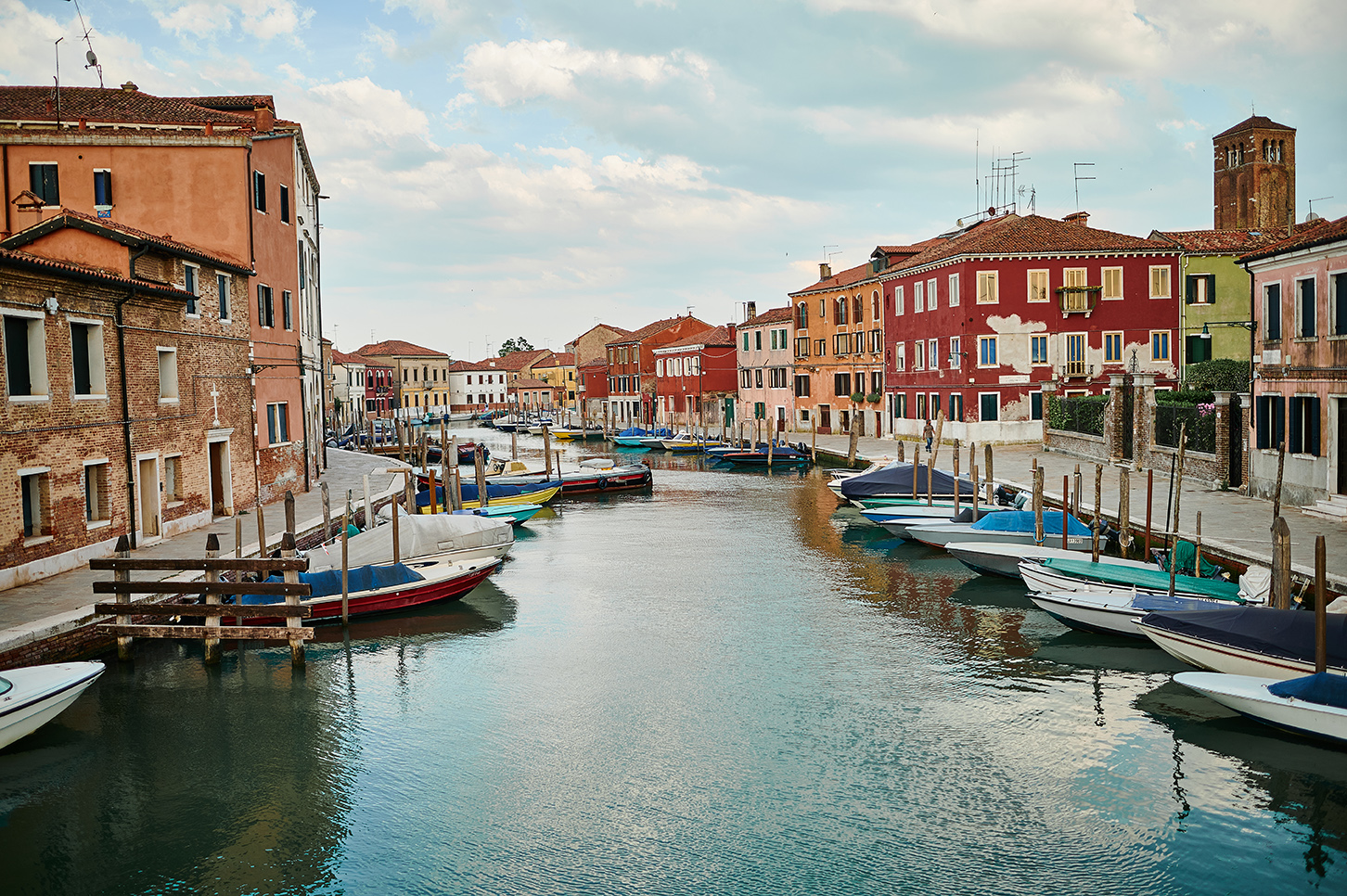
The thing that stops you first on Murano is the sound — or the absence of it. No cars, no scooters, just the knock of water against stone and, from somewhere behind a half-open door, the low roar of a furnace. This is a working island, not a theme park, and the glass factories have been here since 1291, when Venice's Great Council ordered every glassmaker off the main islands to protect the city's wooden buildings from fire.
Seven small islands make up Murano, linked by bridges and served by the same vaporetto lines that thread across the lagoon. At its 16th-century peak, more than 30,000 people lived here. Today it's a fraction of that, with around 260 glassworks still in operation.
💛 What travellers fall for
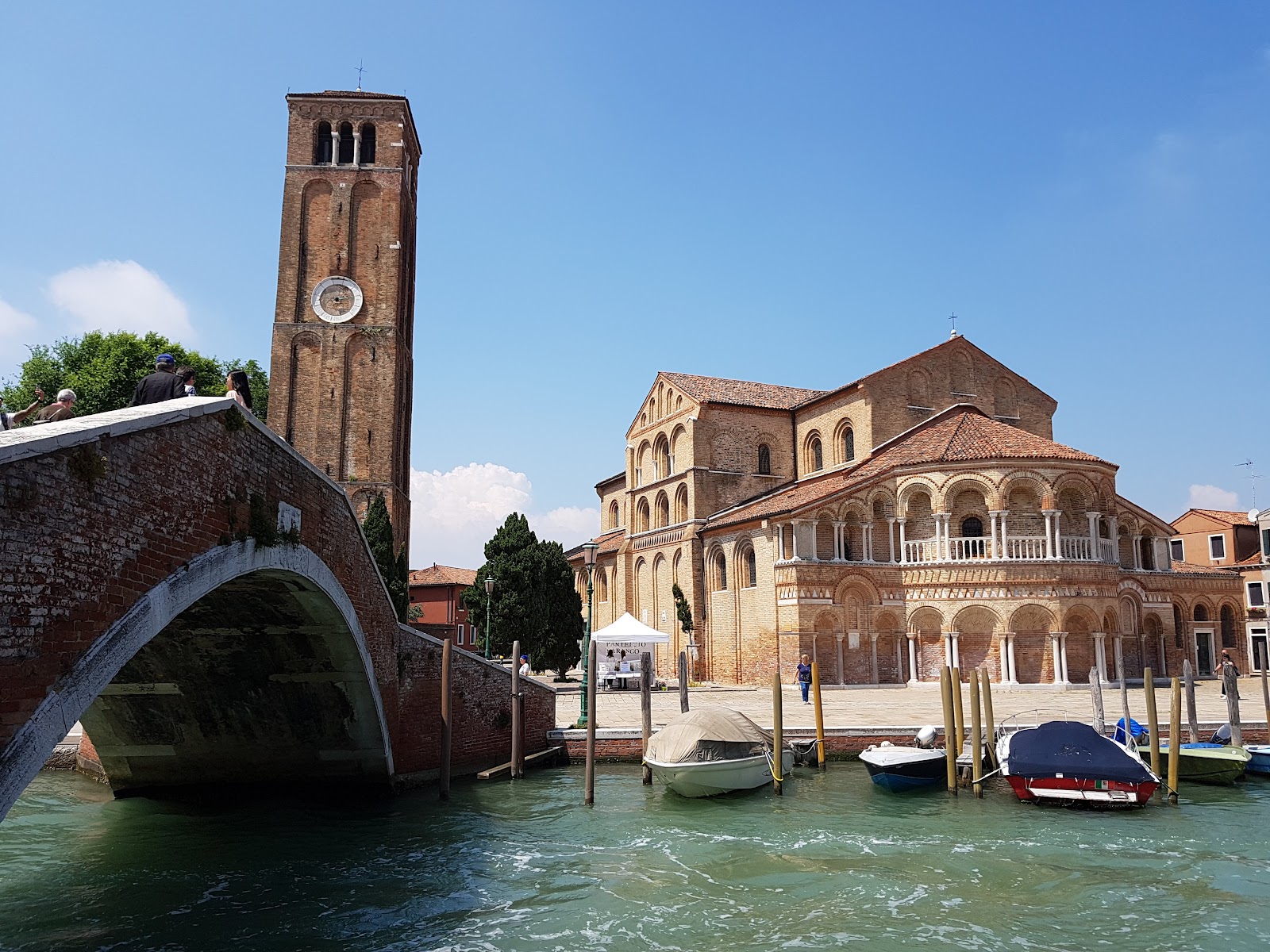
People who come back tend to head straight for the Basilica di Santa Maria e Donato before the tour groups arrive — the 12th-century mosaic floor is worth the early start alone. They also stop at the Glass Museum not for the whole collection but for one specific chandelier: 60 arms, made by Lorenzo Santi and Giovanni Fuga, hanging in the dark like a frozen argument between gravity and light.
The story behind Murano Island
Murano's story turns on a single decree. On 8 November 1291, Venice's Great Council ordered all glassmakers to relocate here, officially to reduce fire risk in the main city, but also to keep the trade's secrets contained. The move backfired as a control measure: by the 14th century, Murano's glassmakers were wearing swords, enjoying legal immunities, and marrying their daughters into Venetian noble families. In 1602 a formal Golden Book of glassmaking families was created, and by 1605 the Council of Ten had granted them the title of Cittadini di Murano — an aristocracy built on sand and silica.
The island's decline came fast after 1797, when the Venetian Republic fell and Napoleon's 1806 decree dissolved the guilds that had structured the trade for centuries. Recovery was slow. The oldest continuously active factory, Pauly & C., dates only to 1866.
Good to know
Vaporetto Line 3 runs direct from Piazzale Roma and Santa Lucia station to Murano Colonna in around 20 minutes. A single ride costs €10; a 24-hour pass (€24) makes more sense if you're island-hopping. Mid-morning on weekdays is quieter than weekends. Skip the factory tours that feel like obligatory sales pitches — the Glass Museum on Fondamenta Marco Giustinian is the better investment of an hour.
Murano is largely outdoors by nature — you walk between factories, churches, and fondamenta along open canals. Summer is warm and humid, with crowds peaking in July and August; spring and autumn give you cooler air and fewer people. Winter mornings can be raw and foggy, which suits the island's quieter character well.
Where is Murano Island?
More tickets & tours for Murano Island
Book directly at the provider
What travellers say about Murano Island
Murano offers a quieter, more composed version of the Venetian lagoon. Just a short boat ride from Venice, it feels almost immediately calmer — less crowded, slower in rhythm, and altogether more spacious. After the theatrical energy of Venice, the island comes as a relief: a place to wander rather than rush, to look rather than simply tick off. Glass shapes Murano’s identity, but not in an overly polished or predictable way. It appears everywhere, from delicate objects in boutique windows to bold, colourful sculptures.The island’s shops are particularly appealing — chic, beautifully presented, and far more pleasurable to browse than the usual souvenir-lined streets elsewhere in Venice. There is a strong sense of craft here, but also of elegance. Part of Murano’s charm lies in its ease, making it ideal for a long, unhurried afternoon. One can drift between workshops and quiet canals, pause for coffee, then settle into lunch by the water without feeling any pressure to move on. The restaurants, too, are part of the pleasure: beautiful settings, a slower pace, and that distinctly Venetian ability to turn a simple meal into an occasion. Murano may lack Venice’s grandeur, but it offers something arguably more seductive — beauty in a gentler, more restful register. @alpine.allure
Don’t skip Murano when visiting Venice. It’s only a short vaporetto ride away and a lot more calm and relaxed than other parts of the lagoon.
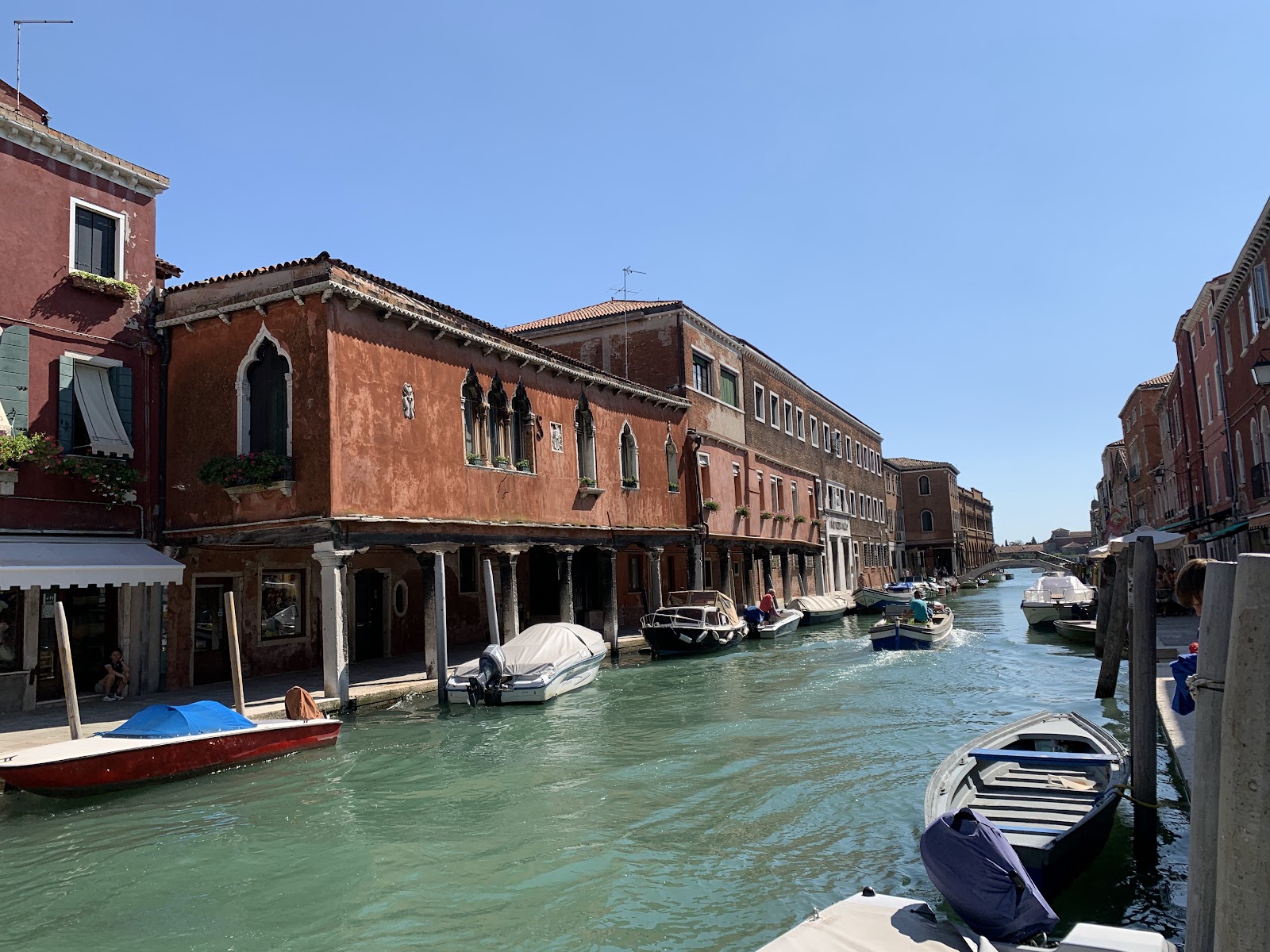
While Venice is iconic, the nearby island of Murano is an absolute masterpiece of color and light. It is world-famous for its glass-making heritage, and you can find the most exquisite mirrors and chandeliers (chandeliers) here. Walking through the streets, the vibrant purple walls and colorful houses create a dreamlike atmosphere that is just as beautiful as Venice itself. Watching the master glassblowers at work is a must-see experience. If you love art, craftsmanship, and stunning scenery, Murano is a 'glassy' paradise you cannot miss. It’s the perfect place to find a unique, authentic souvenir from Italy!"
Beautiful island, home to the world famous Murano Glass production. Many shops here dealing in the locally made goods. If you have a few days in Venice, it's worth buying a 24hr ticket at the Ferry terminal. We walked to FTE. Nove and boarded the ferry. From here you can move on to the next island of Burano. You can see the beautifully painted houses and shops here. The third island is the "Mother of Venice" Torcello and here you can visit "Devil's Bridge" and Atillas Throne. You then simply board the ferry (Line 12) but make sure it's the one back to Venice! It's a wonderful day trip and easy to do all three islands.
An island close to City centre of Venice where you can spend some time to see the glass making process, etc. Also getting there will feel like an old city, less modern, etc so it has it’s own charm.
More of Venice
Discover where to stay, what to do and the best deals for your trip.
Explore Venice →More attractions in Venice
All of Venice →
Background adapted from Wikipedia (CC BY-SA) · map data © OpenStreetMap contributors · ratings & place photos via Google · other photos with per-image credit. Ticket links may earn us a commission at no extra cost to you.