
Marbella
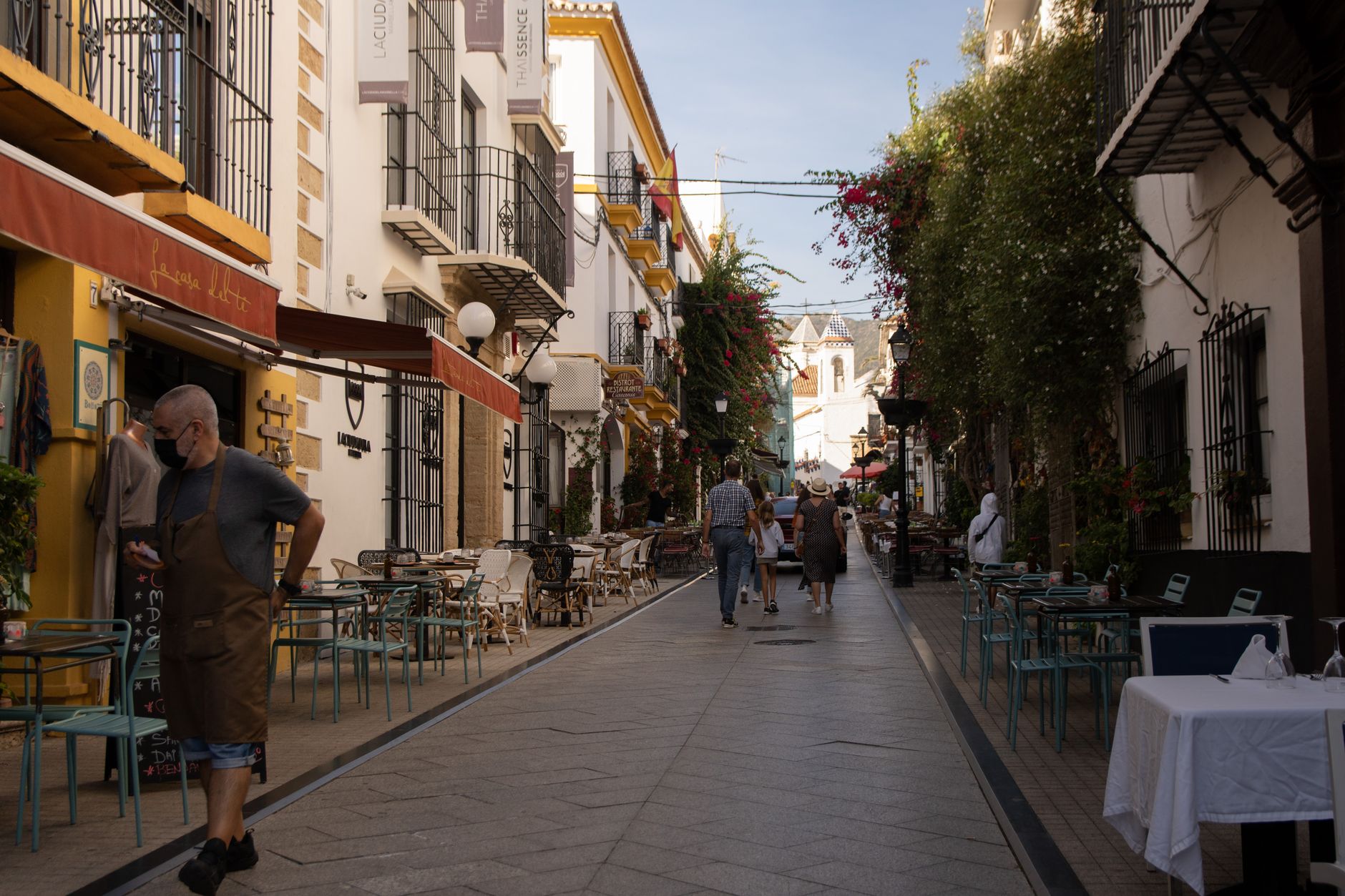
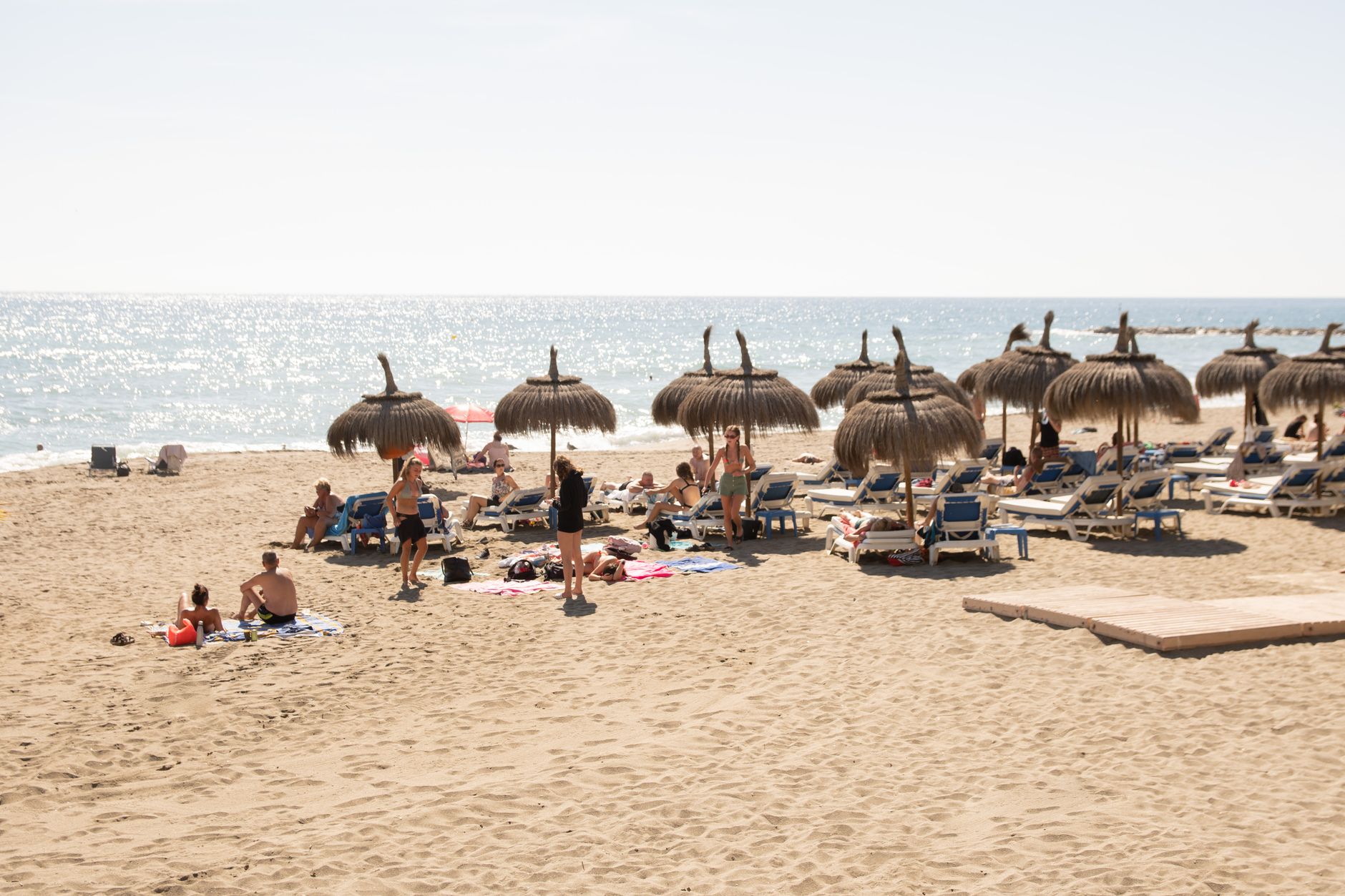
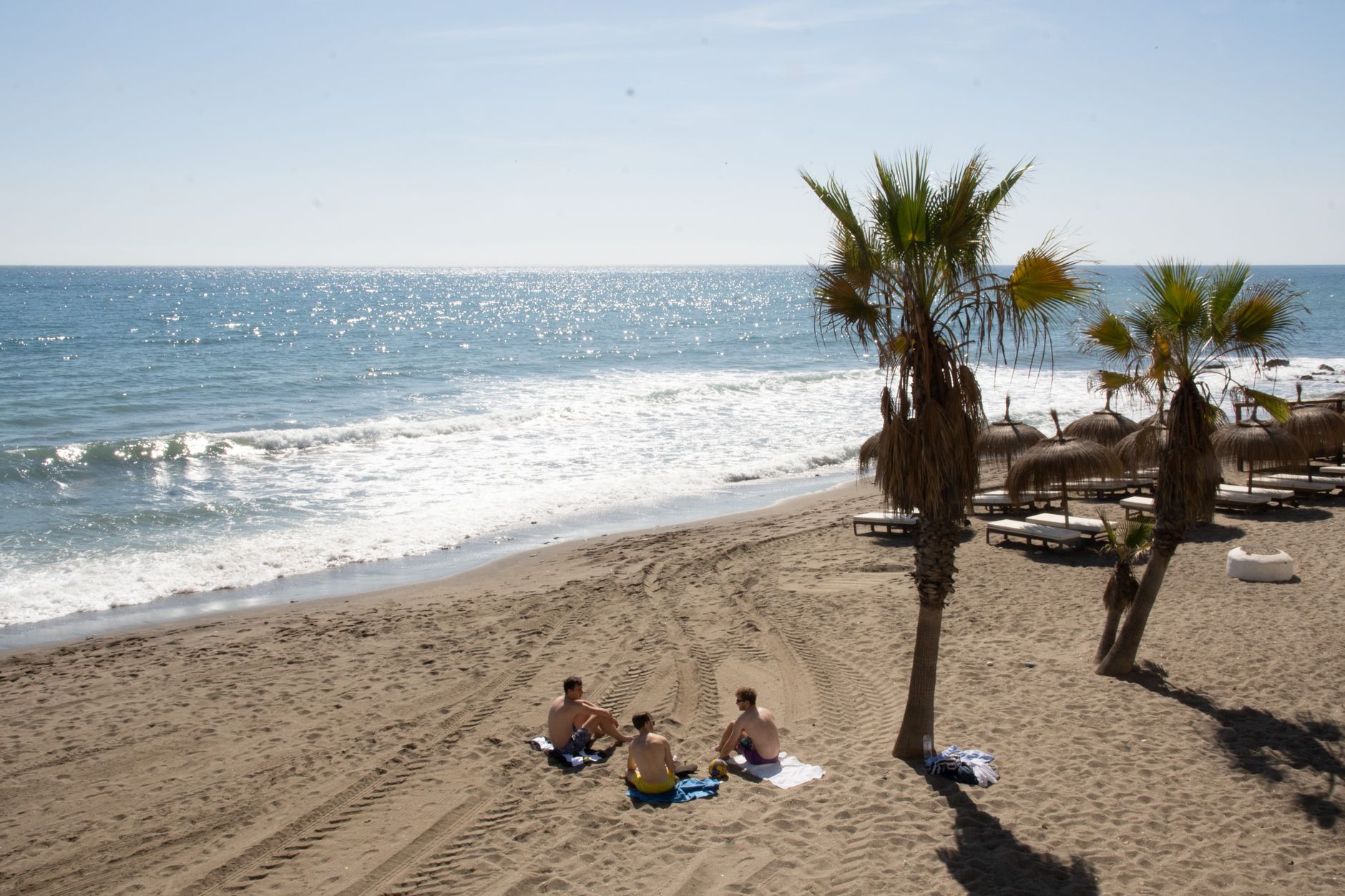
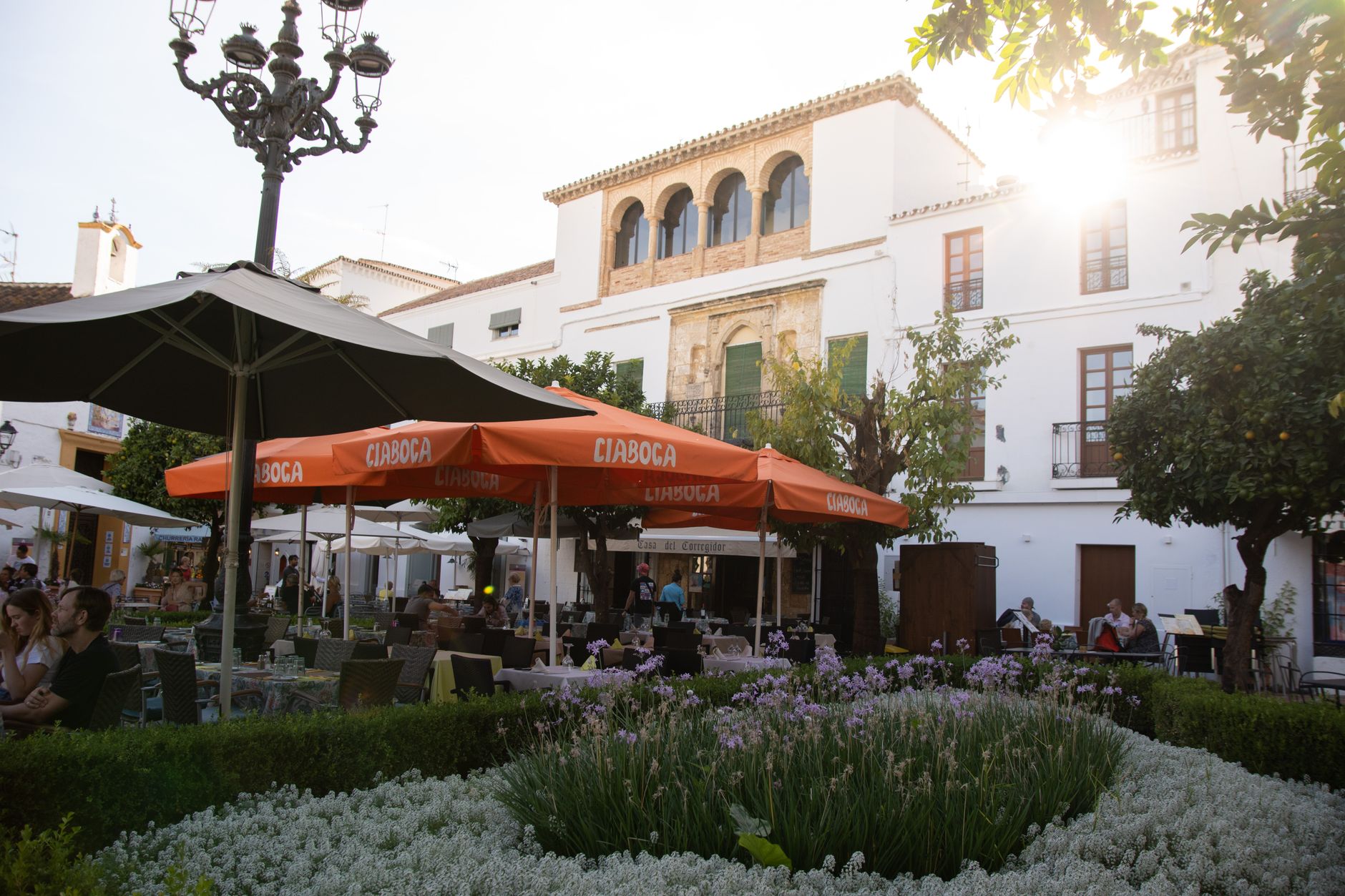
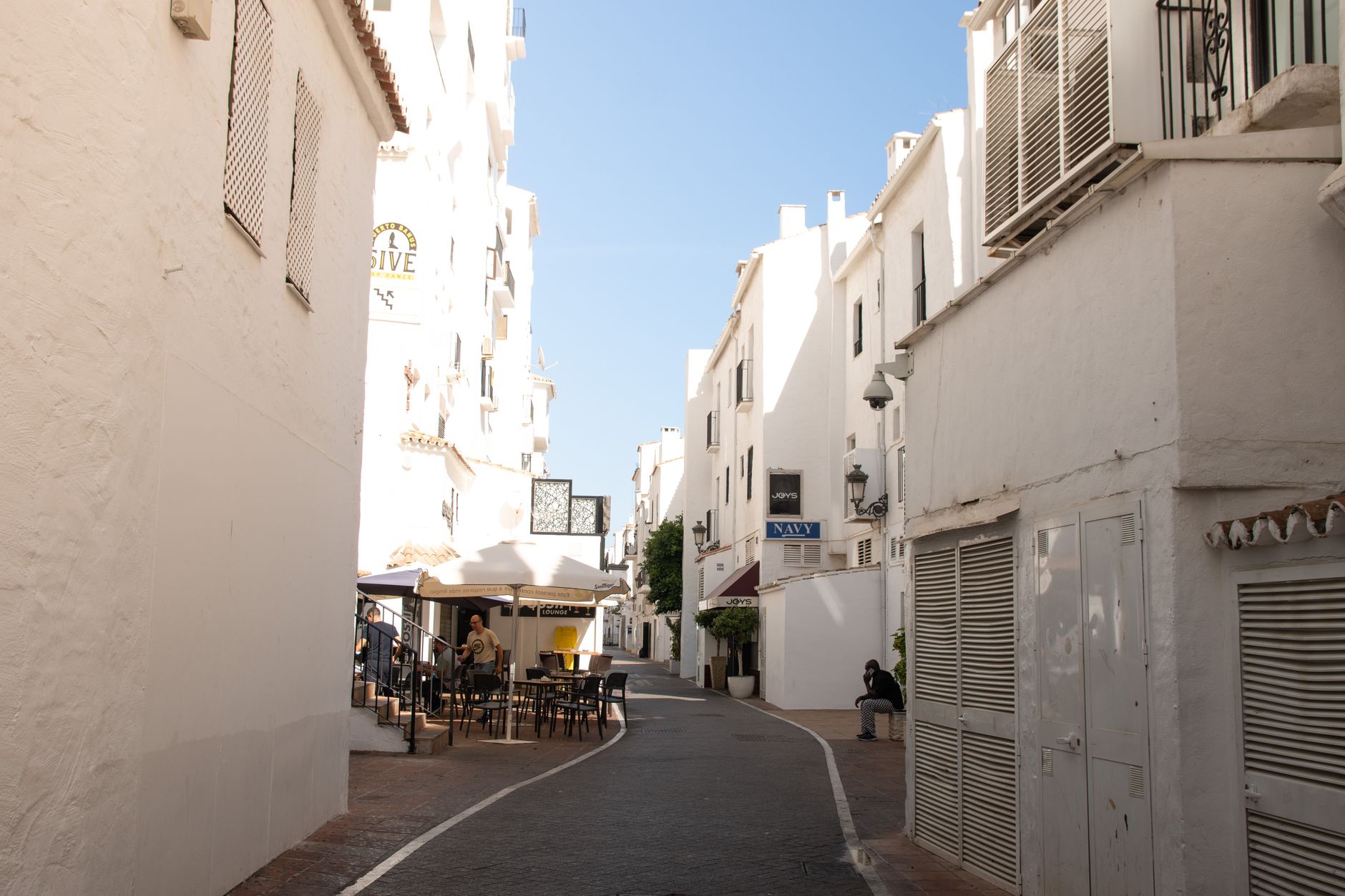
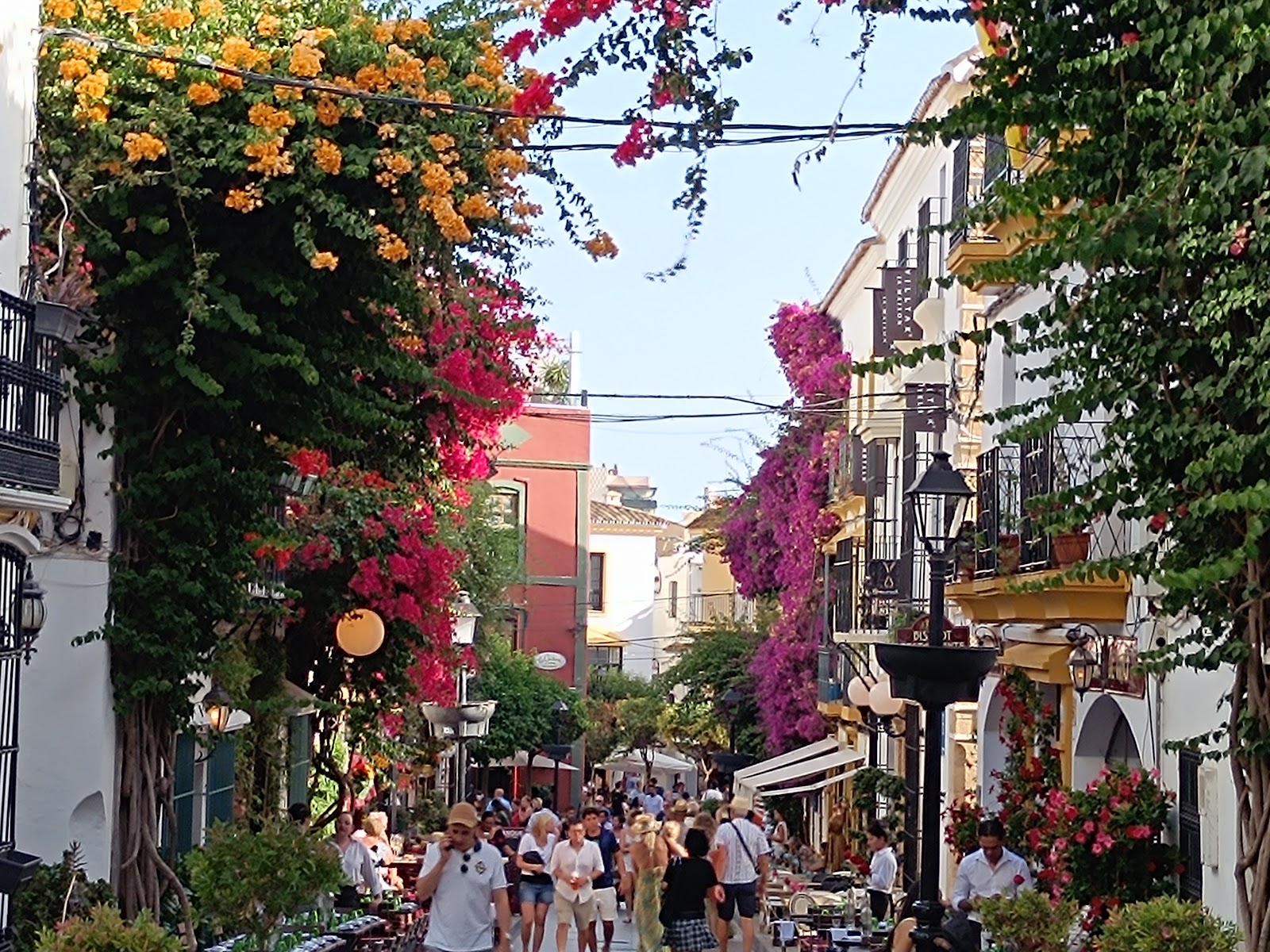
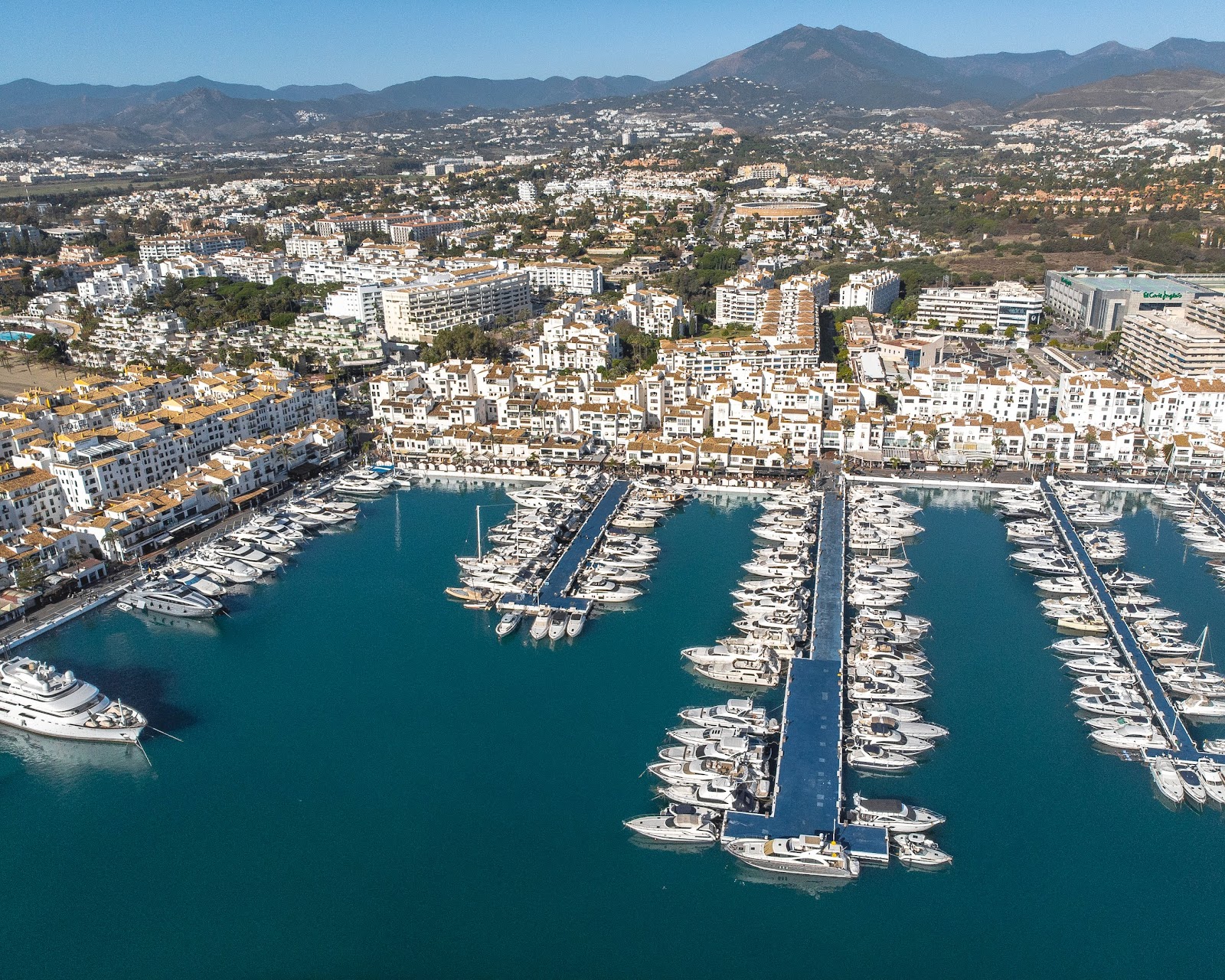
The thing most people get wrong about Marbella is assuming it's only for the yachts. Walk past the marina's white hulls and into the old town — the Casco Antiguo — and you'll find yourself in a maze of narrow lanes where orange trees grow in tiled courtyards and the pace slows to something closer to the Andalusia that surrounds it. The famous glamour is real, but it sits alongside a town with genuine Moorish bones and a working life that predates the arrival of the jet set by several centuries.
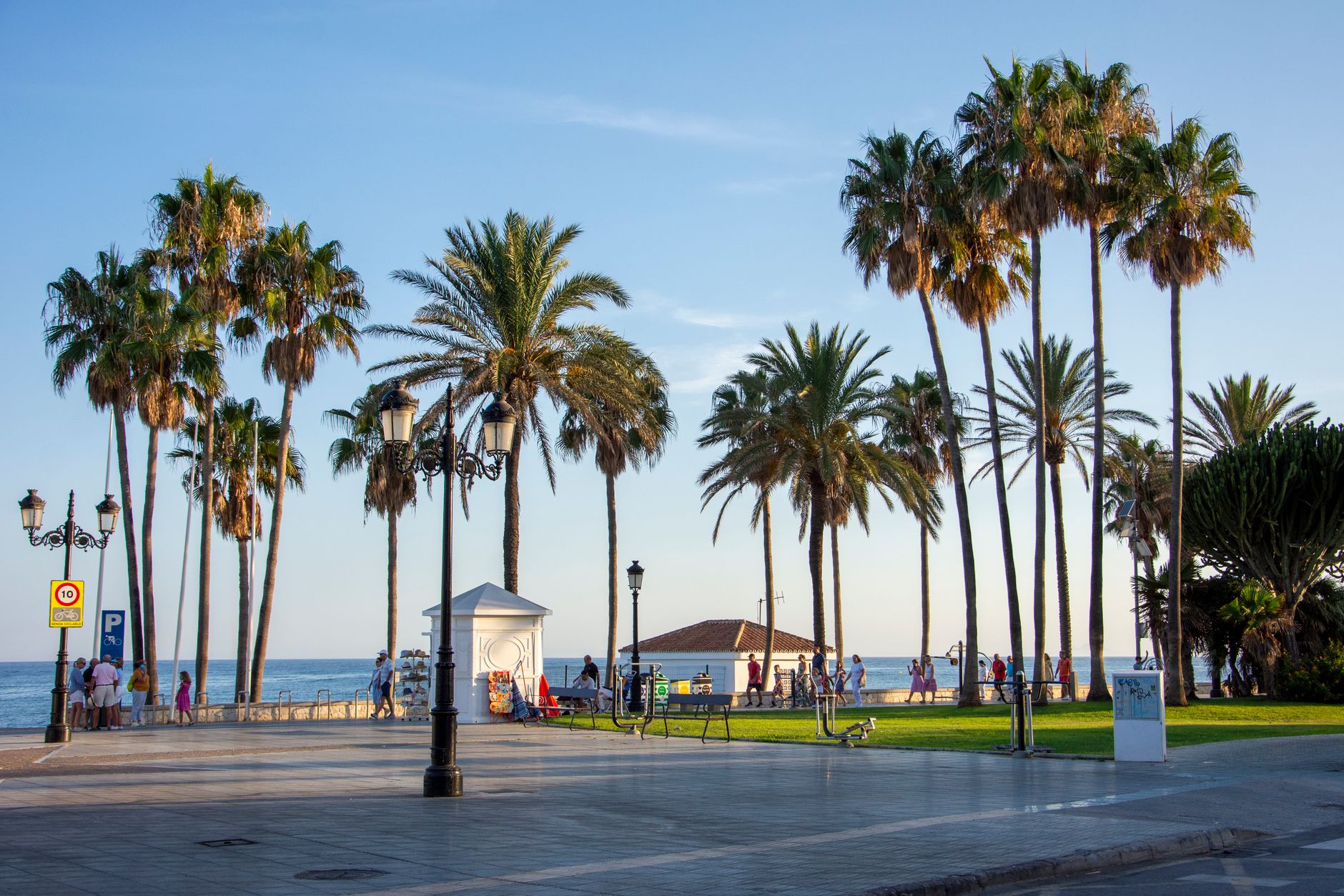
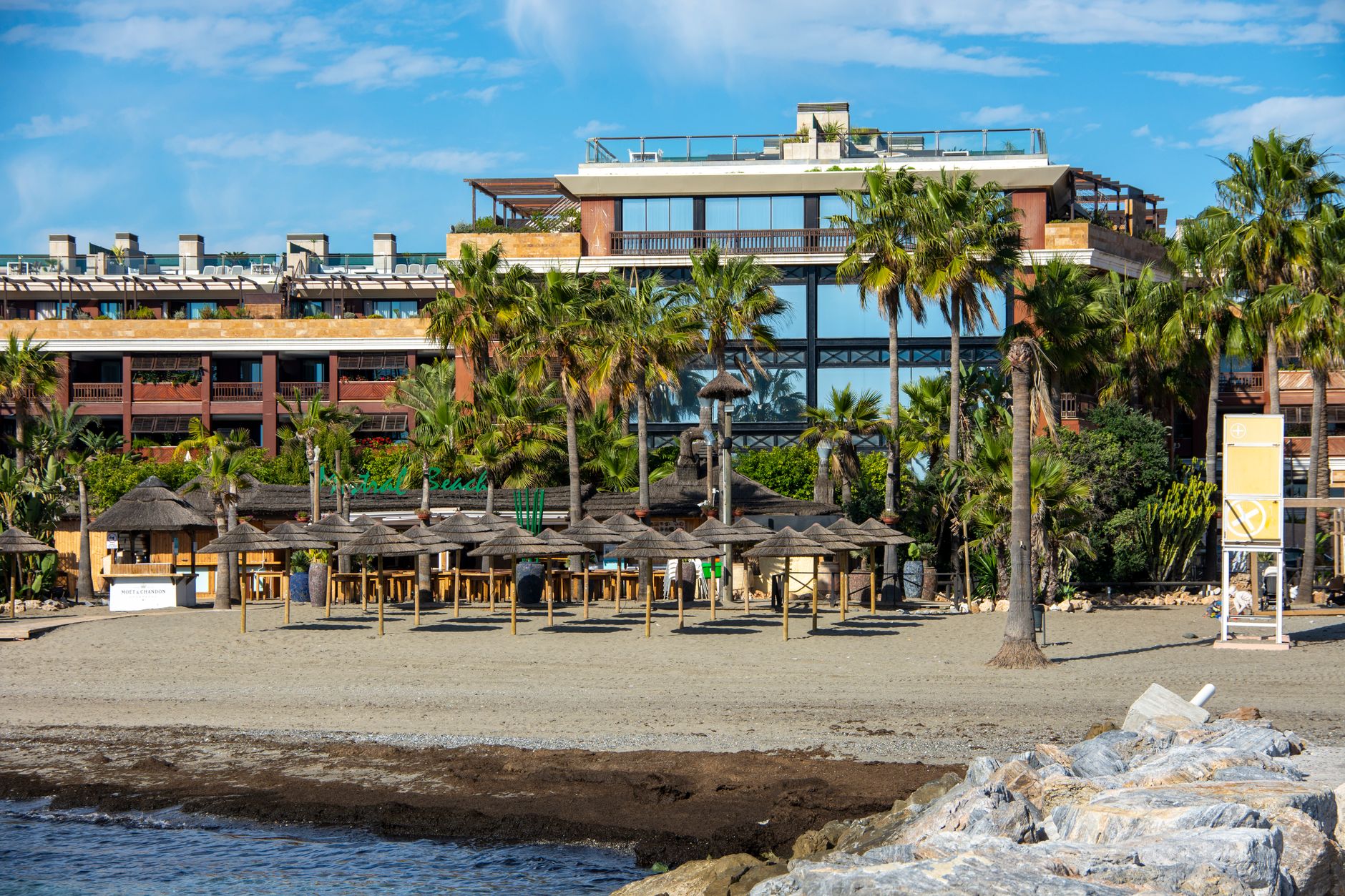
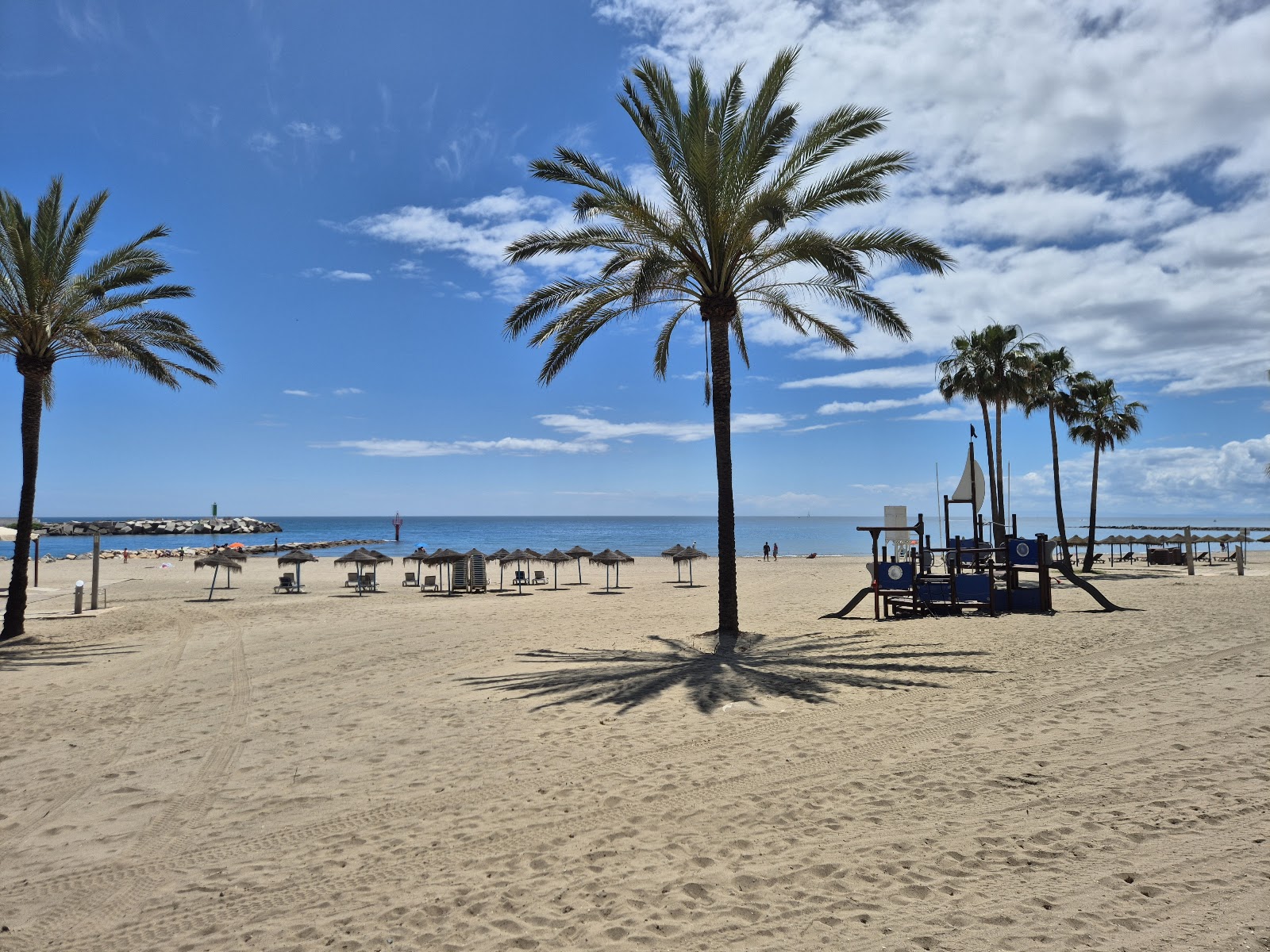
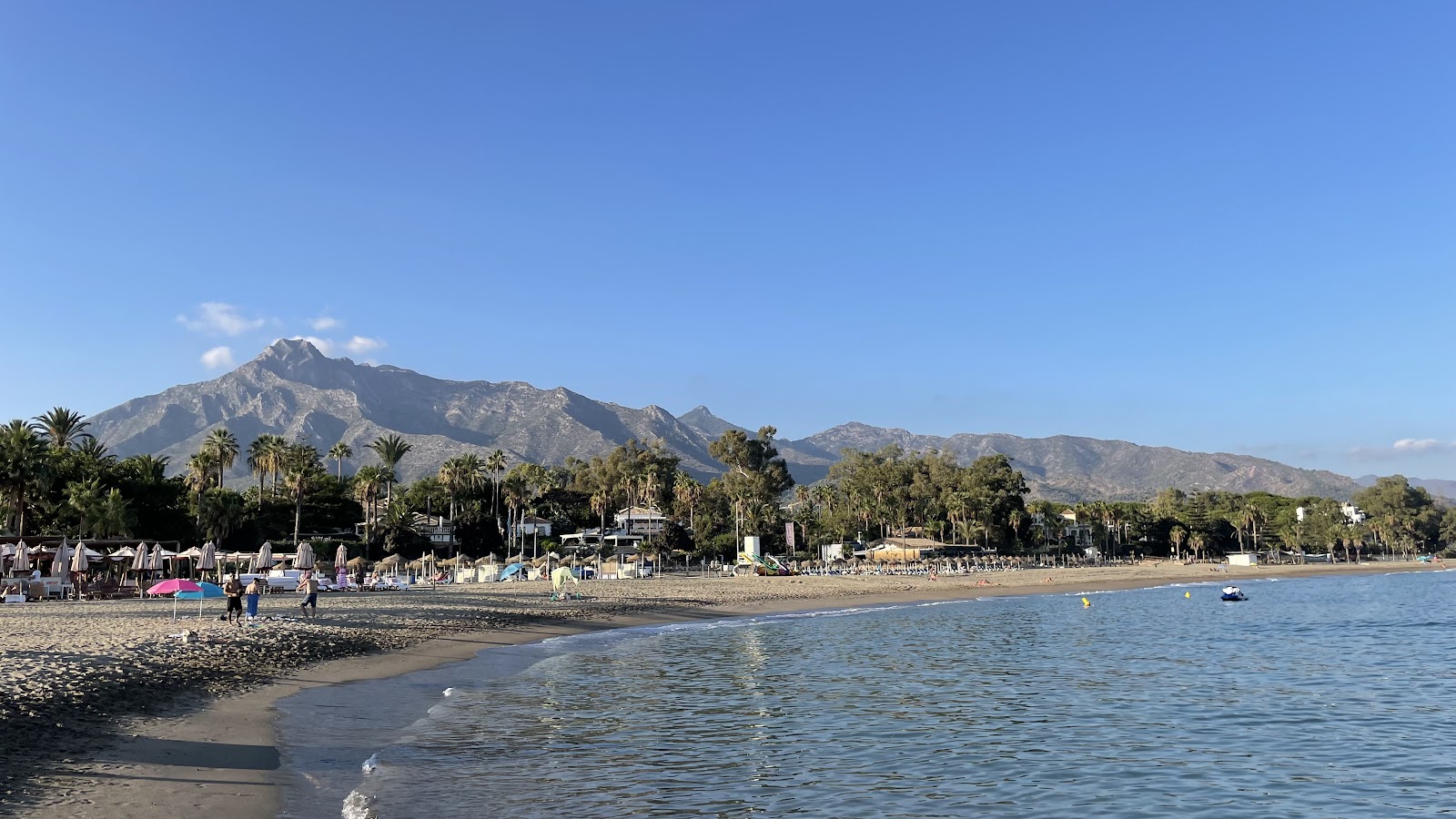
Marbella occupies the southern edge of the Iberian Peninsula, backed by the Sierra Blanca and open to the Mediterranean, which keeps the winters mild and the summers long. The Golden Mile stretching west toward Puerto Banús is one version of the city; the whitewashed Plaza de los Naranjos, shaded and quiet on a weekday morning, is another. Both are true.
💛 What travellers fall for
People who keep coming back tend to skip the beachfront restaurants entirely and find their way to the side streets just off the old town for lunch — simpler food, half the price, none of the performance. Early September is the quiet consensus: the heat has softened, the crowds have thinned, and the sea is still warm enough to swim in without thinking about it.
Deals in Marbella
Book directly at the provider

How Marbella came to be
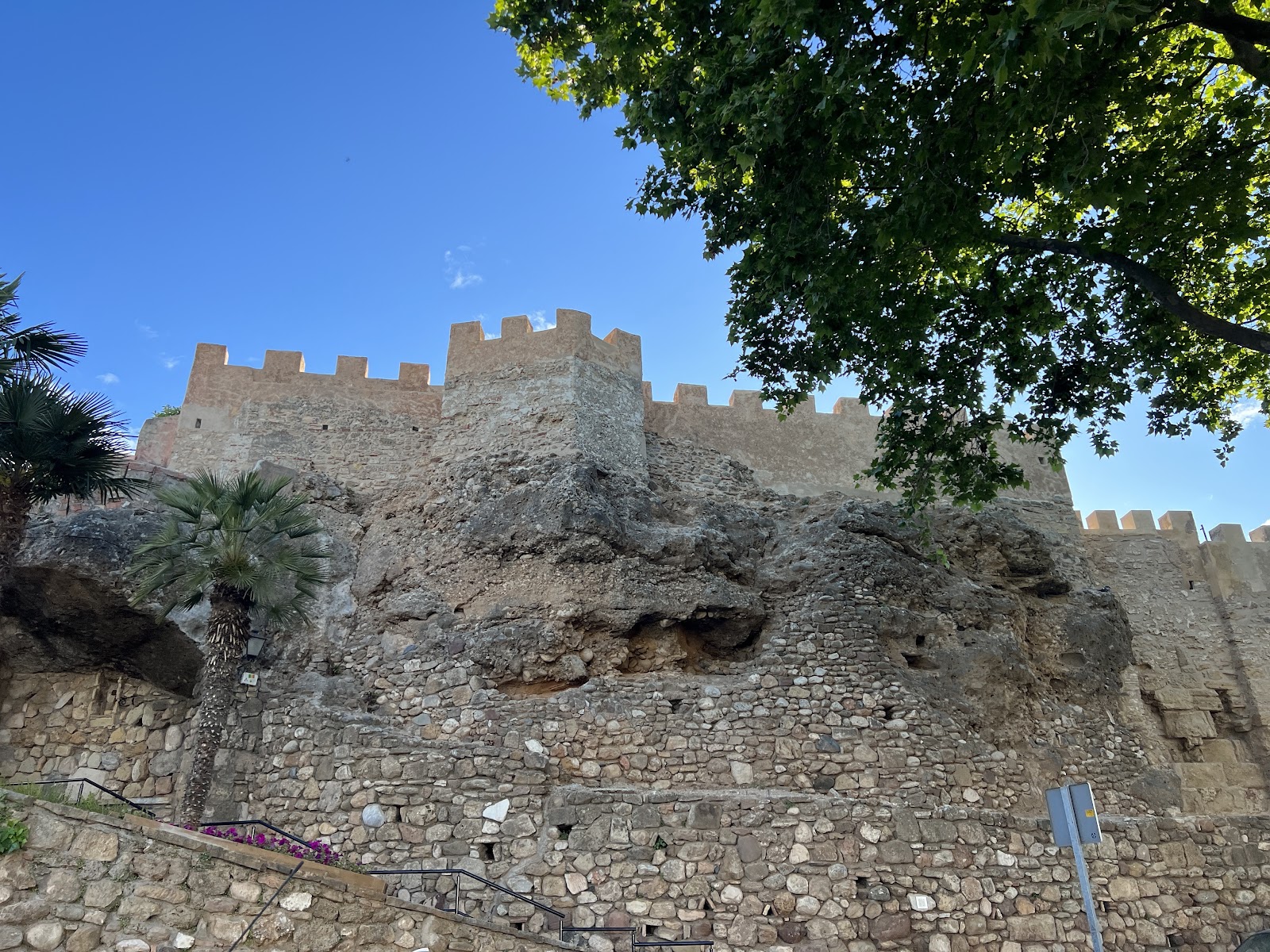
Marbella's site has been occupied since at least Phoenician times, and the Romans left traces — the remains of a Roman villa are preserved near the town centre. The name itself derives from the Arabic Marbil-la, reflecting the centuries of Moorish rule that shaped the layout of the old town. The Catholic Monarchs took the city in 1485, and it settled into a quiet agricultural existence for the next four and a half centuries.
The transformation came in 1954, when Ricardo Soriano, a Spanish aristocrat, and his nephew Alfonso de Hohenlohe-Langenburg established the Marbella Club on what was then an undeveloped stretch of coast. Hohenlohe's ability to attract European royalty, film stars and industrialists turned a small Andalusian town into a byword for a particular kind of mid-century glamour — one that subsequent decades amplified, complicated and never quite shook.
Who and what shaped it
People who shaped it
Landmark buildings
See Marbella in motion
Plan your visit
On the map
When to go
Summers run hot and dry, with July and August regularly exceeding 30°C, while winters are genuinely mild — January averages around 12°C and rarely feels harsh. Spring and early autumn offer the most comfortable conditions for walking the old town and being outside for most of the day.
Right now
↡ Attractions

Background & history adapted from Wikipedia (CC BY-SA) · specs from Wikidata (CC0) · weather from Open-Meteo · map data © OpenStreetMap contributors · photos from Wikimedia Commons / Unsplash with per-image credit. No third-party reviews or social posts reproduced.