
Castillo de Marbella
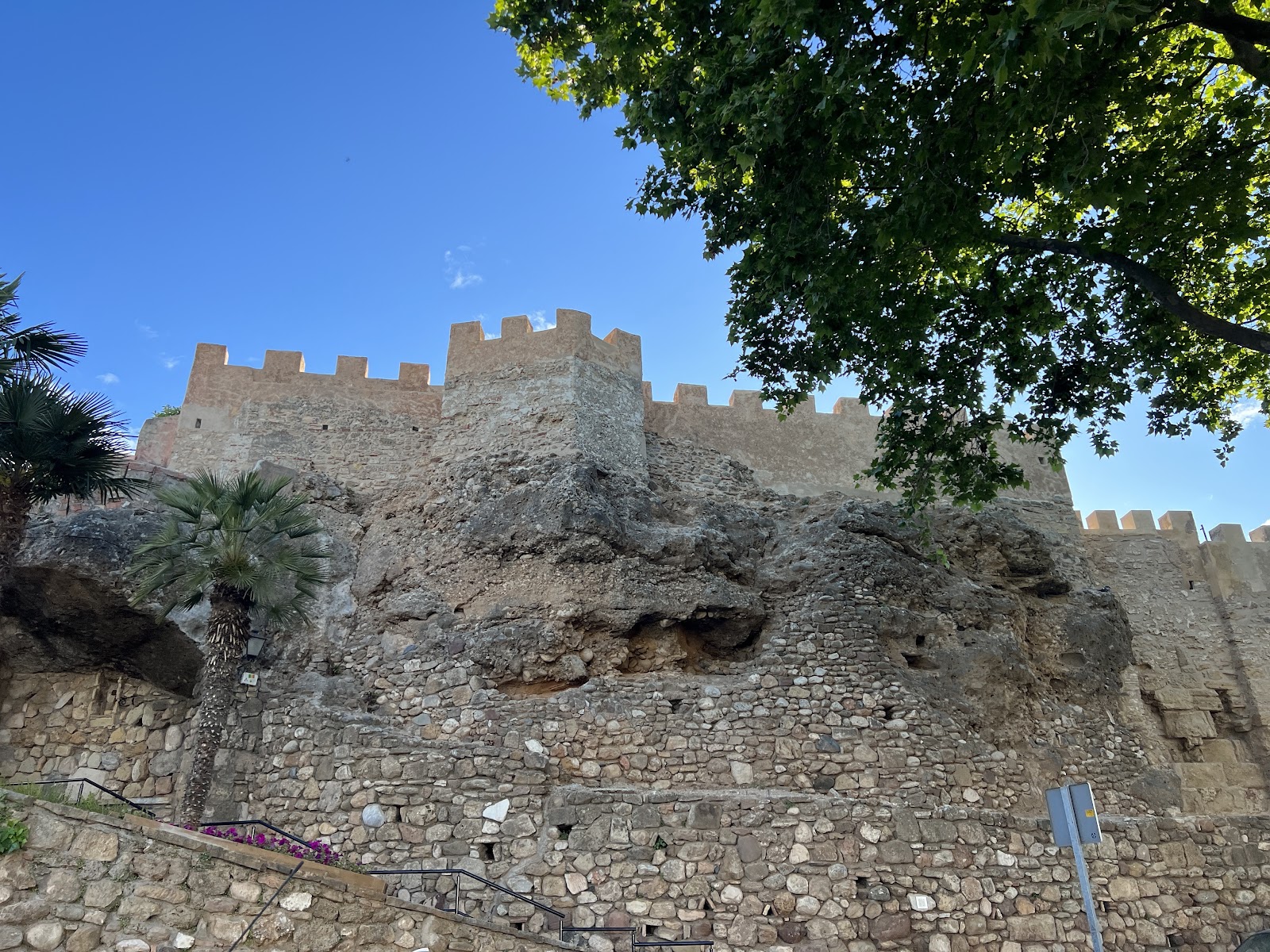
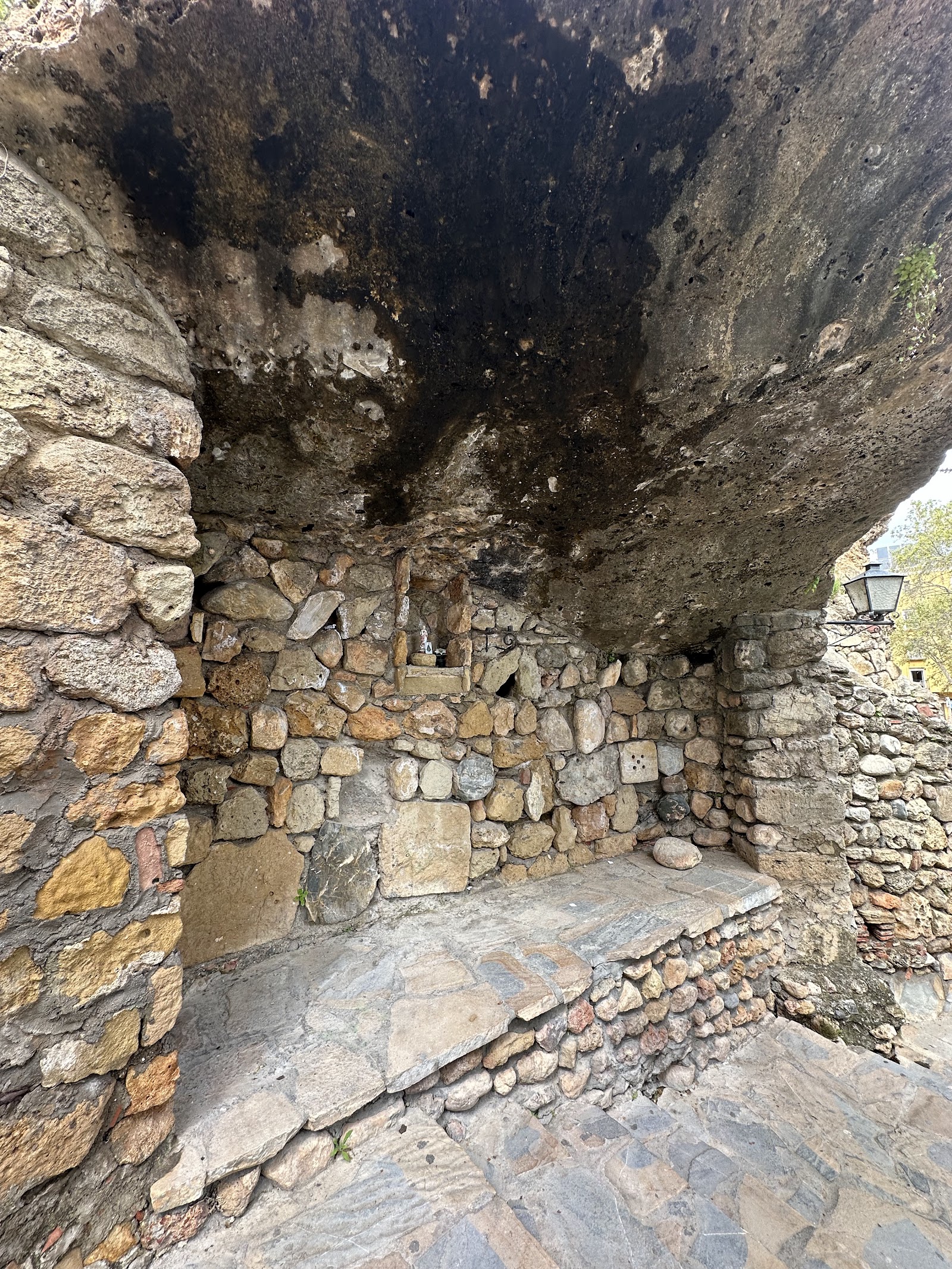
The Polvora Tower still stands at the edge of Marbella's old quarter, its lower stones Roman, its Ionic capitals lifted from some earlier, unnamed building — a kind of accidental archaeology in plain sight. The castle they once anchored is mostly gone, but the walls survive in long runs of stone, brick and rammed earth, six metres high and a metre and a half thick, threading through the tight cobblestone lanes like a spine the city grew around.
This is exterior-only territory. You walk the perimeter, read the information board, and let the scale of the thing register — twenty towers once, three gates, a full Moorish citadel that served as the political centre of a medieval city surrounded by fig orchards and silk mulberry groves.
💛 What travellers fall for
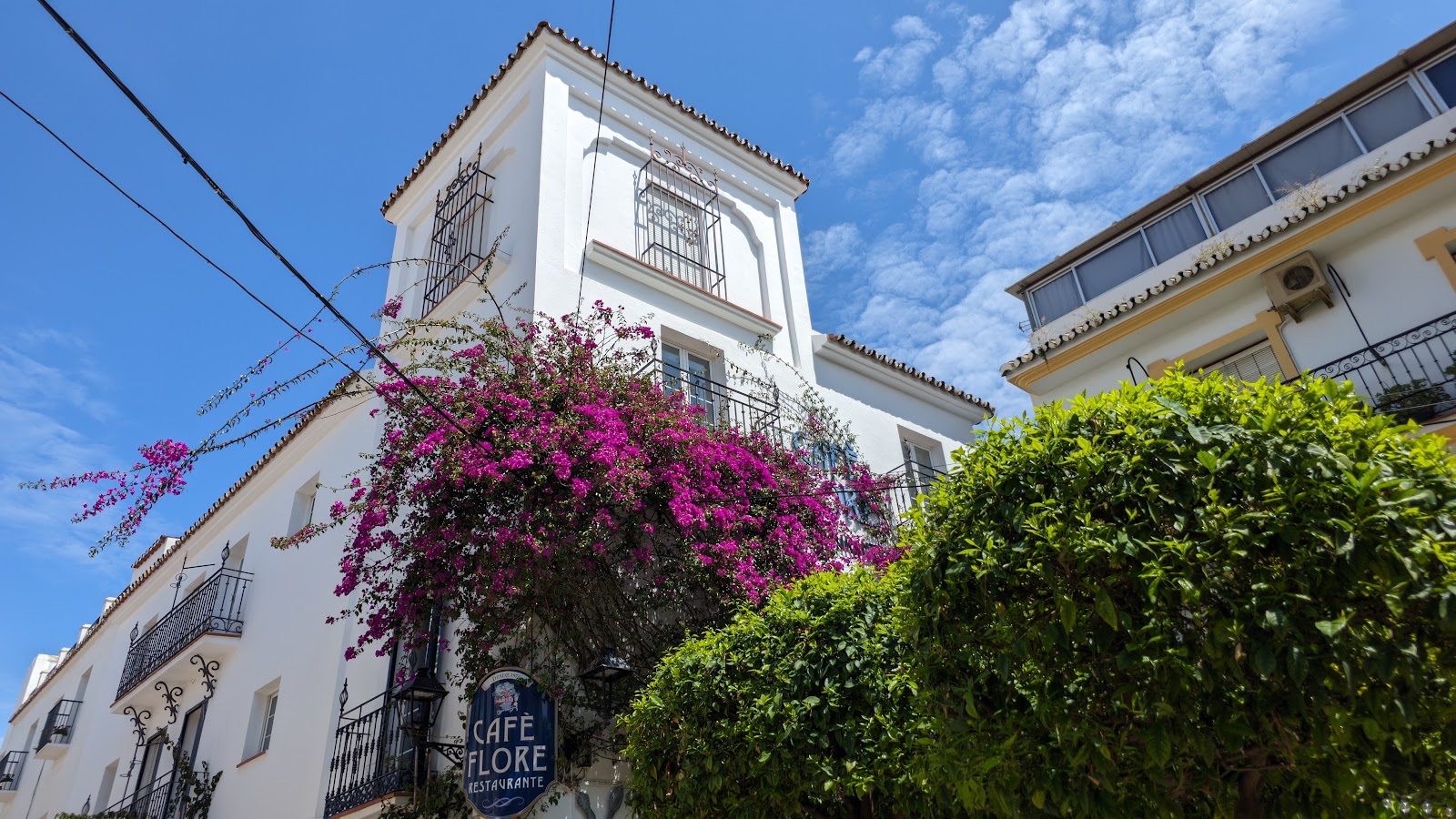
People who've done the circuit more than once tend to start at Calle Carmen, climb the stairs to Plaza de San Bernabé, then follow Calle Castillo and Calle Barbacana before finishing at Calle Portada. The loop takes twenty minutes unhurried, and the streets along it look much as they did in the sixteenth century — narrow, whitewashed, with geraniums on the balconies.
The story behind Castillo de Marbella
The Caliphate of Córdoba raised this citadel in the ninth or early tenth century, folding it into the wider reorganisation of Andalusian territory under Omeyan rule. The complex — known as the Alcazaba — included a mosque, defensive walls and at least twenty towers, and functioned as the administrative heart of the city. Its builders recycled Roman stone from an earlier settlement, possibly Salduba, which is why Ionic capitals turn up in walls that are otherwise Moorish in character.
In 1286, the Treaty of Marbella was signed here, ending a period of dispute between the Marinid and Nasrid dynasties. In 1485, during the Christian Reconquista, the castle passed to the Catholic monarchs without a fight. The walls were modified for artillery in the fifteenth century, and in 1786 King Carlos III ordered the demolition of Spain's city walls — yet portions here survived. The site was declared a Heritage Site of Cultural Interest in 1949.
Good to know
No entry fee, no interior access — the castle is ruins and closed for safety reasons. Allow fifteen to twenty minutes for the exterior circuit. Bus route 1 stops at Barbacana, a short walk away. Parking is available on Av. Dr. Maíz Viñals. Spring and autumn keep the heat and the crowds manageable.
Marbella's summers are hot and dry, which makes the shaded lanes around the walls a relief but the open stretches uncomfortable at midday in July and August. April through June and September through October offer the most comfortable conditions for a slow circuit of the exterior.
Where is Castillo de Marbella?
More tickets & tours for Castillo de Marbella
Book directly at the provider
What travellers say about Castillo de Marbella
The view of the Castle accompanied me every morning and before falling asleep, and those were good days, hence the sentiment. It's closed to visitors, but it still rises majestically and is an icon of the old town.
The castle and its walls take up a big chunk of the old town, its is lovely walking the tight cobblestone streets following/walk the circumference of the walls, definitely a must when visiting the old town.
Castle dates back to the 10th century. There is no possibility to go inside. You can spend here just a few minutes going around. There are nice pink trees in the area
The Castillo de Marbella, also known as the Marbella Castle, is a historical fortress located in the heart of Marbella, Spain. It dates back to the 10th and 11th centuries during the Muslim rule of the region and was built as part of the town’s defensive structure. Today, the castle remains an important cultural landmark, though much of it is in ruins, with sections of the original walls and towers still visible. Visitors often enjoy strolling through the old town, where the castle is located, to get a glimpse of Marbella’s rich history amidst modern developments but it’s not possible to enter
Just some remains of a castle. If you in old town, worth looking at :)
More of Marbella
Discover where to stay, what to do and the best deals for your trip.
Explore Marbella →More attractions in Marbella
All of Marbella →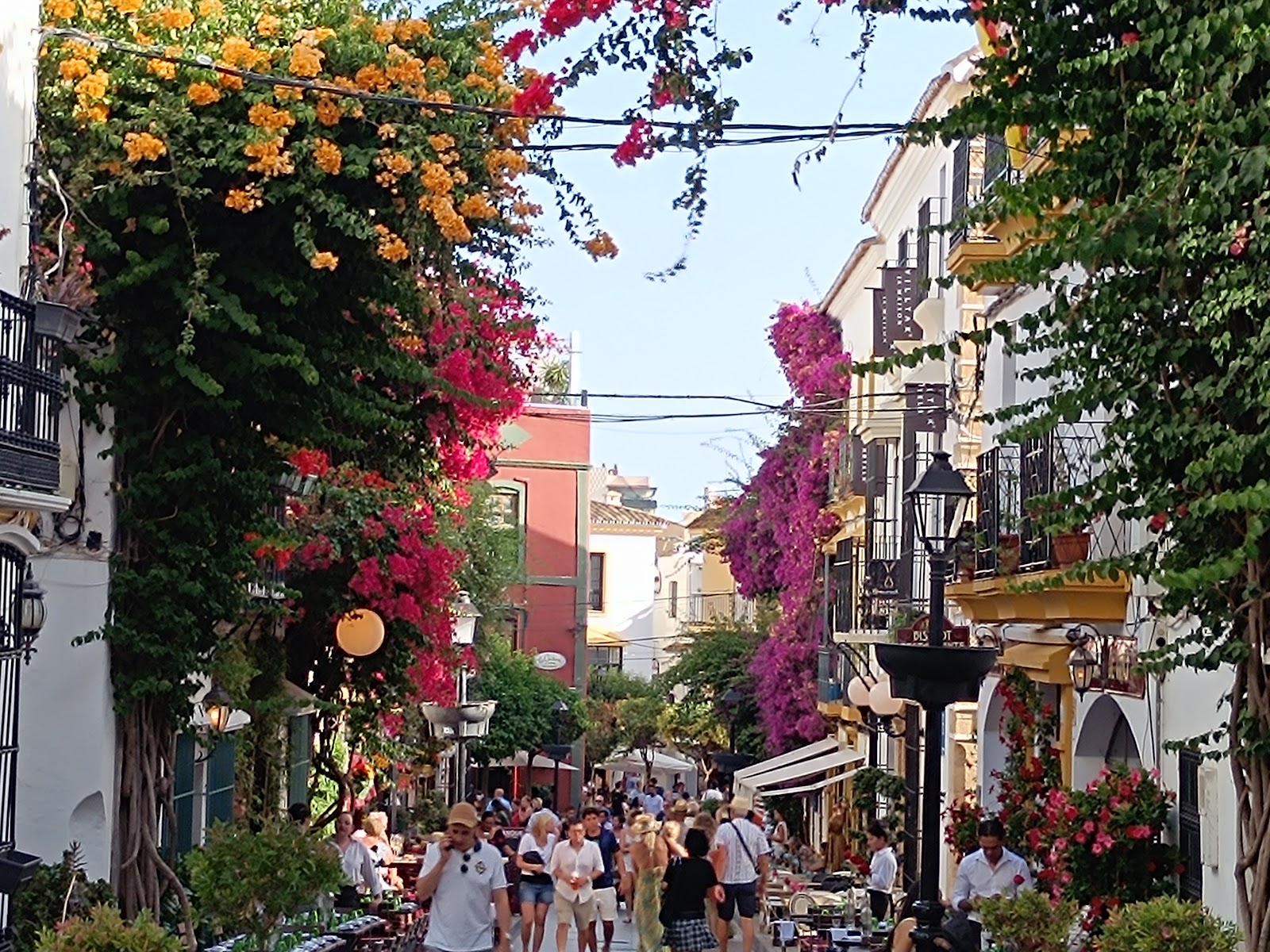
Background adapted from Wikipedia (CC BY-SA) · map data © OpenStreetMap contributors · ratings & place photos via Google · other photos with per-image credit. Ticket links may earn us a commission at no extra cost to you.