
Casco Antiguo de Marbella (Old Town)
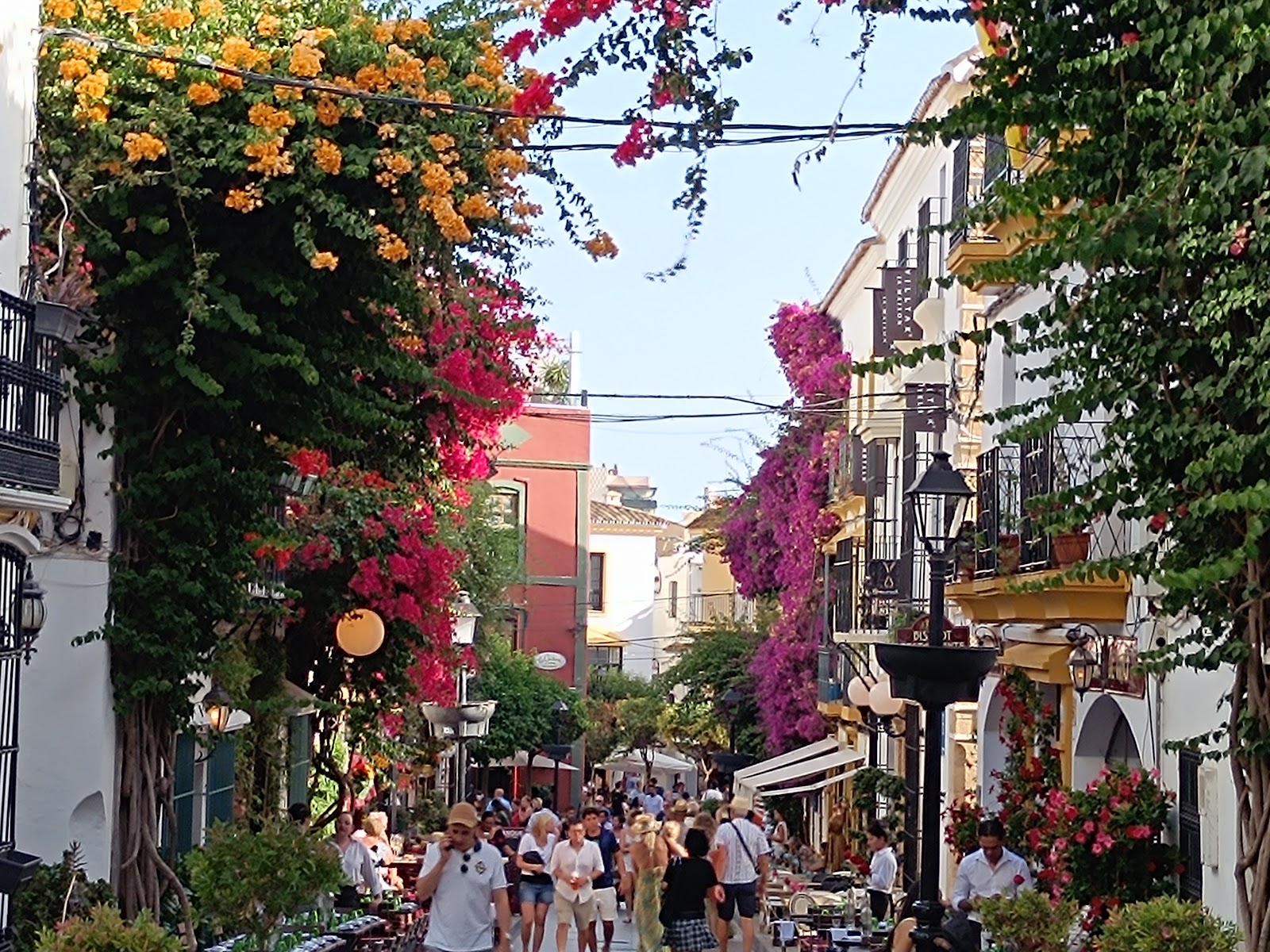
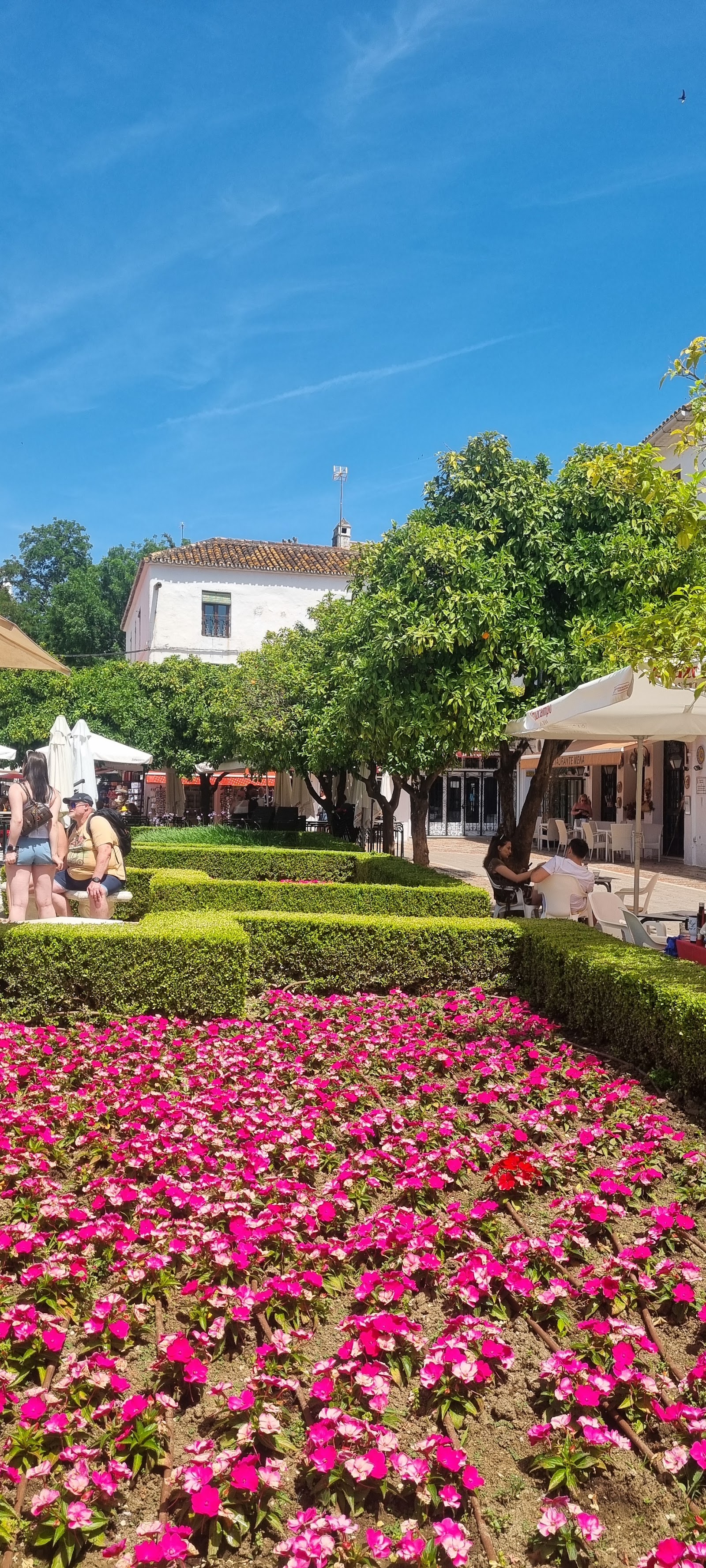
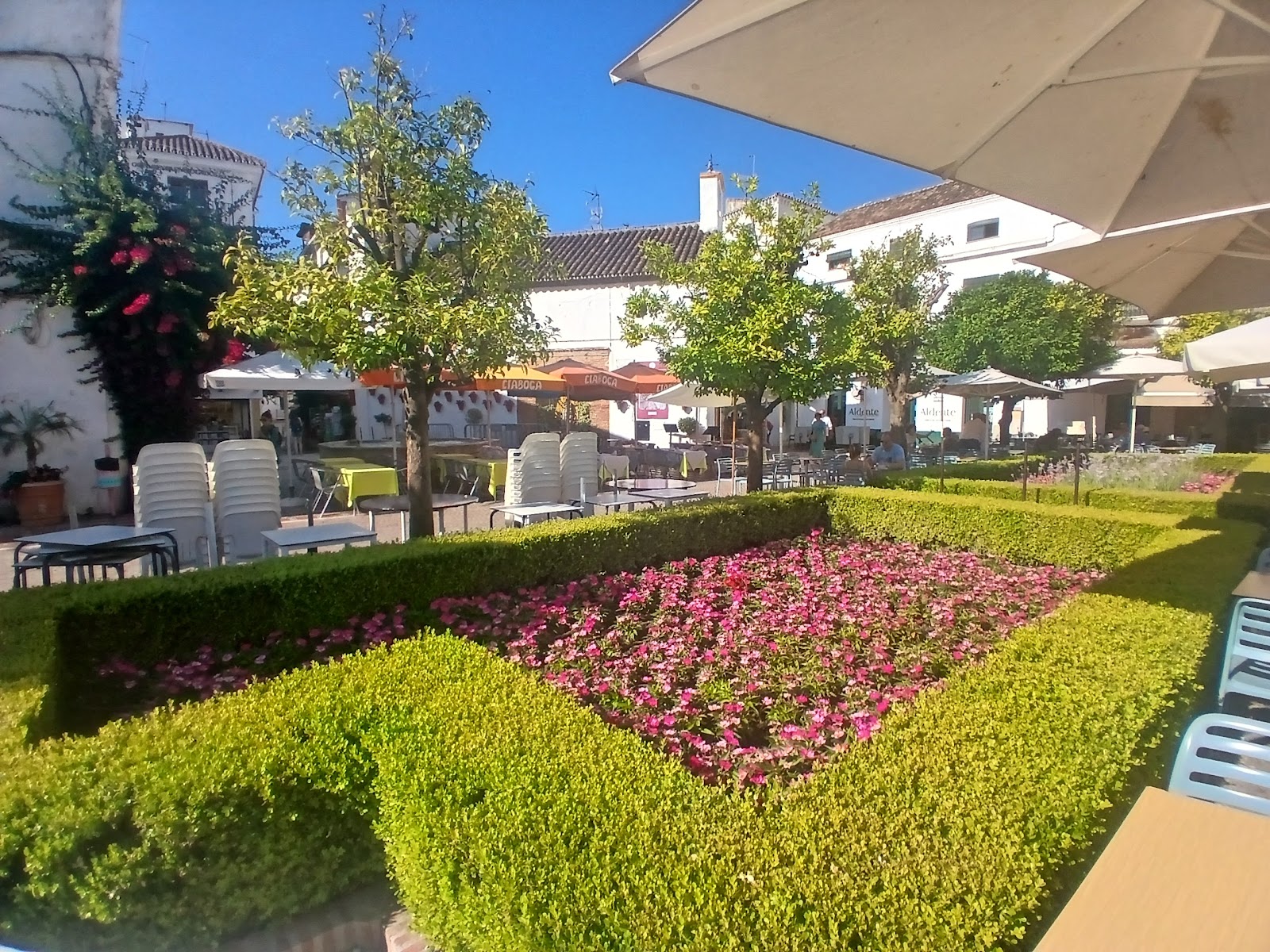
The orange trees in Plaza de los Naranjos were planted in 1485, the year Ferdinand and Isabella's forces took the town, and they're still there — low, gnarled, dropping fruit onto the stone in winter. The square they shade is the gravitational centre of Casco Antiguo: a Renaissance town hall on one side, a 16th-century governor's house on another, a fountain built by the first Christian mayor in 1504.
Forty-four narrow streets radiate outward from here, most of them too tight for anything but foot traffic. The old town is small enough to cover in two hours, dense enough that you'll keep doubling back past something you missed.
💛 What travellers fall for
People who return tend to come back for the Ermita de Santiago — easy to walk past, but it's the oldest Christian church in town, 15th century, and still carries traces of Islamic tilework inside. The Casa Consistorial is worth the look-up: the upper floor has a Mudéjar carved ceiling and murals from 1572 that most visitors never register.
The story behind Casco Antiguo de Marbella (Old Town)
The settlement has Roman traces, but the Casco Antiguo's bones are largely medieval. A Muslim community took root here around the mid-10th century, building a castle in the 11th century using stones salvaged from earlier Roman structures — three Ionic capitals are still embedded in its walls. The town remained under Moorish rule until 1485, when the Catholic Monarchs captured it and immediately laid out Plaza de los Naranjos on the cleared ground.
What followed was a steady layering of Christian architecture over Islamic foundations. The Iglesia de la Encarnación rose on the site of the main mosque; its 18th-century rococo facade in yellow stone faces a Gothic-Renaissance-Baroque interior. The town hall went up in 1568, its upper floor given a Mudéjar ceiling that no one thought to remove. By the 17th century, Marbella had already begun spilling beyond its walls.
Good to know
The streets are free and open around the clock. Drive in only if you must — Parking Alameda and Parking Mercado are the closest options, though spaces disappear fast in summer. October through March is noticeably quieter. Two hours covers it comfortably; add more if you plan to sit at the square.
Summer days run hot and dry — July rarely sees rain and temperatures sit in the high 20s Celsius — which makes the shaded streets of the old town a relief, though the crowds are at their peak. From October onward the air cools, the square empties out, and November brings occasional rain; January mornings can be genuinely cold, around 9°C.
Where is Casco Antiguo de Marbella (Old Town)?
More tickets & tours for Casco Antiguo de Marbella (Old Town)
Book directly at the provider
What travellers say about Casco Antiguo de Marbella (Old Town)
Hello please dm me we want to book it
Beautiful place to visit early in the morning or in the afternoon
Precioso, pequeñas calles blancas muy bien decoradas, llenas de flores, caminos muy pintorescos.
Visiting time: mid-April 2026. The old town of Marbella is the authentic heart of the city, which immediately delighted us. This labyrinth of narrow cobbled streets and white facades decorated with bright bougainvillea seems so inviting. In contrast to the modern part of the city, here you will find historic squares, remains of Moorish walls and more. Key points not to be missed: Orange Square, Town Hall, Church of Our Lady of the Incarnation, Moorish Walls, Calle Carmen, etc.
A beautiful promenade with food courts and plenty of shops. Its picturesque facades and flowers make you forget the modern city. A must-see destination in Marbella, perfect for enjoying both daytime and evening strolls.
More of Marbella
Discover where to stay, what to do and the best deals for your trip.
Explore Marbella →More attractions in Marbella
All of Marbella →

Background adapted from Wikipedia (CC BY-SA) · map data © OpenStreetMap contributors · ratings & place photos via Google · other photos with per-image credit. Ticket links may earn us a commission at no extra cost to you.