
Playa de Nagüeles
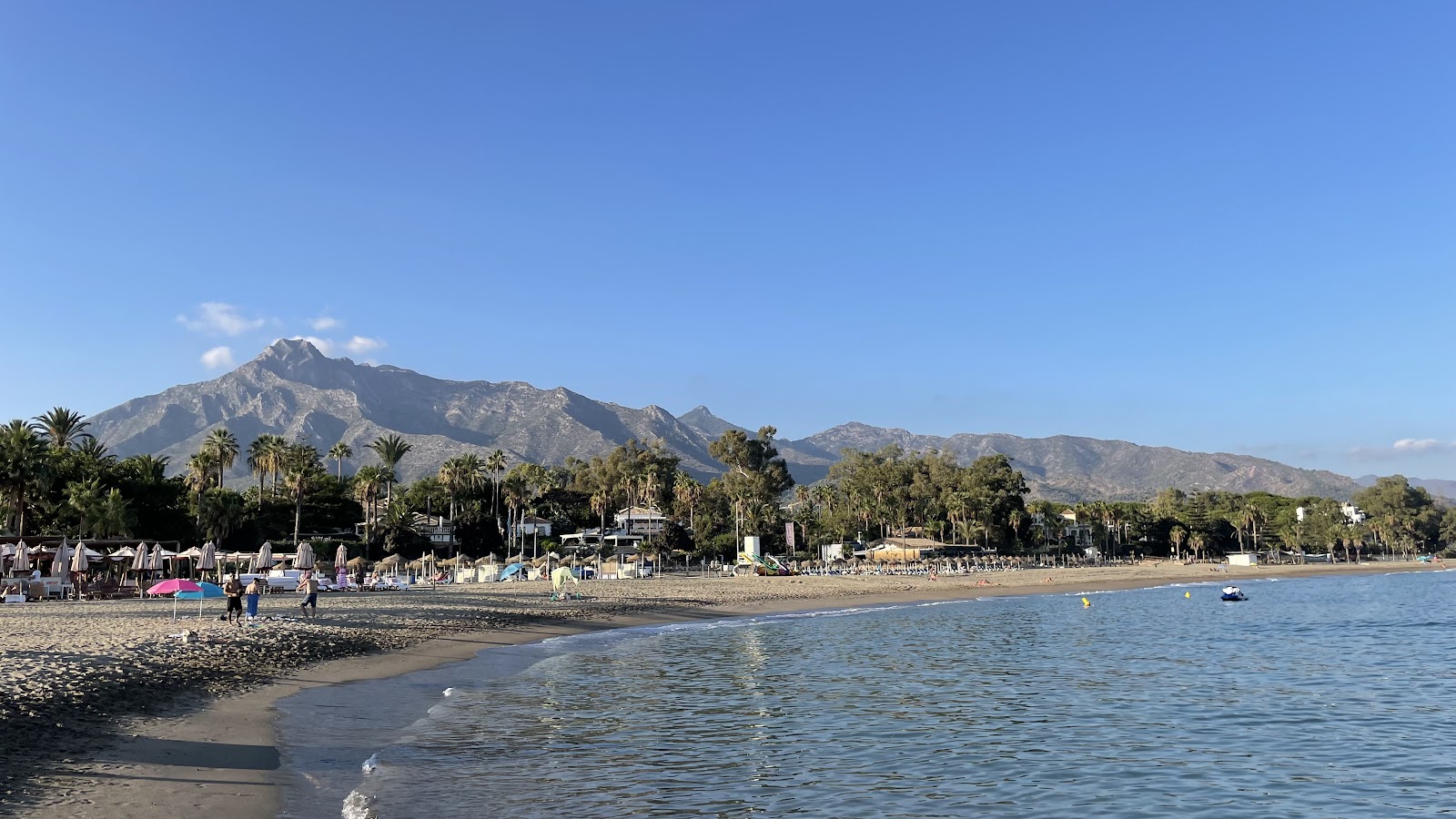
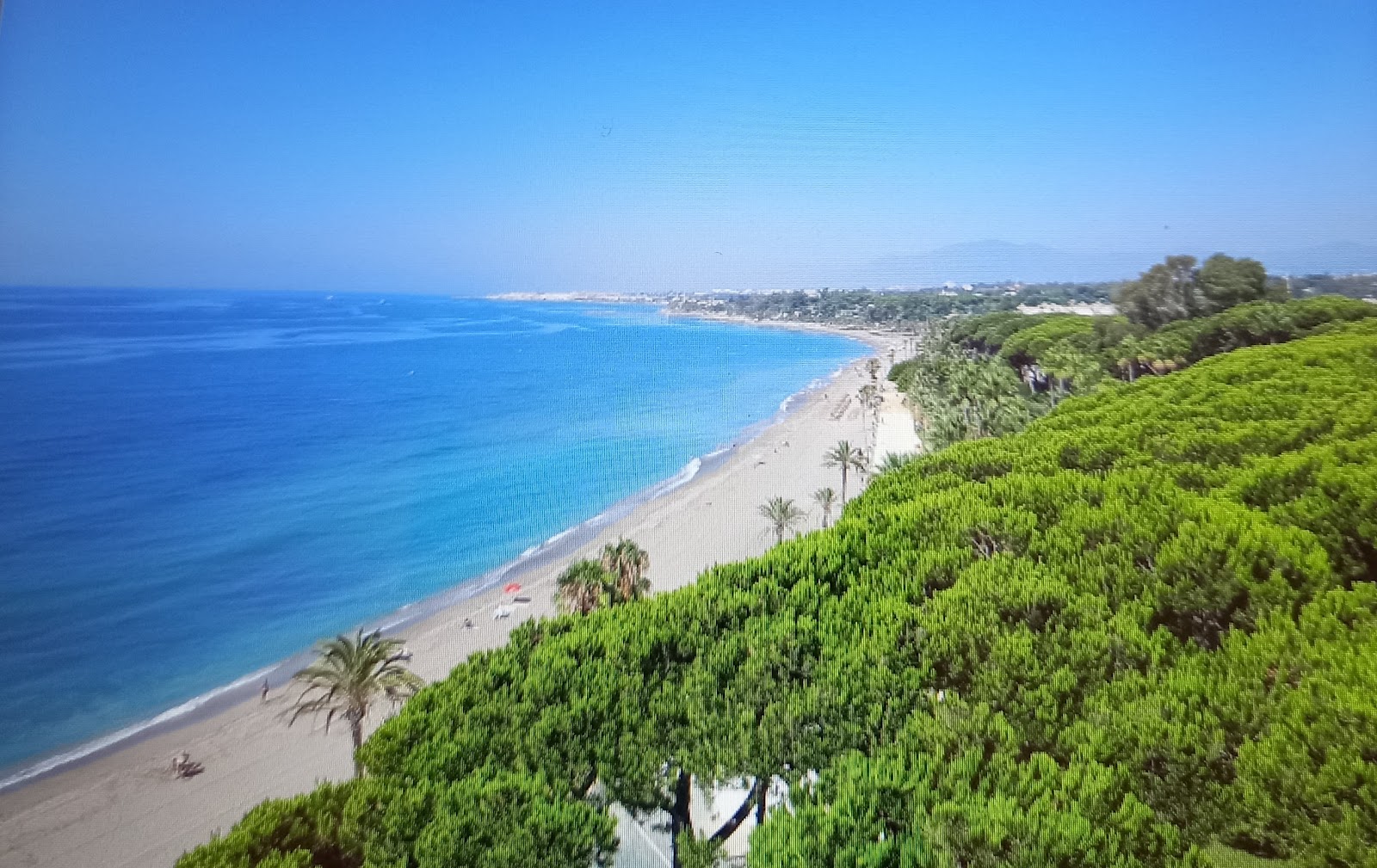
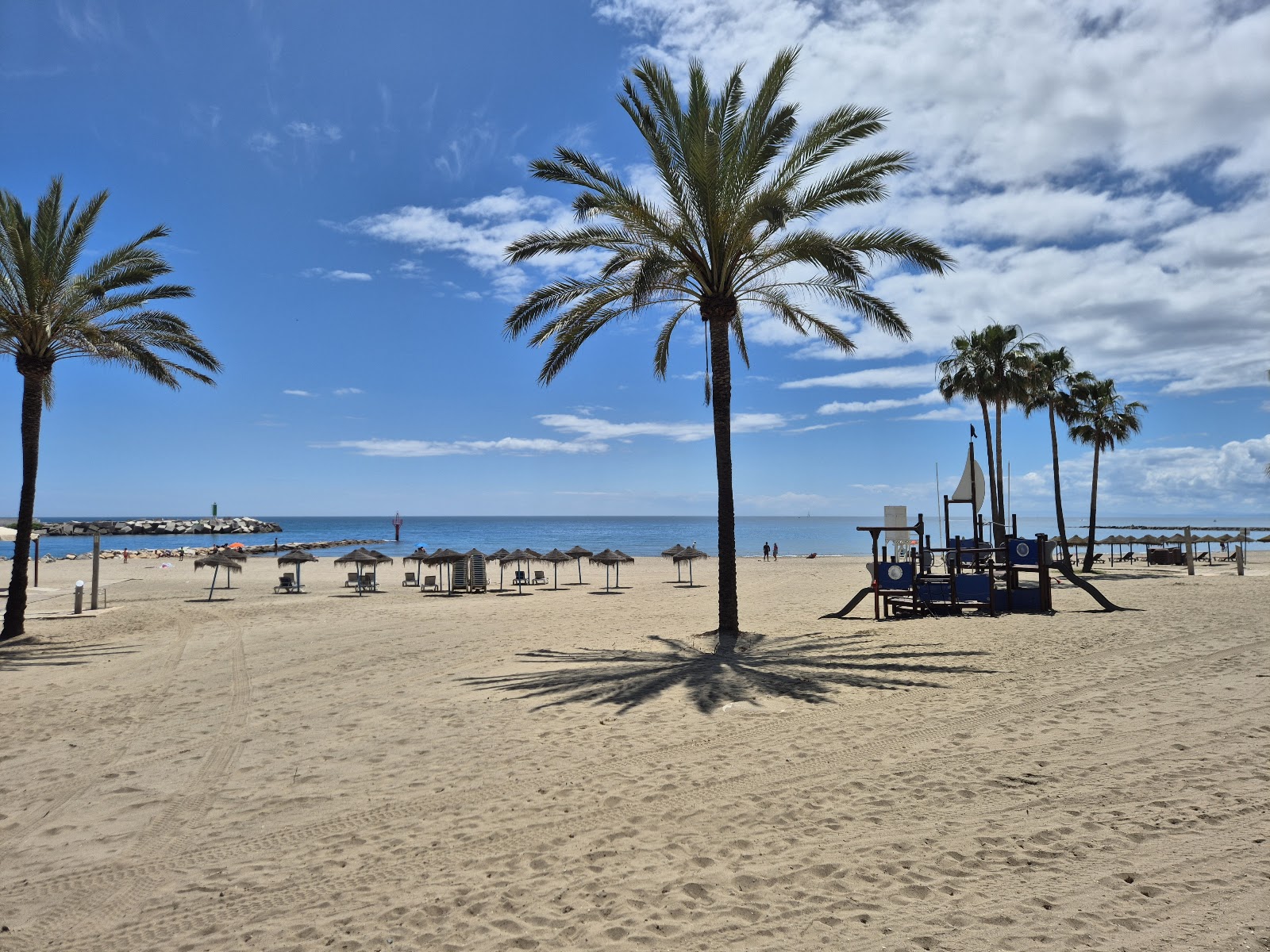
The breakwater at the western end of Playa de Nagüeles is the first thing that sets it apart — a concrete espigón that holds the sand wide and gives you somewhere to walk out over the water, feel the breeze, and watch the fishing lines go taut. The beach stretches for more than a kilometre against the backdrop of the Sierra Blanca mountains, with the Marbella Club's wooden jetty poking quietly into the sea as if it belongs to another era.
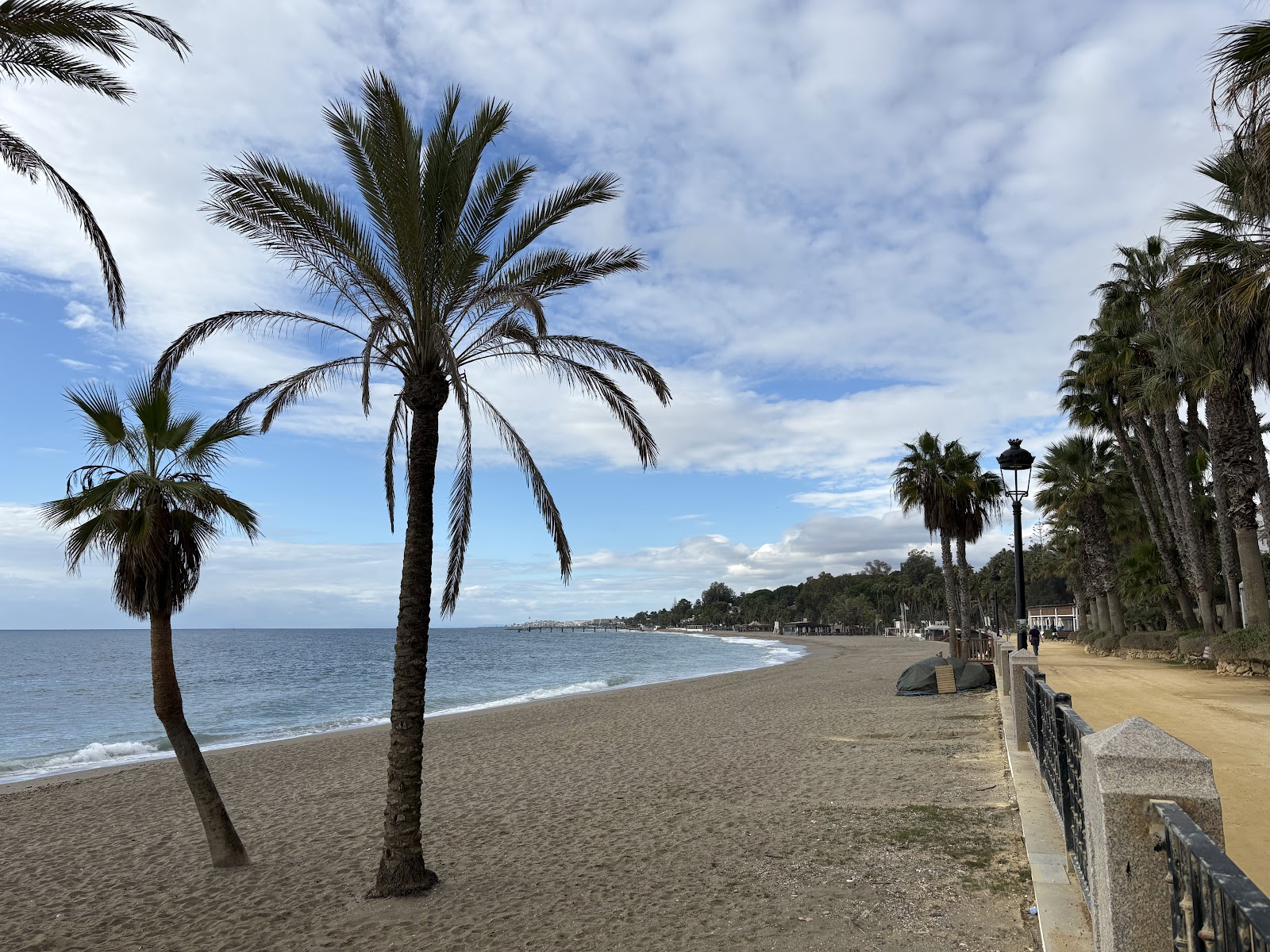
This is the Golden Mile in its most literal form: Hotel Puente Romano on one side, Marbella Club Hotel on the other, and a palm-lined paseo connecting them. It draws crowds in summer, but the scale absorbs them.
💛 What travellers fall for
People who come back tend to arrive early, claim a spot near the espigón, and walk the breakwater before the sun gets serious. The Trocadero Playa chiringuito is the default for a long lunch; La Milla keeps things quieter. The bus from Marbella costs next to nothing and drops you an eight-minute walk away — worth knowing when parking gets impossible in August.
The story behind Playa de Nagüeles
The land around Nagüeles has been productive since Roman times — olive groves, vineyards, silk during the Islamic period. It stayed agricultural until the 19th century, when wealthy families from inland began building summer estates here, drawn by the microclimate and the sea.
The modern story really begins in the 1950s, when Prince Alfonso von Hohenlohe established the Marbella Club Hotel and, along with Princess Gunilla von Bismarck, chose Nagüeles for his private estate. That association with a particular kind of discreet European money shaped everything that followed. By the 1960s and 1970s, entrepreneur Manuel González was developing the area into spacious residential plots, and the Golden Mile designation — and its reputation — solidified around the beach.
Good to know
Bus L-79 from Marbella runs the 12-minute journey for around a euro; alight at El Vicario and walk eight minutes to the sand. A taxi takes seven minutes and costs roughly €14–18. Lifeguards are on duty in summer. The beach holds a Blue Flag rating, with showers, WCs, sun loungers, pedalos, jet skis and kayaks available for hire.
More than 300 days of sun a year means the beach is genuinely usable in every season, with mild winter temperatures making an off-peak visit entirely reasonable. July and August bring serious heat and serious crowds; spring and early autumn give you the warmth without either.
Where is Playa de Nagüeles?
More tickets & tours for Playa de Nagüeles
Book directly at the provider
What travellers say about Playa de Nagüeles
Playa de Nagüeles is one of the best beaches in Marbella. The atmosphere is relaxed, and there are excellent beach clubs and restaurants nearby. Perfect for a peaceful day by the sea.
Located on the stunning Golden Mile is this lovely stretch of sand, during a walk along the paseo maritimo, from porto banus to Marbella, there are many beaches like this one to visit, we also love the free toilets scattered along the coastline.
Pretty nice place. Could be better but it's ok.
Beautiful soft sands, not too busy, good vibes, water is clean
Beautiful area😍
More of Marbella
Discover where to stay, what to do and the best deals for your trip.
Explore Marbella →More attractions in Marbella
All of Marbella →
Background adapted from Wikipedia (CC BY-SA) · map data © OpenStreetMap contributors · ratings & place photos via Google · other photos with per-image credit. Ticket links may earn us a commission at no extra cost to you.