
Loggia dei Militi
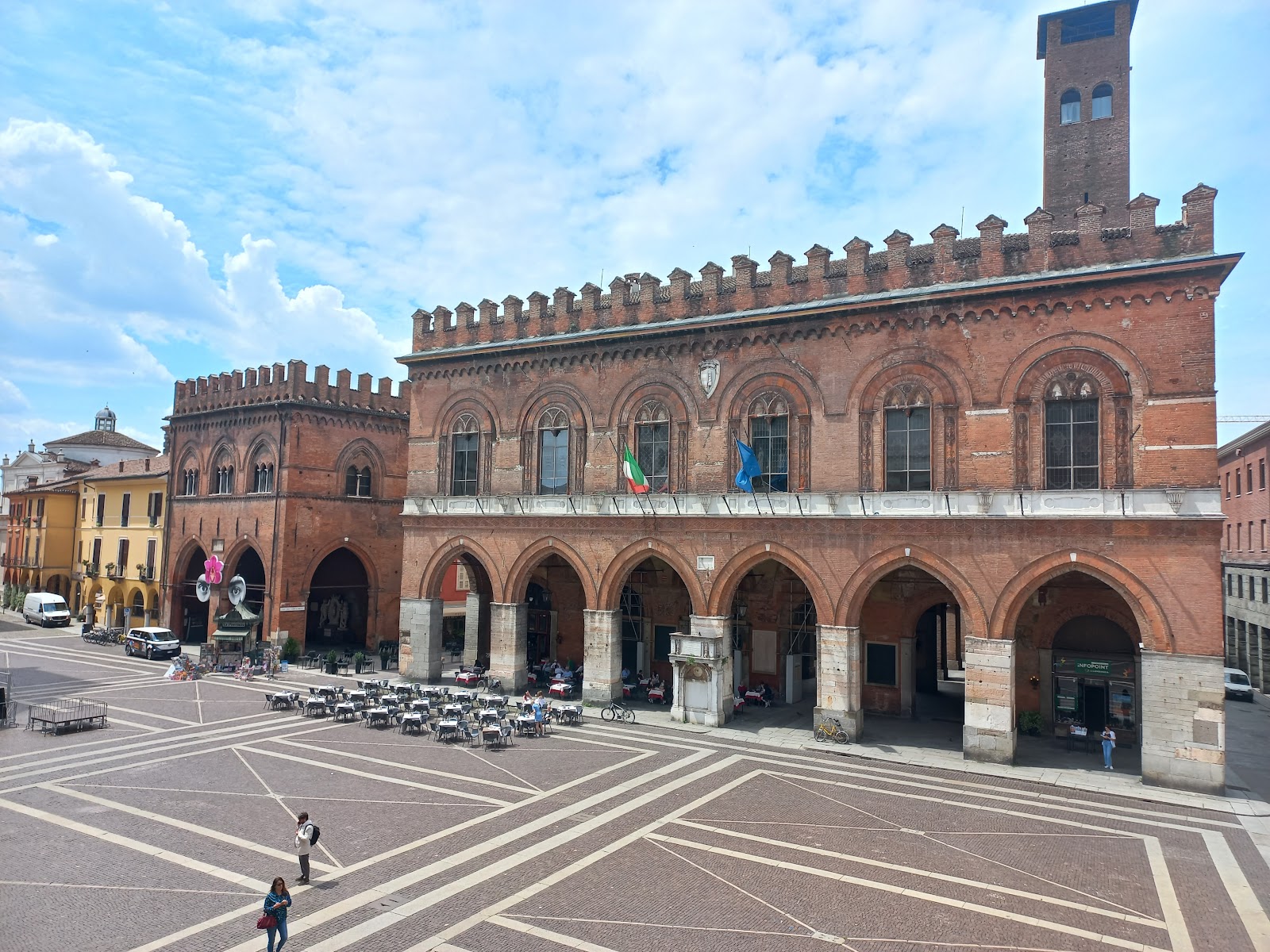
Stand under the pointed arches of the Loggia dei Militi and look up at the founding plaque mounted between them: 1292, in stone, with the city's gonfalone and four lions marking the four quarters of Cremona. This is one of the oldest civic buildings on the Piazza del Comune, and it still carries that original weight — the sense of a city that took its own governance seriously enough to carve the date in the wall.
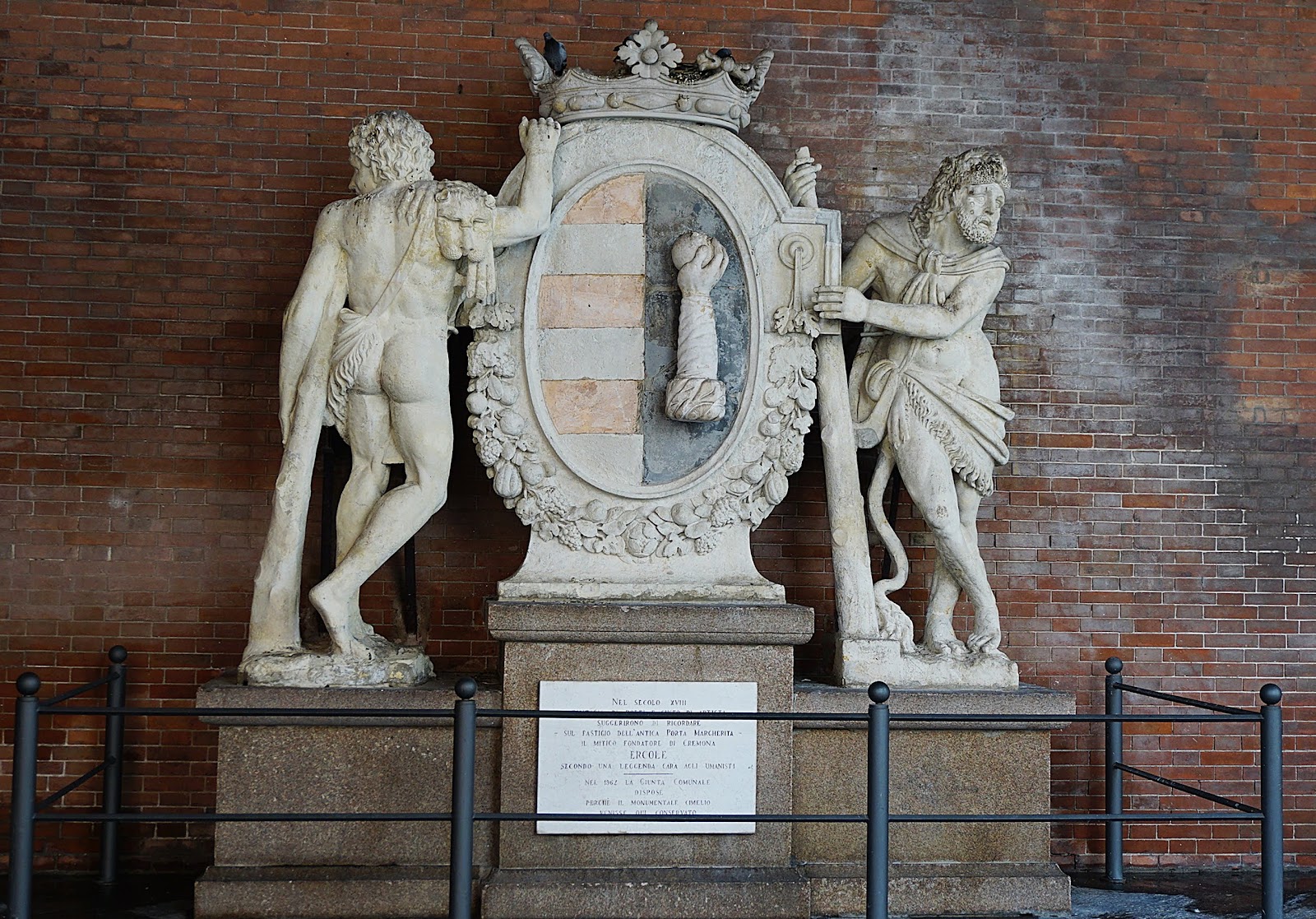
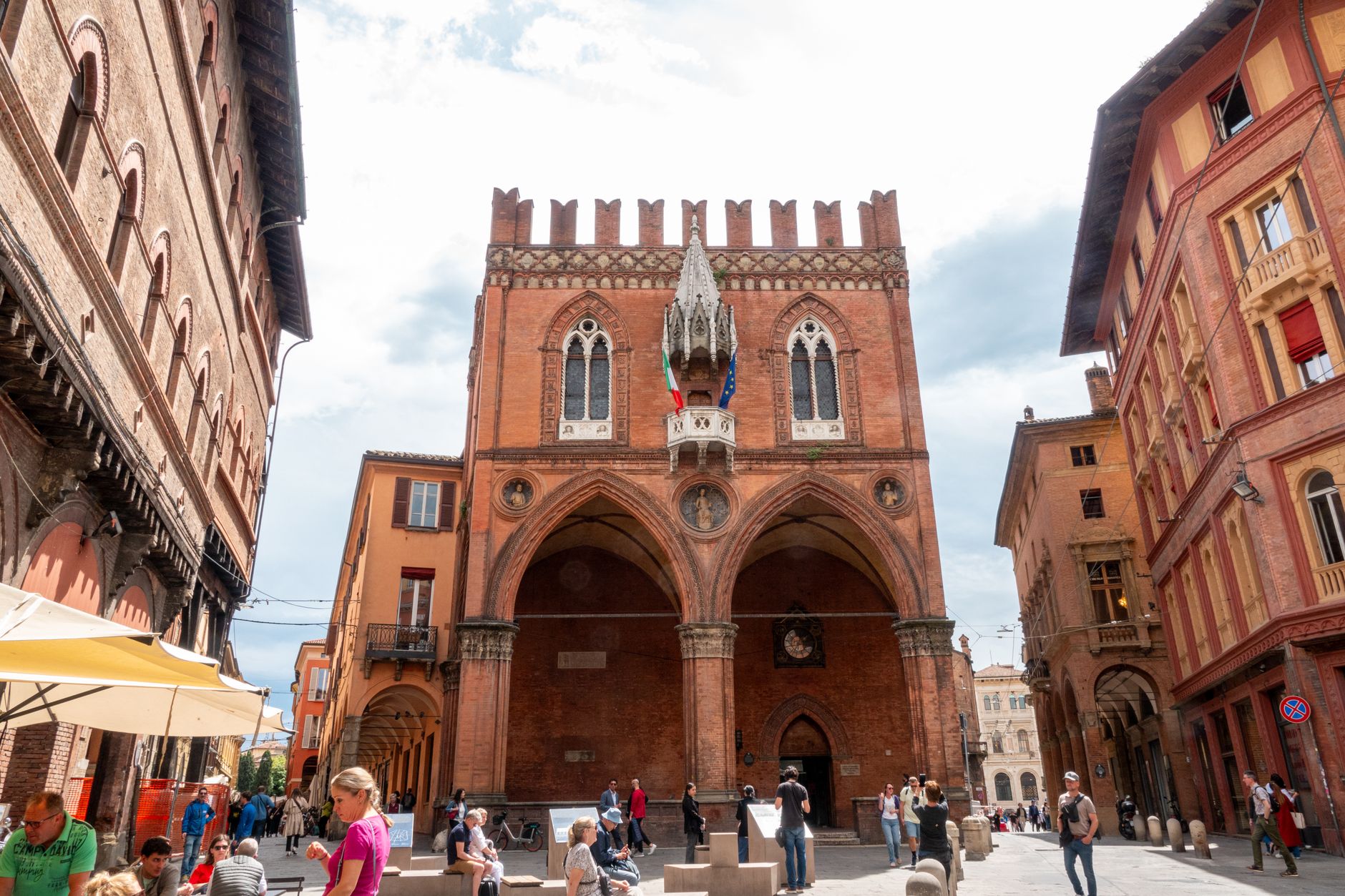
The façade is terracotta Gothic: tall ogival arches at ground level, elegant trifore and bifore windows above, and at the entrance two Hercules figures holding a coat of arms that once stood at the demolished Margherita Gate before being moved here in 1910.
💛 What travellers fall for
People who spend time in the piazza tend to circle back to the south side of the building — specifically to the narrow staircase locals have always called the 'scala dei lupi,' the wolves' staircase. Nobody seems to agree on exactly why, which is half the point of asking.
The story behind Loggia dei Militi
The Loggia was built in 1292 as the meeting hall of the Società dei Militi — an assembly of Cremona's wealthiest citizens, feudal property owners and leading inhabitants of both the city and its surrounding territory. The inscription on the façade records the founding year, alongside the blazon of Cremona: four lions representing the city's four historic gates.
The building changed function more than once. In 1557 it became the seat of the Collegio dei Giureconsulti, the city's college of jurists. In 1786 that college was suppressed and the offices of the Dugali — the body responsible for water management and embankments — moved in. By 1871, architect Vincenzo Marchetti had restored the building to something closer to its original form and reopened the portico. A further restoration followed in the 1930s under architects Gaetano Moretti and Ambrogio Annoni.
Good to know
The exterior is freely accessible at any time, so you can come early or late to avoid the piazza's midday crowd. The interior holds municipal offices and is not a visitor space. Budget fifteen minutes here; the surrounding piazza holds several other Yeppa entries worth your time.
Mid-April through mid-June is the most comfortable window — mild temperatures and enough light to read the terracotta details clearly. September is a close second. Winter brings genuine cold and damp, with overcast skies and occasional snow; summer afternoons can turn muggy and storm-prone.
Where is Loggia dei Militi?
More tickets & tours for Loggia dei Militi
Book directly at the provider
What travellers say about Loggia dei Militi
Most beautiful beautiful and historical place to go
The Loggia dei Militi stands next to Cremona's Palazzo Comunale. It is a terracotta building built in 1292. It features a tall portico with a large hall above it, featuring lancet windows and a battlement. Under the portico, the pediment of the ancient Porta Margherita is preserved, featuring the double image of Hercules, founder of the city, alongside the city coat of arms.
The Loggia dei Militi was the meeting place of the "Società dei Militi," a society that existed long before the construction of this building and to which the wealthiest and most prominent inhabitants of the city and its surrounding area belonged. Under the portico, the emblem of Cremona is preserved, a sculptural composition consisting of two Hercules holding the city coat of arms between them.
The Loggia dei Militi owes its name to the meeting place of the captains of the city's militias. Built in 1292, it is one of the most significant Gothic civic buildings in northern Italy. It has an elegant terracotta structure with a portico featuring two tall pointed arches, surmounted by three-light and two-light windows crowned by battlements.
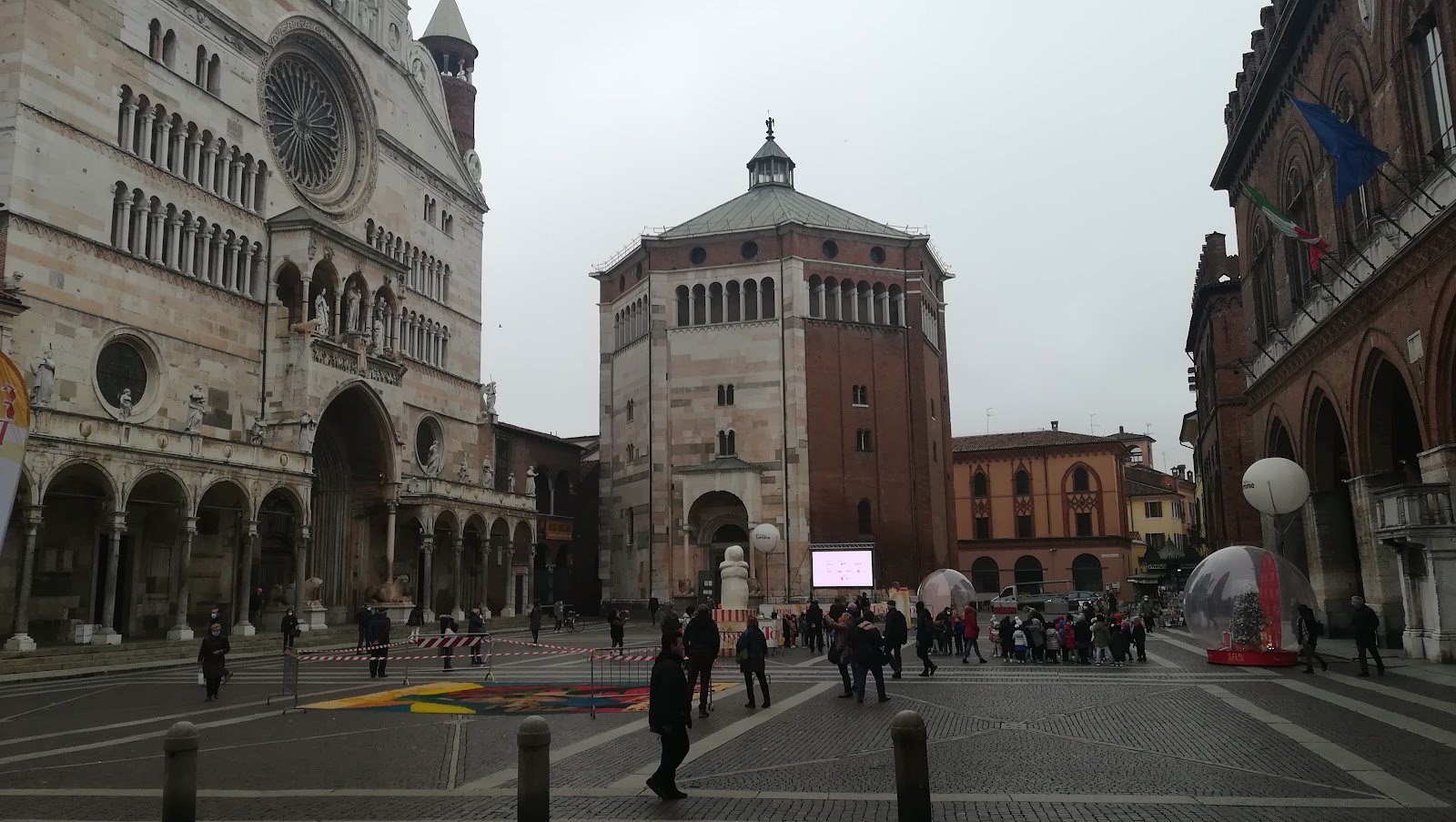
It is located beneath the Town Hall on the Piazza del Comune side, opposite the Cathedral; a beautiful loggia, several sculptures, and numerous commemorative plaques—a taste of what lies within the Palace above.
More of Cremona
Discover where to stay, what to do and the best deals for your trip.
Explore Cremona →More attractions in Cremona
All of Cremona →

Background adapted from Wikipedia (CC BY-SA) · map data © OpenStreetMap contributors · ratings & place photos via Google · other photos with per-image credit. Ticket links may earn us a commission at no extra cost to you.