
Formentera
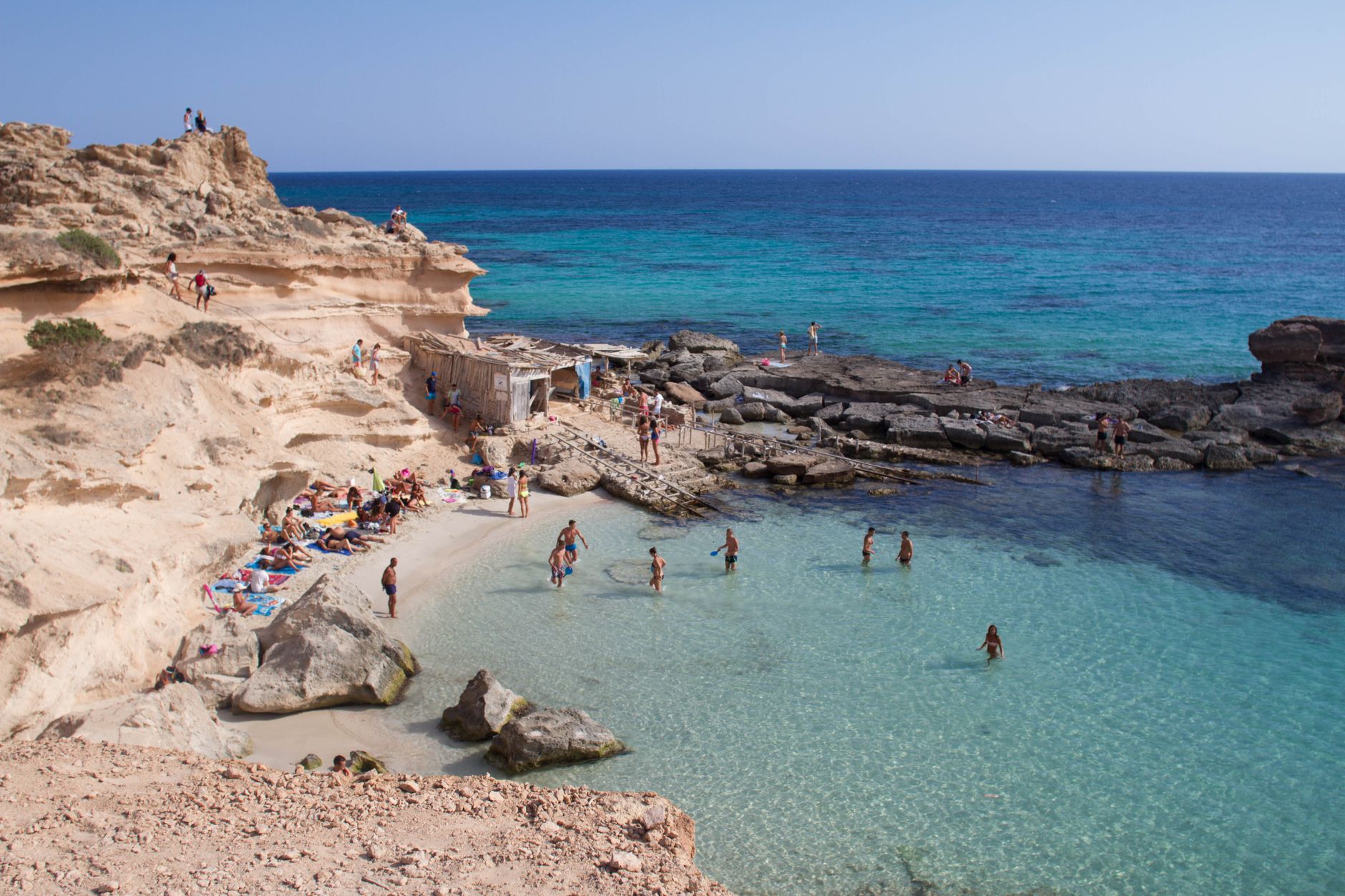
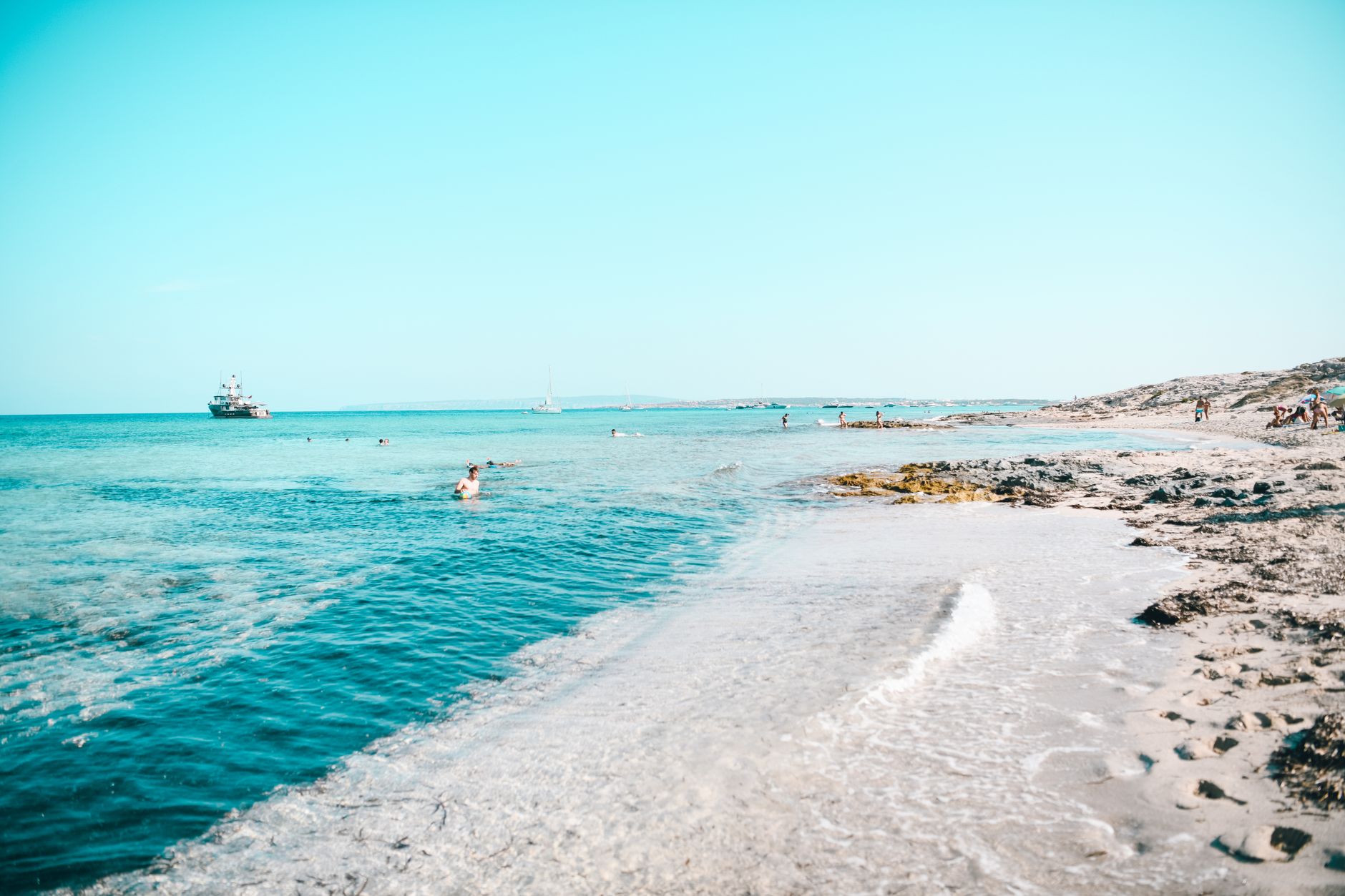
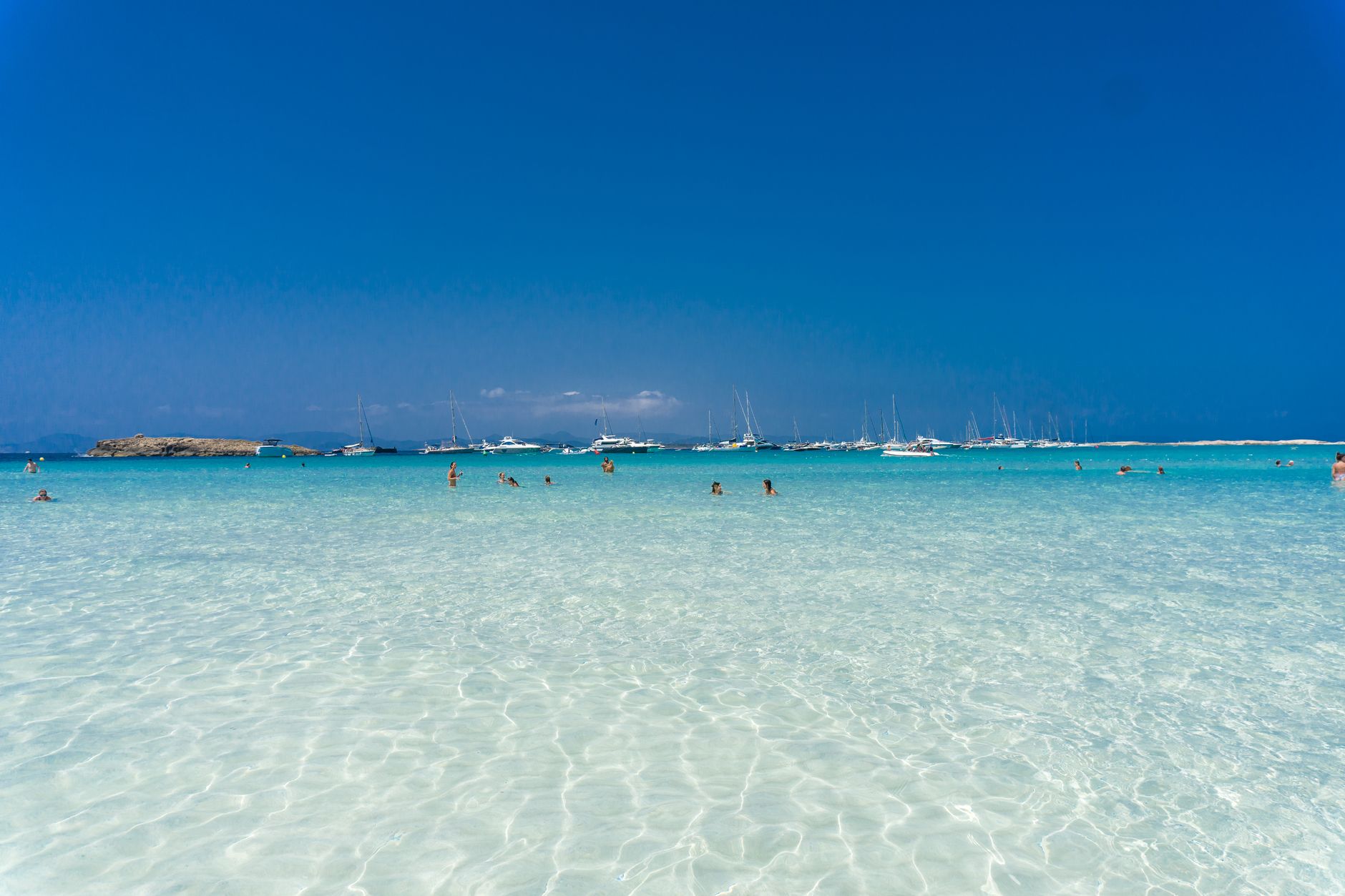
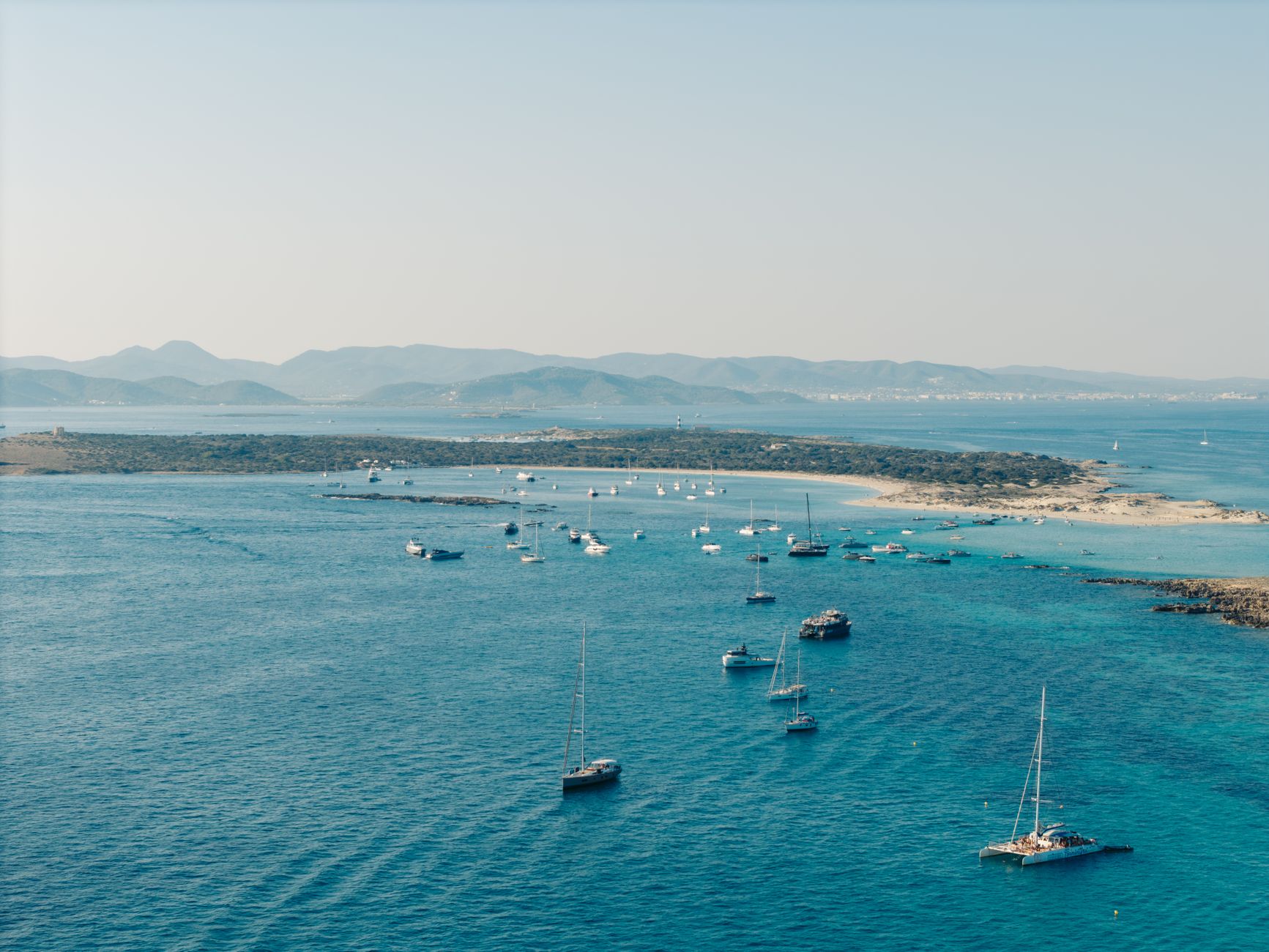
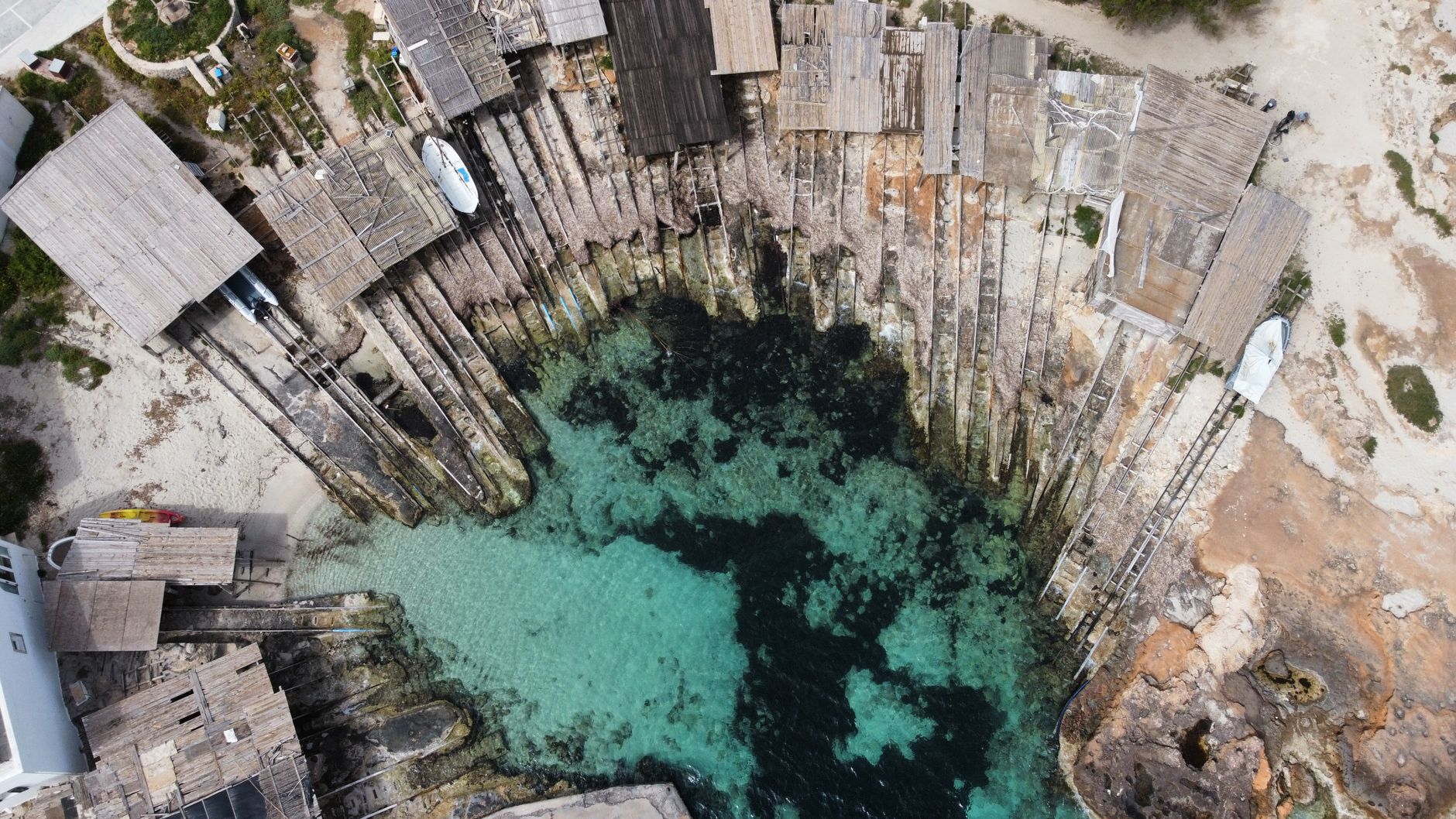
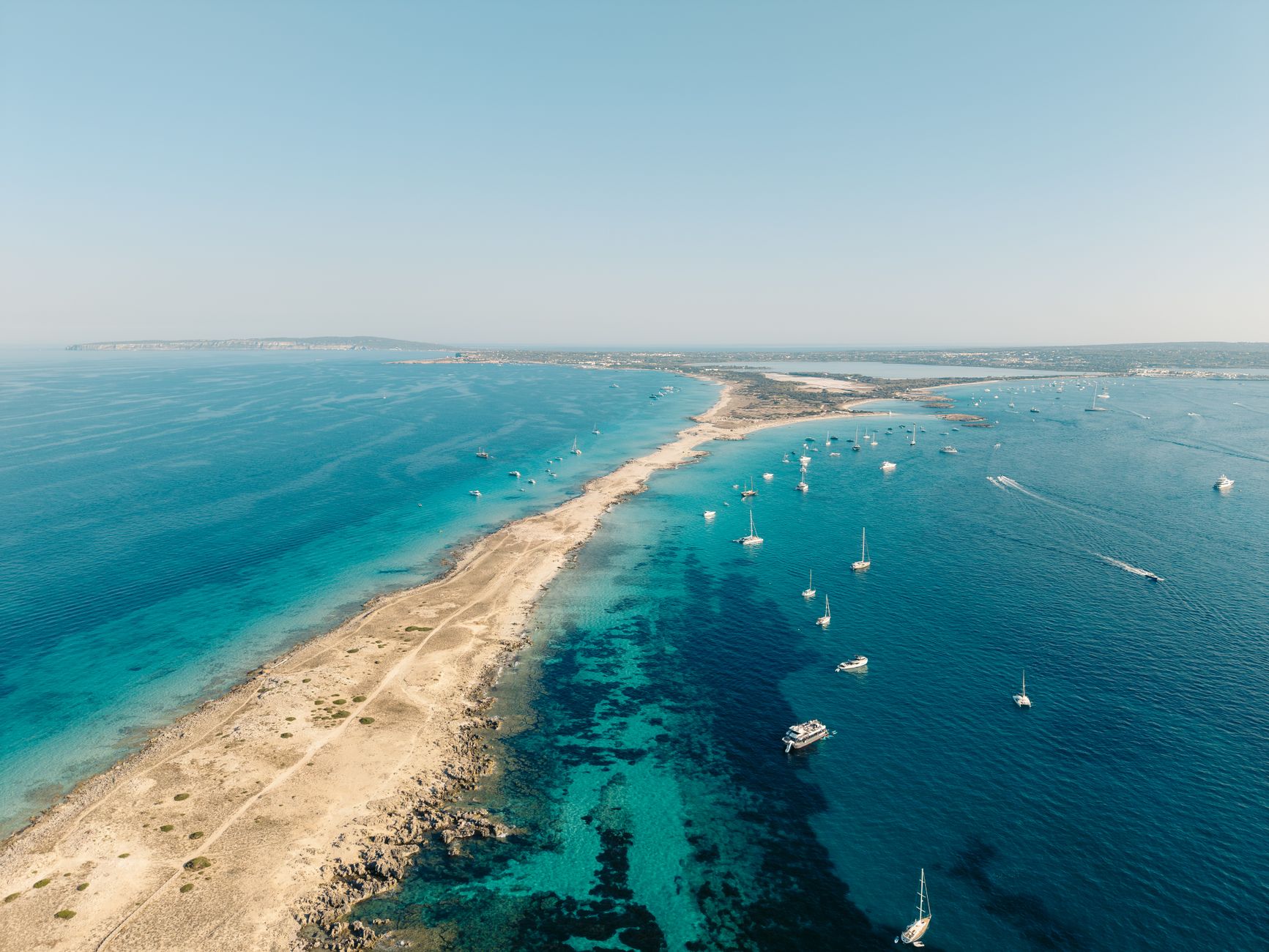
The Romans called it Frumentaria — the wheat island — and something of that plainness still holds. Formentera is the smallest of the inhabited Balearics, reachable only by sea, and the crossing from Ibiza takes roughly thirty minutes on a fast catamaran. What you arrive into is an island of low stone walls, salt flats, and roads flat enough that most people get around by bicycle.
The beaches run long and pale along the north — Ses Illetes in particular draws a crowd that knows exactly why it came — while the southern cliffs at La Mola drop 192 metres straight into the sea. The island has no airport by choice and no plans for one.
💛 What travellers fall for
People who keep coming back tend to rent bikes from La Savina the moment they step off the ferry, before they've even found their accommodation. They'll tell you to check the last ferry time on the day you arrive, not the day before — low season schedules shift without much warning, and the port closes earlier than you'd expect.
Experiences you don't want to miss


Deals in Formentera
Book directly at the provider

How Formentera came to be
People have lived on Formentera since roughly 2000 BC — the megalithic tomb at Ca na Costa, a circular burial chamber ringed by three stone circles, was only discovered in 1974 but dates back nearly four thousand years. Romans arrived around 200 BCE, built a fortress near Es Caló, and named the island for its wheat. After the Moors established dominion in the early 10th century, King Jaume I of Aragon took it in 1235.
Then came the centuries of abandonment. From 1403 into the early 1700s, Barbary pirate raids made the island effectively uninhabitable — the watchtowers at Punta Prima and Punta Gavina still stand as evidence of how serious the threat was. In 1695, King Carlos II handed the island to two Ibizan settlers, Marc Ferrer and Toni Blanc, to repopulate it. The fortified church of Sant Francesc Xavier went up in 1726, built solid enough to double as a refuge. In the 1930s the island became a concentration camp for political dissidents during and after the Spanish Civil War.
Who and what shaped it
People who shaped it
Landmark buildings
See Formentera in motion
Plan your visit
On the map
When to go
Summers are hot and dry, with reliable sun from May through October — the peak ferry crowds arrive July and August. Spring and autumn are quieter and cooler, good for cycling the coastal paths. Winters are mild but the island thins out considerably, with reduced ferry schedules and most beach infrastructure closed.
Right now
Background & history adapted from Wikipedia (CC BY-SA) · specs from Wikidata (CC0) · weather from Open-Meteo · map data © OpenStreetMap contributors · photos from Wikimedia Commons / Unsplash with per-image credit. No third-party reviews or social posts reproduced.