
Cristallo (mountain)
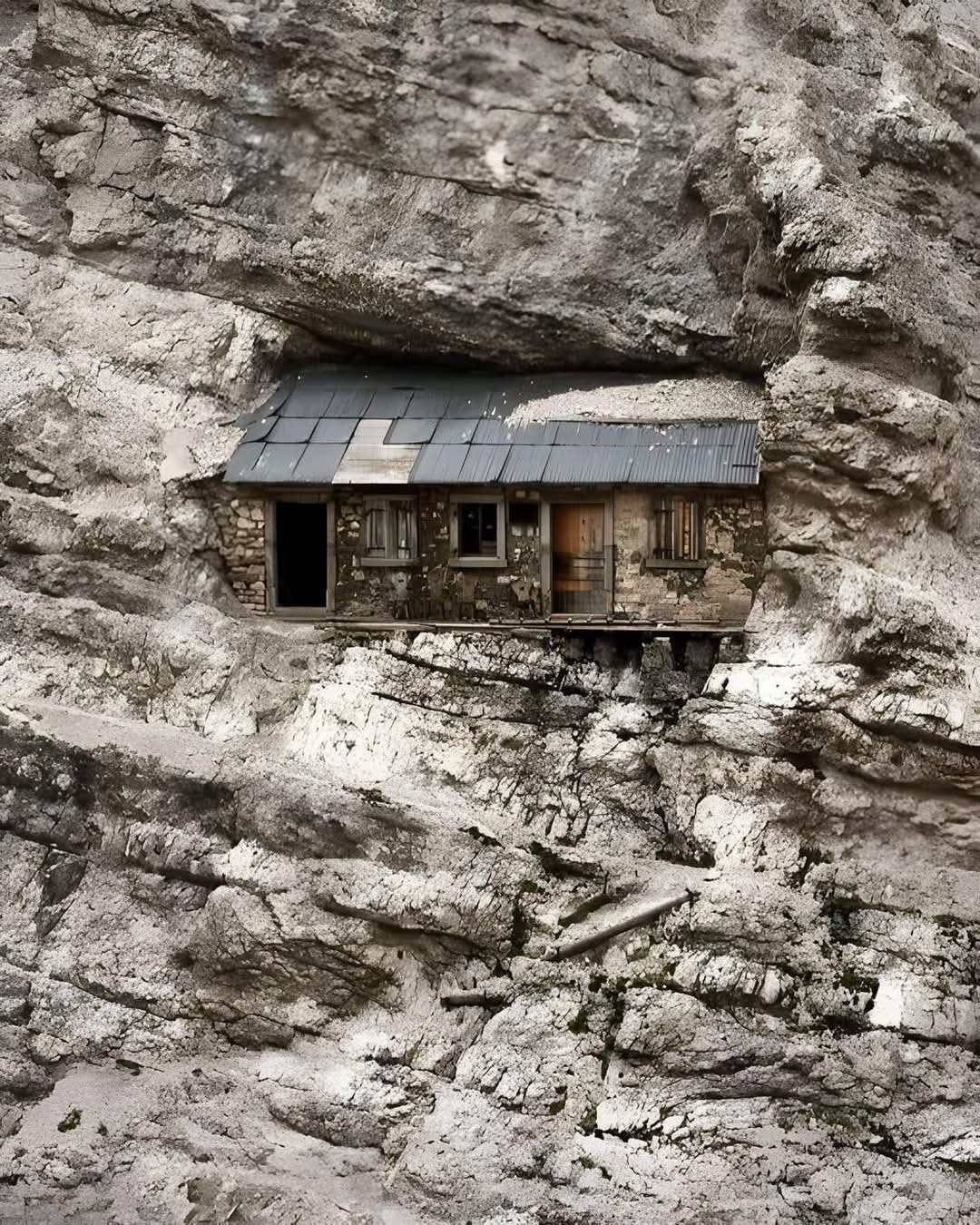
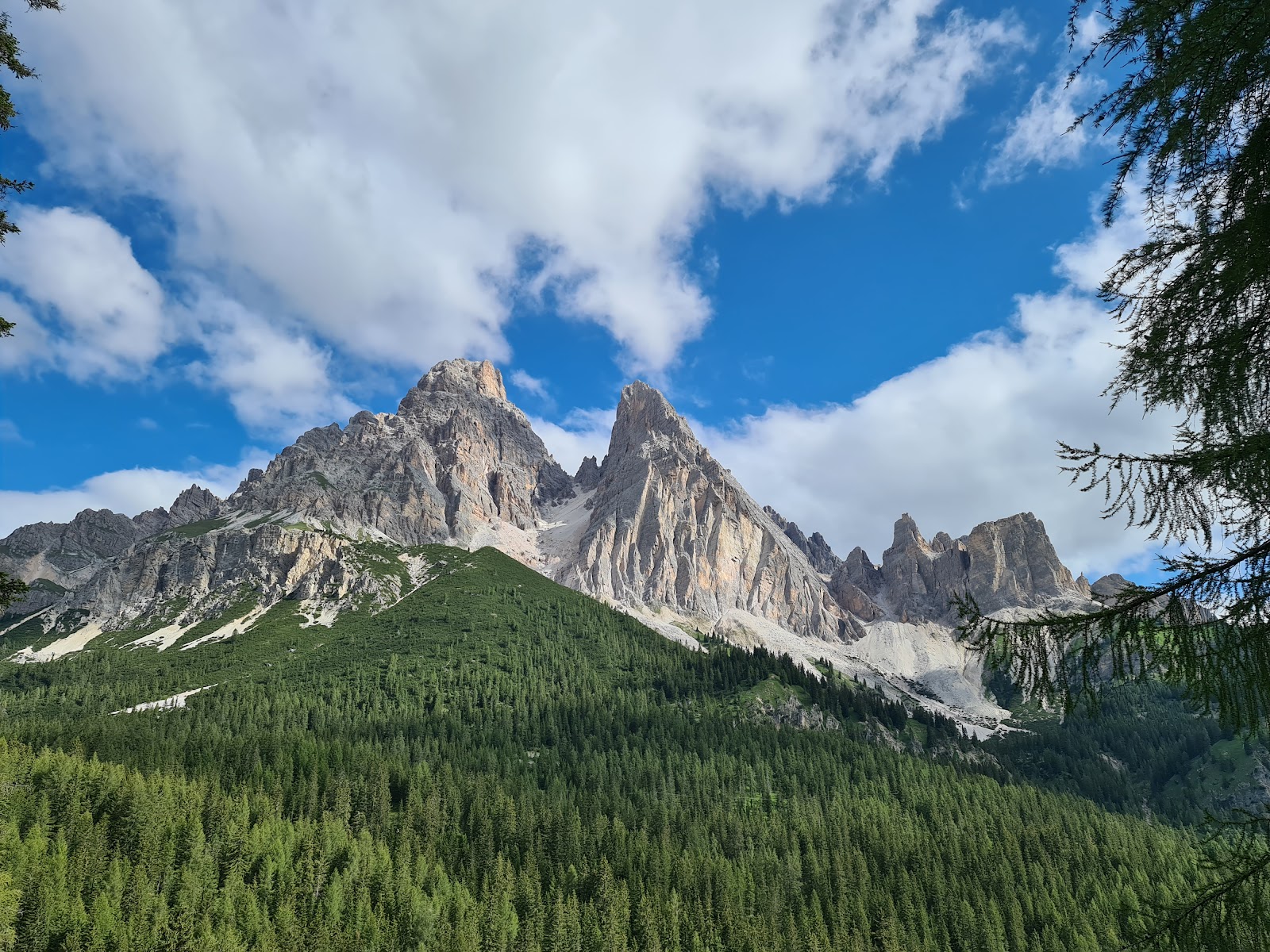
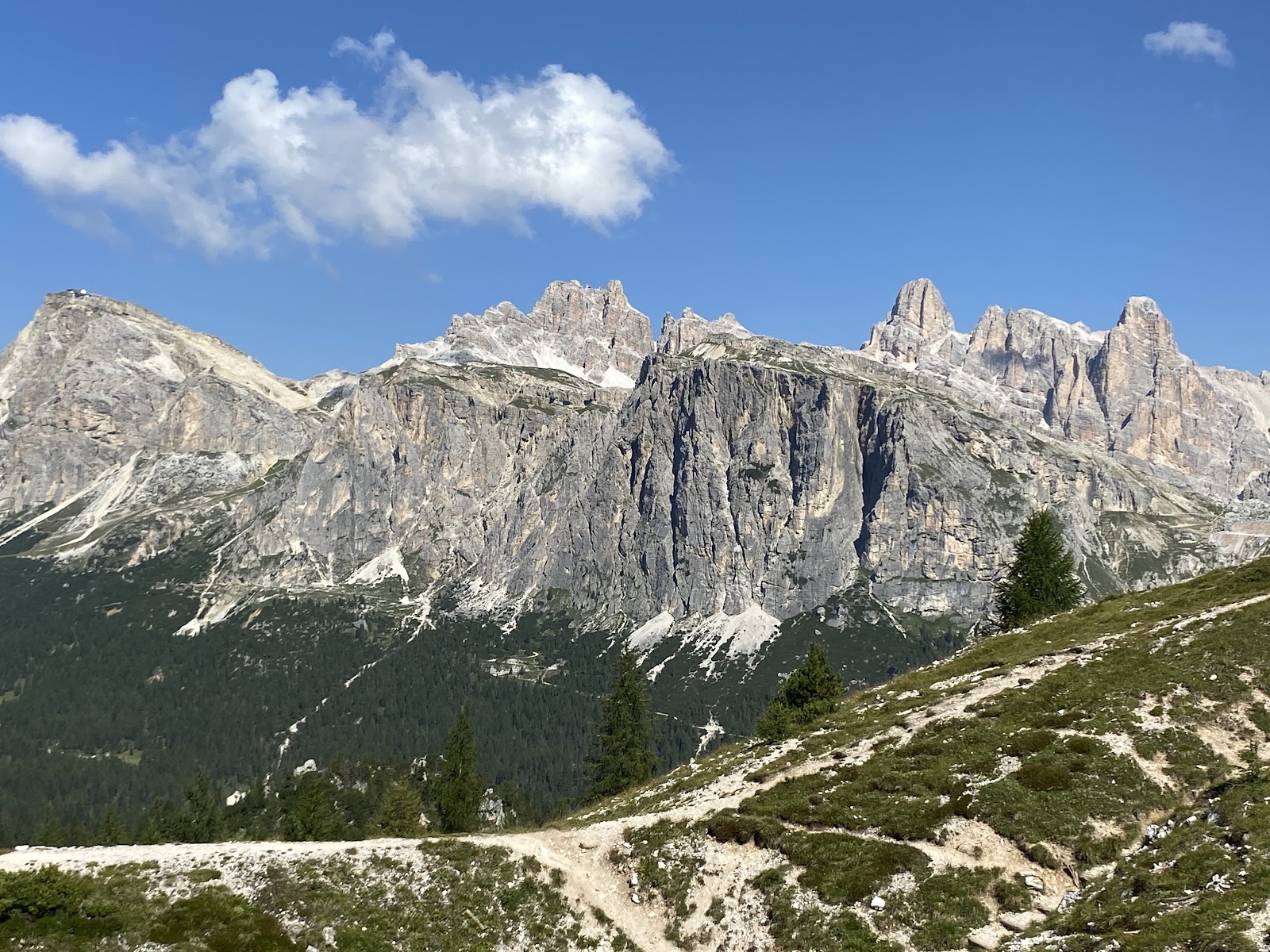
The name alone is a clue: Cristallo means rock crystal, and on a clear morning the mountain earns it — all pale grey dolomite catching the light above Cortina. At 3,221 metres, the main summit is the highest point in the Cristallo Group, a mass of 25 named peaks that rises sharply to the east of town and is encircled by a road that runs through both Tre Croci and Cimabanche passes.
The mountain divides neatly between its two seasons. In winter, the slopes above Rio Gere — 7 km from Cortina's centre — carry skiers down gradients that once included one of the steepest pistes in the Alps. Come summer, the same lifts deliver hikers to Forcella Staunies at 2,919 metres, where two via ferratas begin their traverse of the ridgeline.
💛 What travellers fall for
People who come back tend to time the Via Ferrata Marino Bianchi for a weekday start, when the gondola queue at Rio Gere is short. The 27-metre suspension bridge on the Ponte Cristallo route surprises even those who knew it was coming. The rifugio at Son Forca is the reliable lunch stop — don't skip it thinking Capanna Lorenzi will be open.
The story behind Cristallo (mountain)
On 14 September 1865, Viennese mountaineer Paul Grohmann reached the main summit accompanied by two Ampezzano guides, Santo Siorpaes and Angelo Dimai — a pairing of Viennese ambition and local knowledge that characterised much of the Dolomites' first era of climbing. Nine years later, in 1874, Anna Ploner made the first ascent by a woman.
The mountain's shape is older than any of those names: formed from Upper Triassic dolomitic limestone, it was carved into its current towers and cirques by glaciers over the last 2.6 million years. Two small glaciers — Ghiacciaio del Cristallo and Ghiacciaio del Popena — remain in Val Fonda. The gondola to Forcella Staunies was built for the 1956 Winter Olympics, the same Games that put Cortina on the international map.
Good to know
Drive or take a bus to Rio Gere (7 km east of Cortina) for the lift system. Via ferratas run roughly July through September; the couloir to Forcella di Staunies can hold snow into late July. The gondola to Forcella Staunies has been closed since summer 2016 — confirm current lift status before planning a high route.
Summer (July–August) brings the best chance of settled weather for via ferratas, with daytime highs around 19°C at valley level and around 8 hours of sun on a good day — though afternoon thunderstorms are common from May through August, so start high routes early. Winter temperatures drop to around -1°C by day and -10°C at night; snowfall runs reliably from January through April, with modern snowmaking extending the ski season from November.
Where is Cristallo (mountain)?
Location
- In Cortina d'Ampezzo
- 46.5750, 12.1917
- Open in Google Maps
Rating
4.8 ★ · 180 Google reviews
More tickets & tours for Cristallo (mountain)
Book directly at the provider
What travellers say about Cristallo (mountain)
Perfect place to be. It costs about 20 euro with motorbike or car to clog there but the way itself and the views is very Cent worth it!!!! Breathtaking pictures in every second. Go and dream ☺️
Excellent views. Accessible by old style cable car..
The beauty of nature in it's extremum.
What an amazing mountain !!
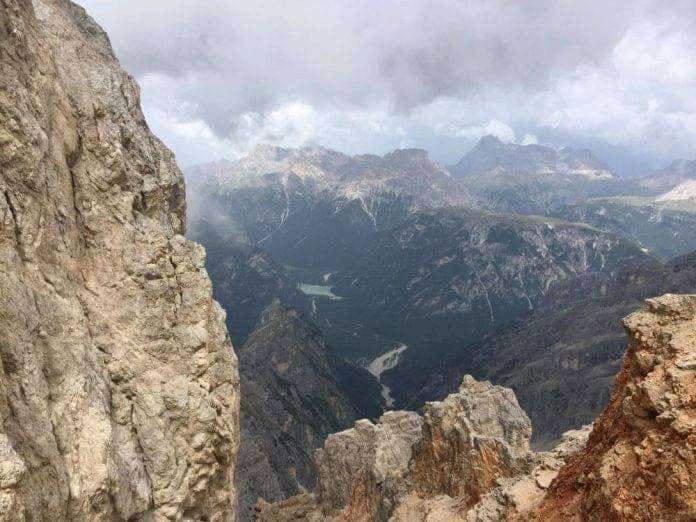
Simply wonderful. You can see it from many points of view, from the backside if you are coming from Dobbiaco (a stop to lago di Landro is recommended), from the side (coming from Misurina) of from Cortina (front view). My favourite is the back where Puz Popena Monte Cristallo and Cristallo di Mezzo are well recognizable.
More of Cortina d'Ampezzo
Discover where to stay, what to do and the best deals for your trip.
Explore Cortina d'Ampezzo →More attractions in Cortina d'Ampezzo
All of Cortina d'Ampezzo →
Background adapted from Wikipedia (CC BY-SA) · map data © OpenStreetMap contributors · ratings & place photos via Google · other photos with per-image credit. Ticket links may earn us a commission at no extra cost to you.