
Chartres

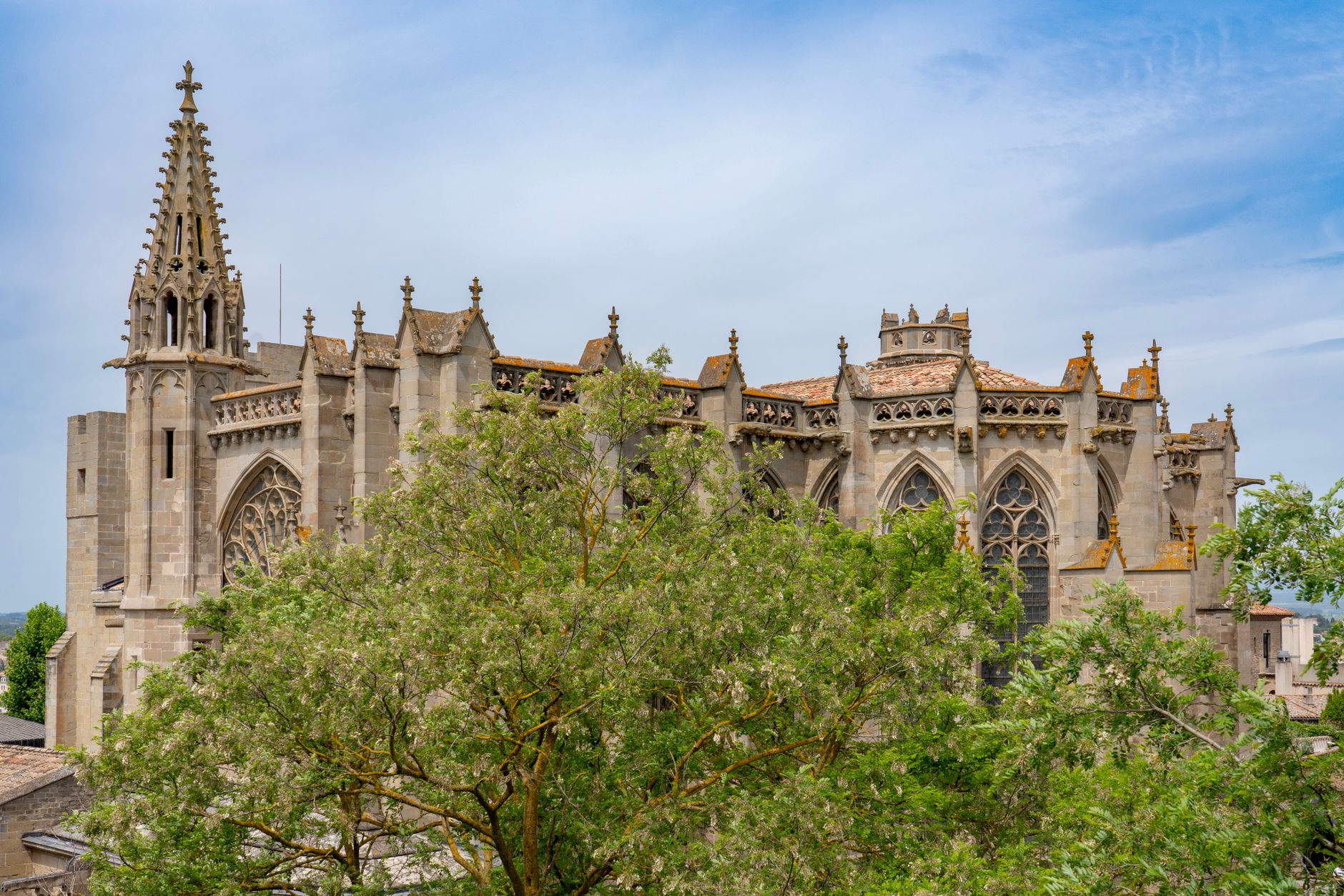
The cathedral appears before you long before you reach the town — rising from the wheat plain like something dropped from another century, its two mismatched towers visible for miles. That asymmetry is the first honest thing Chartres tells you: the north spire is Flamboyant Gothic from the 1500s, the south a plain Romanesque cone from centuries earlier, and nobody ever bothered to make them match.
Once inside, your eyes go straight to the glass. All 176 original windows survive — the most complete set of medieval stained glass anywhere — and the blue they carry, a particular shade called bleu de Chartres, has never been successfully replicated. The town below is small, steep in places, and walkable in a morning.
💛 What travellers fall for
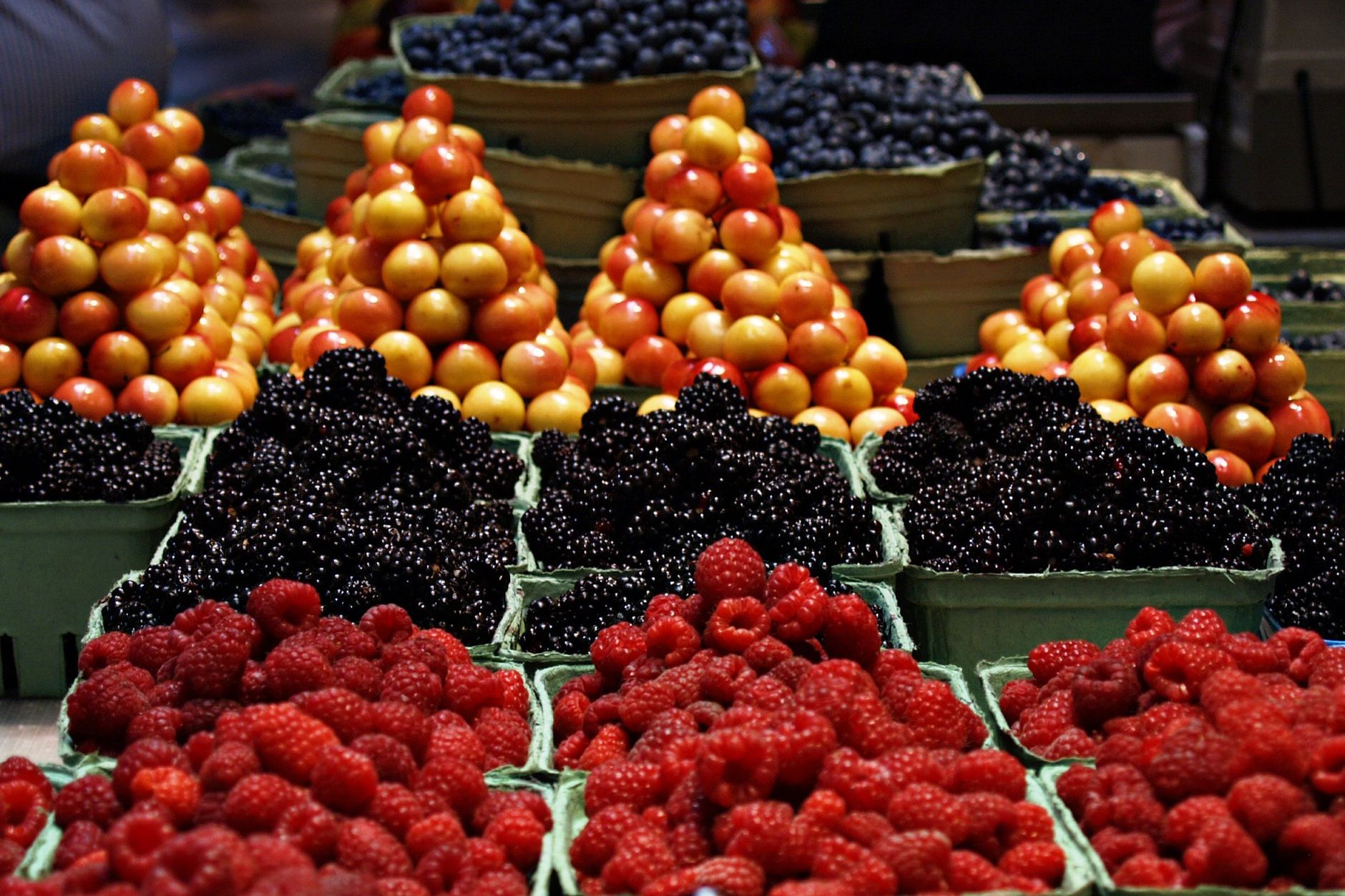
People who return tend to time it for a Saturday, when the market fills the centre and the cathedral is quieter than midweek tour groups allow. The floor labyrinth — 262 metres of pathway compressed into a circle under 13 metres wide — rewards a second visit once you know to look for it beneath the chairs.
Experiences you don't want to miss


Deals in Chartres
Book directly at the provider
How Chartres came to be
The Carnutes, a Celtic tribe, made this bluff above the Eure River their principal Druidic centre long before Rome arrived and renamed the settlement Autricum. The Normans burned it in 858. The medieval city that exists today was largely shaped by catastrophe: a fire in 1194 destroyed the Romanesque cathedral, and Bishop Renaud de Mousson immediately began rebuilding. Construction ran from 1205 to 1271, with structural work complete by 1221 and the cathedral consecrated in 1260. At that moment it had the tallest roof in the Western world.
Chartres passed to the French crown in 1286, endured English occupation during the Hundred Years' War, and in 1528 Francis I raised it to a duchy. Its most singular moment in French history came on 27 February 1594, when Henry IV was crowned here — the only French king ever crowned outside Reims. In August 1944, an American colonel named Welborn Barton Griffith Jr. went behind enemy lines to verify whether German forces were using the cathedral; finding it empty, he reported back and a planned artillery strike was called off.
Who and what shaped it
People who shaped it
Landmark buildings
See Chartres in motion
Plan your visit
On the map
When to go
Chartres sits in the Île-de-France plain and shares its temperate, changeable character — mild springs and autumns, warm summers that rarely turn oppressive, winters that are grey and cool rather than severe. Spring and early autumn offer the clearest light through the cathedral windows.
Right now
Background & history adapted from Wikipedia (CC BY-SA) · specs from Wikidata (CC0) · weather from Open-Meteo · map data © OpenStreetMap contributors · photos from Wikimedia Commons / Unsplash with per-image credit. No third-party reviews or social posts reproduced.