
Besançon
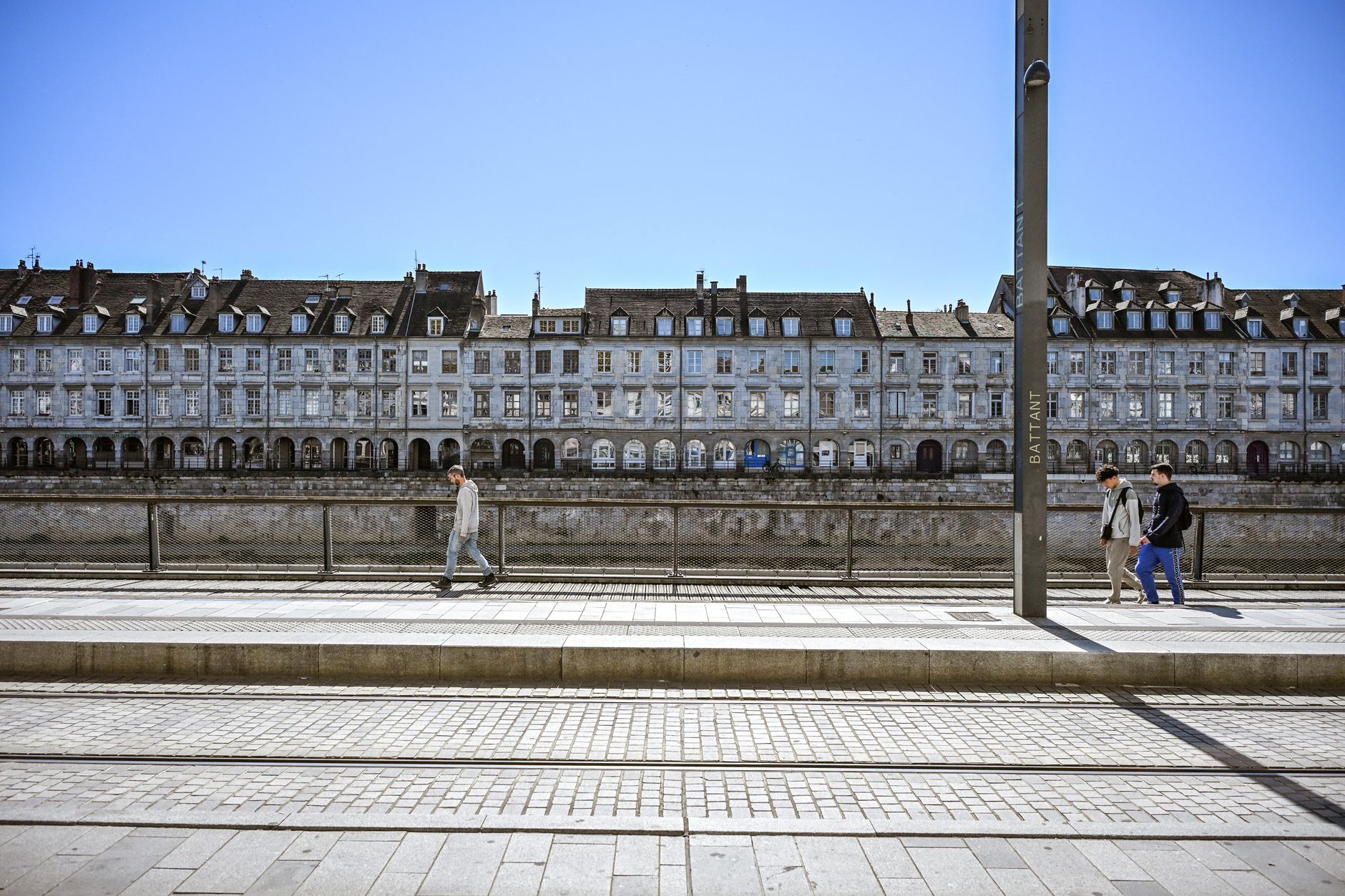
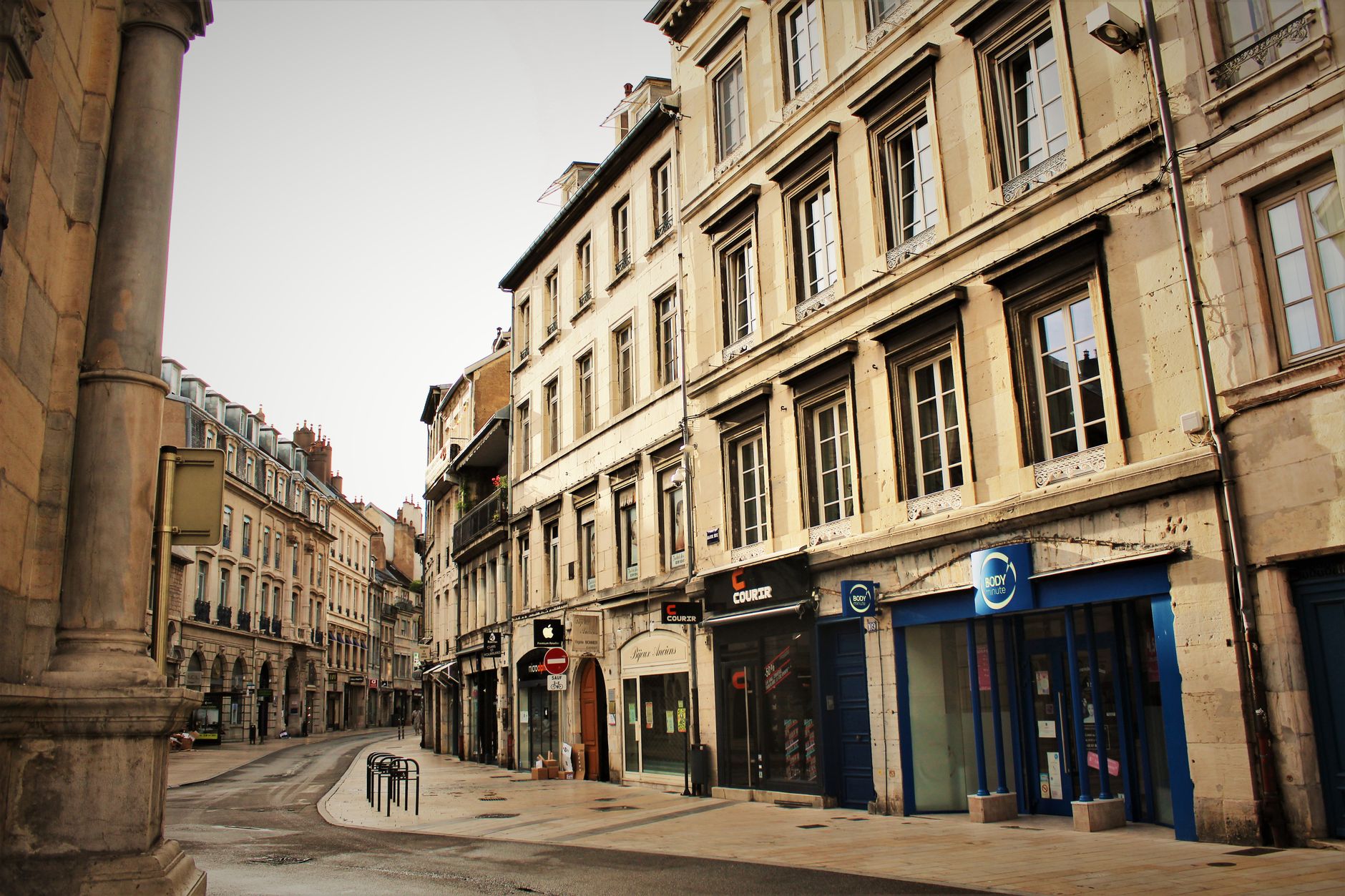
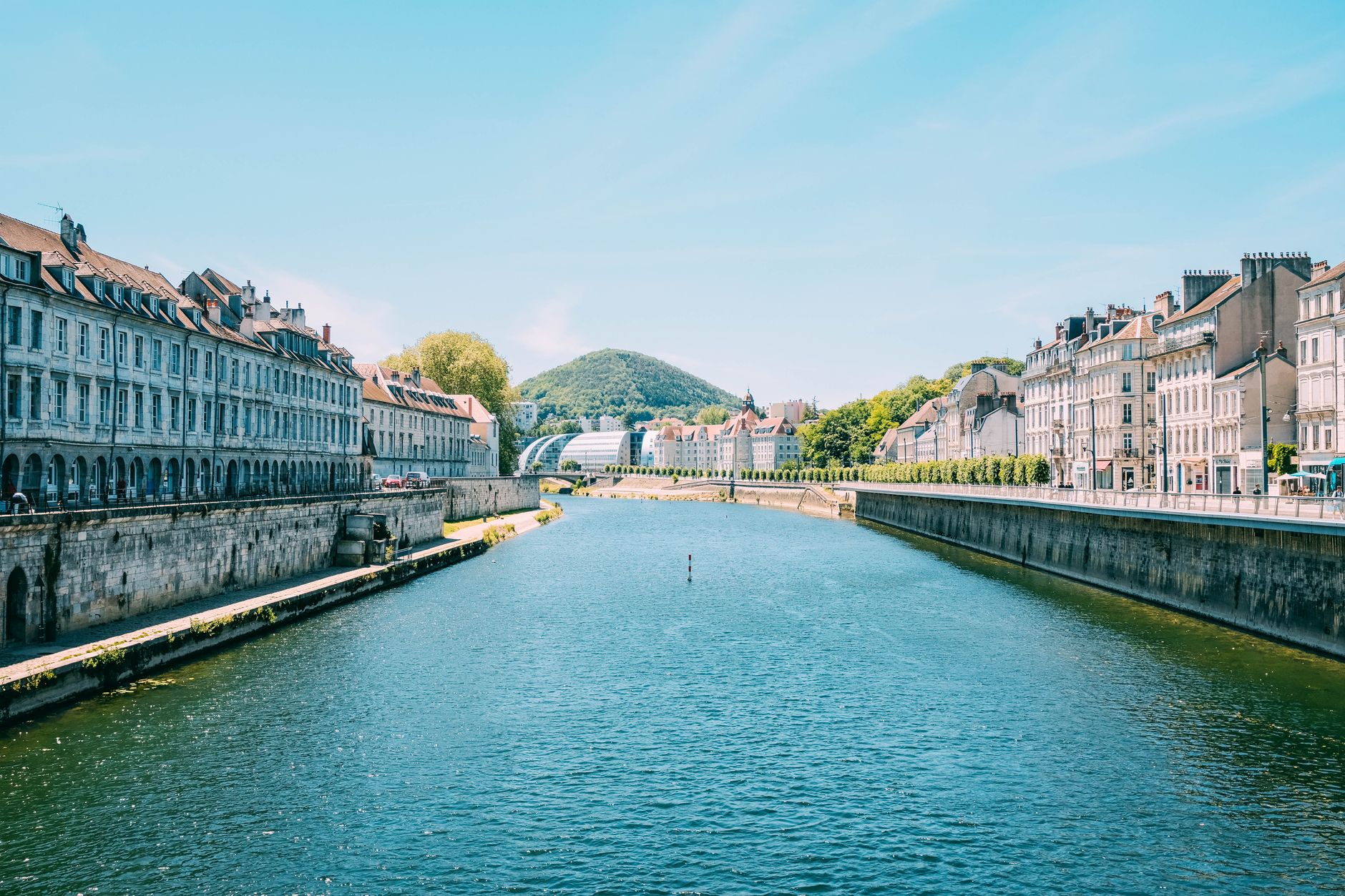
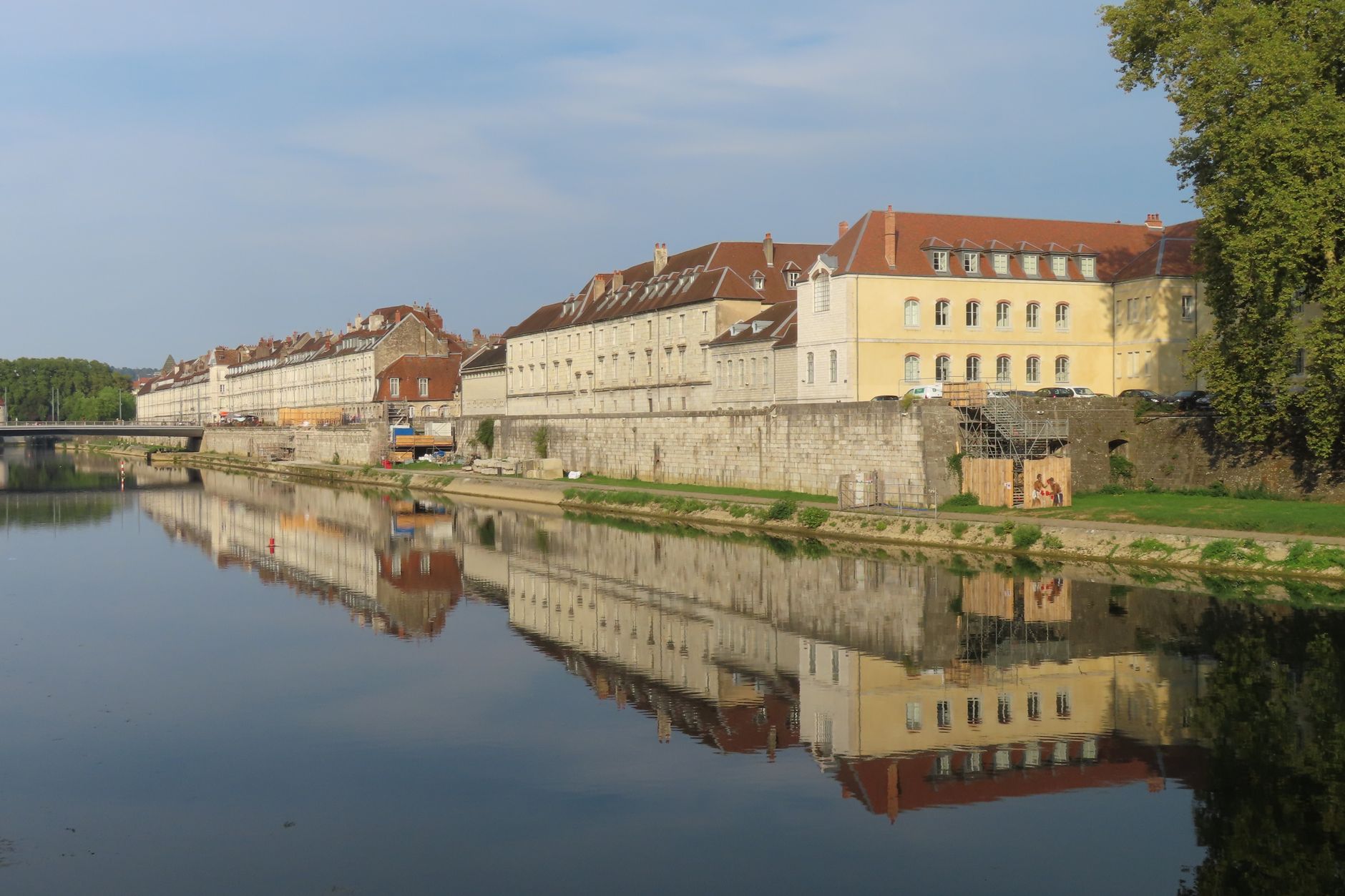
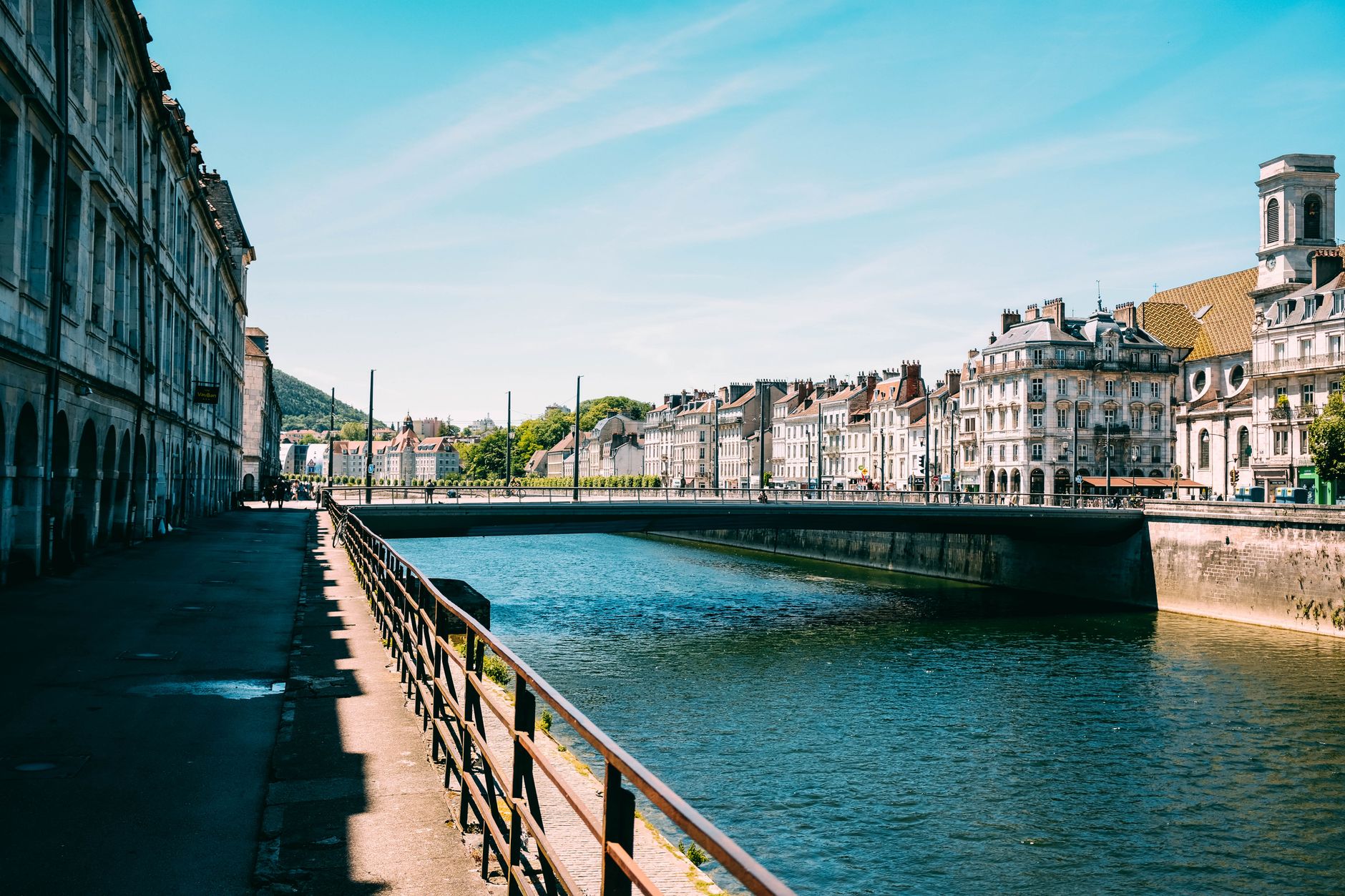
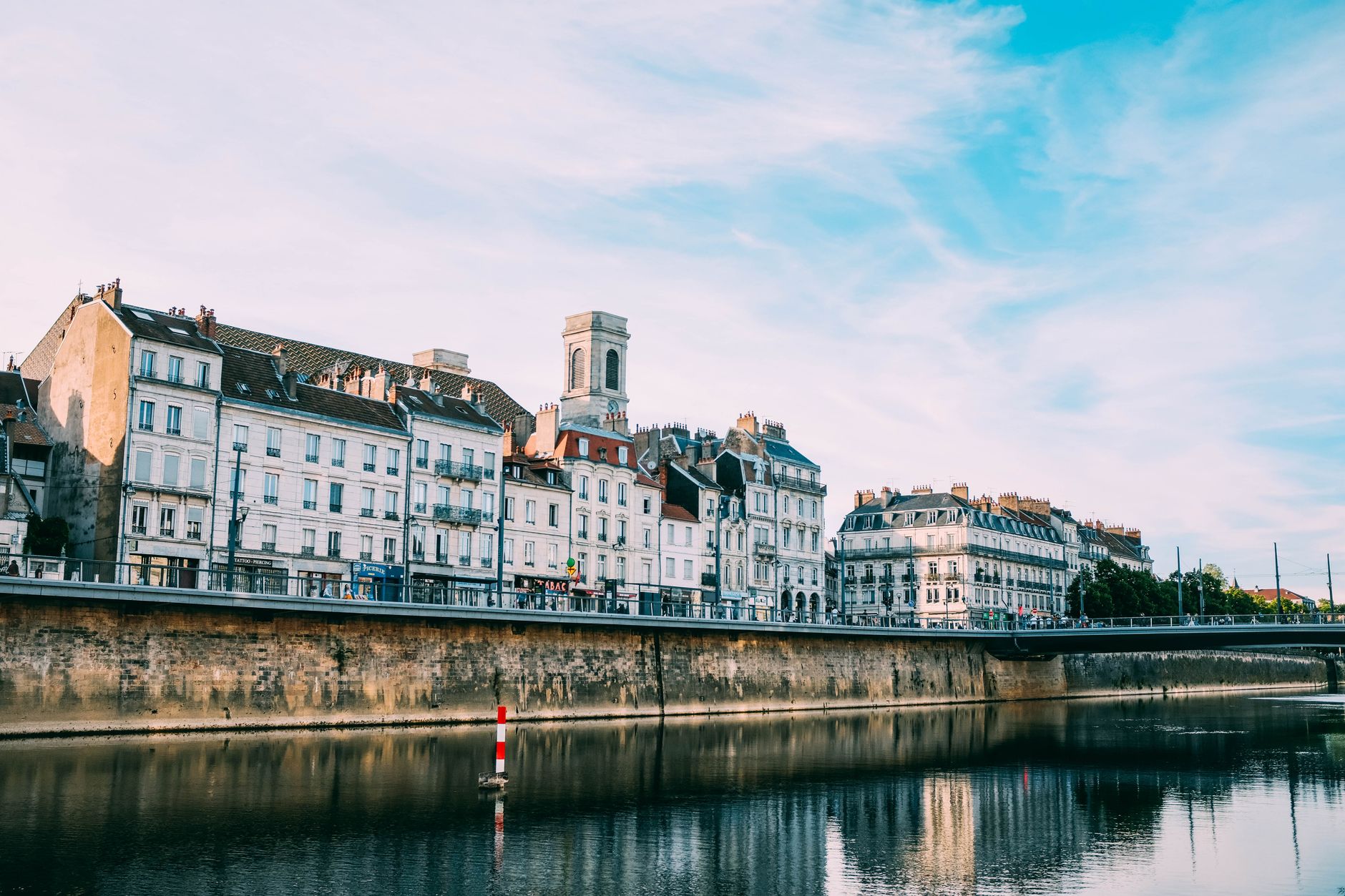
Besançon sits inside a tight loop of the Doubs River — the Gallo-Roman geographers called it a natural fortress, and walking the Grande Rue today you can see why. The street runs along the spine of a peninsula, past the house at No. 140 where Victor Hugo was born, past a Roman triumphal arch from 175 CE still standing at full height, past the cathedral where a Fra Bartolomeo painting has hung since 1512.
The city spent centuries passing between empires — Sequani Gauls, Julius Caesar, the Holy Roman Emperor, the Habsburgs, Louis XIV — and each left something physical behind. What you get now is a compact old town dense with layered time, plus a citadel by Vauban perched nearly a hundred metres above the river, listed as a UNESCO World Heritage Site.
💛 What travellers fall for
People who come back tend to mention the Museum of Fine Arts and Archaeology before almost anything else — founded in 1694, it predates the Louvre as France's first public museum by nearly a century, and it never feels crowded. The Astronomical Clock inside the Cathedral of Saint-Jean, 30,000 parts tracking tides and planetary movements, is worth a second look once you've read what it actually does.
Experiences you don't want to miss


Deals in Besançon
Book directly at the provider
How Besançon came to be
Caesar described Vesontio in 58 BCE as the largest town of the Sequani — strategically placed, well-supplied, nearly encircled by water. He took it, and Rome stayed long enough to build an amphitheatre for 20,000 people and the triumphal arch now called the Porte Noire. Christianity arrived early; an archbishopric was established in the 2nd century.
The medieval and early modern centuries handed the city between powers: Frederick Barbarossa made it a free imperial city in 1184, the Burgundian dukes absorbed it in the 14th century, and through Habsburg inheritance it passed to Austro-Spanish control until Louis XIV finally secured it in 1674. Two years later Besançon formally became the capital of Franche-Comté, inheriting the regional parliament, university and mint from Dole. In 1793 Swiss refugees led by Genevan watchmaker Laurent Mégevand founded a watch factory here, seeding an industry the city would carry for generations.
Who and what shaped it
People who shaped it
Landmark buildings
See Besançon in motion
Plan your visit
On the map
When to go
Summers are warm and mostly dry, making June through September the most comfortable window for walking the old town and the citadel grounds. Winters can be cold and grey, with occasional snow, though the indoor museums — including the oldest in France — give the colder months their own logic.
Right now
Background & history adapted from Wikipedia (CC BY-SA) · specs from Wikidata (CC0) · weather from Open-Meteo · map data © OpenStreetMap contributors · photos from Wikimedia Commons / Unsplash with per-image credit. No third-party reviews or social posts reproduced.