
Bourgogne-Franche-Comté (Burgundy)

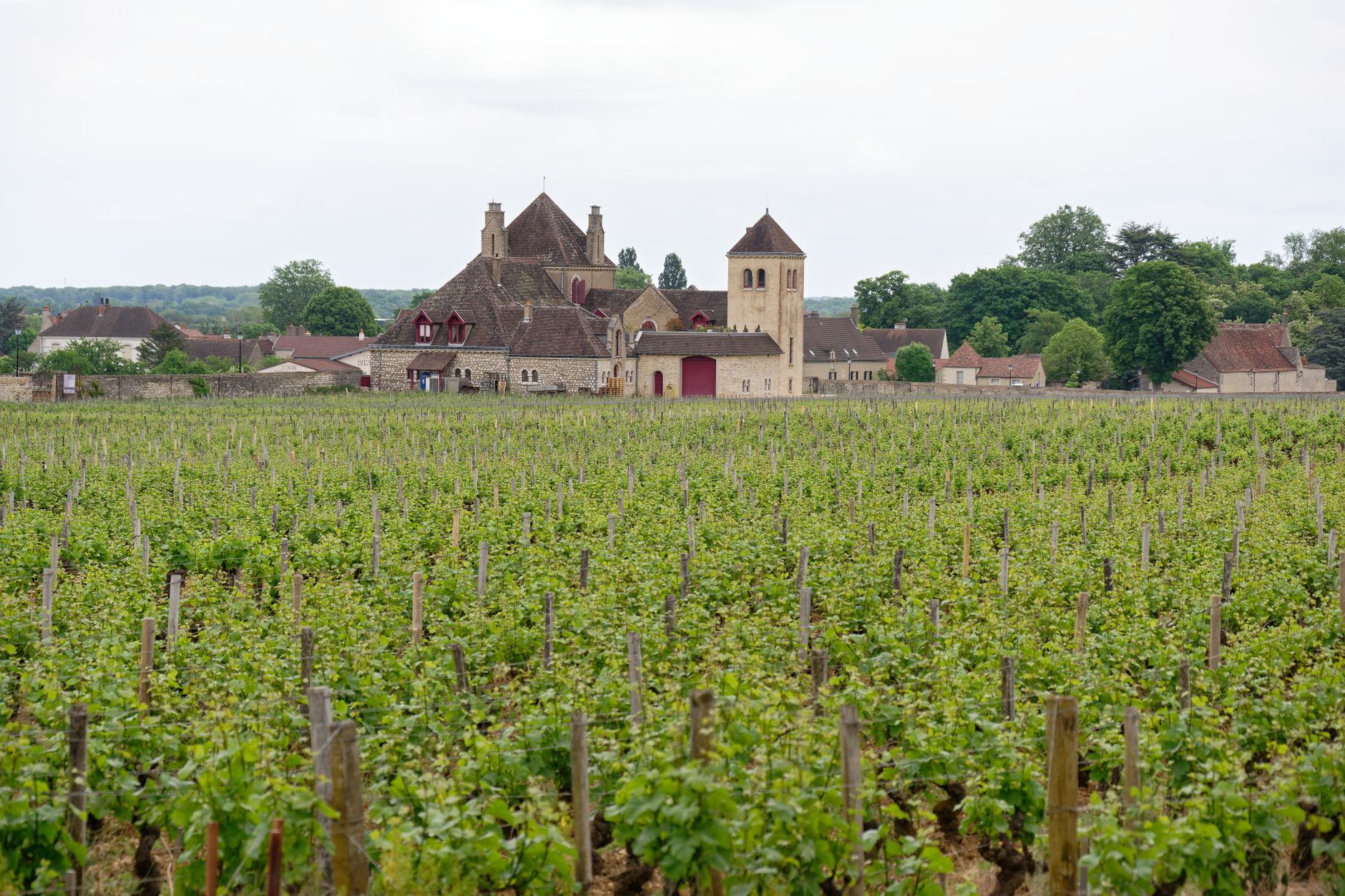
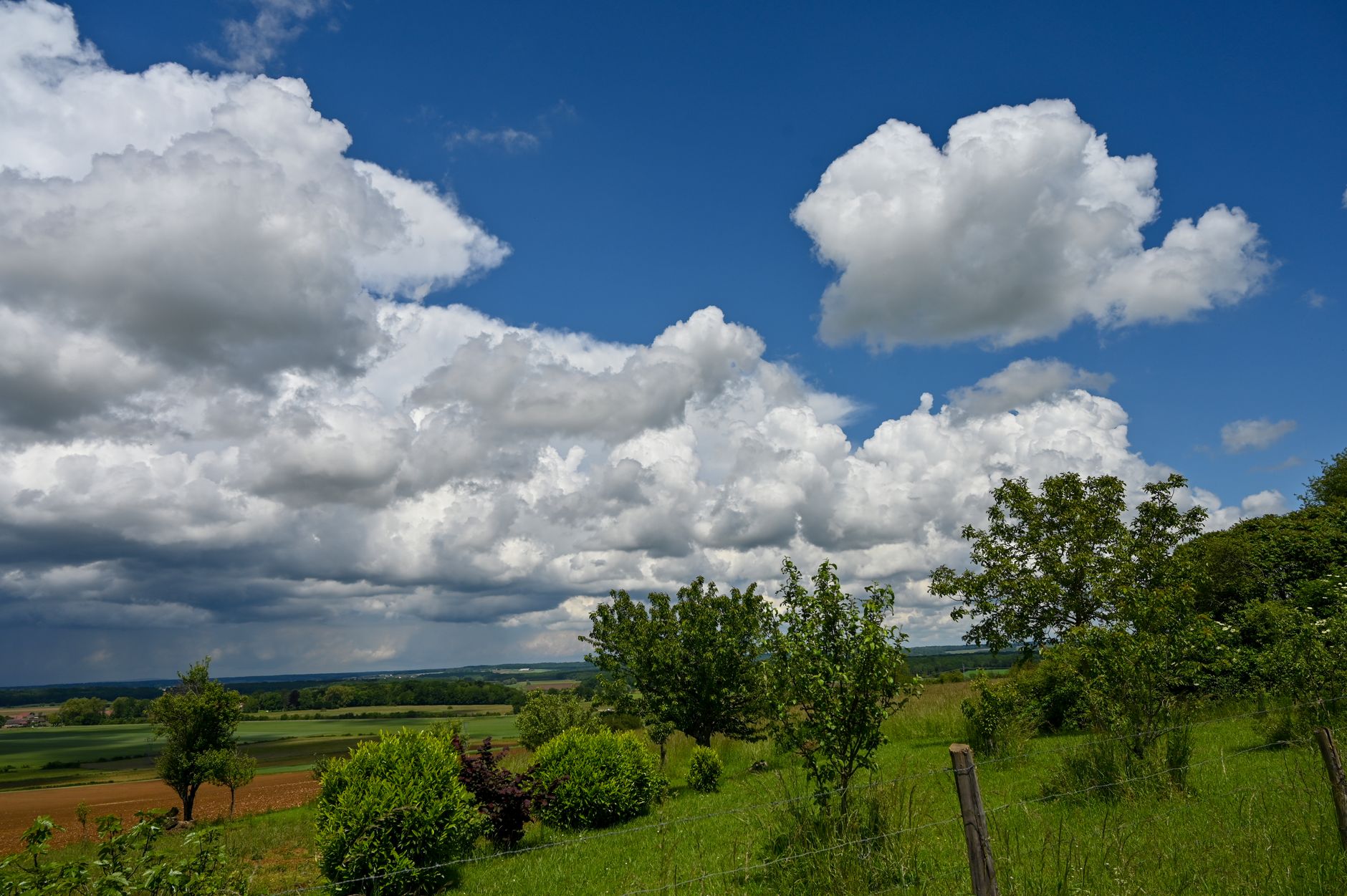
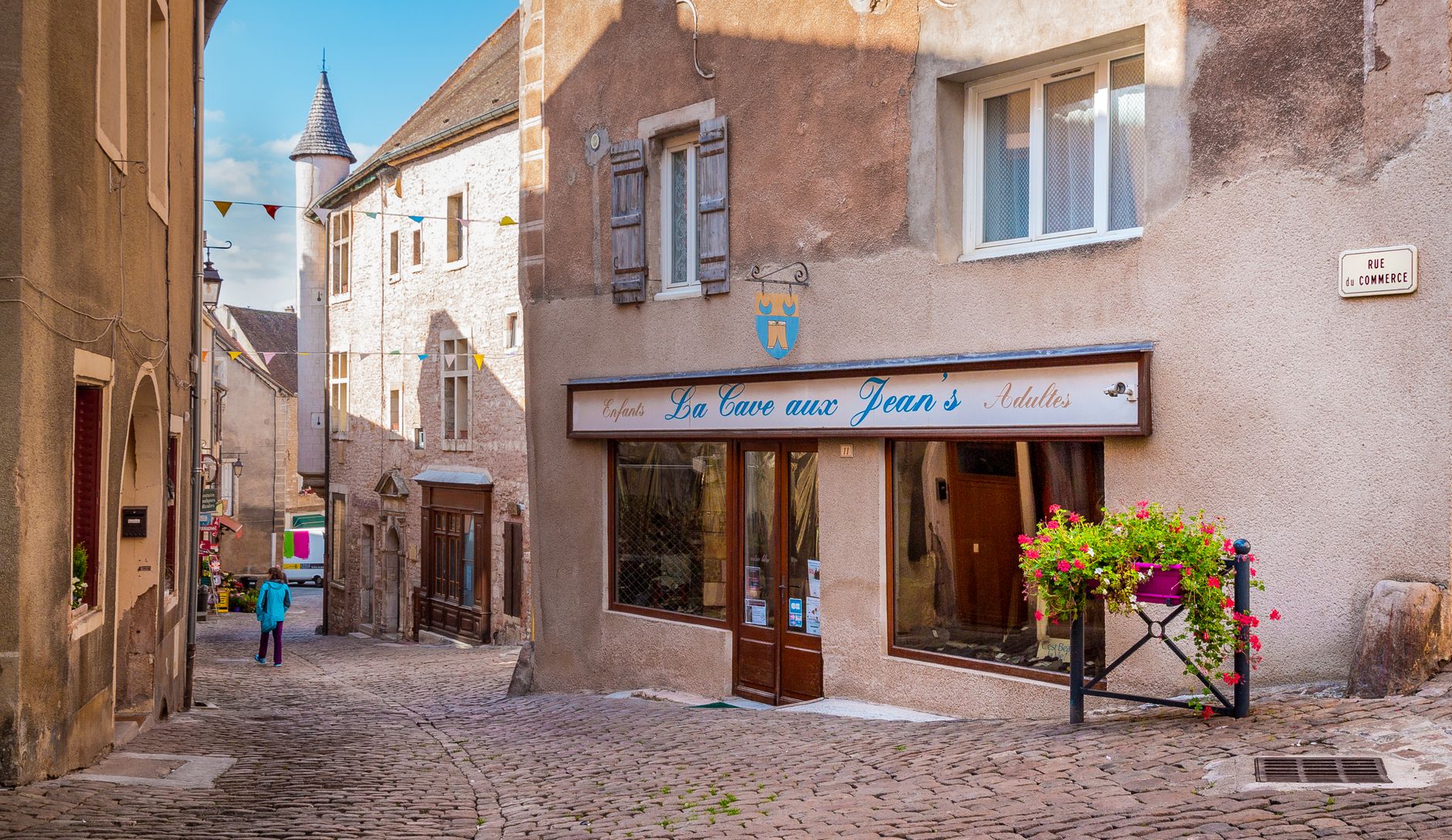

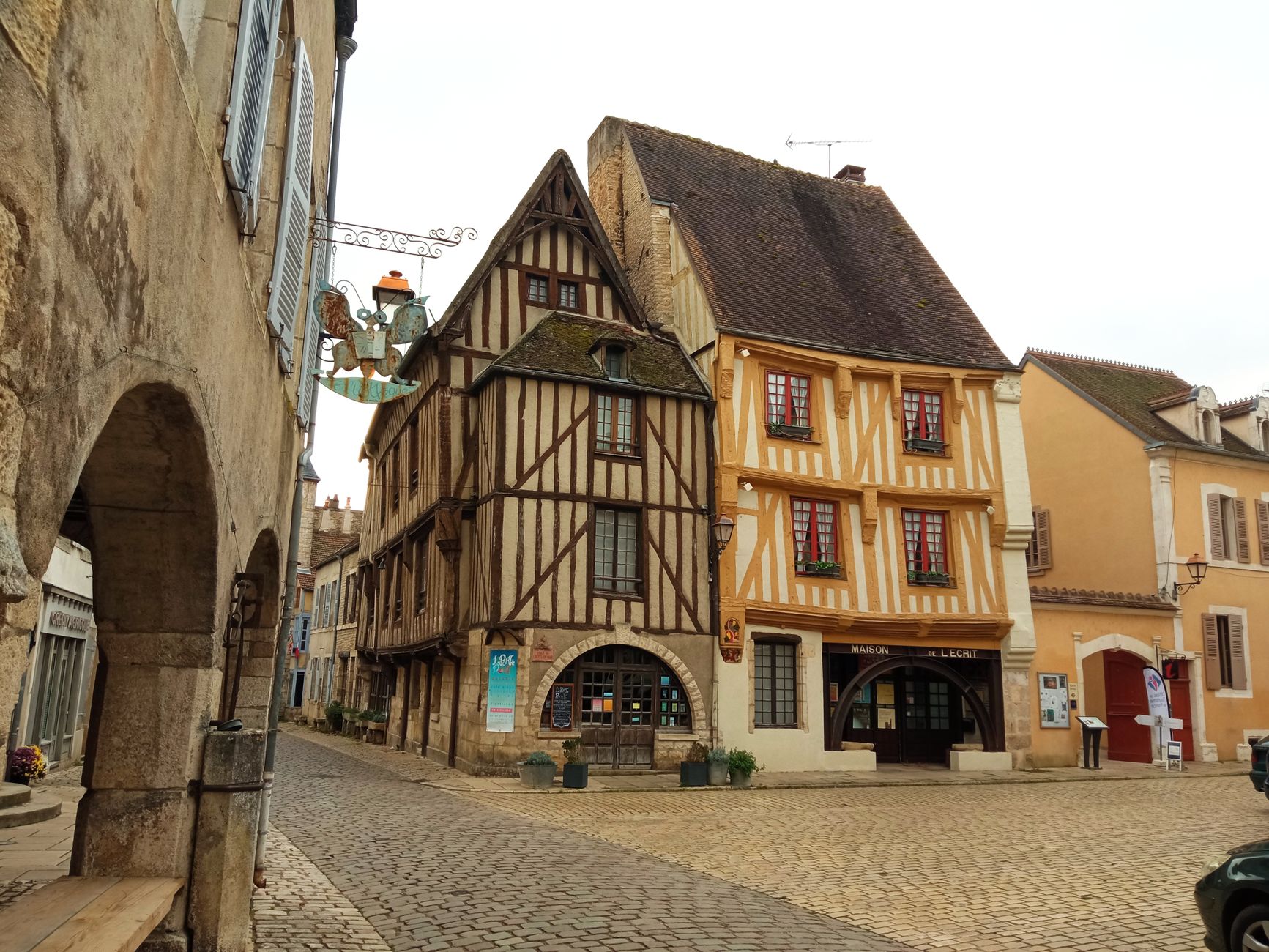
Two regions became one in 2016 — the old Duchy of Burgundy in the west, with its limestone hills and pinot noir, and the watchmaker's country of Franche-Comté in the east, pressing up against the Swiss border and the Jura plateau. The marriage was administrative, but the territory it produced is coherent in its own way: a long corridor of France where the food and wine are taken seriously, the abbeys are genuinely old, and the landscape shifts slowly from vine-covered slopes to spruce-darkened highlands.
Dijon is the capital and the obvious entry point — a compact city with a medieval core that rewards an afternoon on foot. But the region's real pull is distributed: a Cistercian abbey here, a fortified hilltop town there, a river valley where the cheese and the mustard and the wine all taste of the same particular soil.
Popular cities in Bourgogne-Franche-Comté (Burgundy)
How Bourgogne-Franche-Comté (Burgundy) came to be
Celtic metalworkers held this land until Roman legions arrived in 52 BCE. After Rome's collapse, Germanic Burgundians settled and built a short-lived kingdom at Worms in 411 CE; the Franks absorbed them by 534. The Duchy of Burgundy re-emerged in 880 with Dijon as its seat, and for several centuries it was among the most powerful forces in Western Europe — its dukes commissioning abbeys, founding hospitals, and shaping what we now call Romanesque architecture. That era ended when France folded the duchy in 1477.
The eastern half has its own complicated past. Franche-Comté passed through Burgundian marriage, Habsburg rule, and repeated military conquest before Louis XIV definitively annexed it by the Treaty of Nijmegen in 1678. The two halves didn't share an administrative identity until 2016, when France reduced its regions from 21 to 13 and joined them under a single council.
Who and what shaped it
People who shaped it
Landmark buildings
See Bourgogne-Franche-Comté (Burgundy) in motion
Plan your visit
On the map
When to go
Summers are warm and mostly dry, though the Jura highlands in the east run cooler and wetter than the Burgundy plain. Winters are cold and sometimes snowy, particularly at elevation; spring arrives gradually, and autumn — harvest season across the vineyards — brings low golden light and the smell of fermentation in every village.
Right now
↡ Cities
Background & history adapted from Wikipedia (CC BY-SA) · specs from Wikidata (CC0) · weather from Open-Meteo · map data © OpenStreetMap contributors · photos from Wikimedia Commons / Unsplash with per-image credit. No third-party reviews or social posts reproduced.