
Benalmádena
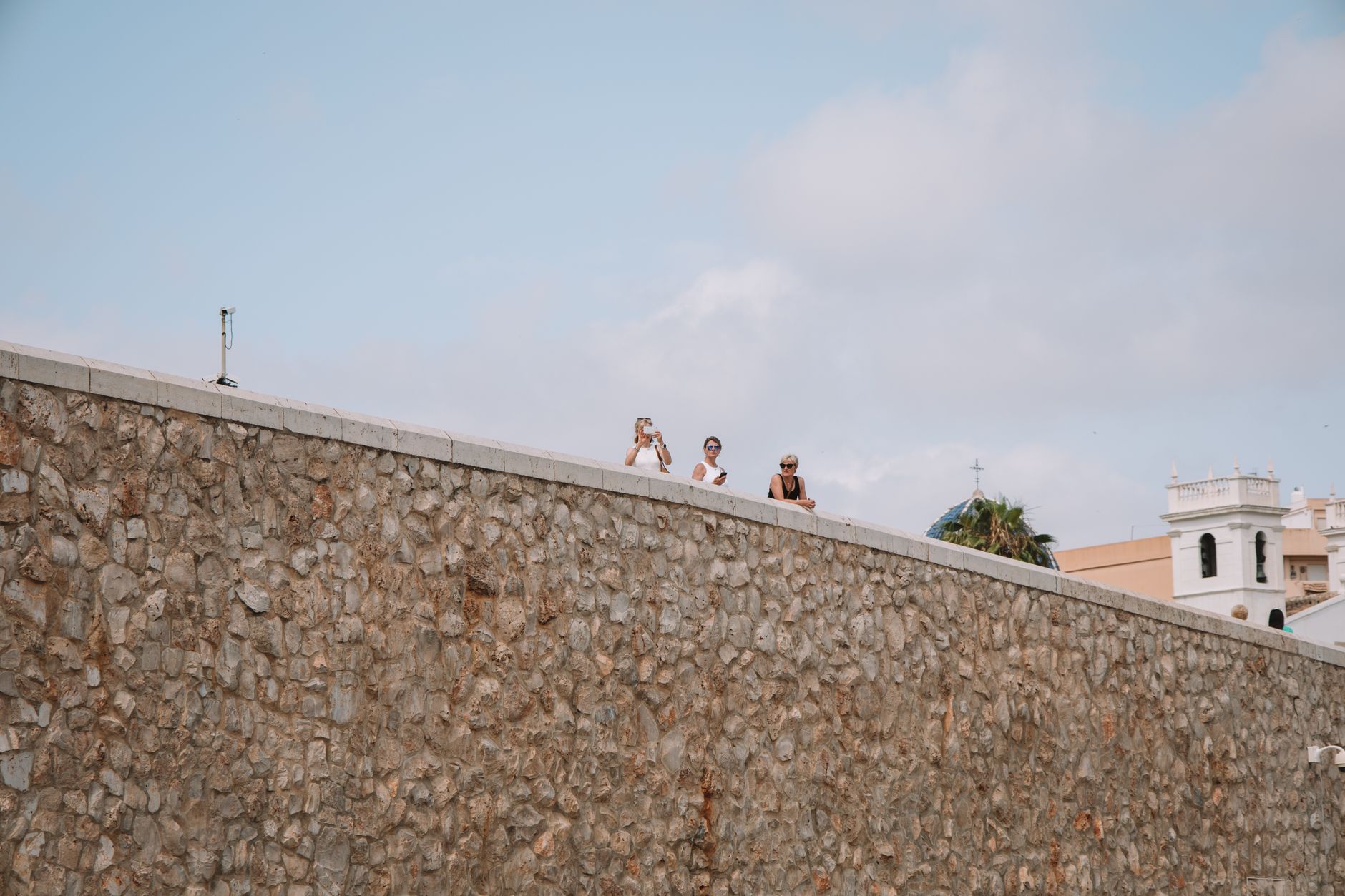
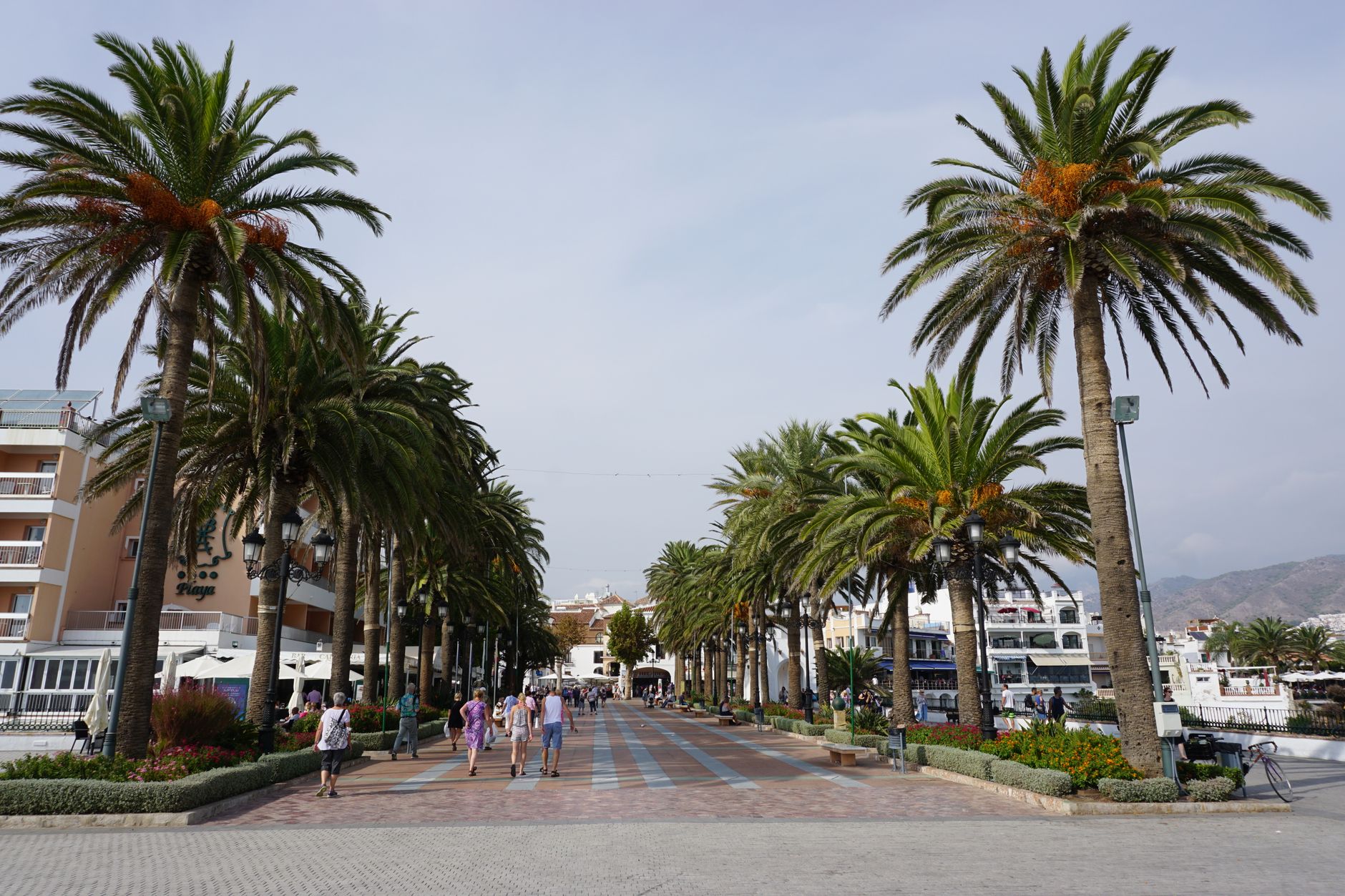
The name comes from the Arabic Ibn al-ma'din — son of the mines — and the iron and ochre that drew Phoenicians here in the 8th century BC still colour the hillsides above the coast. Benalmádena is three places at once: a whitewashed pueblo sitting 200 metres above sea level on a ridge inland, a marina that has twice been named the world's best, and a coastal strip that reinvented itself around tourism in the 1950s and never really stopped.
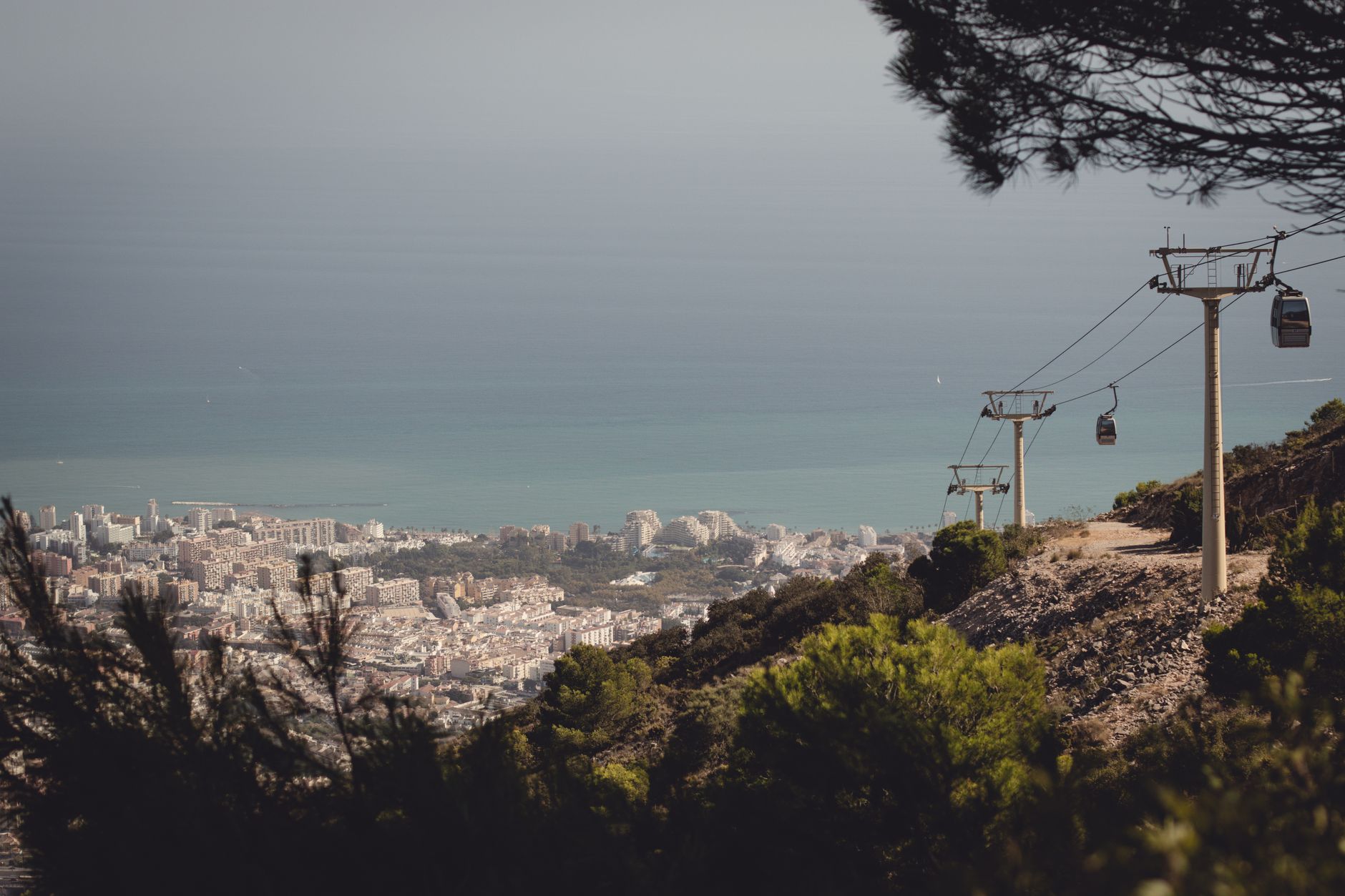
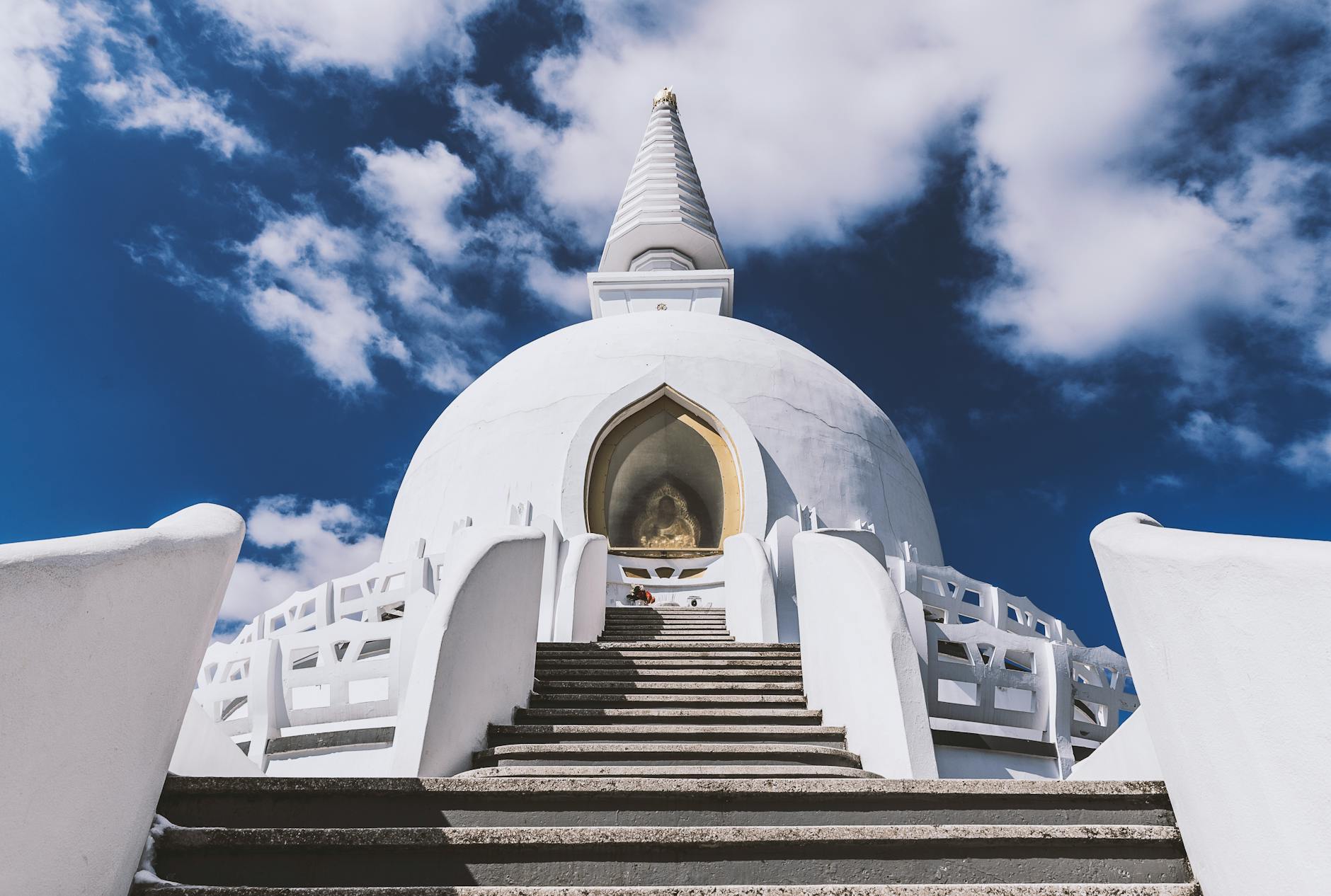
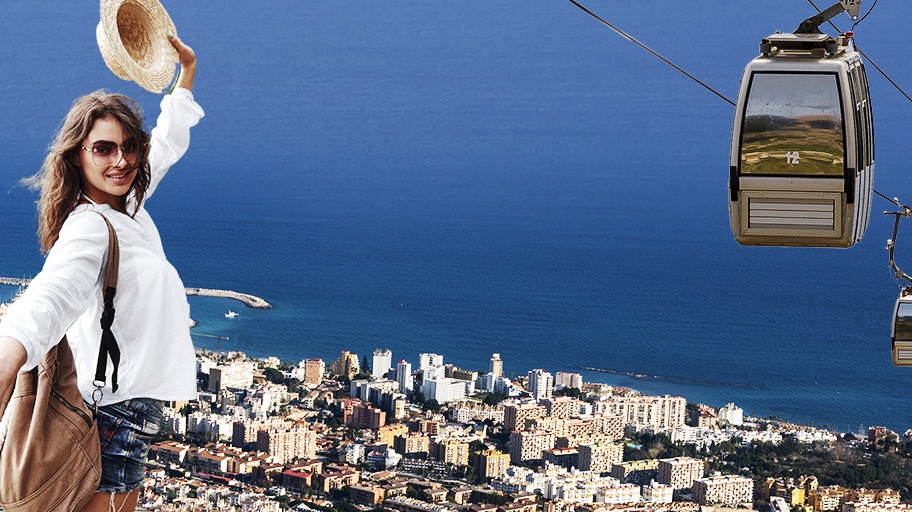
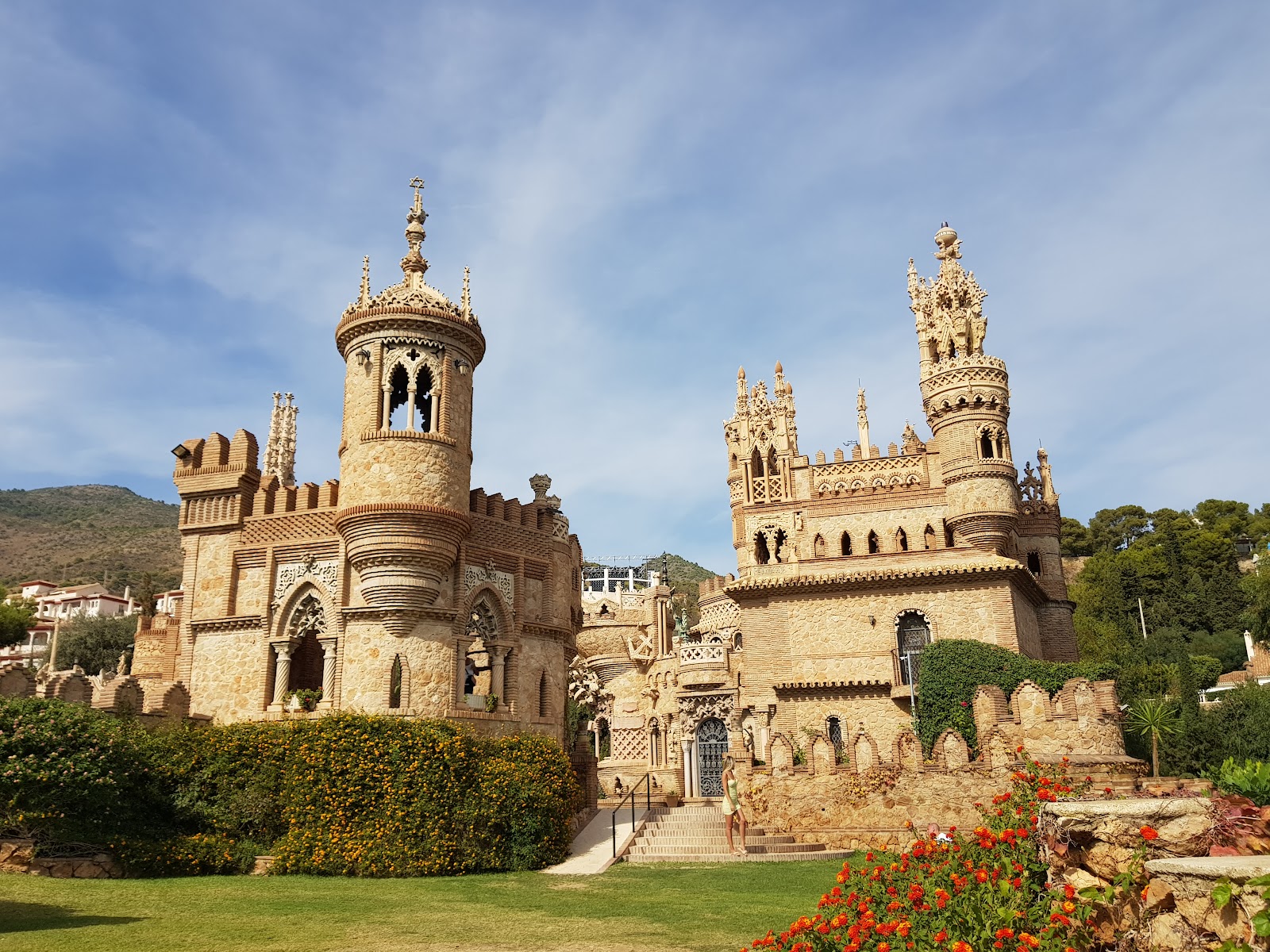
What holds it together is a certain willingness to be several things without apology. A 33-metre Buddhist stupa inaugurated in 2003 stands as the largest in Europe. A castle built by one man between 1987 and 1994 is the world's largest monument to Christopher Columbus. The cable car climbs to 769 metres on Calamorro, and on a clear day you can see Morocco.
💛 What travellers fall for
People who come back tend to start mornings in Benalmádena Pueblo — coffee in the plaza before the heat sets in — then take the teleferico up Calamorro in the afternoon when the haze lifts. The marina at dusk, walking the pontoons past the Sea Life aquarium, is quieter than the restaurants behind it suggest.
Experiences you don't want to miss


Deals in Benalmádena
Book directly at the provider

How Benalmádena came to be
Settlement here goes back around 20,000 years, evidenced by three caves — Cueva del Toro, Cueva del Botijo and Cueva de la Zorrera — in the hills above town. Phoenicians worked the mineral deposits in the 8th and 7th centuries BC; Romans left behind the ruins of a coastal salting factory called Benal-Roma. By the 11th century, the population had concentrated into a walled town and fortress at what is now Benalmádena Pueblo. That fortress was destroyed in 1456 during Henry IV of Castile's campaign against the Nasrid Kingdom of Granada. Two Almenara watchtowers built along the coast in the 15th century to watch for Barbary pirate raids still stand.
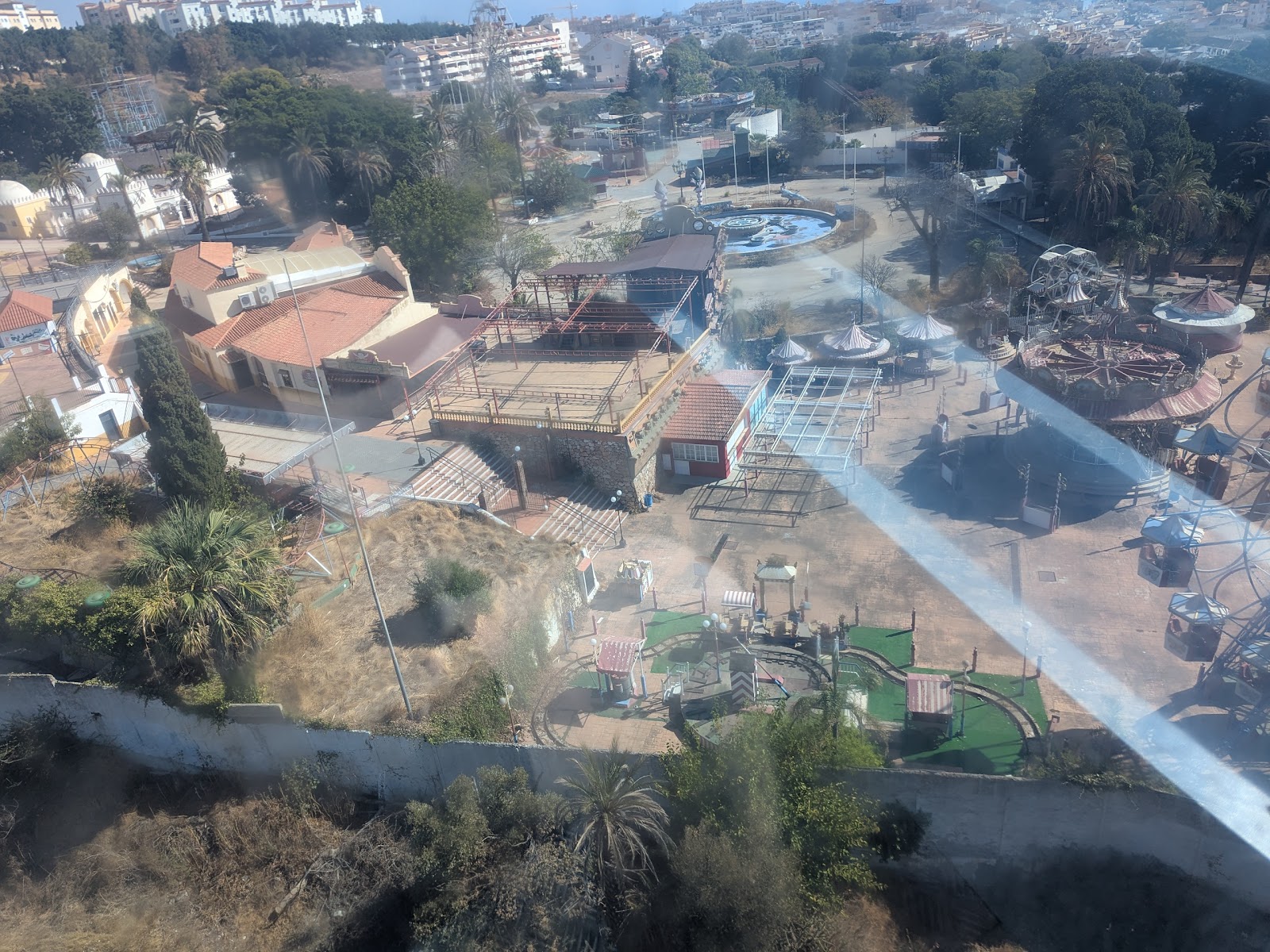
The 19th century brought muscatel vineyards and wine production until phylloxera ended that chapter. Then came the 1950s, mass tourism, and a second transformation: Hotel Triton in 1961, Tivoli World in 1973, the Torrequebrada casino in 1979, the marina in 1982 — a resort town assembling itself decade by decade.
Who and what shaped it
People who shaped it
Landmark buildings
See Benalmádena in motion
Plan your visit
On the map
When to go
Summers are long and dry, with July and August regularly above 30°C on the coast. Spring and autumn are mild enough for walking the pueblo's cobblestone streets without discomfort; winters are short and rarely cold, though the mountain summit can be noticeably cooler than the shore below.
Right now
↡ Attractions



Background & history adapted from Wikipedia (CC BY-SA) · specs from Wikidata (CC0) · weather from Open-Meteo · map data © OpenStreetMap contributors · photos from Wikimedia Commons / Unsplash with per-image credit. No third-party reviews or social posts reproduced.