
Benalmádena Pueblo (Old Town)

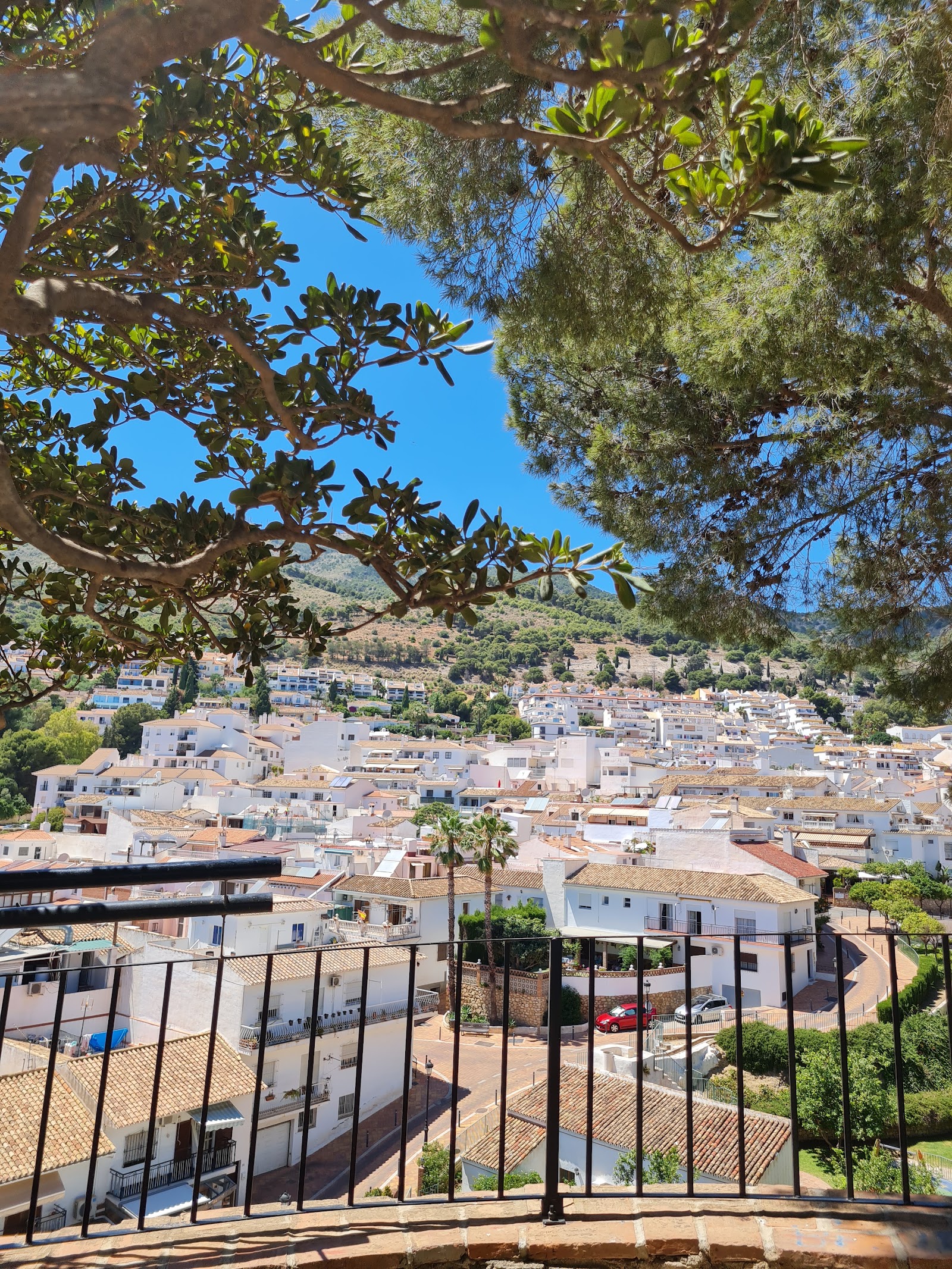
Three kilometres inland and 200 metres above the coast, Benalmádena Pueblo is an older, quieter version of itself — whitewashed walls, cobbled lanes, and geraniums in terracotta pots spilling colour onto streets that were already old when the tourist industry found the shoreline below. The name comes from the Arabic Ben Al Madina, children of the mines, a reminder that iron ore once mattered more here than sun loungers.
Plaza de España is the natural centre: orange trees, shaded benches, and Jaime Pimentel's 1967 bronze of a small girl cradling a shell. The 17th-century Iglesia de Santo Domingo de Guzmán stands a few metres away on the hill's edge, with a view down to the coast that explains exactly why people built here in the first place.
💛 What travellers fall for
People who come back tend to time it for a weekday morning, before the day-trippers arrive. The Pre-Columbian Art Museum on the square is free and almost always quiet — genuinely one of the better small collections in southern Spain. The underground car park on Calle San Miguel rarely fills, and the cafes on Plaza de España pull a local crowd well into the afternoon.
The story behind Benalmádena Pueblo (Old Town)
Arabs founded this settlement in the eighth century, working iron ore from the surrounding hills — the name preserves that fact. By the 11th century the population had consolidated behind walls and a fortress. Both were destroyed by Christian armies in the 15th century, and what followed was a long quiet: Barbary pirate raids kept settlers away, and a 17th-century earthquake finished the job.
Recovery came slowly — first through the growth of nearby Arroyo de la Miel in the 18th century, then through muscatel grapes in the 19th. The pueblo as it looks today took shape largely from the 1950s onward, when the Costa del Sol began drawing outside attention and the village found a new reason to rebuild itself.

Good to know
April to June and September to October are the sweet spots — warm without the summer heat. Take the M-126 bus from Torremolinos (30 minutes) or the C-1 train to Arroyo de la Miel and connect by bus. A few hours on foot covers the village comfortably; a full afternoon lets you slow down.
Summers run hot — August averages around 30°C — and the narrow streets offer little shade at midday. Spring and early autumn bring temperatures in the low-to-mid twenties with reliable sun; winters are mild enough for walking, rarely dropping below 9°C during the day.
Where is Benalmádena Pueblo (Old Town)?
More tickets & tours for Benalmádena Pueblo (Old Town)
Book directly at the provider
What travellers say about Benalmádena Pueblo (Old Town)
Nice little village with a lot of charm, it is worth visiting. The main square was under construction when we got there but it was still very cosy place.
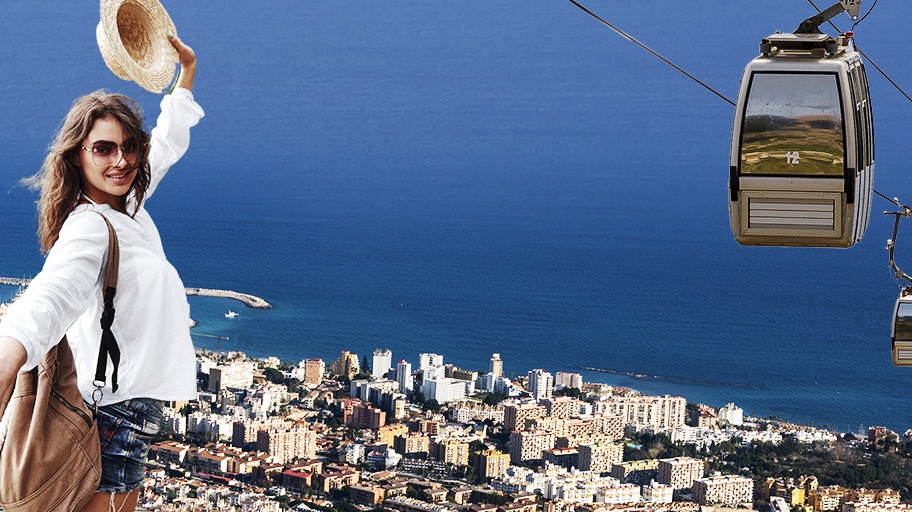
If you go here the main area seems to be Tivoli world (which is closed). There is also the cable car (but check if it's on as we went yesterday on tour bus to find it off) .. we went back to same area today as there is a large market here on a Friday ... And was surprised to see the cable car open (the queue was massive and wasn't moving fast so didn't do it) . From that area get on local bus to butterfly park and the budist temple. Worth going to. The bus is 121 or 112 or 126
Benalmadena Pueblo is the most friendly place I have ever been. The Bar Coral is a bar/restaurant where you can cit on your own, or talk with others. When you return, next week, next month, next year, they will remember you, and what you drink. Never found anywhere else like it, and I have travelled. Do yourself a favour and visit it. You will return. I guarantee it..
Lovely village to visit
Delightful little town..
More of Benalmádena
Discover where to stay, what to do and the best deals for your trip.
Explore Benalmádena →More attractions in Benalmádena
All of Benalmádena →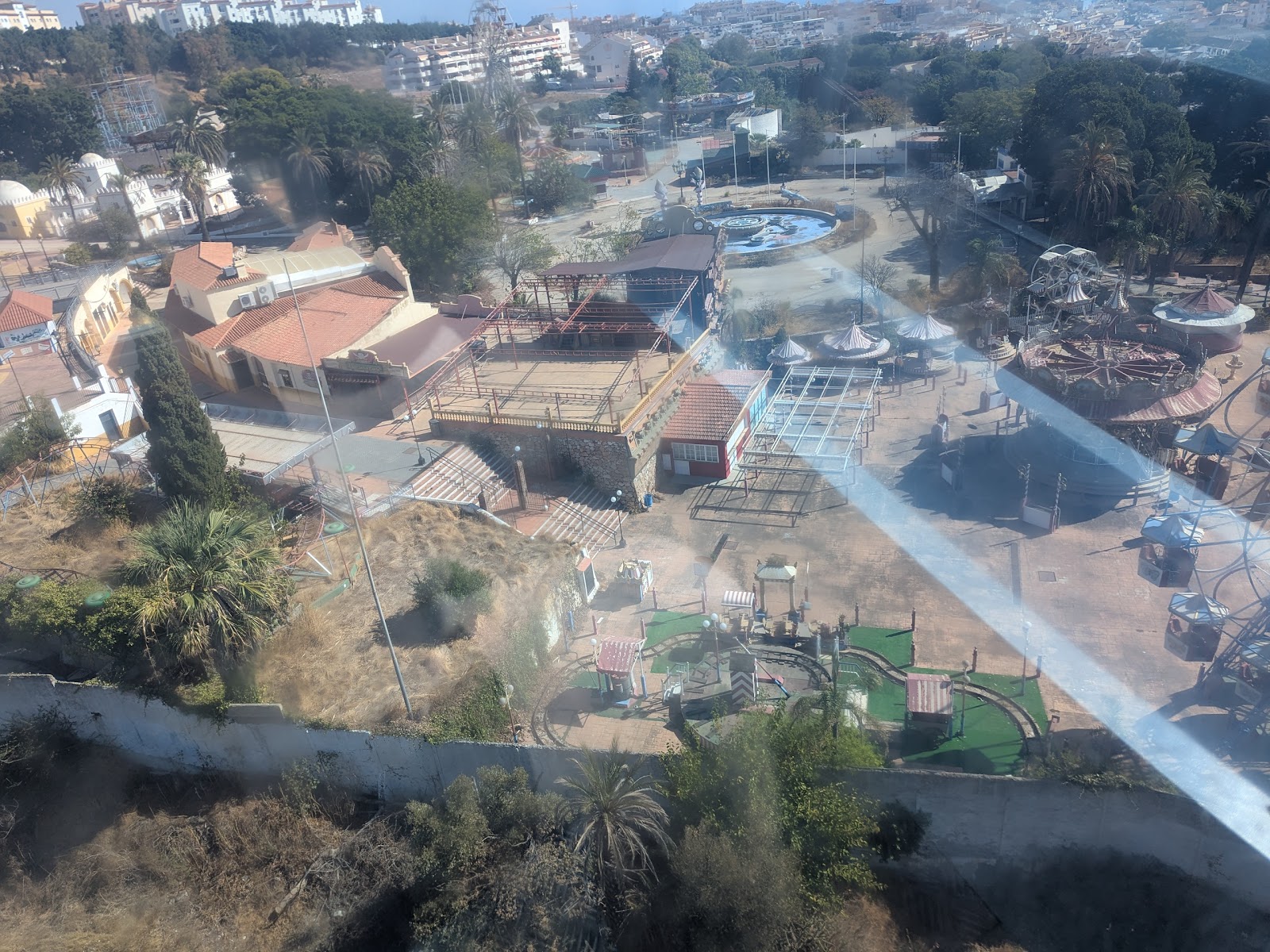

Background adapted from Wikipedia (CC BY-SA) · map data © OpenStreetMap contributors · ratings & place photos via Google · other photos with per-image credit. Ticket links may earn us a commission at no extra cost to you.