Triana Neighbourhood
Separated from the city centre by the Guadalquivir River, Triana has always considered itself a republic unto itself — the birthplace of flamenco dynasties, the home of Seville's ceramics tradition and the neighbourhood that still throws the best street parties during Semana Santa. Cross the Puente de Isabel II and you enter a different, slower, more local Seville.
Flamenco and Culture
The Centro Andaluz de Arte Flamenco (CAAF) on Plaza del Altozano is a free museum dedicated to the art form with archival footage, costumes and instruments spanning 200 years. It is a far more honest introduction to flamenco than any tourist tablao, and it is completely free of charge.
For live flamenco, the small venue Casa Anselma on Calle Pagés del Corro operates on a joyously anarchic schedule — there are no tickets, no set times and no tourists-welcome signs. Show up after 23:00, knock, and if the door opens you will witness some of the most raw, unrehearsed flamenco in the city.
Streets and Riverside
Calle Alfarería (Potter's Street) is exactly what its name promises: a succession of workshops where artisans hand-paint the blue-and-white azulejo tiles that have decorated Seville's buildings for five centuries. Prices are honest and you can watch pieces being made before you buy.
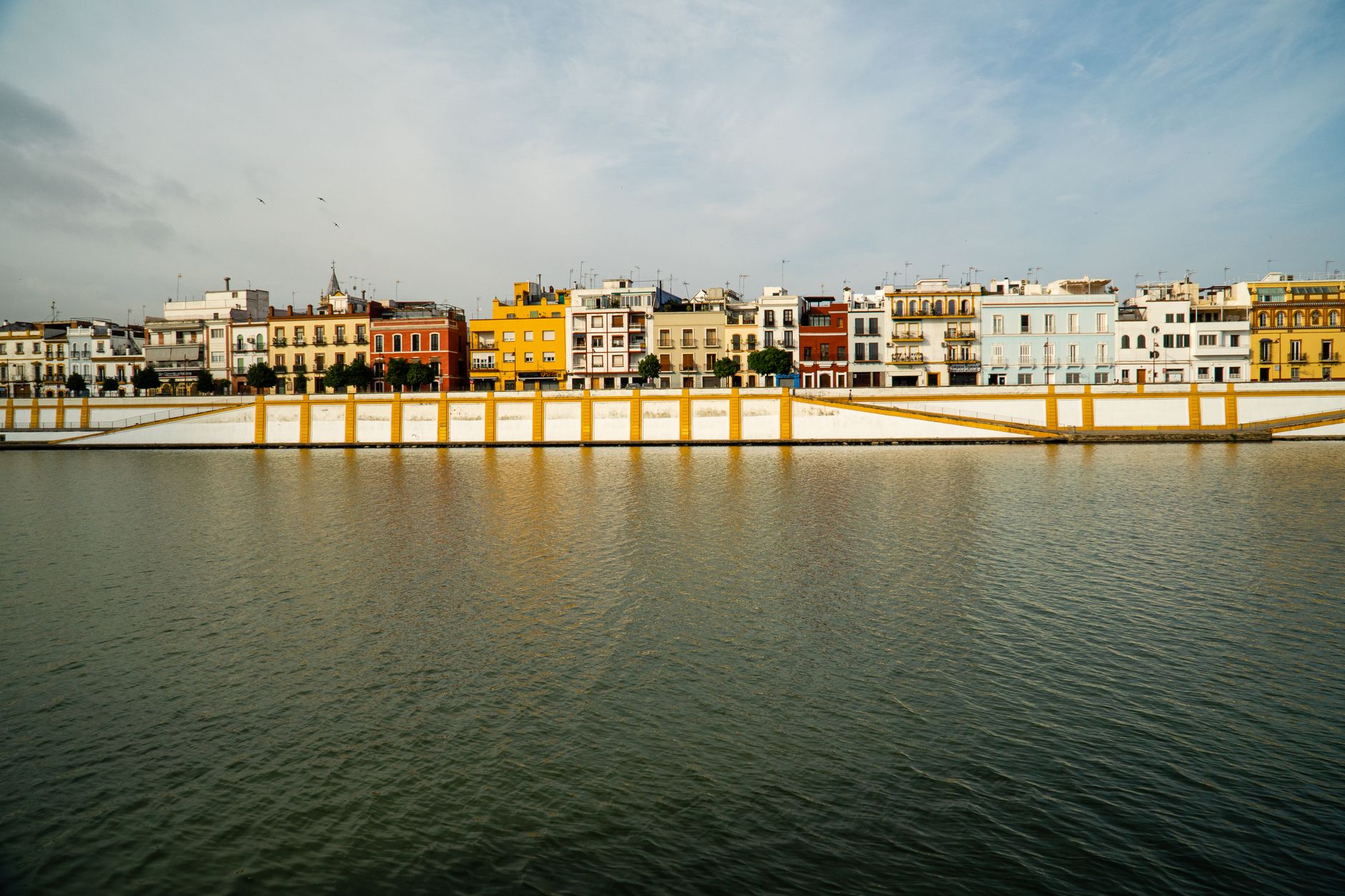
The riverside Calle Betis, running along the east bank of the Guadalquivir, is lined with bars and restaurants whose terraces face directly back at the Torre del Oro and the Seville skyline. At sunset this strip becomes one of the great urban panoramas of southern Europe — pull up a stool, order a cold beer and watch the light change over the water.
More of Seville
Discover where to stay, what to do and the best deals for your trip.
Explore Seville →