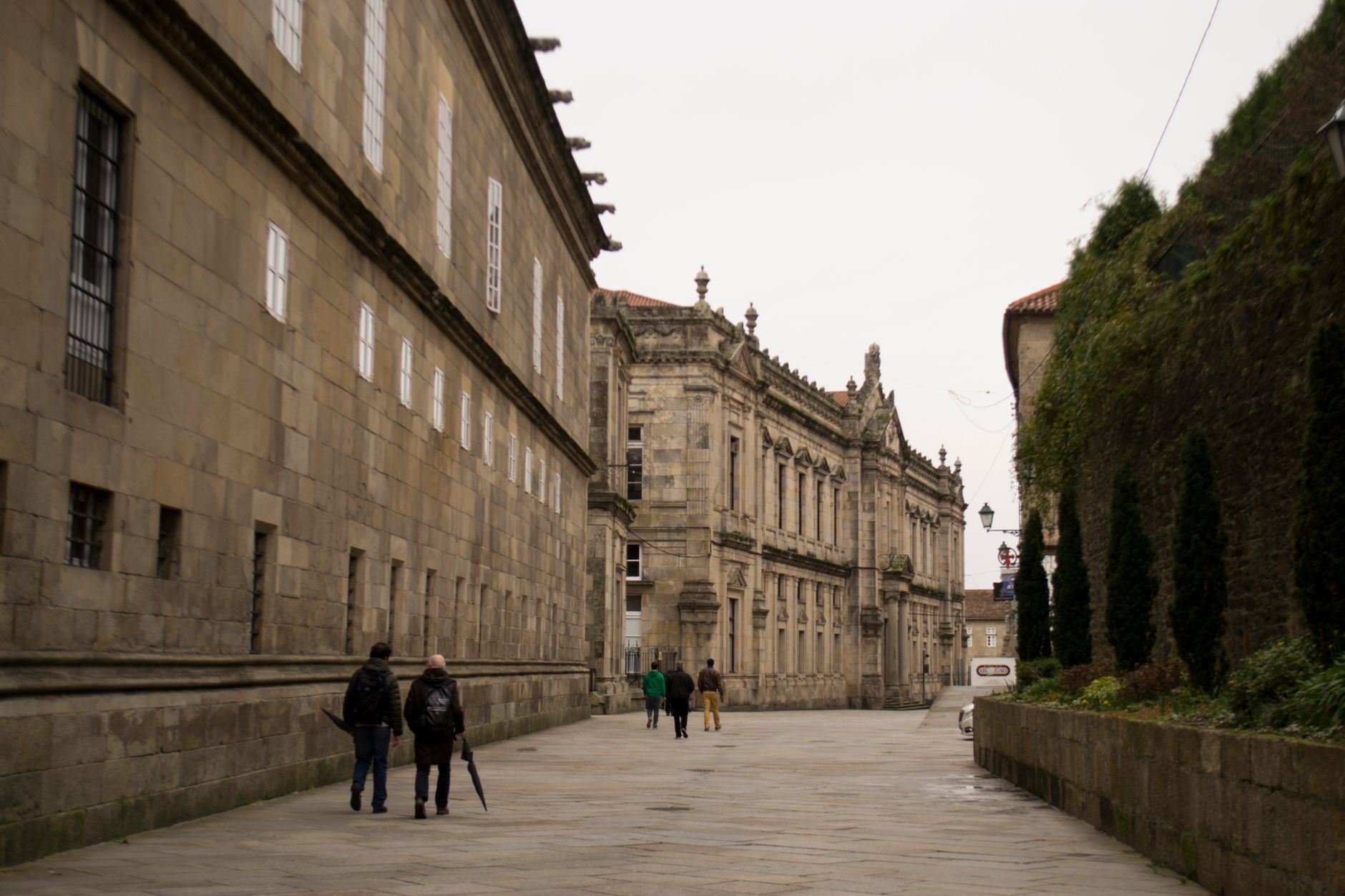
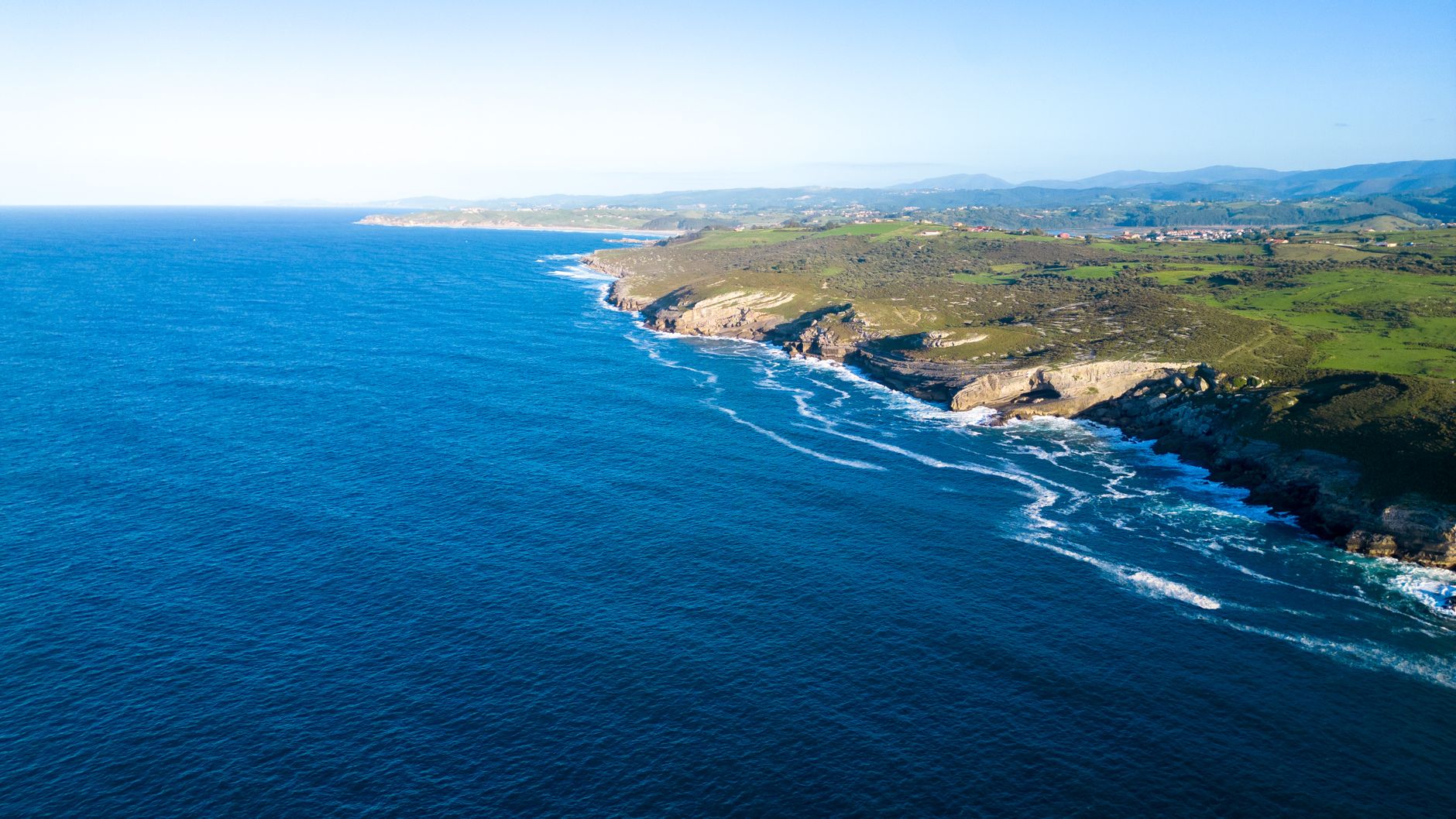
A Cidade Vella (Old Town), A Coruña
While Santiago gets the pilgrims and Vigo gets the ferries, the old town of A Coruña — a compact granite peninsula jutting into the Atlantic — quietly offers one of the most architecturally distinctive streetscapes in Spain: the famous galerías, rows of enclosed glass balconies that turn the entire seafront into a glittering crystal wall.
The Galerías and the Seafront
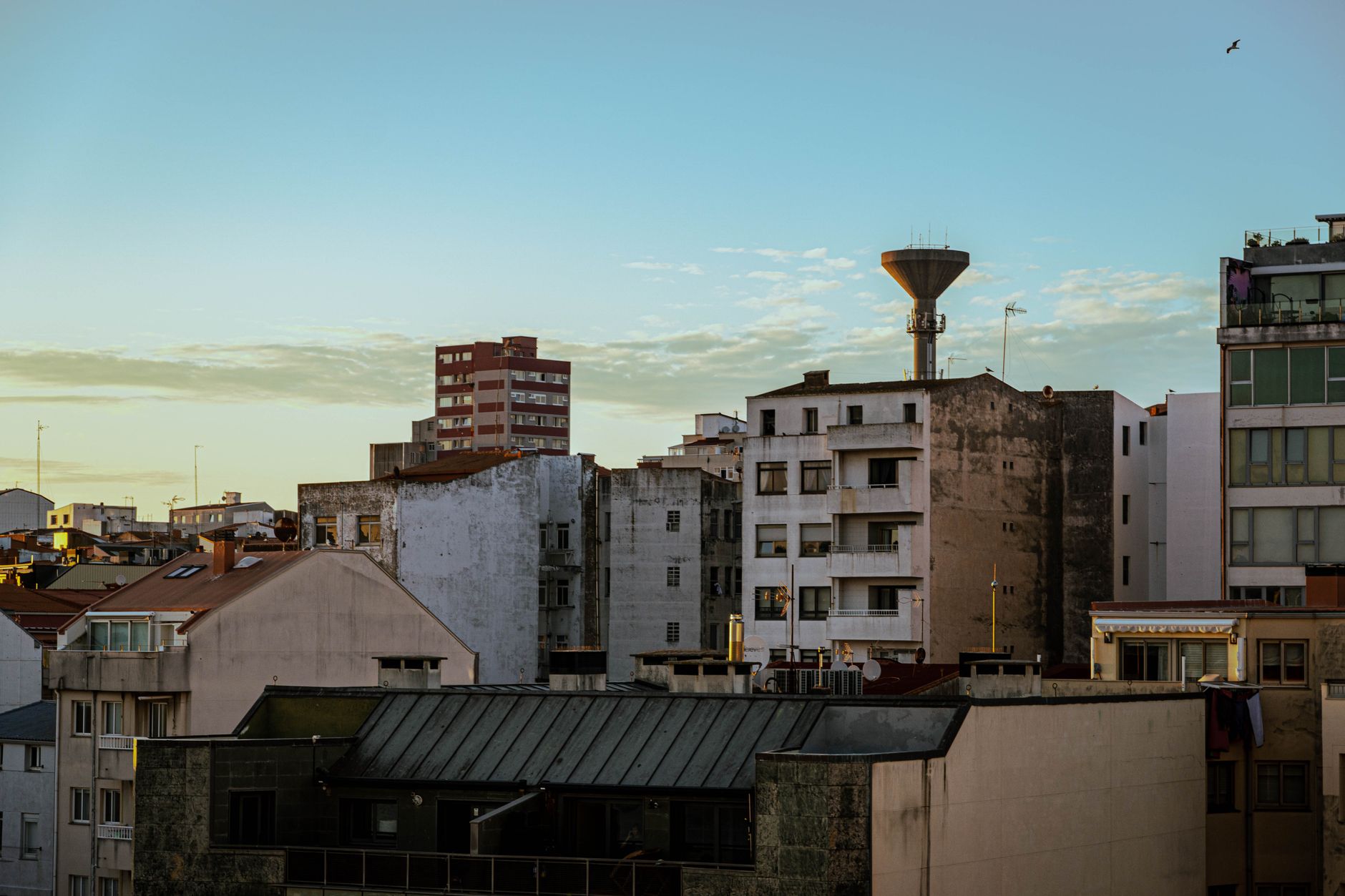
The Avenida da Marina and the Parrote seafront promenade are lined with 19th-century buildings whose façades are almost entirely glazed — the galerías were designed to trap Atlantic light while sheltering residents from the wind and rain. On a sunny morning the whole frontage blazes white and silver, and the effect is unlike anything else in European architecture.
Walk the full length of the Paseo Marítimo (8 km, one of the longest urban seafront promenades in Europe) from the old town around to the Torre de Hércules — a working Roman lighthouse, the oldest in the world, and a UNESCO World Heritage Site since 2009.
Inside the Old Town
The Cidade Vella itself is a tight medieval grid of narrow streets around the Romanesque Colexiata de Santa María do Campo (12th century) and the elegant Praza de María Pita, named after the local heroine who warned the city of Francis Drake's 1589 attack. The square's arcaded café terraces are the best place in the city for a morning coffee and a tarta de Santiago.
The Museo de Belas Artes de A Coruña on Rúa Zalaeta holds an underrated collection including works by Goya, Rubens and a strong room of Galician Modernist painters. Admission is free on Sundays and the building itself — a converted 17th-century convent — is worth the visit alone.
More of Galicia
Discover where to stay, what to do and the best deals for your trip.
Explore Galicia →