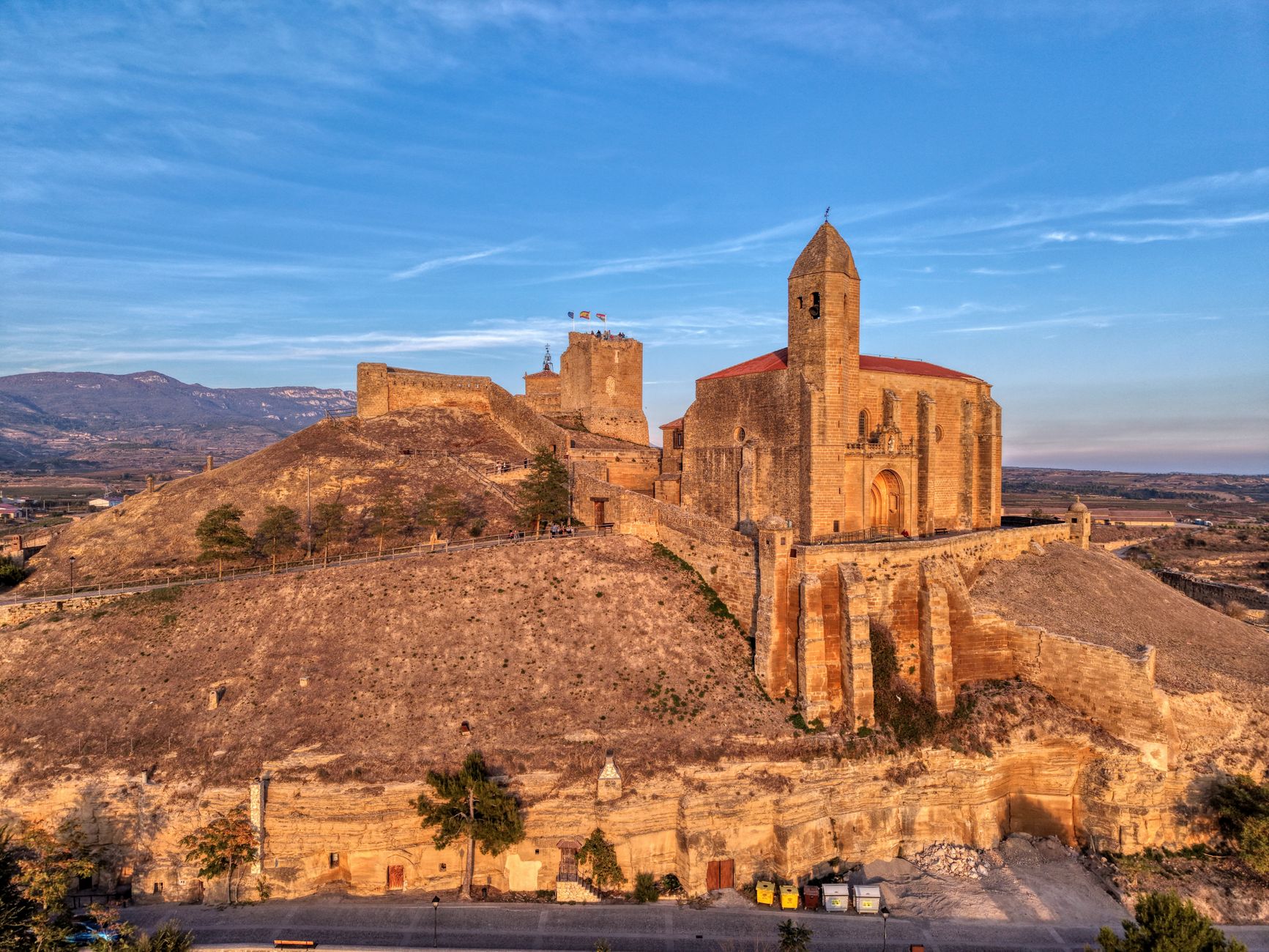
Río Jiloca & the Laguna de Gallocanta Corridor
Thirty kilometres south of Daroca, the Laguna de Gallocanta is the largest natural saline lake in Spain and one of Europe's most important staging posts for common cranes — up to 60,000 birds at peak migration — making the drive south from Daroca through the Jiloca valley one of the most rewarding wildlife detours in inland Iberia.

The Laguna de Gallocanta Experience
The lake sits in a high plateau basin at 1,000 metres elevation, ringed by low hills and working farmland, and its shallow, mineral-rich water attracts not just cranes but also flamingos, marsh harriers, pintails and vast flocks of lapwing. The Centro de Interpretación in Tornos village provides free maps and hides information.
Peak crane spectacle runs from late October through February, with the most dramatic moments at dawn and dusk when the birds lift off or land in thundering, bugling waves that can be heard kilometres away. Bring binoculars; the lake is large and the birds often concentrate on the far shore.
The Jiloca Valley Drive
The road south from Daroca through Used, Gallocanta and Tornos is a genuine back-road pleasure: dry-stone walls, fields of saffron crocus (flowering in October, a brief and beautiful purple carpet), medieval village churches and almost no traffic. Allow two hours to do it justice rather than rushing.
The Río Jiloca itself, which flows north past Daroca, supports a narrow ribbon of poplar woodland that turns vivid yellow in October and November — a colour contrast against the ochre plateau that makes for effortlessly beautiful photography from any of the roadside pull-offs along the N-234.
More of Daroca
Discover where to stay, what to do and the best deals for your trip.
Explore Daroca →