Loire Riverbank & Grèves de Chaumont — Wild Sandbank Walking
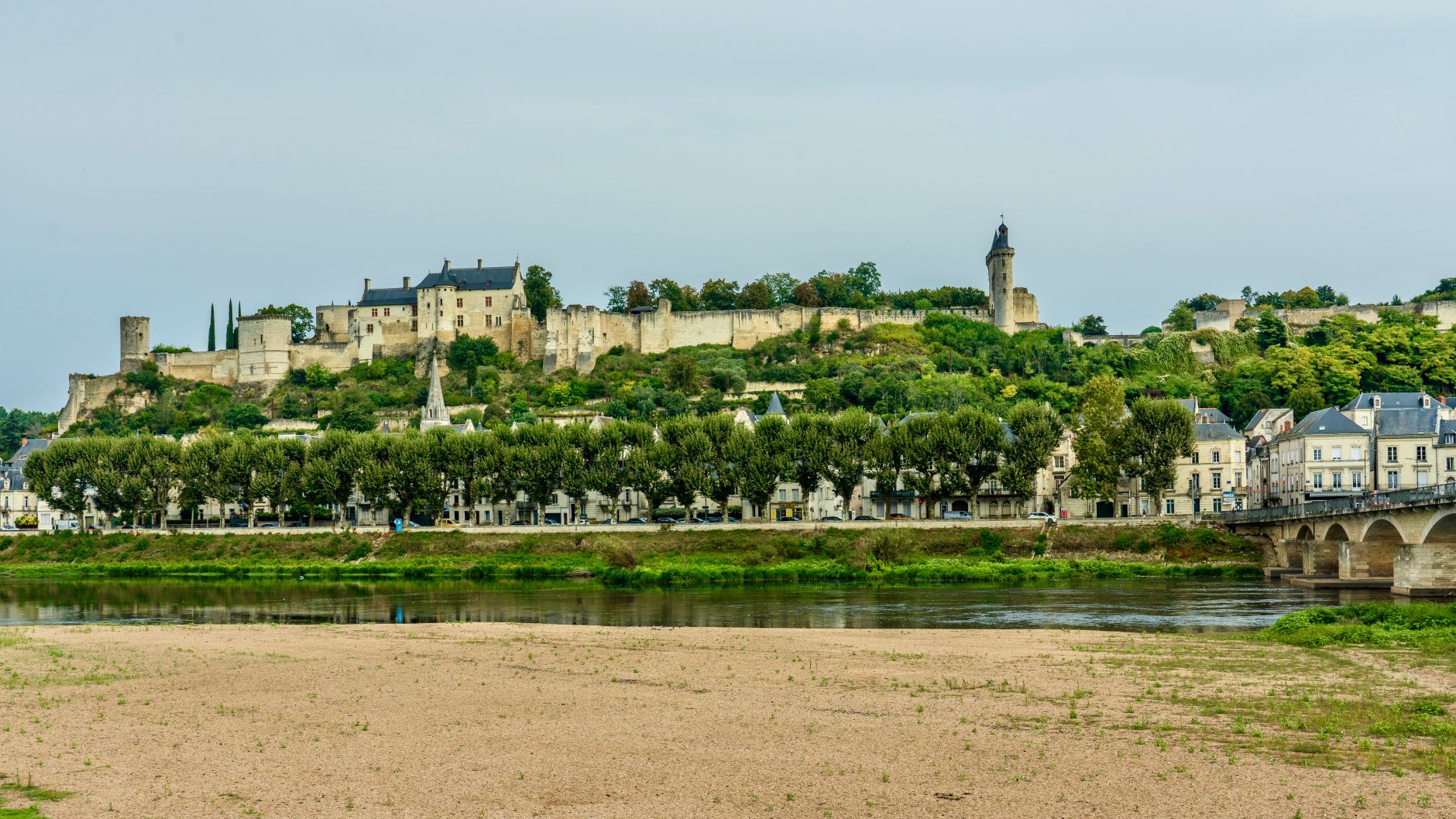
Below the château bluff, the Loire reverts to something ancient and untamed: wide gravel beds called grèves, shifting sandbanks, and shallow braided channels that fill with wading birds at dawn and dusk. Walking the levée road and dropping down to the river's edge here gives you the UNESCO World Heritage landscape in its most elemental, crowd-free form.
What to Expect on the Grèves
The sandbanks are accessible on foot when the river is at its summer low — typically June through September — and you can wade across the shallow side channels to reach isolated sandy islands where nothing moves except the current and the occasional grey heron lifting off in slow motion. The water is cool and clear over the gravel beds, and paddling is irresistible.
This stretch of the Loire is one of the last large free-flowing rivers in Western Europe, meaning no dams regulate its level; the landscape you see is genuinely dynamic, shaped anew each spring flood. The grèves visible from the château terrace are never exactly the same two years running.

Wildlife and the Best Times to Visit
Little terns nest on the exposed gravel bars from May to July — keep a respectful distance and you will see them diving for small fish in the shallows. Kingfishers are almost guaranteed along the wooded bank sections east of the village, and European bee-eaters sometimes appear in small flocks during spring migration.
Dawn and dusk are the golden hours here: mist lifts off the water in the morning, and in the evening the sandbanks glow amber while swifts hunt low over the current. A headlamp and insect repellent are useful for the return walk along the levée after sunset.

More of Chaumont-sur-Loire
Discover where to stay, what to do and the best deals for your trip.
Explore Chaumont-sur-Loire →