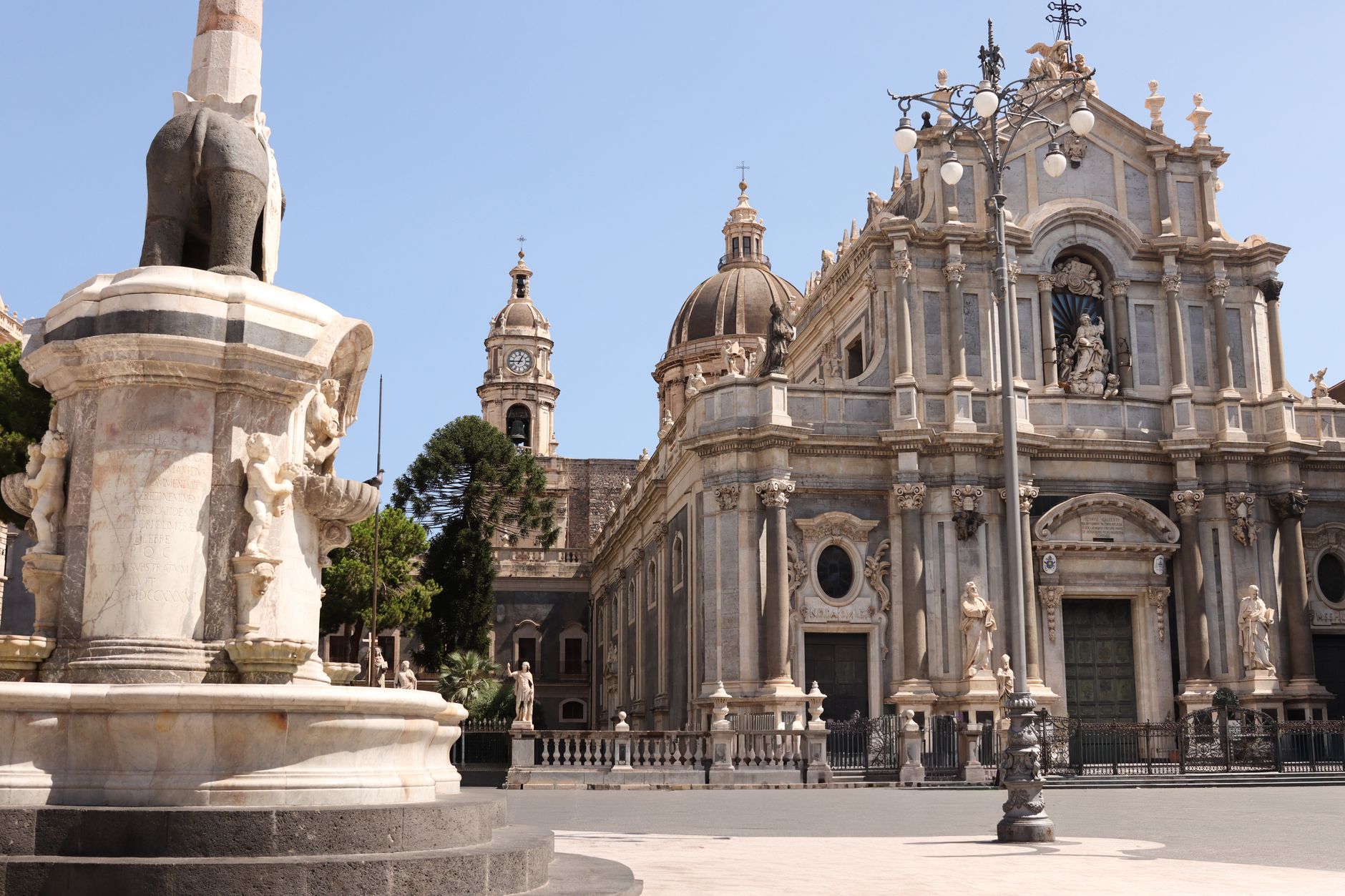
Mount Etna — Crater Trek & Lava Landscape
No visit to Catania is complete without a day on Mount Etna, the most active volcano in Europe and the city's permanent, brooding backdrop. From the moonscape of the Silvestri Craters at 2,000 m to the summit zone at 3,357 m — where steam vents hiss and the views stretch to the Aeolian Islands — Etna is a full-day adventure that begins just 30 minutes from Catania's centre.

Getting Up the Mountain
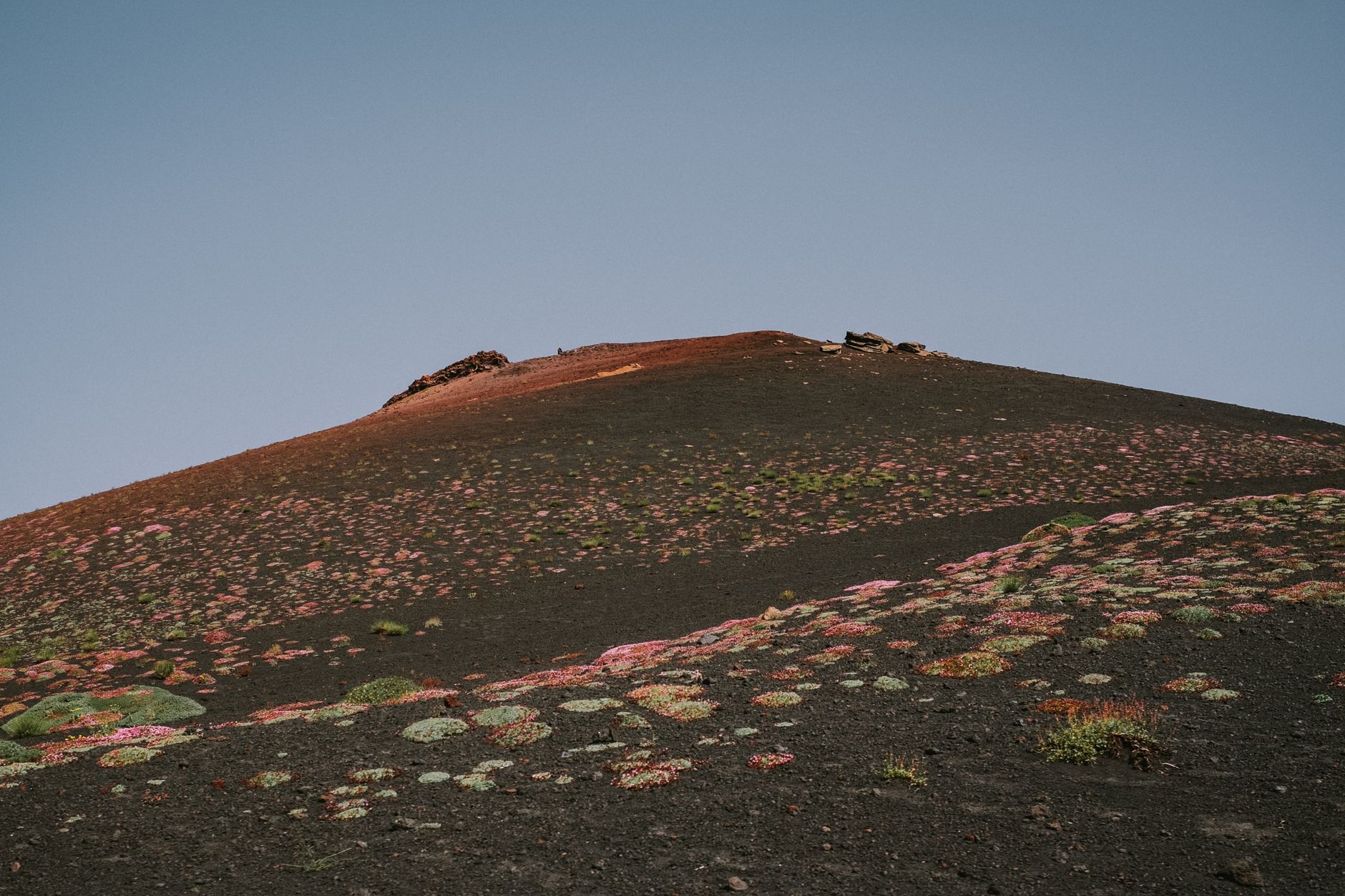
The most flexible option is to drive or take the daily AST bus (departs Catania Centrale at 08:15) to Rifugio Sapienza at 1,900 m, the main southern base. From here the Silvestri Craters are a free, guide-free walk of about 30 minutes across extraordinary black lava fields — surreal, silent, and utterly unlike anywhere else in Europe.
For higher elevations, the Funivia dell'Etna cable car climbs from Rifugio Sapienza to around 2,500 m in about 10 minutes, and a 4×4 minibus can take you further to 2,900 m. Above that altitude, Italian law requires a licensed volcanic guide — but for most visitors, 2,900 m is more than enough for an unforgettable day on the volcano.
Guided Tours from Catania
Guided half-day tours departing from Catania typically last 5–6 hours, include hotel pickup in an air-conditioned minivan, a trek around ancient craters, and a visit to a lava-flow cave where helmets and flashlights are provided. Most tours also stop at a local farm or cantina for tastings of Etna honey, olive oil, and the volcanic-soil wines of the Etna DOC.
Sunset tours are particularly spectacular in summer: the soft light turns the lava rock warm golden tones and, on clear evenings, the distant glow of active vents becomes visible. Bring a jacket regardless of the season — temperatures at 2,500 m can be 15–20°C cooler than in Catania below.
What to Expect on the Terrain
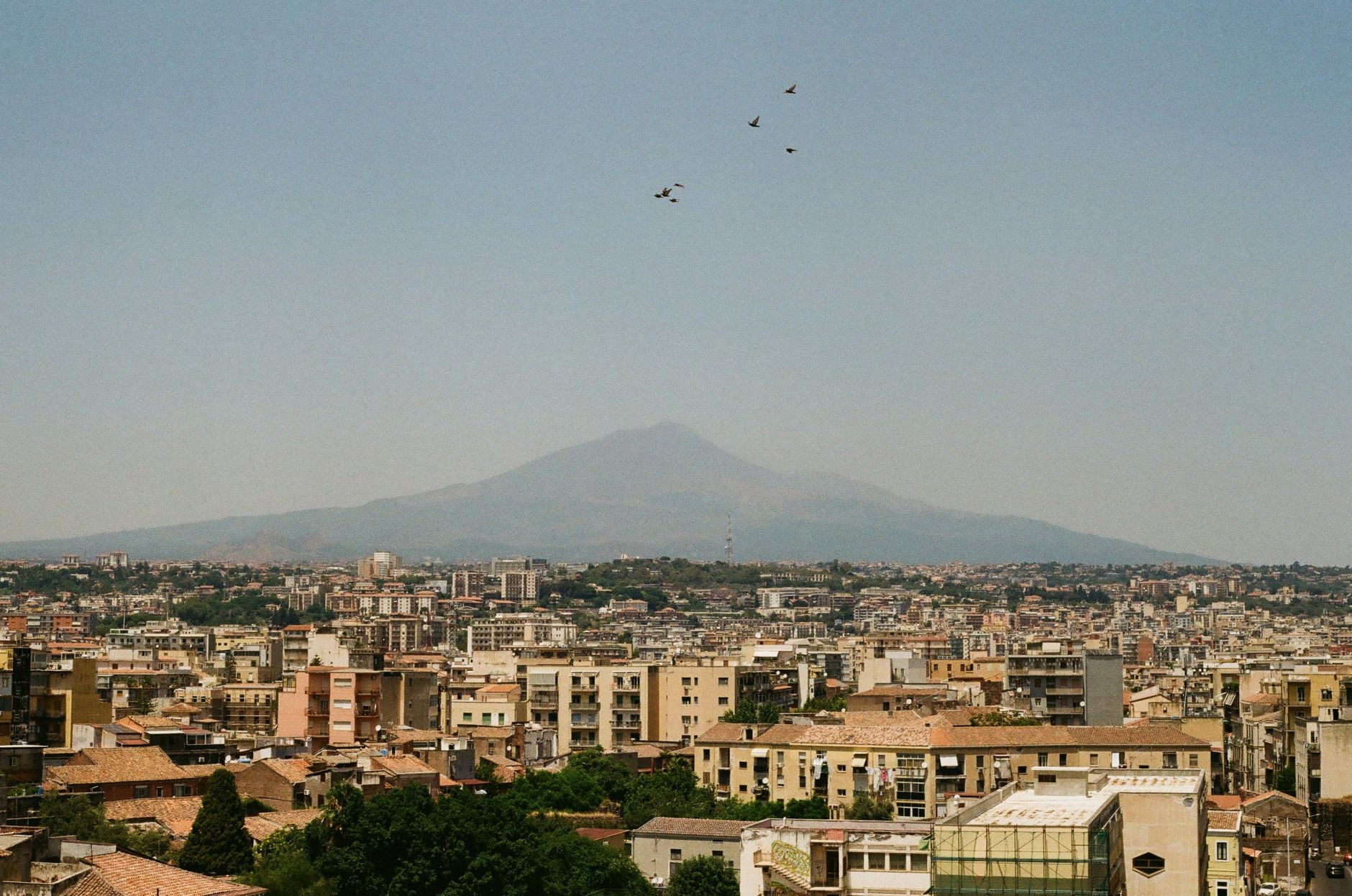
The landscape on Etna's slopes shifts dramatically with altitude: citrus groves and vineyards give way to pine and birch forest, then to the stark, treeless lava fields of the upper mountain where nothing grows and the ground crunches underfoot like broken glass. The Valle del Bove, a vast horseshoe-shaped caldera on the eastern flank, is one of the most dramatic geological sights in the Mediterranean.
Wear sturdy closed shoes — hiking boots are ideal, trainers are acceptable, sandals are not. The volcanic gravel is sharp and the terrain uneven. Late spring (May–June) and early autumn (September–October) offer the best combination of mild weather, clear skies, and manageable crowds.
Mount Etna — Crater Trek & Lava Landscape on video
More of Catania
Discover where to stay, what to do and the best deals for your trip.
Explore Catania →