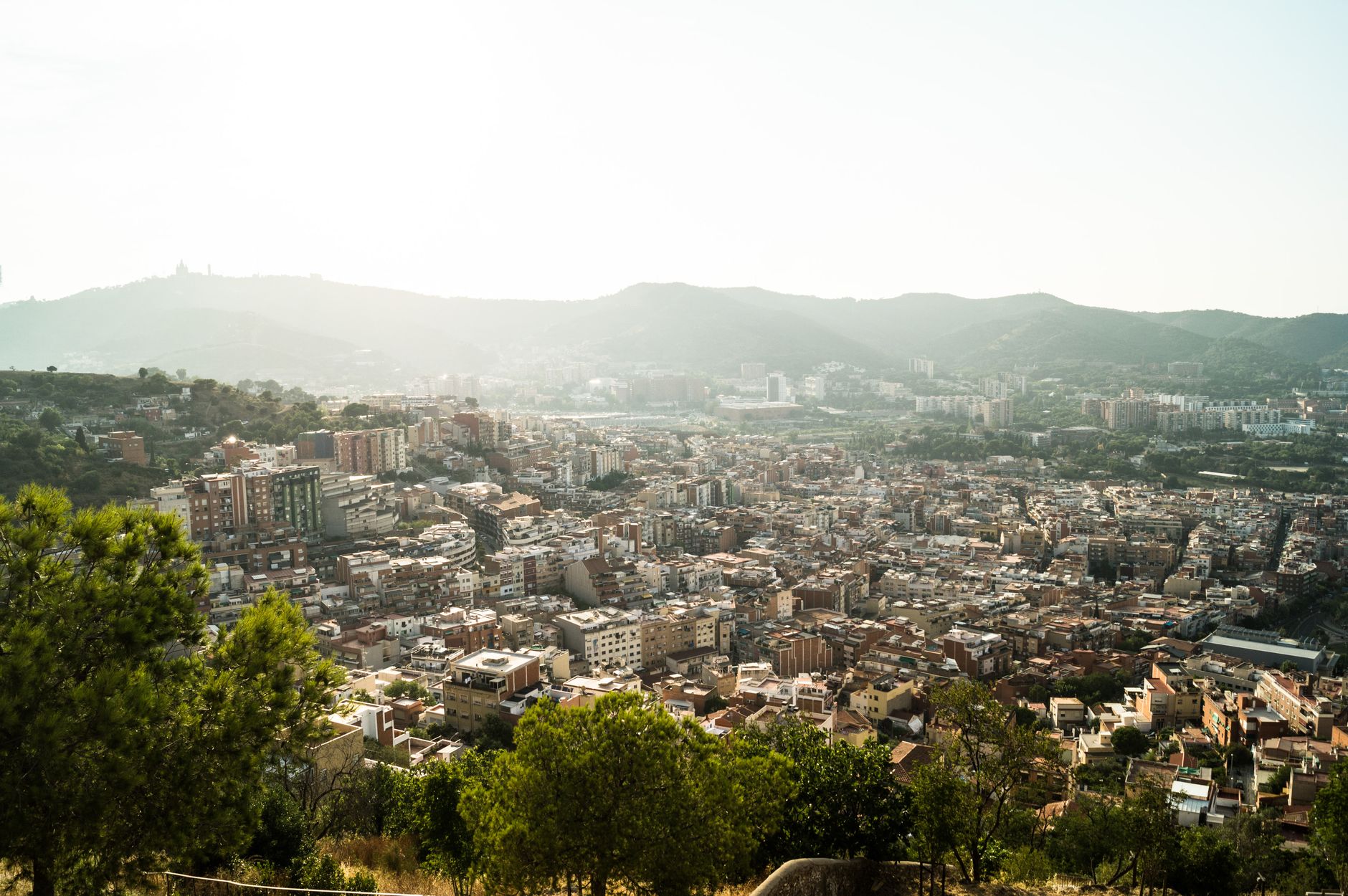
Poblet Monastery, Conca de Barberà
Tucked into the foothills of the Prades mountains, the Royal Monastery of Santa Maria de Poblet is a UNESCO World Heritage Site that most visitors to Catalonia never find — yet it is one of the largest and best-preserved Cistercian monasteries in the world, still home to around 30 monks who follow the Rule of Saint Benedict. The silence inside its golden stone walls is profound.
Architecture and Royal Tombs
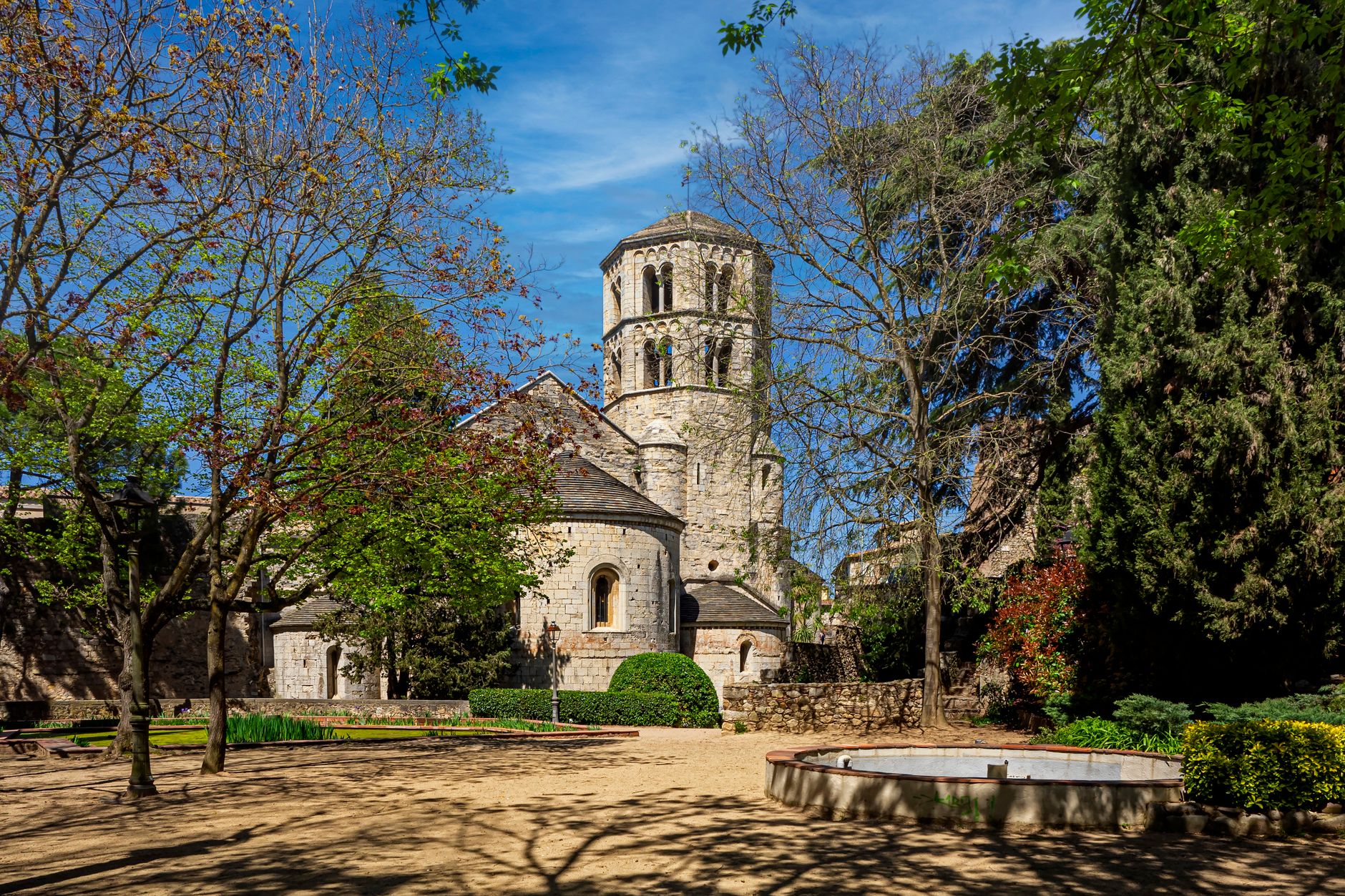
Founded in 1150, Poblet grew into a royal pantheon for the Crown of Aragon — the alabaster tombs of eight Aragonese kings and queens rest on elevated arcades in the church, restored to their medieval polychrome splendour in the 20th century by sculptor Frederic Marès.
The Gothic cloister is immense and serene, with a central fountain pavilion and carved capitals depicting biblical scenes worn smooth by eight centuries of weather.
Life Inside the Walls
The monastery is still fully functional — the monks produce their own wine, honey and liqueurs, sold in the shop near the entrance, and their Gregorian chant fills the church during the canonical hours.
Guided tours lasting 50 minutes take you through the dormitory, refectory, chapter house and church; the guide explains how the strict Cistercian rule shaped every architectural decision, from the plain undecorated walls to the precise orientation of the church.
The Surrounding Wine Country
Poblet sits within the DO Conca de Barberà wine region, known for Trepat (a light red grape) and Chardonnay grown at altitude — the monastery's own wine, Abadia de Poblet, is produced in collaboration with Torres and worth buying on site.
Combine a monastery visit with lunch in the nearby village of L'Espluga de Francolí, where the restaurant Cal Lluís serves roast lamb and calçots (spring onions grilled over vine cuttings) at prices that feel like 1995.
More of Catalonia
Discover where to stay, what to do and the best deals for your trip.
Explore Catalonia →