Govind Park & Ba's Football Culture
On match day, Govind Park — the Four R Stadium in the heart of Ba town — transforms into one of the most electrically charged sporting atmospheres in the South Pacific. Ba FC is the most decorated football club in Fijian history, and the passion of the town's supporters is something no highlight reel can prepare you for.

A Stadium With Real History
Govind Park was officially opened on 17 July 1976 and is named after former Ba mayor Kishore Govind. With a capacity of 13,500 it is a substantial venue for a town of Ba's size, and after a major FJ$13 million redevelopment completed in 2024 it now also hosts Super Rugby Pacific fixtures for the Fijian Drua alongside its traditional Fiji Premier League role.
The stadium has hosted legendary tournaments including the Fiji FACT, the Battle of the Giants and the Inter District Championship — competitions that carry enormous prestige in a country where football is not just a sport but a marker of community identity. Ba FC's trophy cabinet is the envy of every other club on the island.

Match Day: What to Expect
Arrive at least 30 minutes before kick-off to absorb the pre-match energy: drumming groups set up on the terraces, vendors sell grilled corn and cold Fiji Bitter from coolers, and the noise builds to something close to a wall of sound by the time the teams walk out. The crowd is knowledgeable, vocal and entirely welcoming of visiting strangers who show genuine interest.
Even if you cannot time your visit to coincide with a match, the stadium and its surroundings are worth a look — the colonial-era shopfronts and community life on the streets radiating out from Govind Park give you the clearest possible picture of what Ba is really about when the tourist coaches are not around.
The Rarawai Sugar Mill: Ba's Other Heartbeat
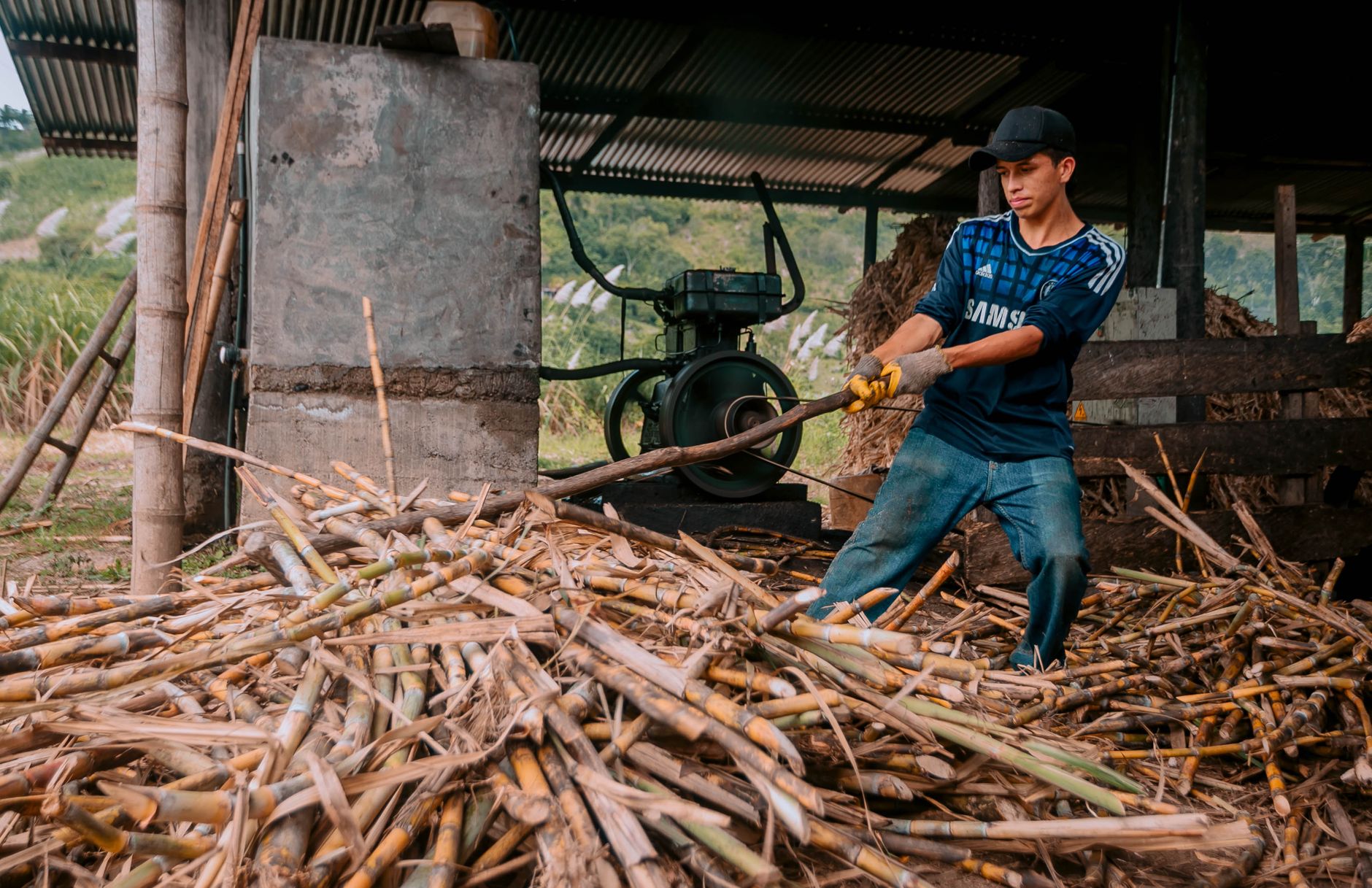
A short walk from Govind Park, the Rarawai Sugar Mill operated by the Fiji Sugar Corporation is the industrial landmark that explains why Ba exists at all. The mill complex is visible from public vantage points along the road and the scale of the operation — vast corrugated sheds, mountains of crushed cane, the sweet-sharp smell of molasses on the breeze — tells the story of Ba's Indo-Fijian heritage and economic backbone more vividly than any museum could.
The crushing season runs roughly June to November when the mill operates around the clock and the air over Ba carries that distinctive caramel-smoke scent. Walking the perimeter road at dusk, with the mill lit up and the cane trains rolling in, is one of those unexpectedly atmospheric Ba moments that travellers remember long after the beach resorts have blurred together.
More of Ba
Discover where to stay, what to do and the best deals for your trip.
Explore Ba →