Mellah — Marrakech's Jewish Quarter & Spice Market
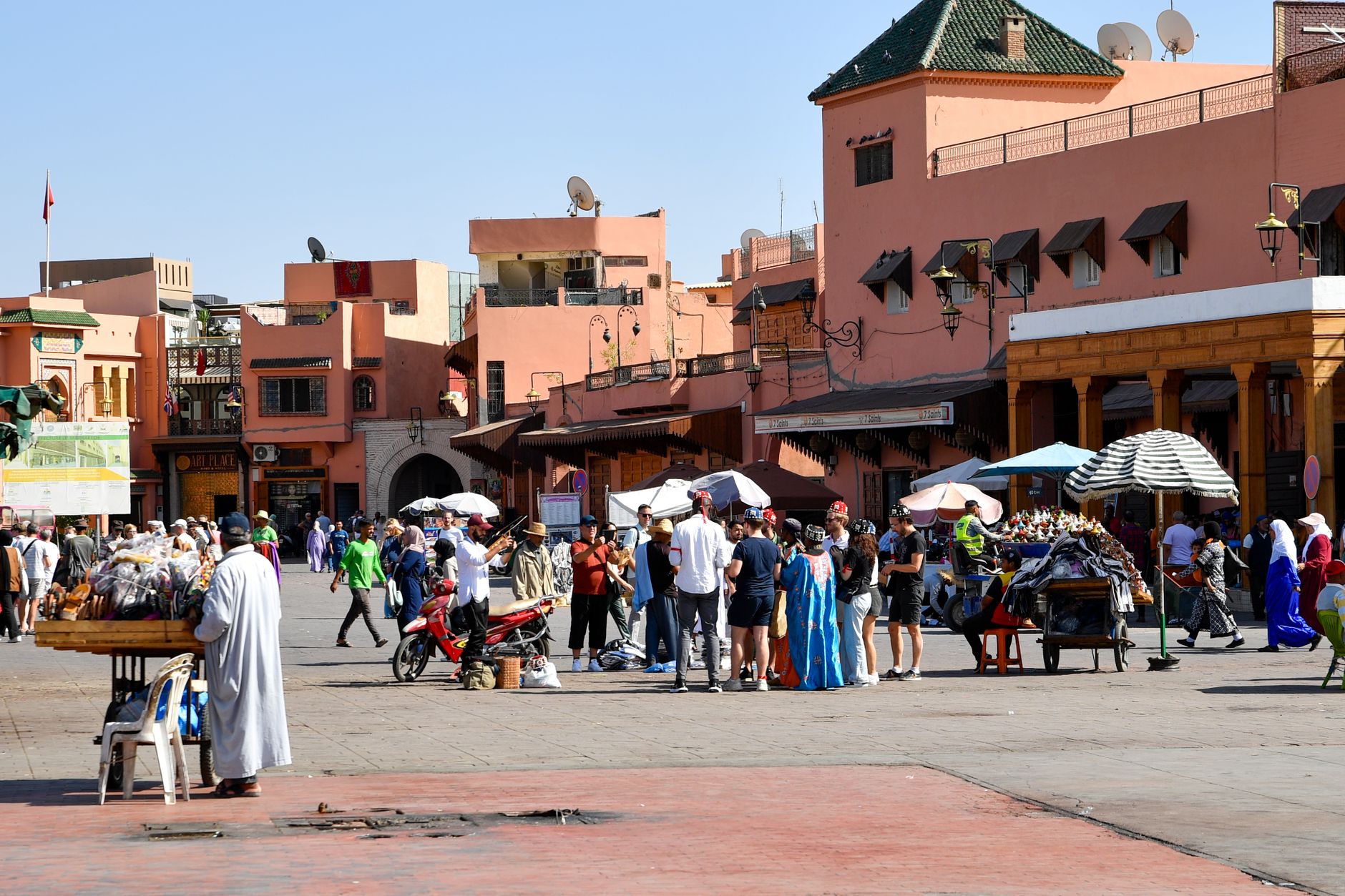
Tucked behind the Bahia Palace, the Mellah is Marrakech's historic Jewish quarter — a neighbourhood of overhanging balconies, colour-drenched spice stalls and a quieter, more intimate energy than the main souks. It rewards slow wanderers who want to shop like a local rather than a tourist.

A Quarter Steeped in Layered History
The name 'Mellah' derives from the Arabic word for salt, a nod to the area's role as a major salt-trading hub centuries ago. The quarter has a rich Jewish heritage stretching back hundreds of years, and the distinctive architecture — smaller buildings with protruding wooden balconies above street level — sets it apart visually from the rest of the medina.
Hidden on a back street is the Slat Al Azama Synagogue, one of the oldest in Morocco and worth the detour for its collection of Sephardic Judaica. Nearby, the Place des Ferblantiers (Tinsmiths' Square) glitters with hand-punched lanterns at every stall — one of Marrakech's most photogenic corners.

The Spice Market: A Feast for the Senses
The Bab Mellah spice market is a lively, colourful marketplace renowned for its rich array of spices, herbs and traditional Moroccan products. Stalls overflow with conical mounds of cumin, coriander, paprika, ras el hanout and precious saffron alongside aromatic soaps, dried fruit and traditional remedies. The aromas hit you a full street before you arrive.
Unlike the tourist-heavy main souk, the Mellah market provides a more local, intimate shopping experience. Bargaining is expected — a starting offer of around one-third of the asking price is fair for both sides. Morning or late afternoon are the best times to visit when the weather is cooler and the market is at its liveliest.

Eating & Exploring the Back Streets
The narrow, twisting streets of the Mellah are excellent for aimless exploration; the neighbourhood is quieter and less hassled than the central souks, making it easy to duck into artisan workshops and watch craftspeople at work. Look for small local eateries serving inexpensive tagines and couscous — dining away from the most tourist-heavy spots yields far better value.
A guided walk pays dividends here: the synagogue is hard to find without local knowledge, and a good guide will explain the coexistence of Jewish, Arab and Berber communities that shaped this quarter's extraordinary social history.
More of Agdal Gardens
Discover where to stay, what to do and the best deals for your trip.
Explore Agdal Gardens →