
Tokyo, Japan

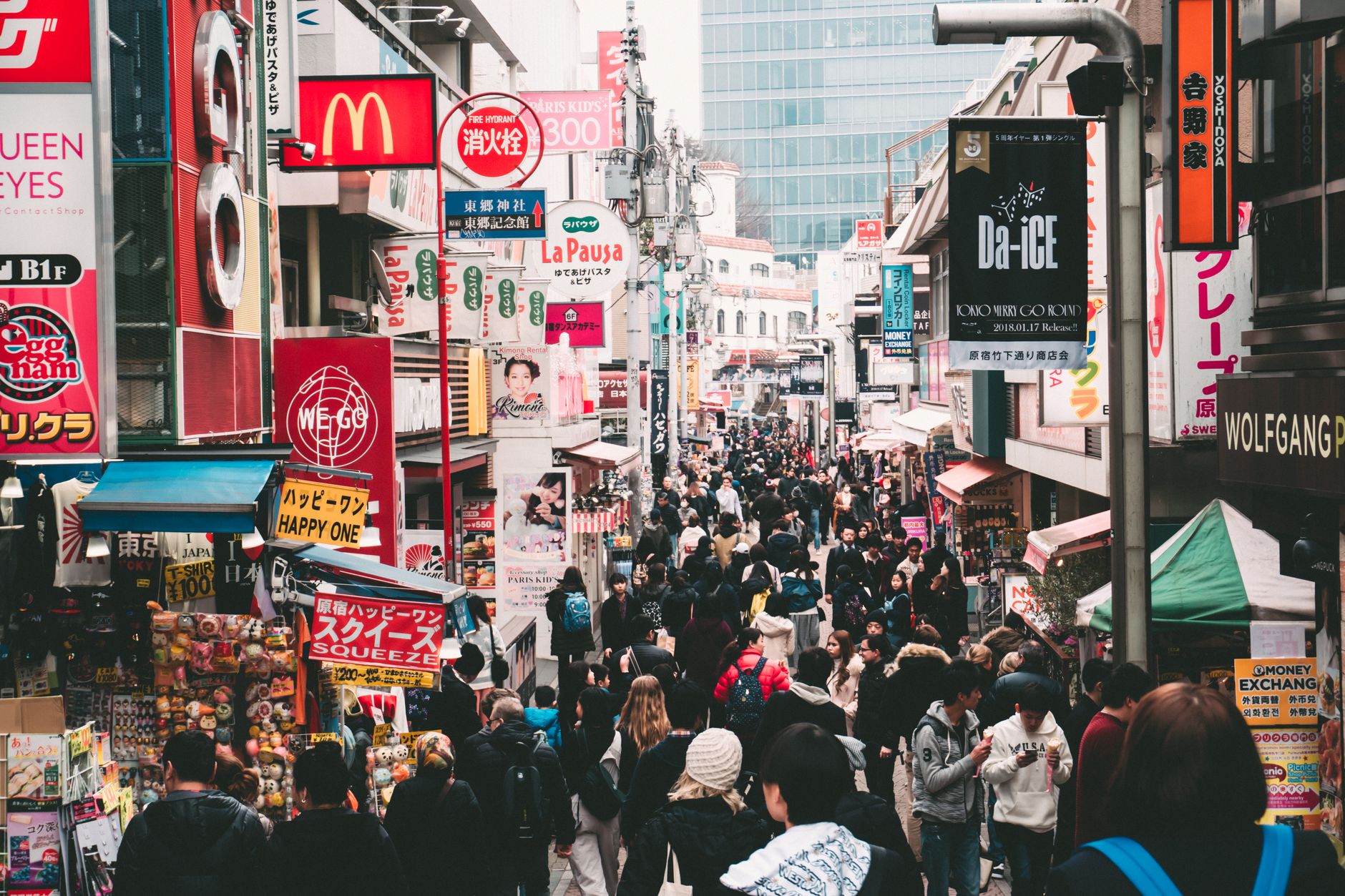
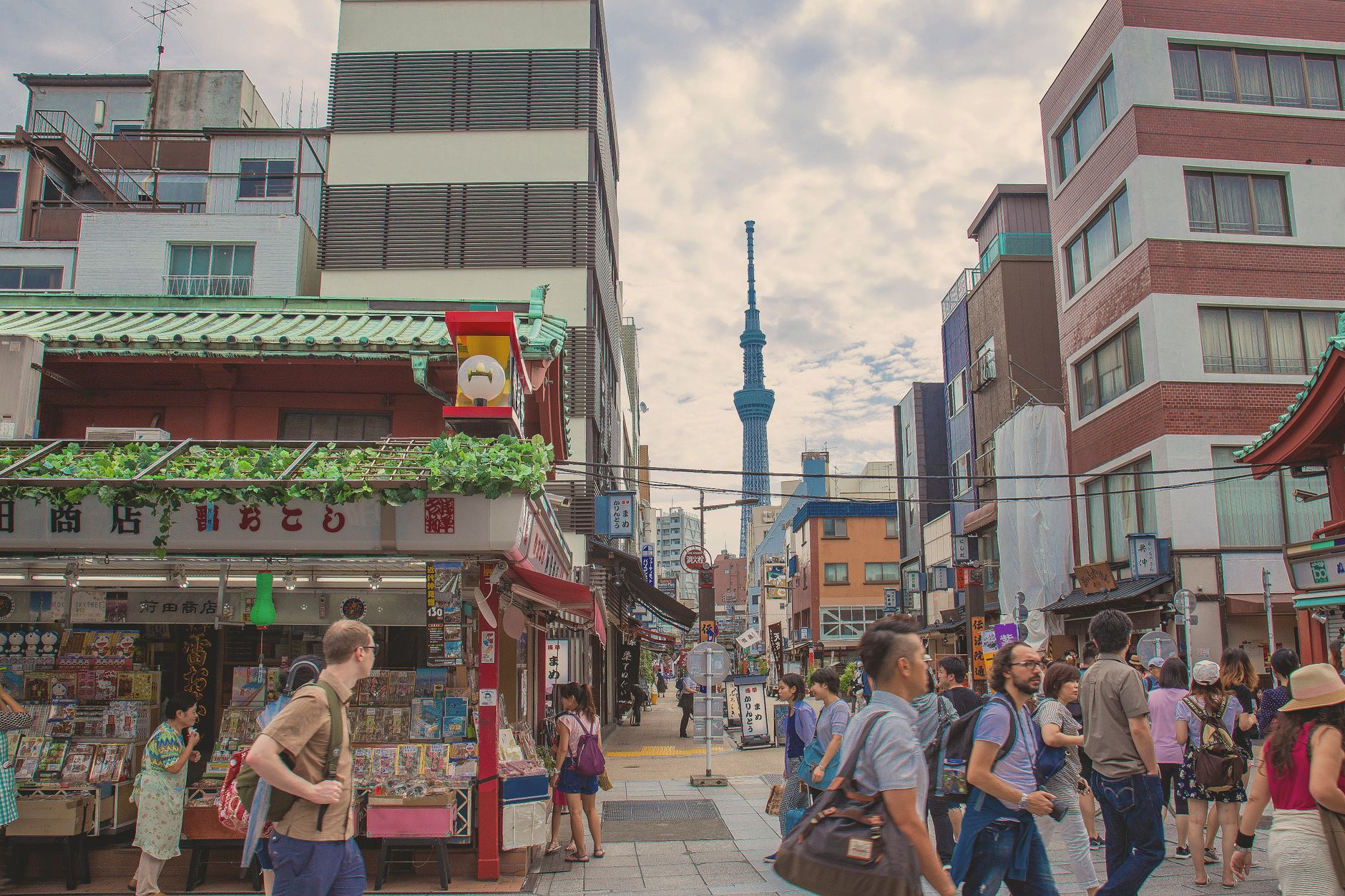
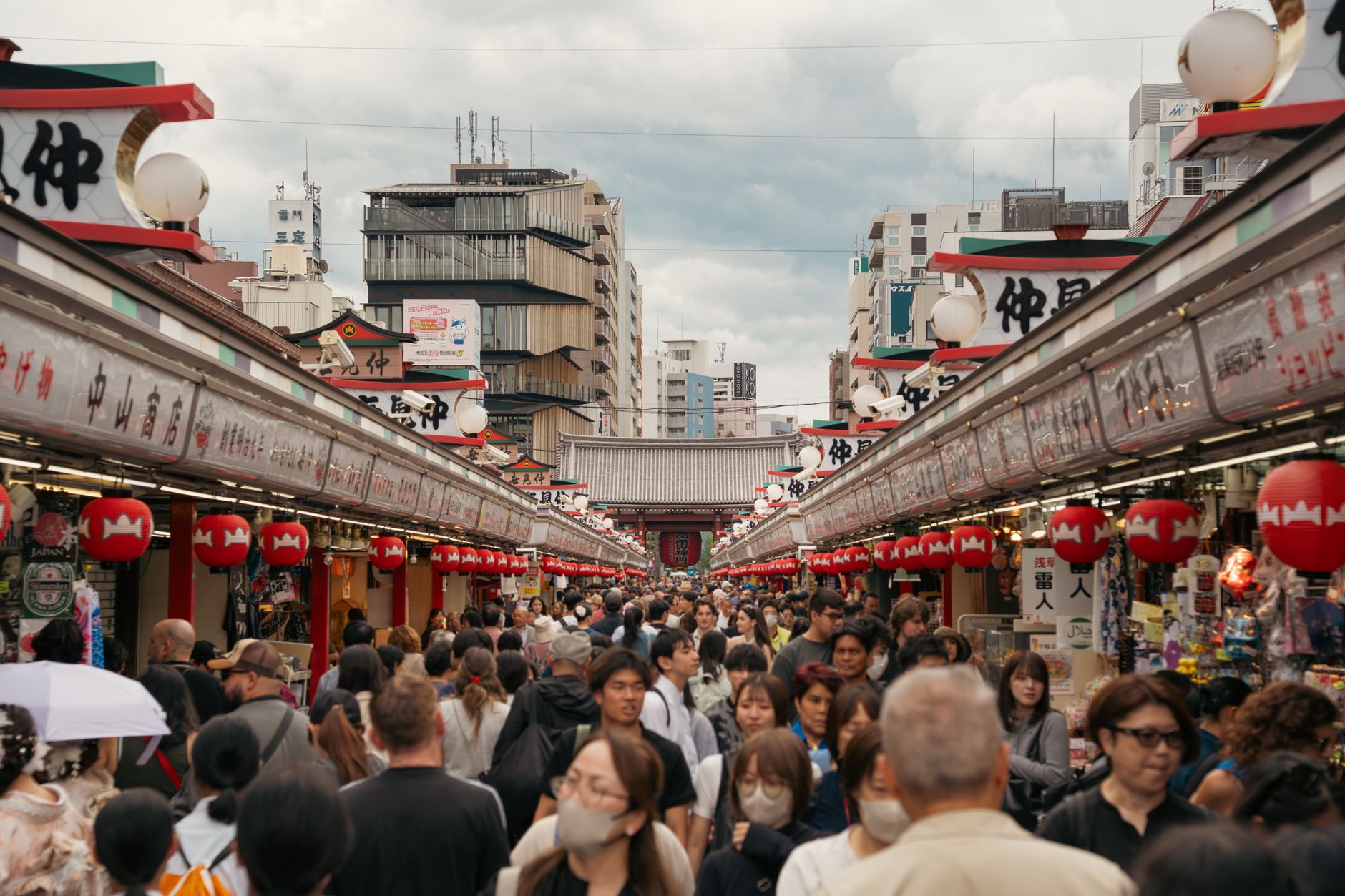

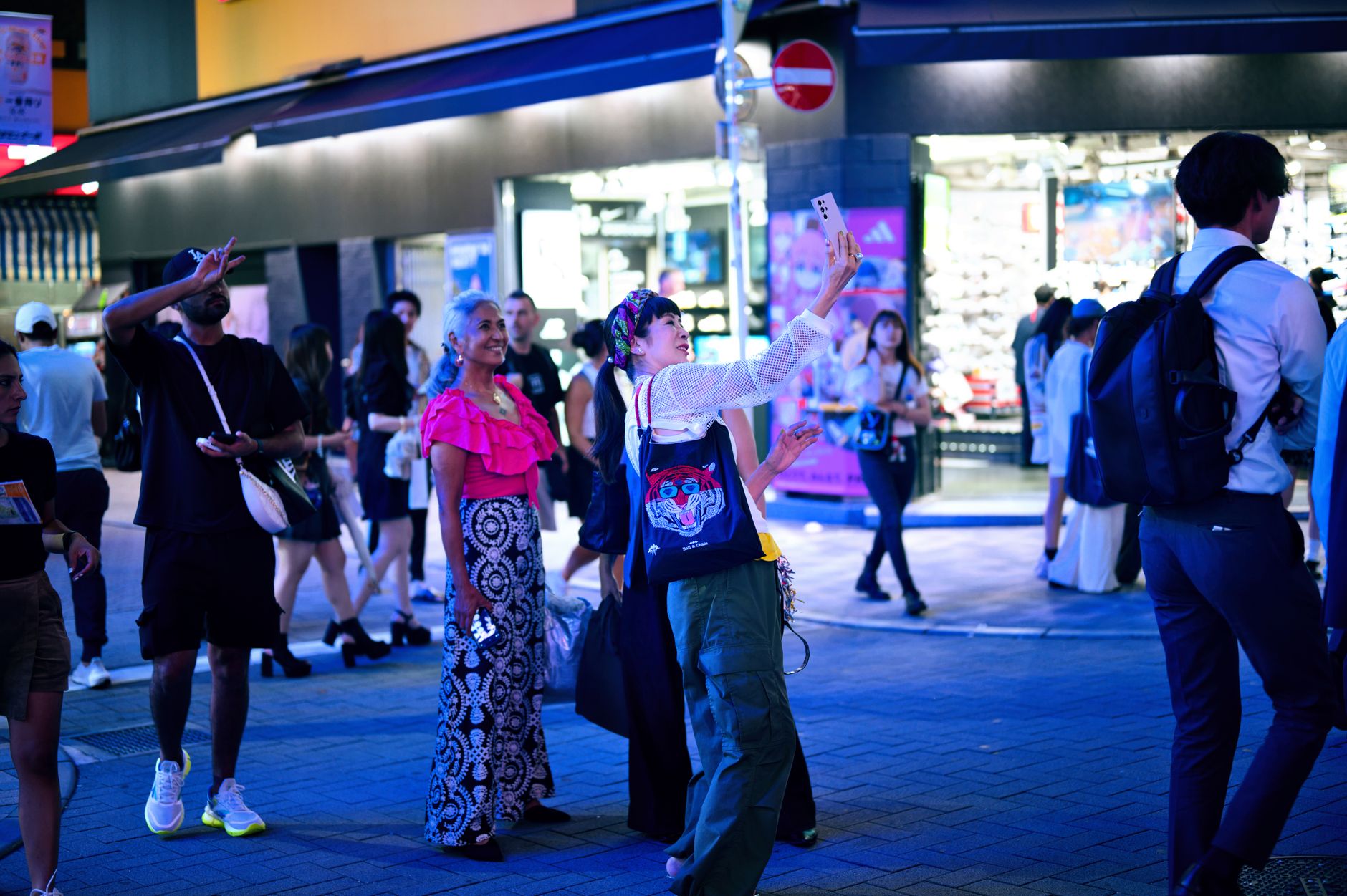
Tokyo runs on a kind of productive intensity that becomes its own rhythm once you stop resisting it. Trains arrive to the second, convenience stores stock things you didn't know you needed, and a city of nearly fourteen million people somehow feels, block by block, like a collection of distinct neighbourhoods each with its own logic.
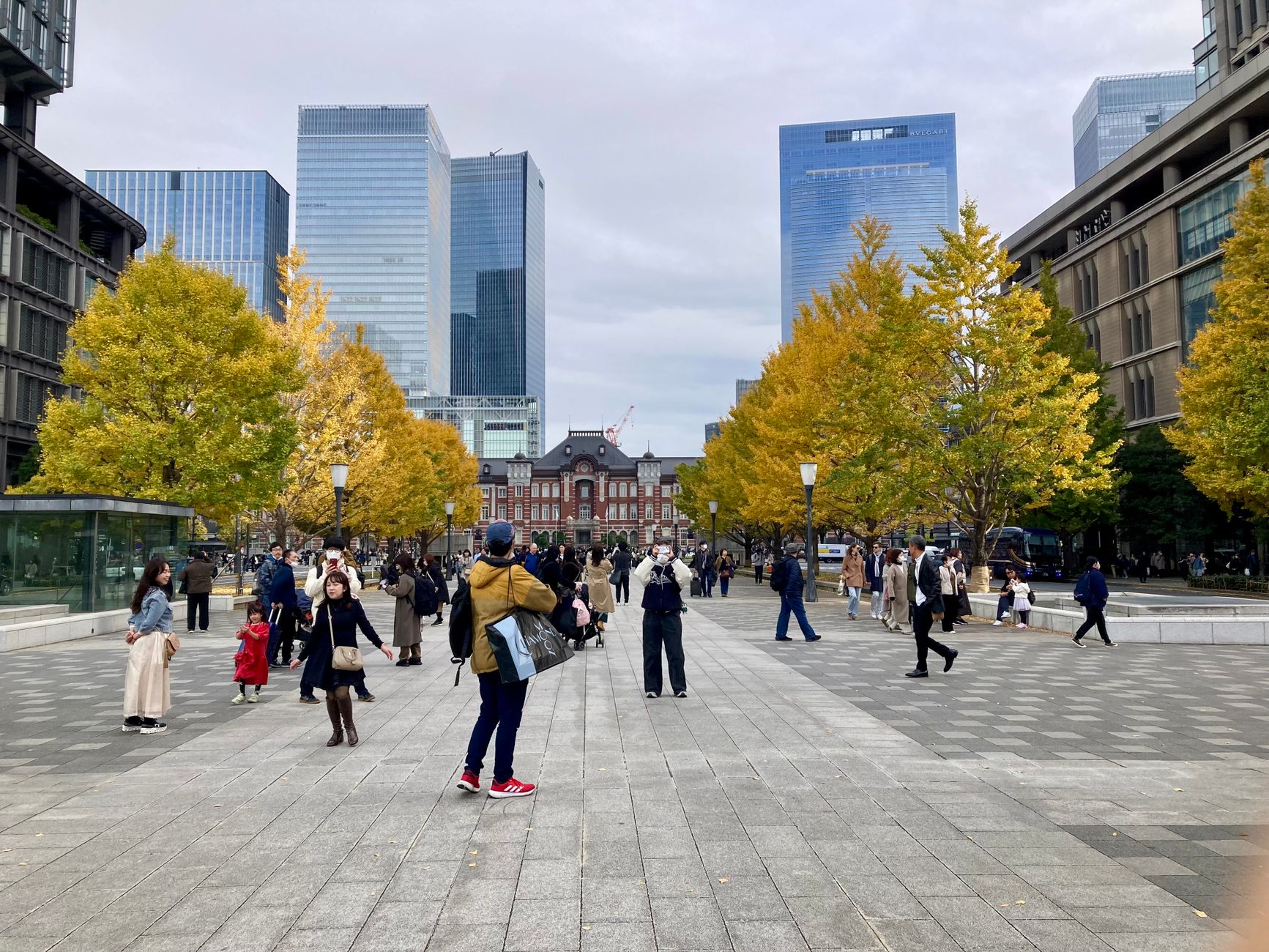
At this scale, Tokyo rewards the wanderer as much as the planner. The Yamanote Line loops through major hubs — Shibuya, Shinjuku, Ikebukuro, Ueno — but the real texture lives in the streets between stations. Come prepared to walk, to eat standing up, and to get pleasantly lost.
Popular cities in Tokyo, Japan
💛 What travellers fall for
People who return to Tokyo tend to pick a base neighbourhood and treat it like a local would — a regular ramen counter, a konbini for breakfast, a sento at the end of the day. The Suica card handles trains, taxis and most convenience stores, so carry one from arrival. Rush hour on the Metro between 7:30 and 9:30 is not the time to have luggage.
How Tokyo, Japan came to be
Before the skyline, there was a fishing settlement called Edo. Dokan Ota built a castle here in 1457, but the city's real pivot came in 1603 when Tokugawa Ieyasu — having consolidated power after his victory at Sekigahara in 1600 — established his shogunate in Edo, making it the administrative heart of Japan. By 1721, the population had reached one million, a scale almost no city on earth could match at the time.
The path to the modern city was violent. The Great Fire of Meireki in 1657 killed around 108,000 people. The Great Kantō earthquake of 1923 levelled much of what had been built, and Allied bombing in World War II destroyed it again. When Emperor Meiji moved the capital here in 1868 and renamed it Tokyo — Eastern Capital — he set in motion a reinvention that the city has never really stopped performing.
Who and what shaped it
People who shaped it
Landmark buildings
See Tokyo, Japan in motion
Plan your visit
On the map
When to go
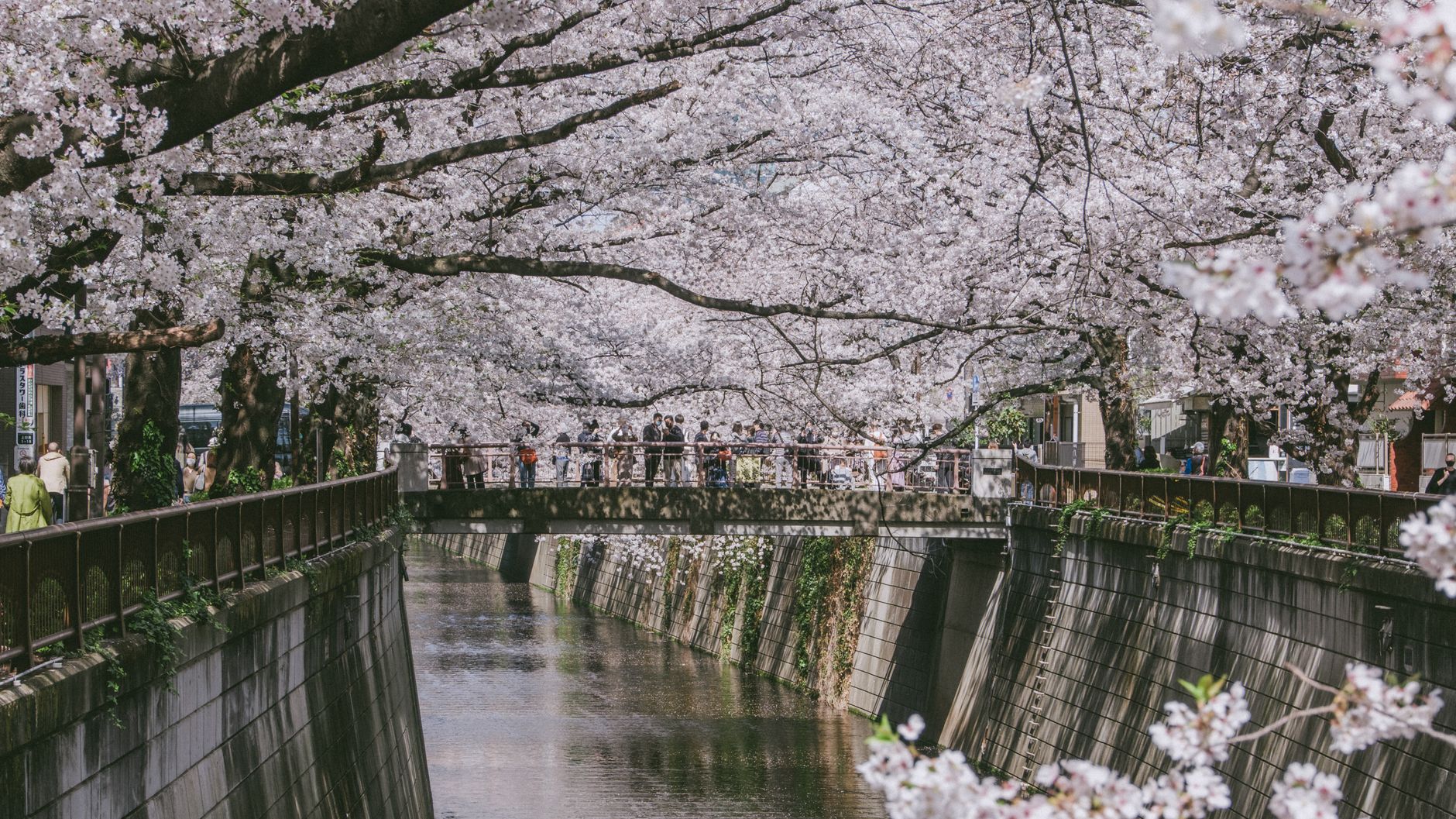
Spring brings cherry blossoms peaking around 30 March, with mild temperatures climbing from 10°C to 20°C. Summer turns genuinely brutal — August heat waves push past 35°C, and June and July bring heavy plum rains. Autumn is the most reliably comfortable season, cooling through October and November. Winter stays mostly above freezing but can dip below 0°C on occasion.
Right now
↡ Cities
Background & history adapted from Wikipedia (CC BY-SA) · specs from Wikidata (CC0) · weather from Open-Meteo · map data © OpenStreetMap contributors · photos from Wikimedia Commons / Unsplash with per-image credit. No third-party reviews or social posts reproduced.