
Koenji
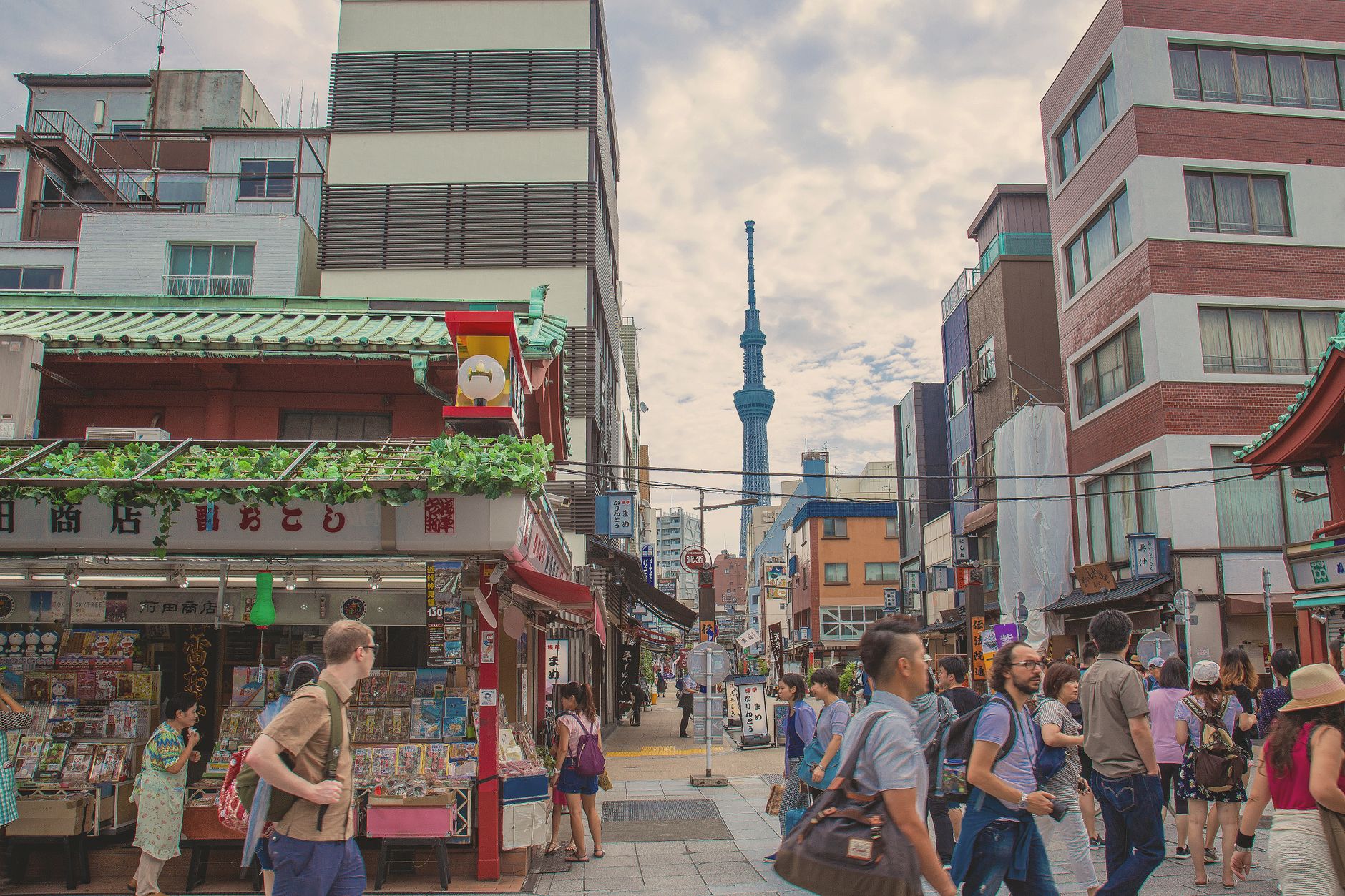
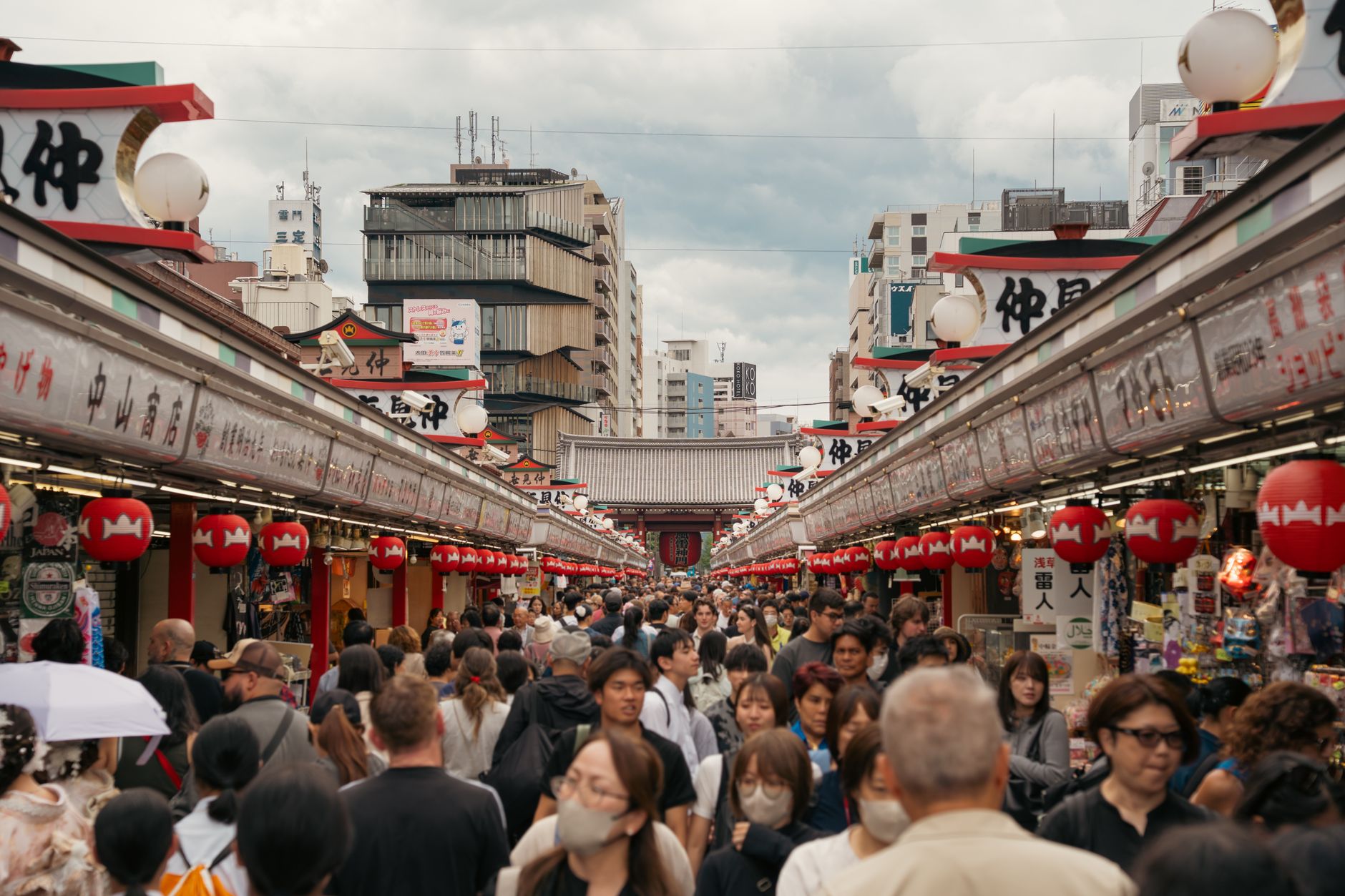
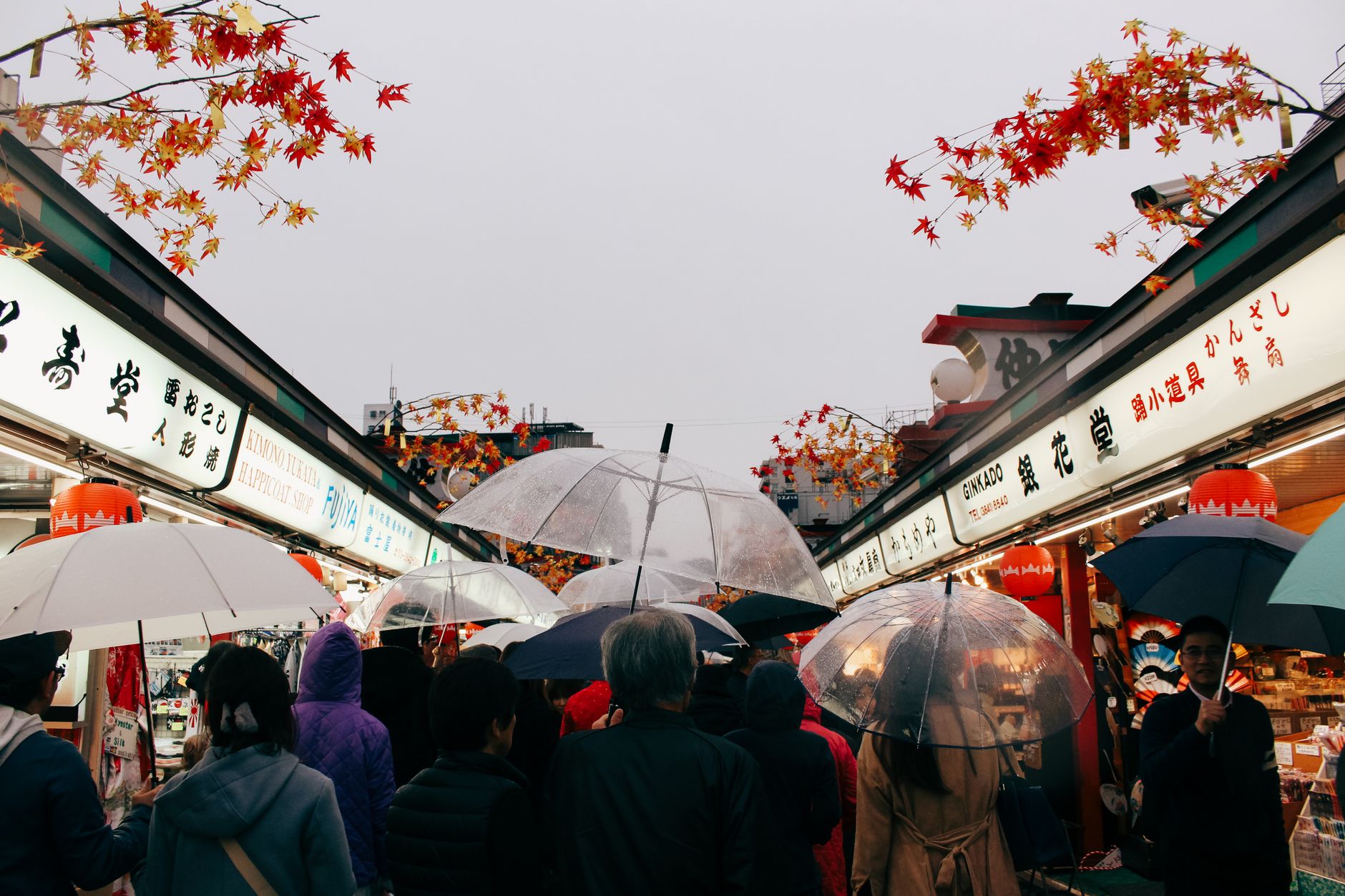
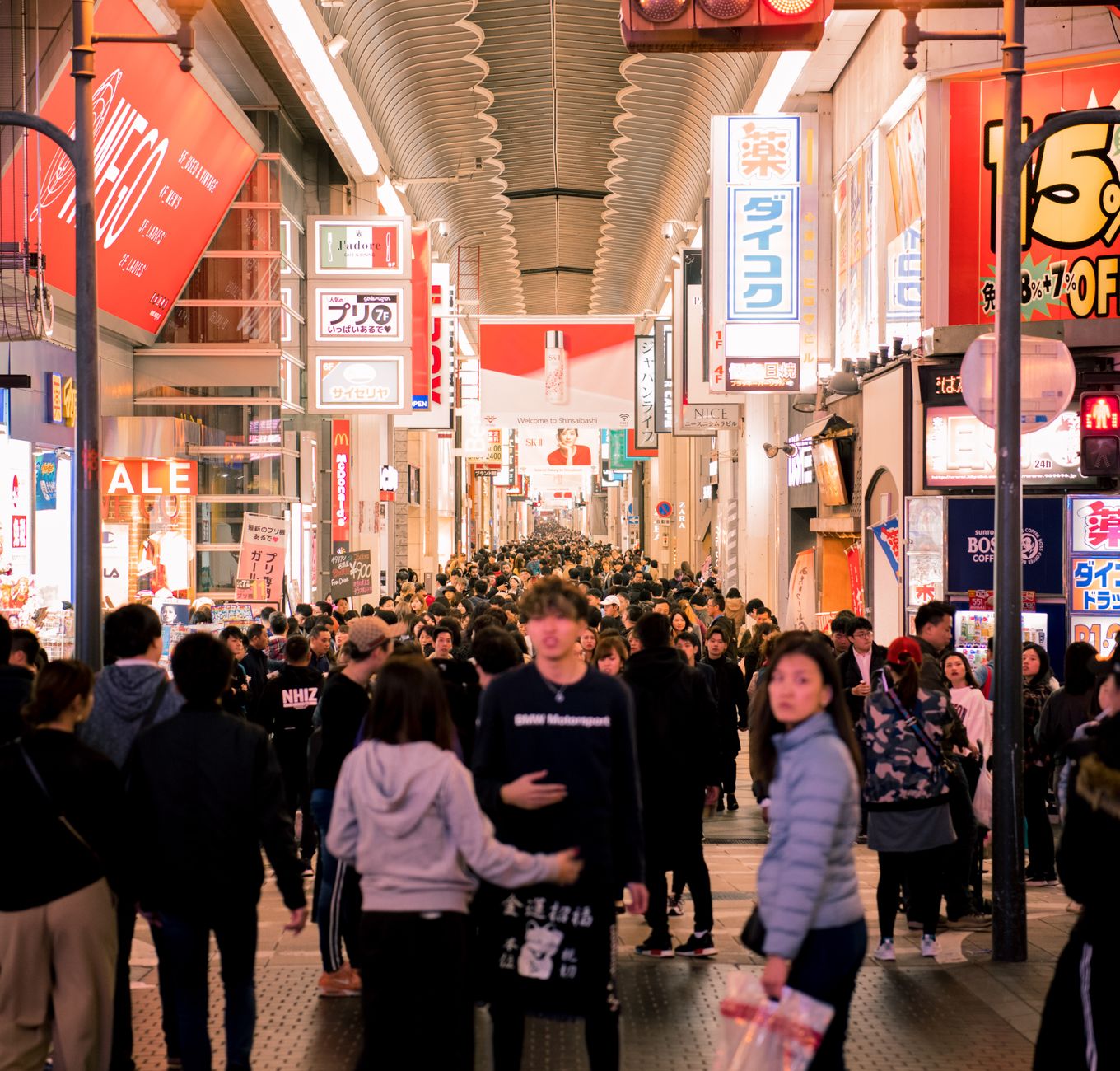
Two stops west of Shinjuku on the Chuo Line — four minutes, ¥160 — and Tokyo starts to look like it forgot to gentrify. Koenji runs on second-hand record shops, live music venues that hold maybe eighty people, and the kind of covered shopping arcade where the signs haven't changed since the 1980s. The 1980s building boom largely passed it by, and you can see the difference in the grain of the streets.
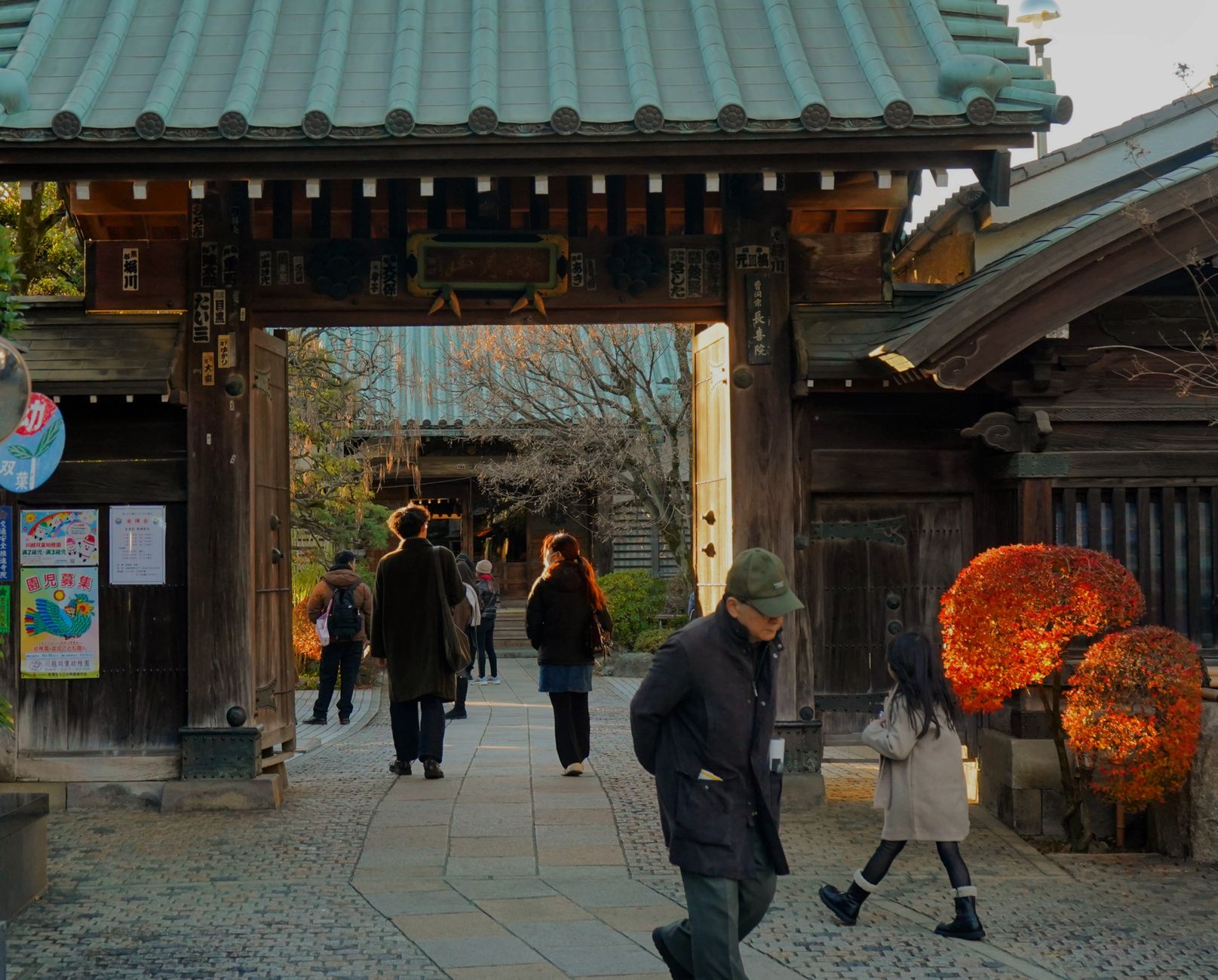
At its core is a temple district older than Edo itself, threaded with shrines that carry genuinely odd histories — one founded by Imperial Army meteorologists, another with what is said to be the only torii gate in Japan carved with two dragons. The neighborhood holds all of this without making a fuss about it.
💛 What travellers fall for
People who come back tend to time it around the 4th Saturday of the month, when the Teenage Kicks flea market sets up outside the north exit. They'll tell you to walk to Kosugi-yu — the 1933 bathhouse with its pine-motif ceiling — before 9pm, then find a small bar on the south side and stay until last train.
Deals in Koenji
Book directly at the provider
How Koenji came to be
The neighborhood takes its name from Shukuhozan Koenji temple, founded in 1555 during the late Muromachi period. During the Edo era the surrounding land served as falconry grounds, and the third Tokugawa shogun, Iemitsu, stopped at the temple on hunting trips — his patronage is what fixed the name 'Koenji Village' on the area. The neighborhood later absorbed the adjacent Mabashi town.
The counterculture character came later, and in layers. Folk musicians including Takuro Yoshida moved here in the 1960s, drawn by cheap rents; live music venues followed in the mid-1970s, and the area became a node for indie folk, psychedelic, and punk scenes that grew partly out of Japan's radical student movements. Activist Hajime Matsumoto, who co-founded the 'Amateurs' Riot' collective, organized anti-gentrification demonstrations here as recently as 2018 — a sign that the neighborhood's resistance to being tidied up is not purely accidental.
Who and what shaped it
People who shaped it
Landmark buildings
See Koenji in motion
Plan your visit
On the map
When to go
Spring (March–May) and autumn (September–November) give you the most comfortable conditions — warm without the weight of summer. June through August brings monsoon humidity and frequent rain; late August is also when over a million people arrive for the Awa Odori festival, so plan accordingly. Winter is cold and dry, but the streets are quiet and the bathhouse earns its entry fee.
Right now
Background & history adapted from Wikipedia (CC BY-SA) · specs from Wikidata (CC0) · weather from Open-Meteo · map data © OpenStreetMap contributors · photos from Wikimedia Commons / Unsplash with per-image credit. No third-party reviews or social posts reproduced.