
Marunouchi
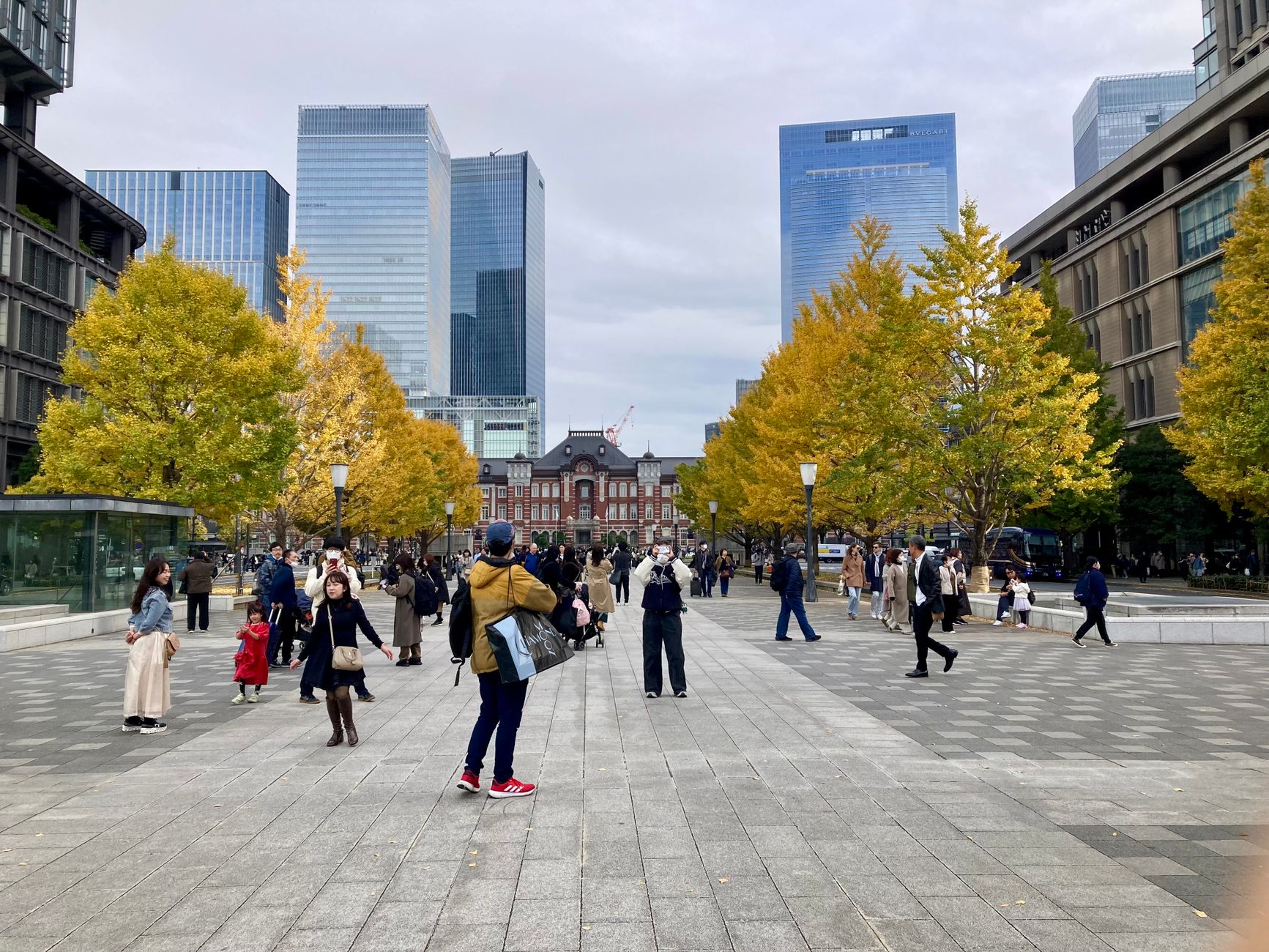
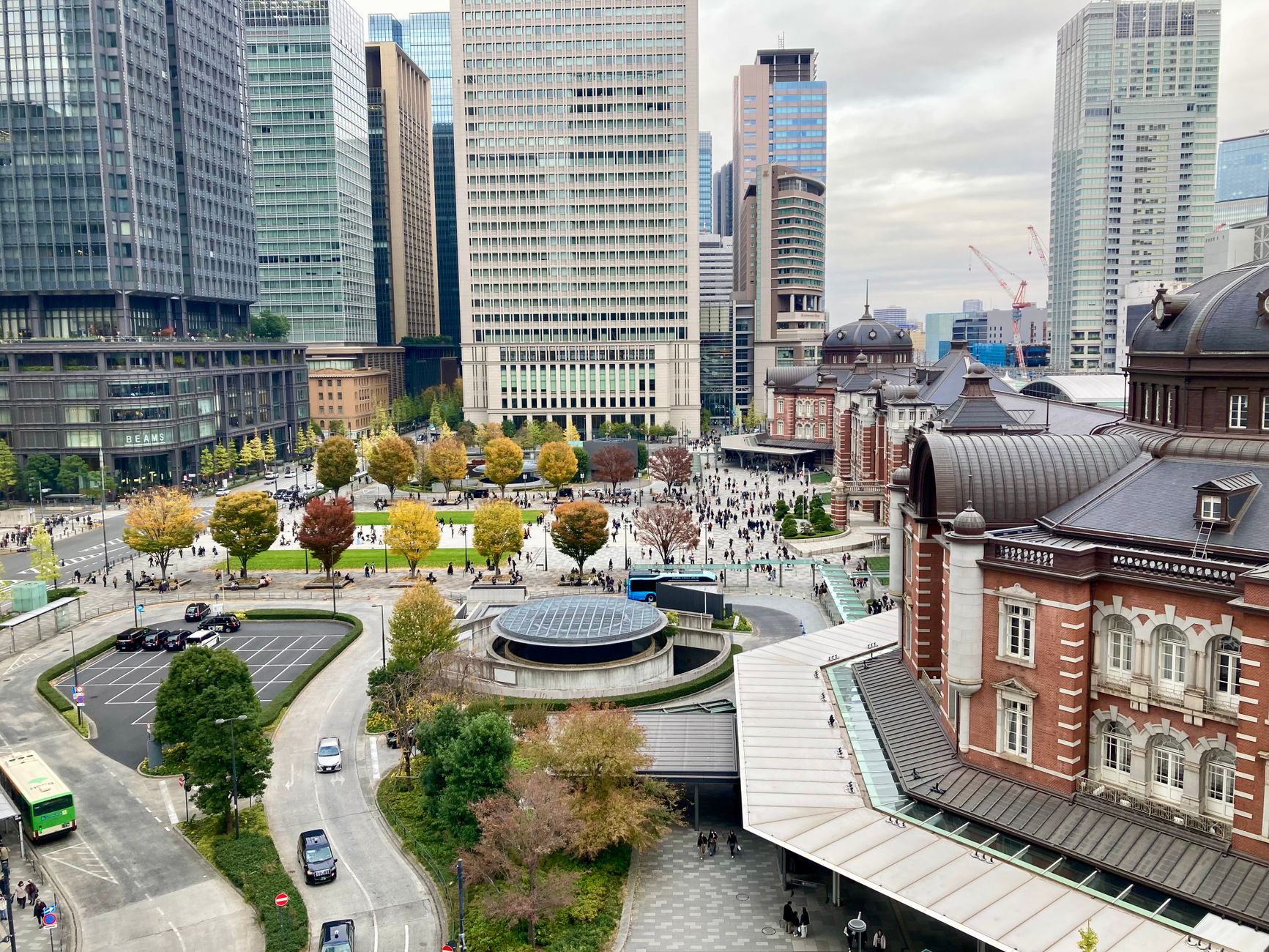
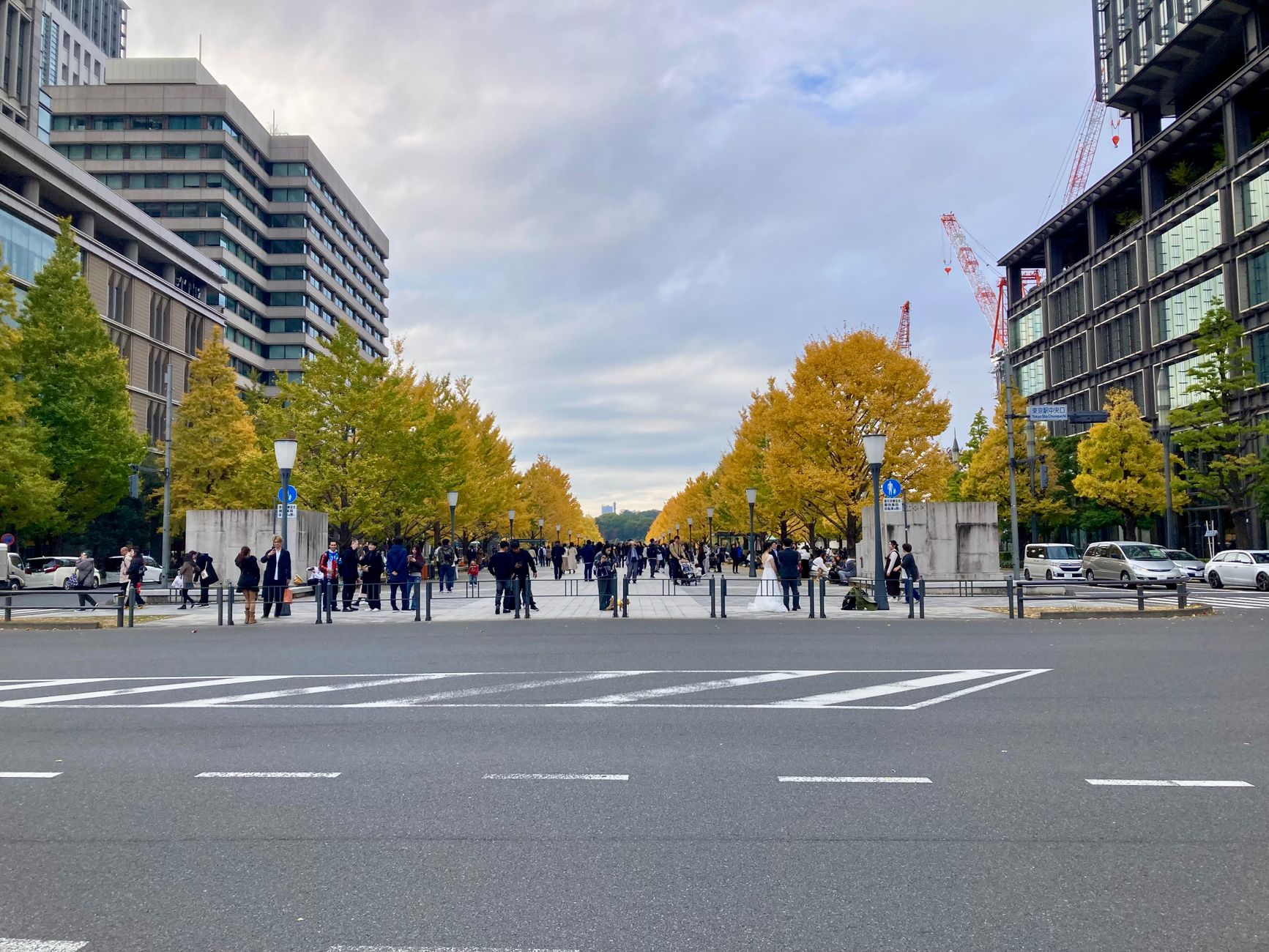
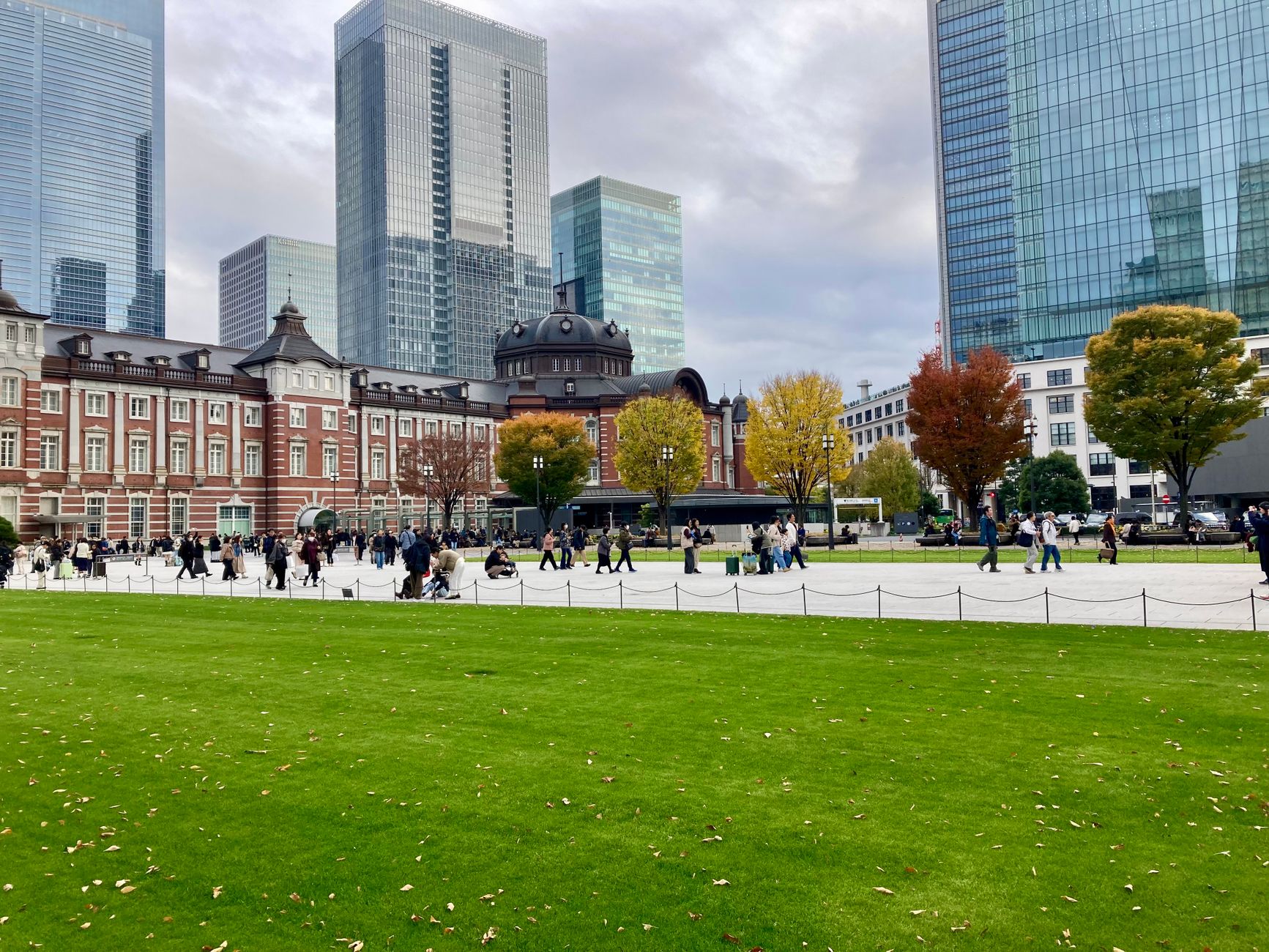
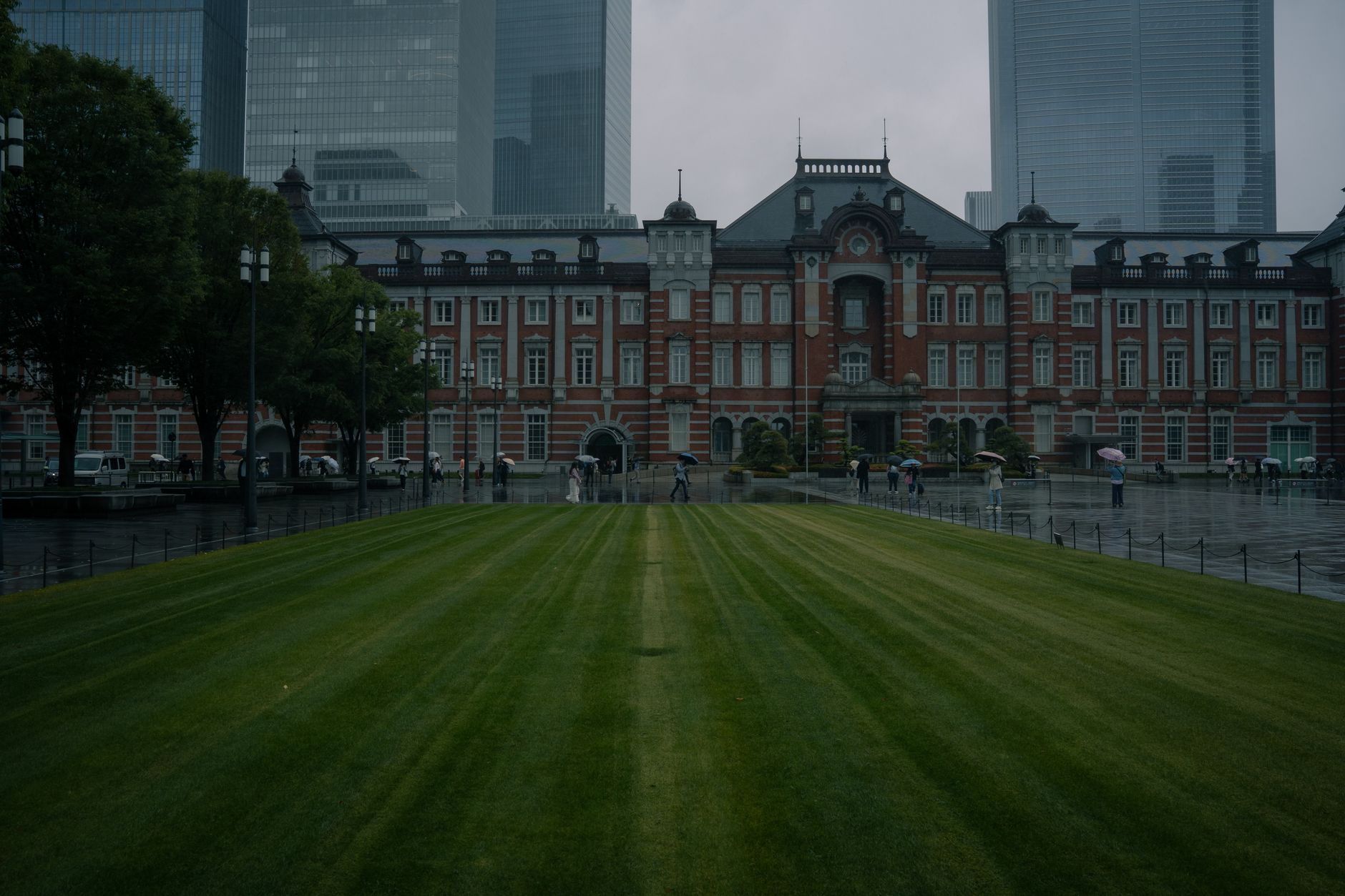
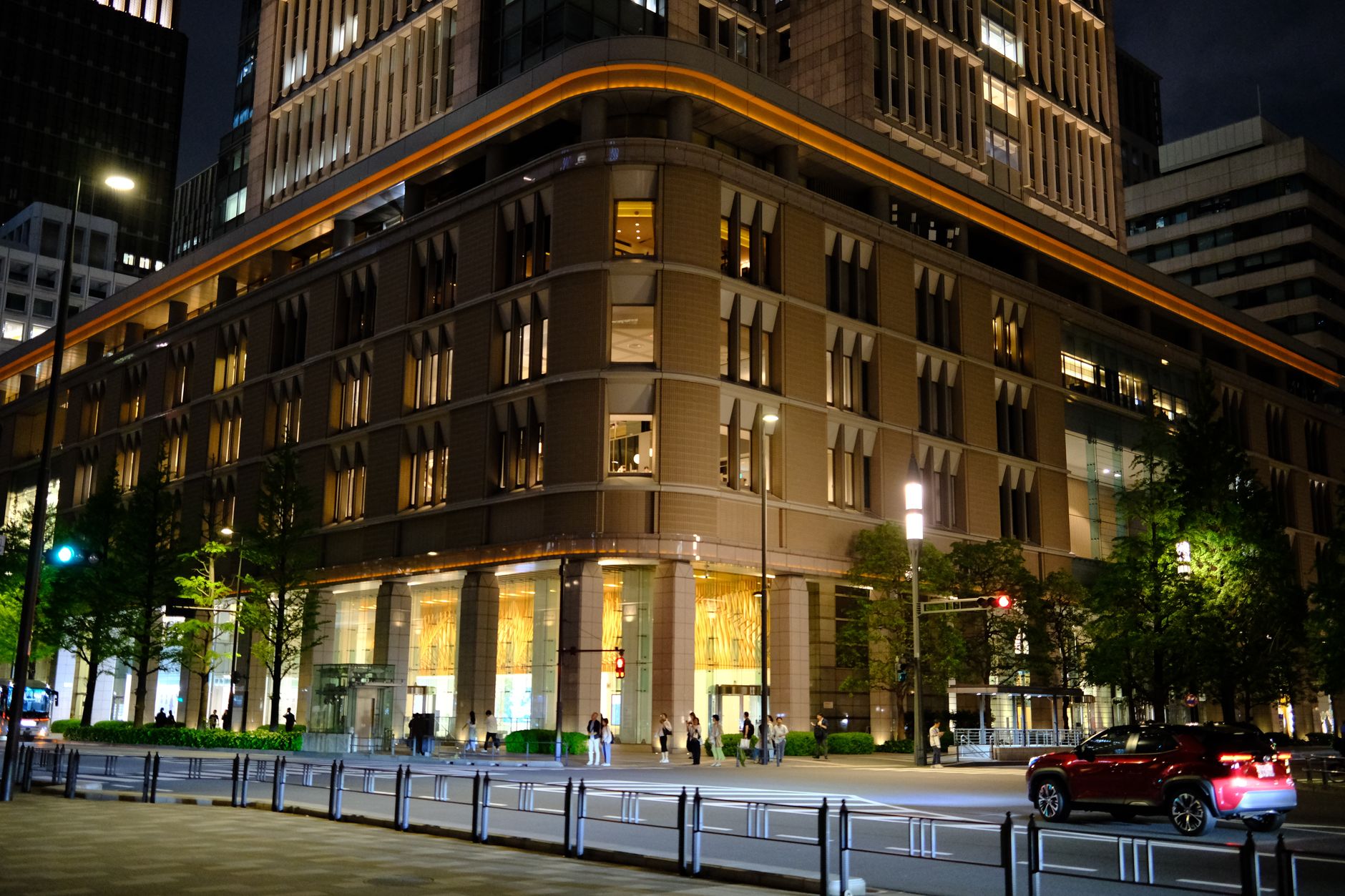
Stand on the Marunouchi side of Tokyo Station and you're looking at a red-brick facade that Kingo Tatsuno designed in 1914, restored to its domed, Meiji-era profile after a five-year refurbishment that finished in 2012. The station is the seam between two very different Tokyos: behind you, the glass towers and broad avenues of Japan's financial core; ahead, the moat and stone walls of the Imperial Palace.
This district was reclaimed from a bay inlet in the 1590s, turned into a daimyō estate quarter, then an army parade ground, then — from 1890 onward — methodically rebuilt by Mitsubishi into what became, by 1922, the address of choice for a third of Japan's largest corporations. That layered ambition is still visible if you know where to look.
💛 What travellers fall for
People who come back tend to time Nakadori Avenue on a weekday around noon, when the street goes car-free and the zelkova trees overhead give the whole corridor a different pace. The Mitsubishi Ichigokan Museum catches them off-guard — a faithful reconstruction of the district's 1894 Londontown original, now showing 19th-century Western art inside those original red-brick walls.
Deals in Marunouchi
Book directly at the provider


How Marunouchi came to be
Before Tokugawa Ieyasu arrived in Edo in 1590, this ground was an inlet of Tokyo Bay called Hibiya. Castle expansion required land, so the inlet was filled from 1592, and the reclaimed earth became prime real estate for daimyō mansions — 24 estates earning the area the name daimyō kōji. The Meiji Restoration cleared those out in favor of Imperial Army barracks and parade grounds.
In 1890, Iwasaki Yanosuke — younger brother of Mitsubishi's founder and the conglomerate's second leader — bought the entire tract for 1.5 million yen. The first office block went up in 1894, modeled on London's red-brick commercial buildings after Mitsubishi architects toured Britain. Tokyo Station followed in 1914, and the original Marunouchi Building in 1923, the same year the Great Kantō Earthquake struck — which the building survived, as it later survived the wartime bombings.
Who and what shaped it
People who shaped it
Landmark buildings
See Marunouchi in motion
Plan your visit
On the map
When to go
Tokyo's winters are mild and mostly clear, making the stretch from November through February — when Nakadori's 220 trees are lit with gold LEDs each evening — a genuinely comfortable time to walk the district. Summer brings real heat and humidity from July into September; spring and autumn are the most forgiving seasons for long stretches on foot.
Right now
Background & history adapted from Wikipedia (CC BY-SA) · specs from Wikidata (CC0) · weather from Open-Meteo · map data © OpenStreetMap contributors · photos from Wikimedia Commons / Unsplash with per-image credit. No third-party reviews or social posts reproduced.