
Stellenbosch Wine Route
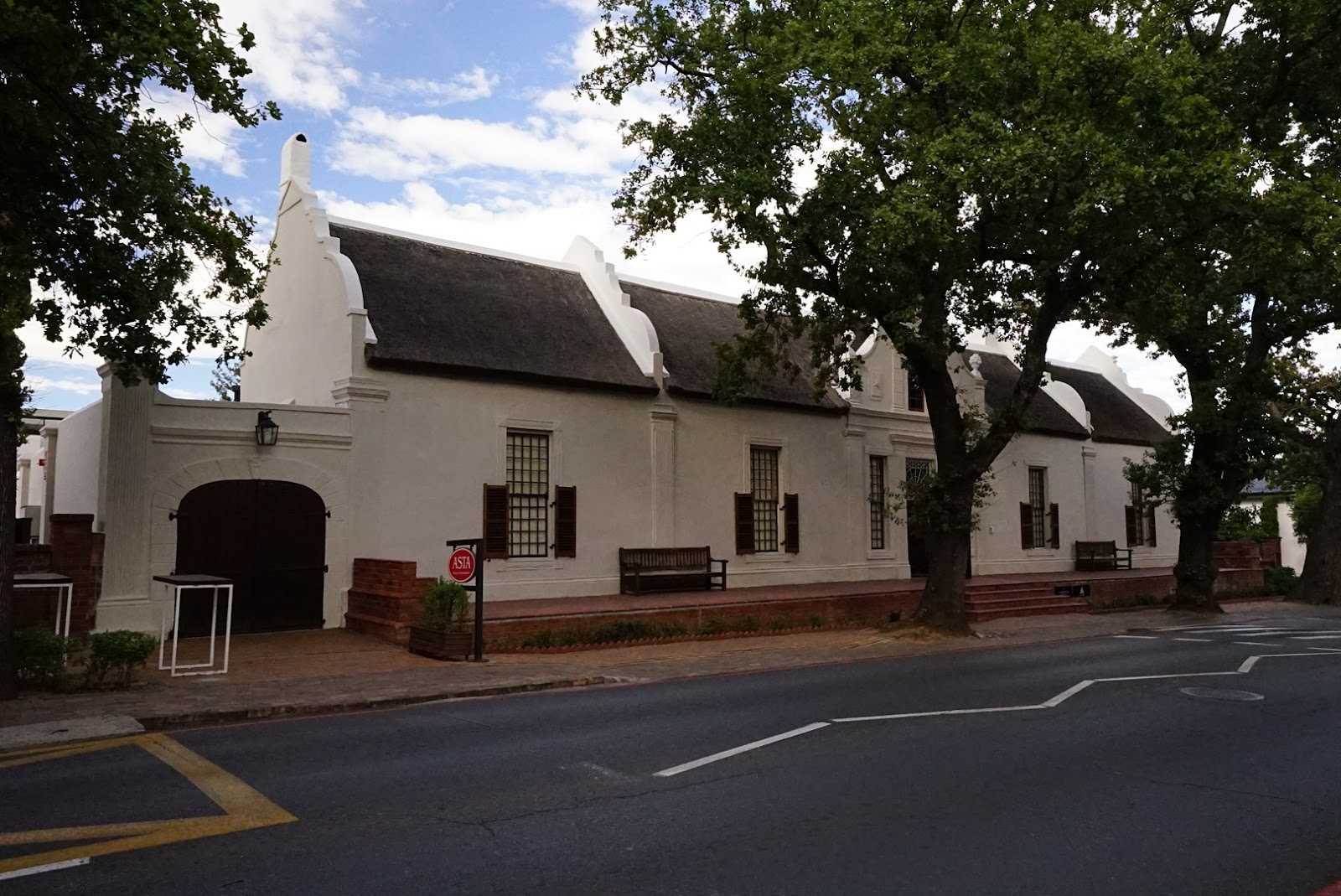
On 17 April 1971, three winemakers — Frans Malan of Simonsig, Niel Joubert of Spier, and Spatz Sperling of Delheim — opened eleven cellar doors and created South Africa's first wine route. They'd seen what Burgundy had built along the Routes des Vins two years earlier and recognised the same bones in the Stellenbosch valleys.
Today the route spans more than 150 cellar doors across five distinct sub-routes — Bottelary Hills, Greater Simonsberg, Helderberg, Stellenbosch Valley, and Stellenbosch Berg — representing over 200 producers. The Information Centre at 47 Church Street is where you orient yourself, pick a sub-route, and decide whether you're spending an afternoon or a week.
💛 What travellers fall for
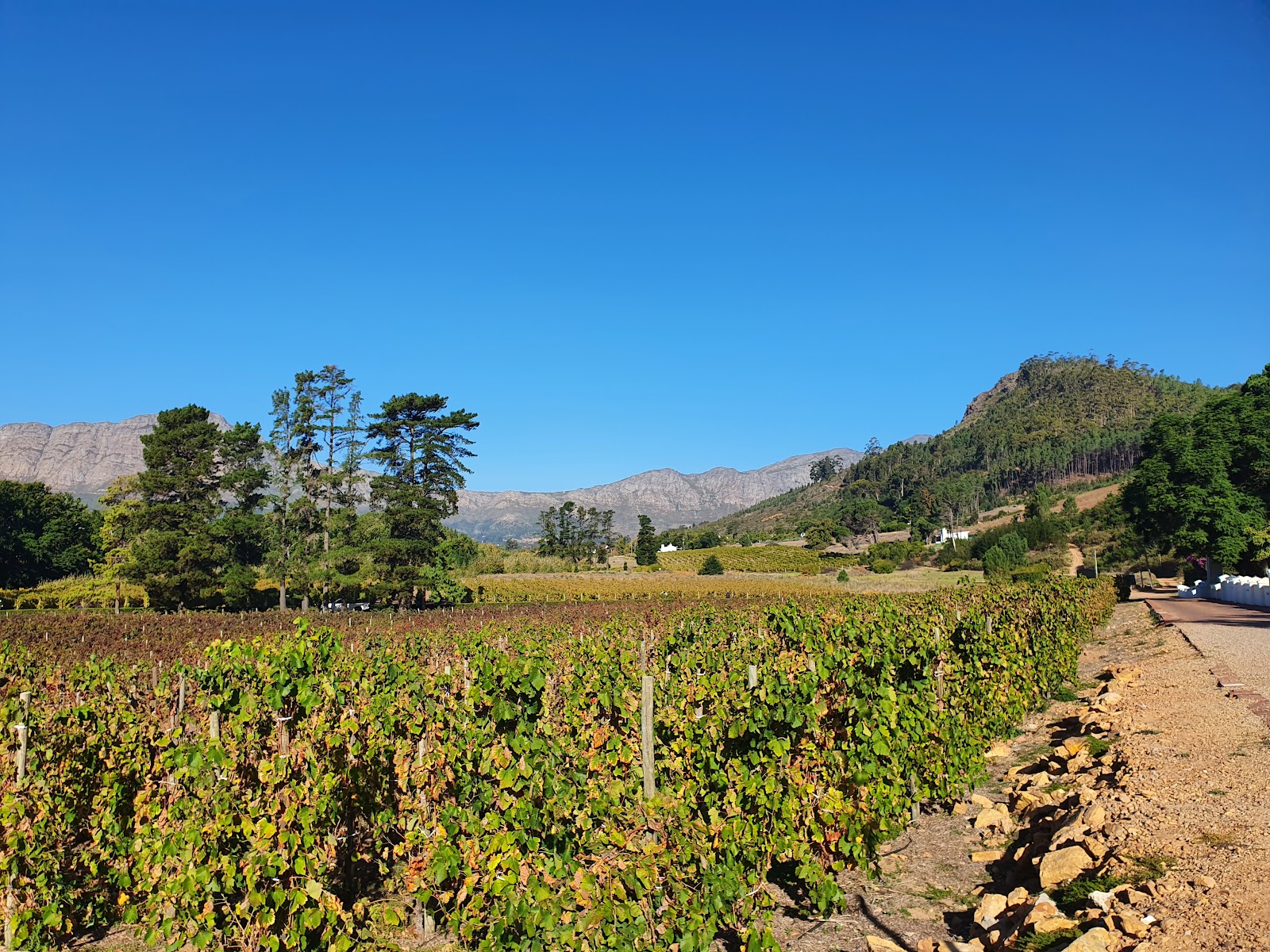
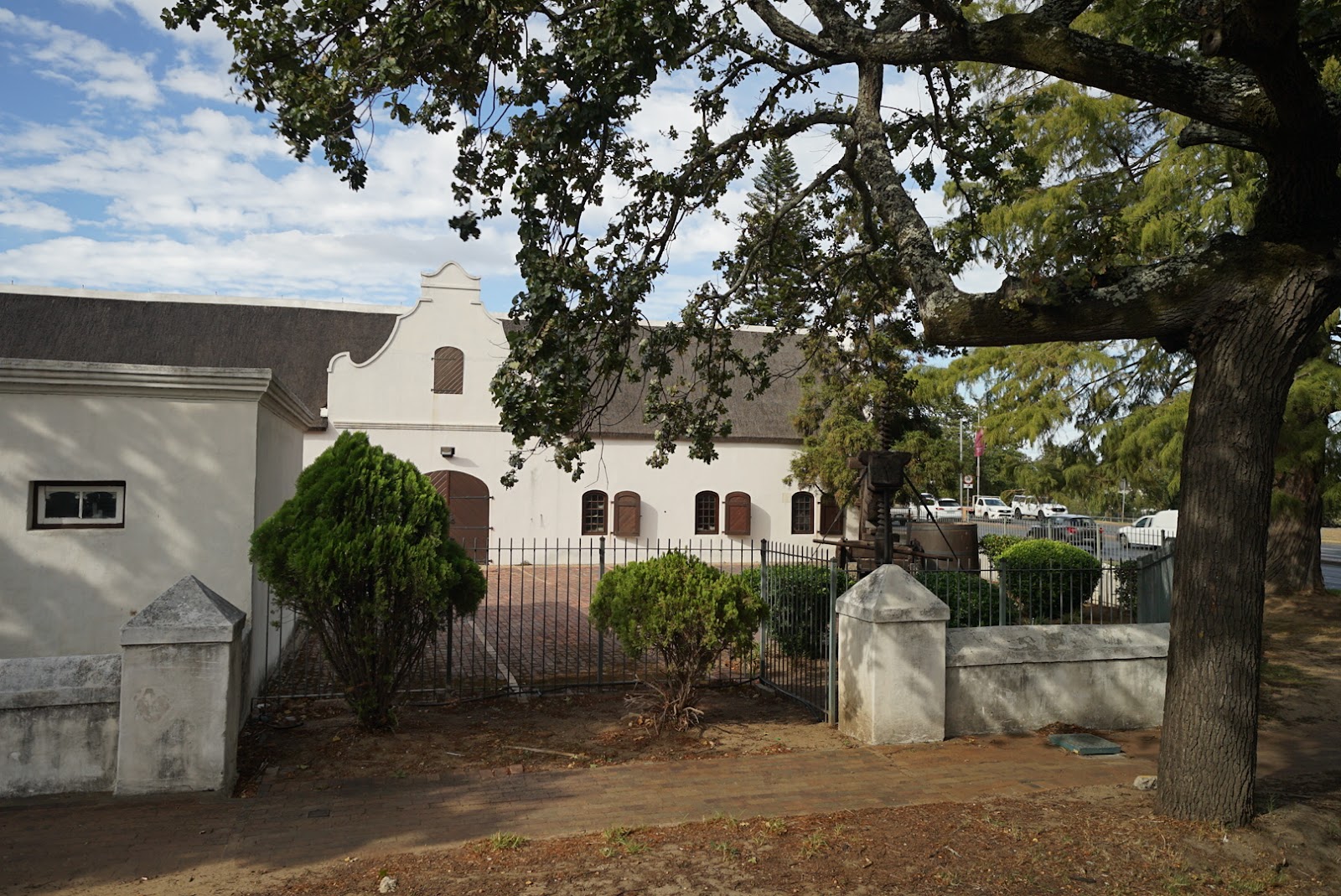
People who come back tend to pick one sub-route per day rather than chasing breadth. Helderberg draws them for its ocean-cooled reds; Bottelary Hills for older-vine Chenin. Vergenoegd Löw comes up often — its 1773 homestead and the Indian runner ducks that patrol the vineyards make it unlike anywhere else on the route.
The story behind Stellenbosch Wine Route
The founding moment was specific: in 1969, Frans Malan, Niel Joubert, and Spatz Sperling visited Burgundy and saw how a wine region could organise itself around visitor access. Two years later they formalised the idea with eleven founding members and launched what became the template for every wine route that followed in South Africa.
By 1999 the route had grown unwieldy — Helderberg, Bottelary, and Simonsberg were each running independent tourism operations. Unification took years. In 2019, the route became a founding member of Visit Stellenbosch, the town's official destination body, and the same year it joined the Porto Protocol as the first wine region in the Southern Hemisphere to do so.
Good to know
The Information Centre at 47 Church Street handles maps, bookings, and coffee. Stellenbosch sits 45 kilometres east of Cape Town — trains run roughly every three hours and take about 90 minutes. April through October offers cooler temperatures and thinner crowds. Individual estates vary widely on hours; call ahead if you're targeting a Sunday.
April through early November is the window when the valley earns its reputation — temperatures are comfortable, rainfall is low outside winter, and the light in autumn (March–May) turns the vineyards a colour worth planning around. Summer (December–February) brings heat that can push into the high twenties by afternoon, which makes back-to-back tastings harder work than they sound.
Where is Stellenbosch Wine Route?
More tickets & tours for Stellenbosch Wine Route
Book directly at the provider
What travellers say about Stellenbosch Wine Route
Went on the Historical city tour in Stellenbosch yesterday with the guide Juliana Rossouw. Fantastic tour and a Fantastic guide!! So glad I went and got Juliana as a guide. Thanks so much! A highly recomended tour and company!
Absolutely loved the wine tasting experience. Gives u an opportunity to make an informed decision when purchasing wines. Service is excellent.
Stunning town in the heart of the Cape Winelands. Well worth a visit if you genuinely enjoy Cape Dutch architecture.
You must really set time aside to appreciate the Stellenbosch Wine route. This scenic route together with it's beautiful mountains and clean air is something a review can never do justice to. You woul also found some great wines from the wine farms at great prices. Most farms offer wine tasting. The secret is not too be in a hurry to explore and enjoy.
Beautiful panoramic views especially from a very high altitude. Mediterranean vegetation visible along the clean, well constructed roads and passes. At Karmel, a camping site in Franschoek, our national flower, the protea which is a protected specie, can be seen growing in the valley below as well as the mountain passes. Enormous vineyards and spectacular Victorian-styled houses with historical value added to them, built on vast peoperties. Those who enjoy photography, will have a wonderful opportunity to enlarge/add to their portfolio's.
More of Stellenbosch
Discover where to stay, what to do and the best deals for your trip.
Explore Stellenbosch →More attractions in Stellenbosch
All of Stellenbosch →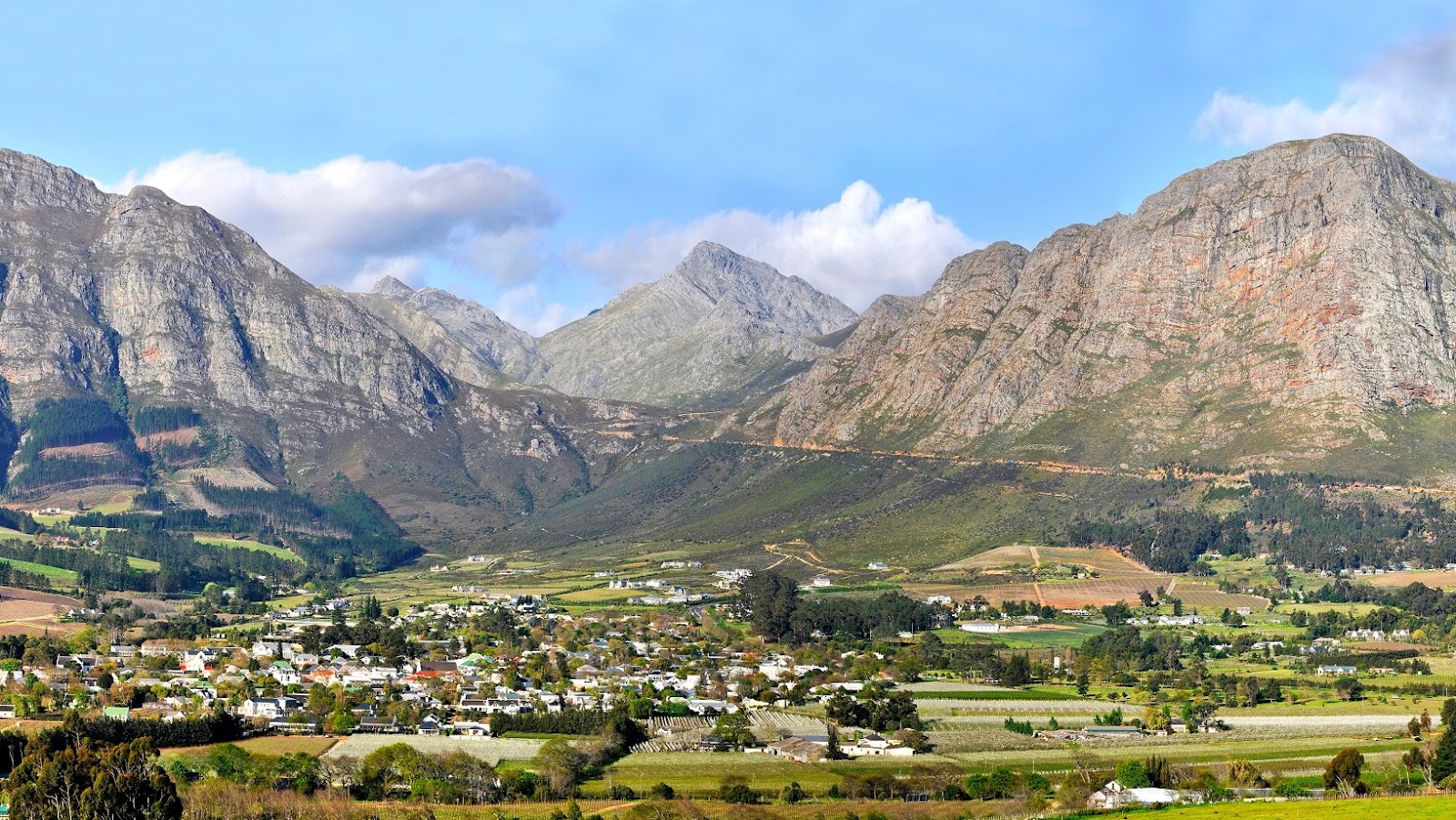

Background adapted from Wikipedia (CC BY-SA) · map data © OpenStreetMap contributors · ratings & place photos via Google · other photos with per-image credit. Ticket links may earn us a commission at no extra cost to you.