
Schönau am Königssee
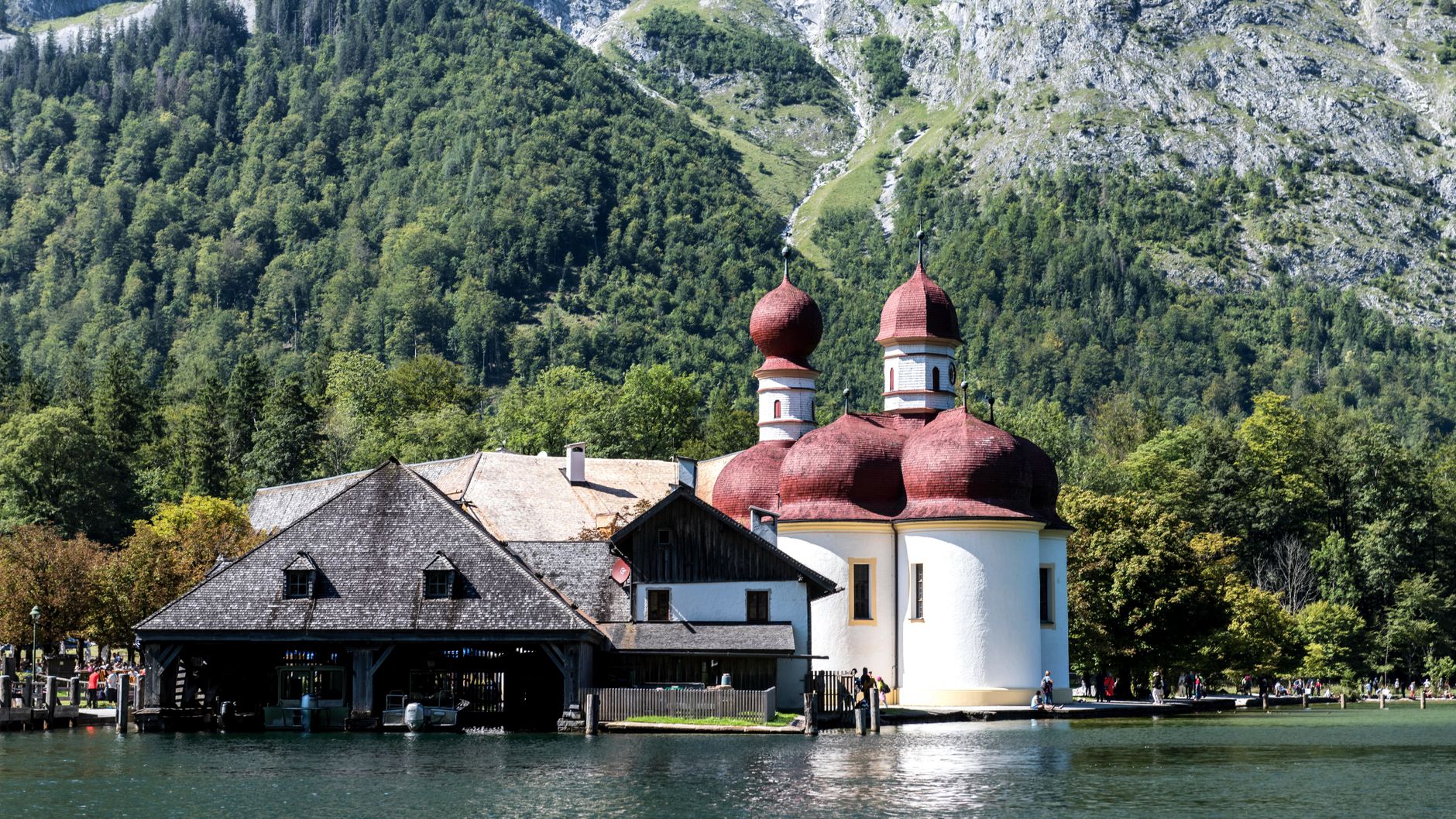
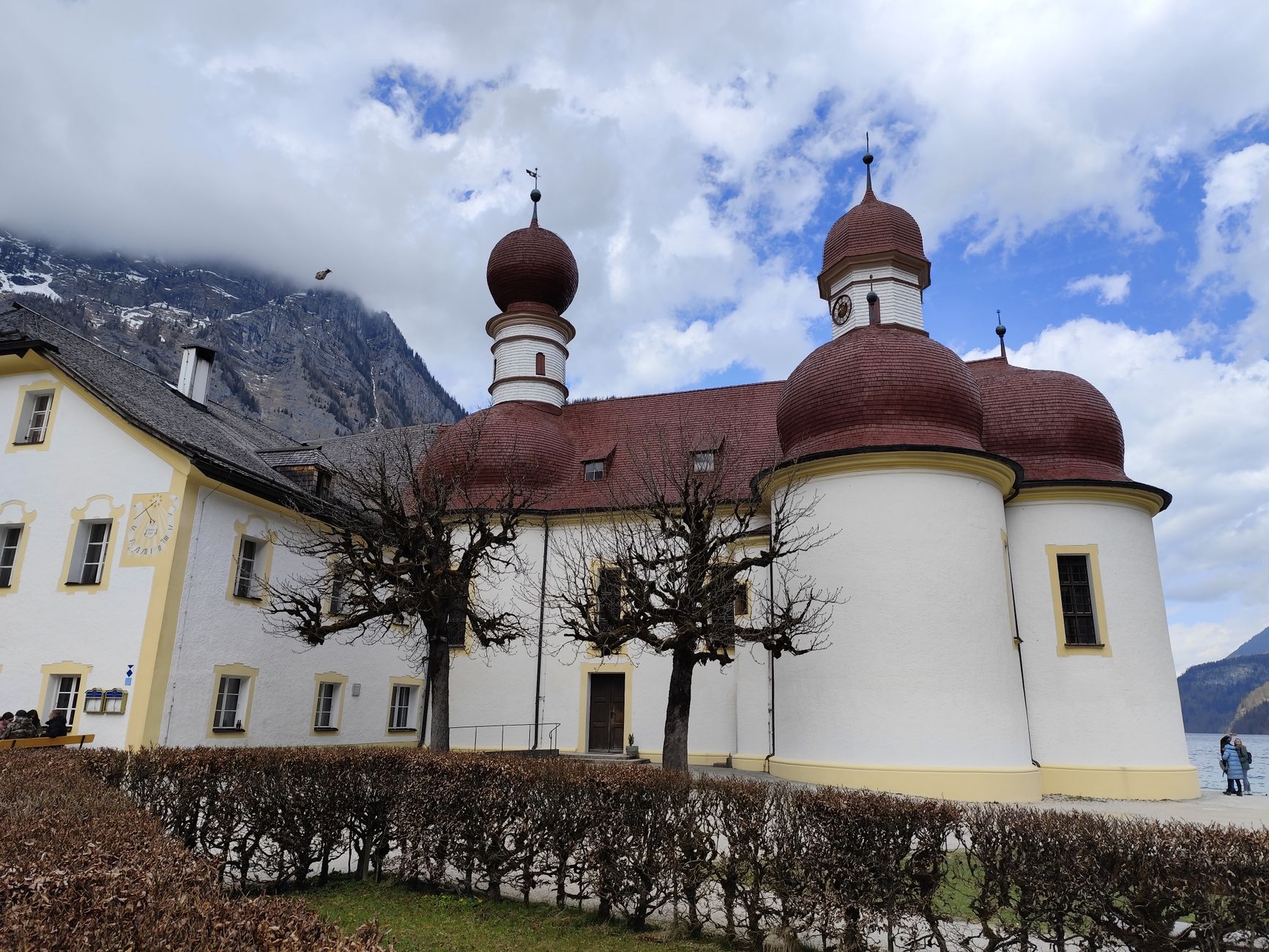
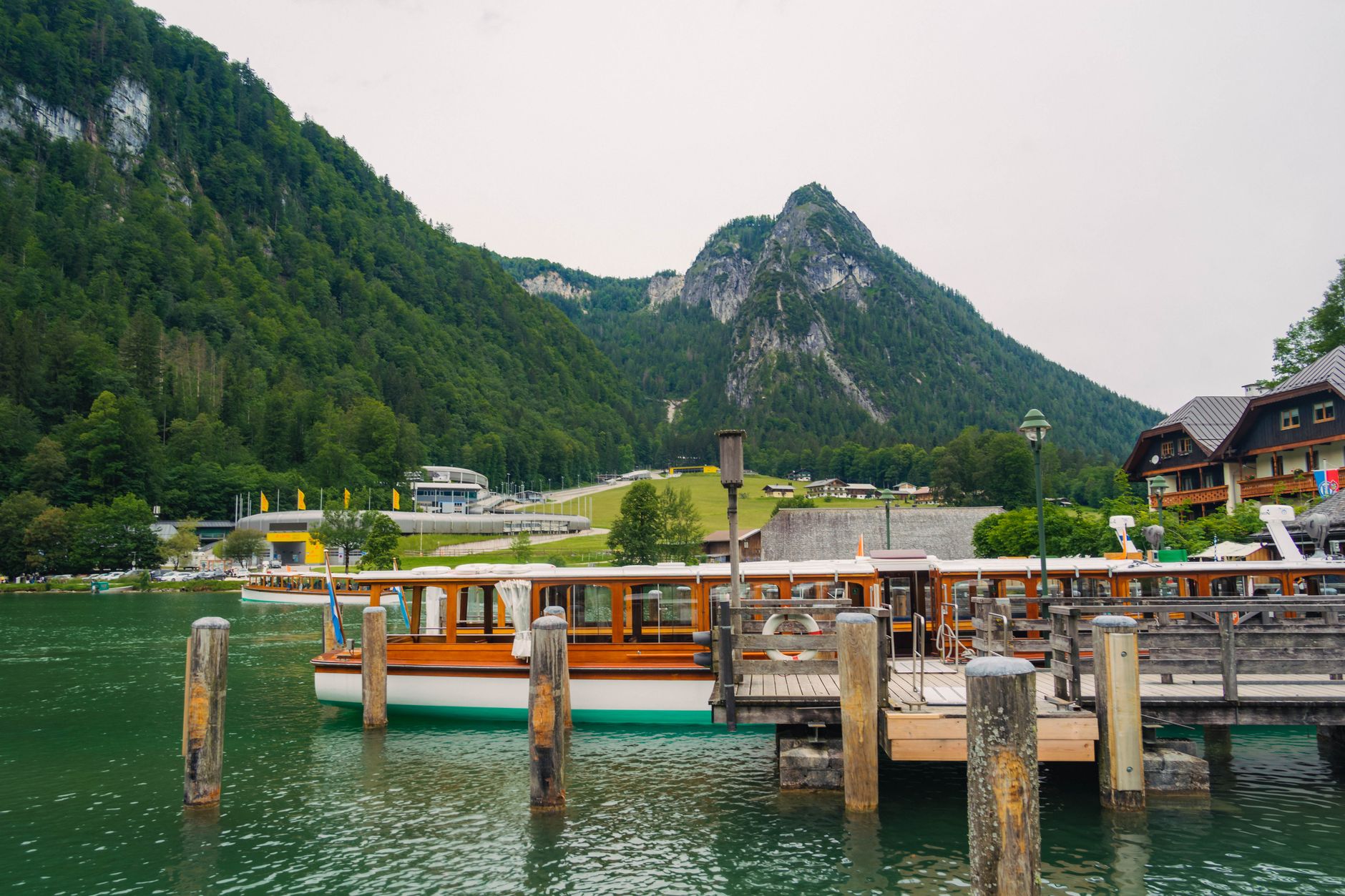
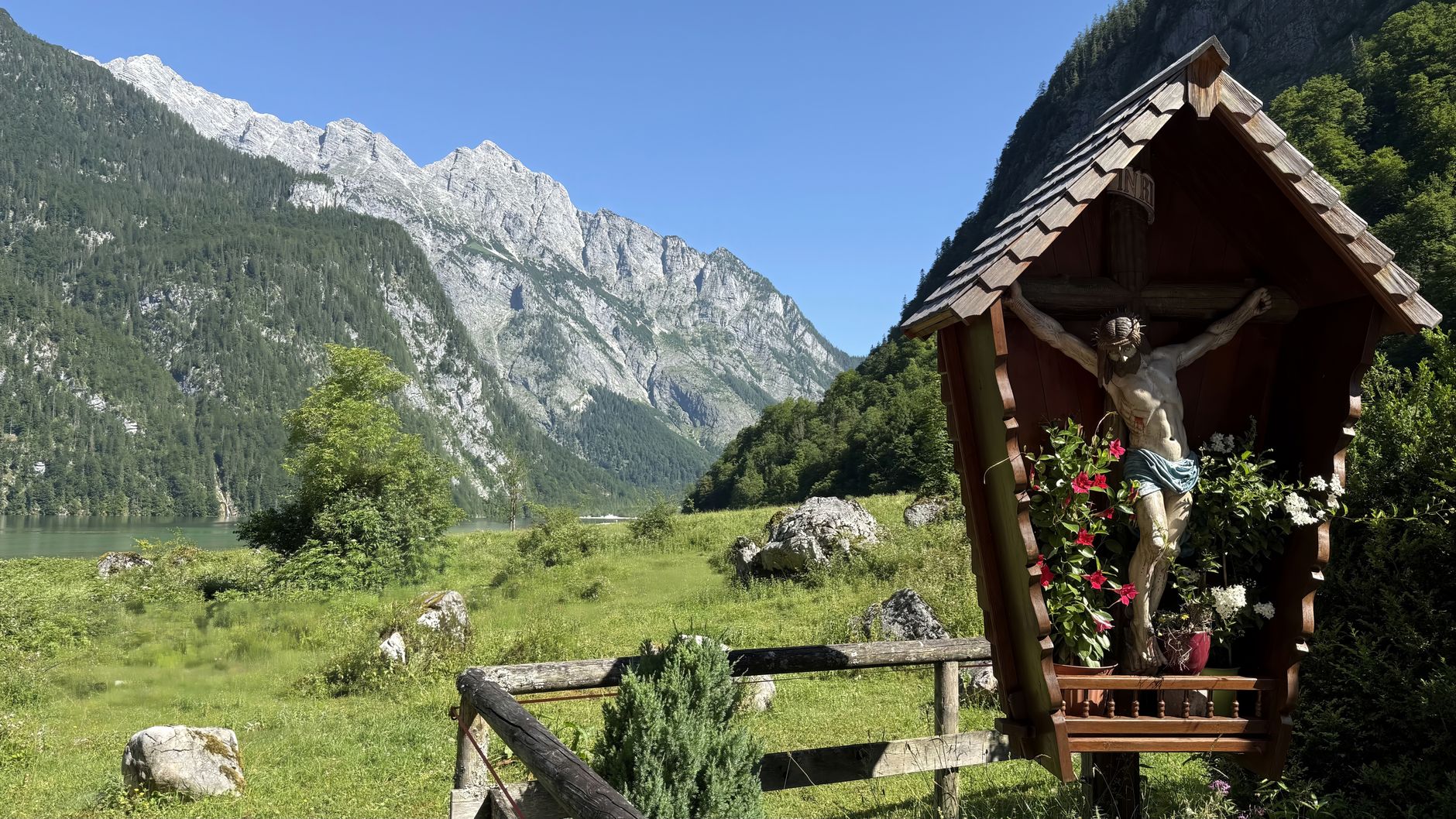
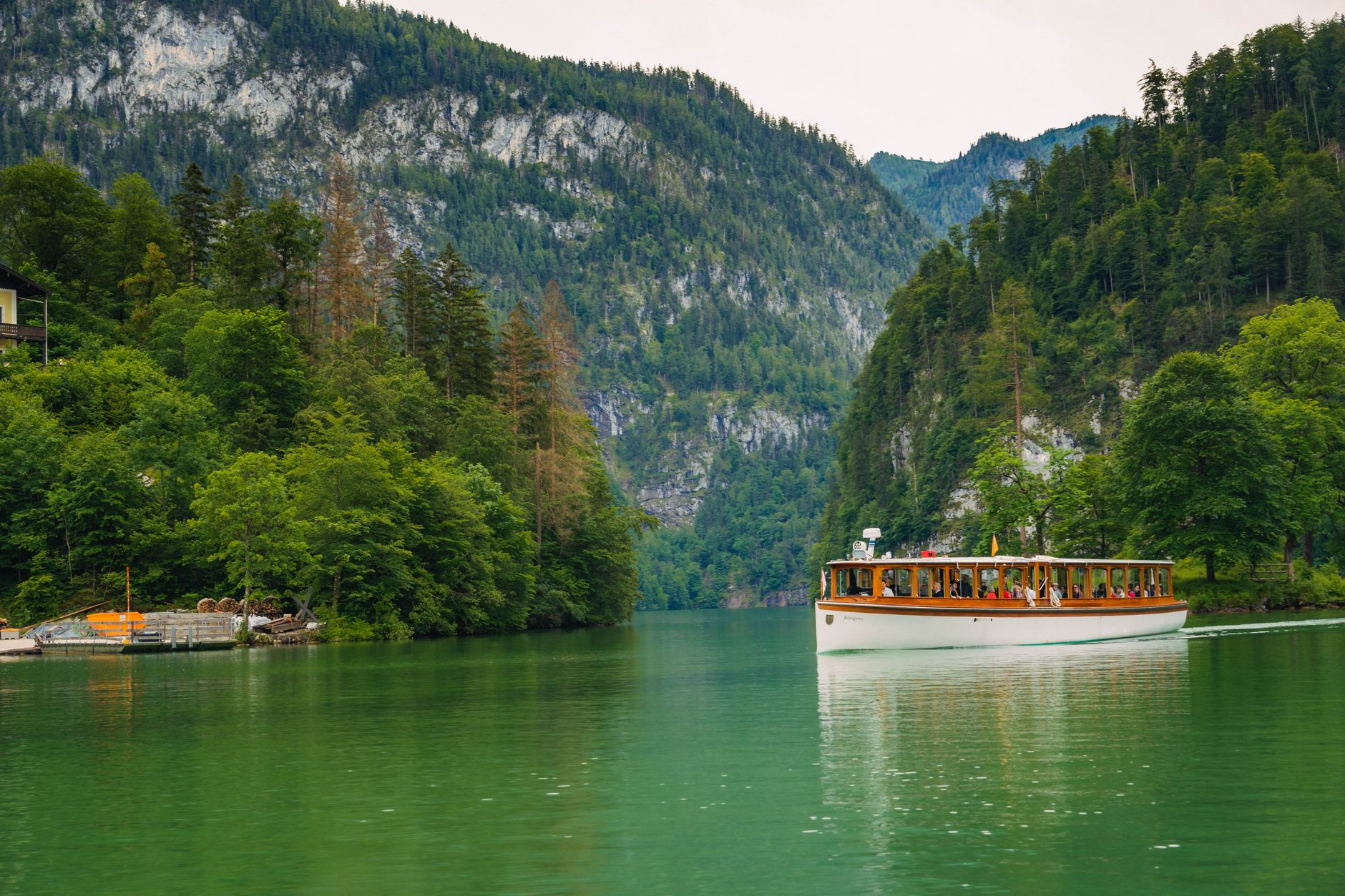
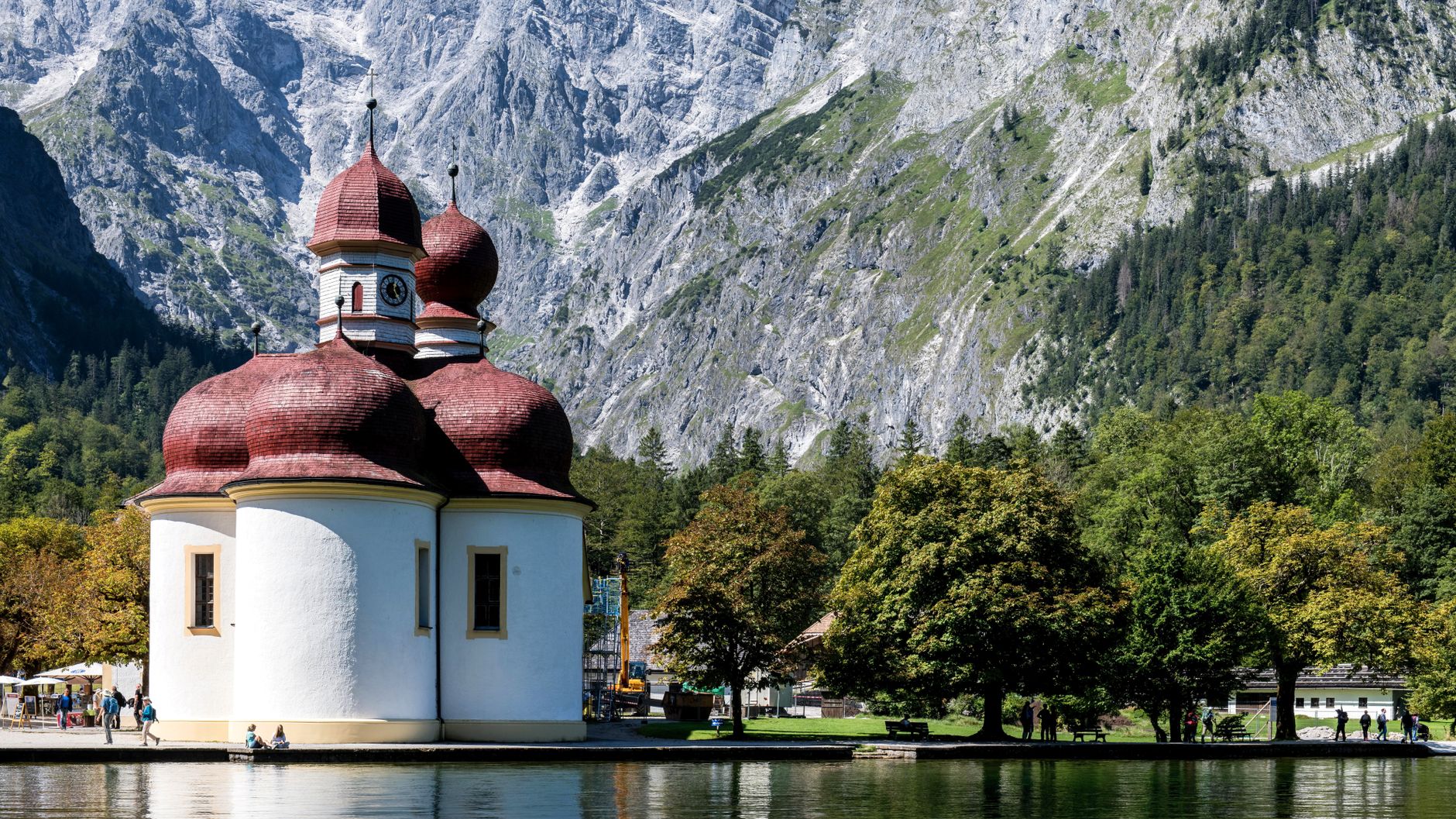
The boat leaves the pier in near silence — electric motors, introduced here in 1909, mean the only sound is water folding away from the hull. Königssee stretches 7.7 kilometres south into the Berchtesgaden Alps, its walls rising so steeply that there is no path along the shore. The only way to St. Bartholomä, the red-domed Baroque church founded in 1134, is by water or by the mountain trails above.
Schönau am Königssee is the small municipality that holds all of this: the lake, the church, the eastern face of the Watzmann massif, and the world's oldest permanent bobsleigh, luge and skeleton track, built in 1968 and still in competitive use.
💛 What travellers fall for
People who come back tend to take the boat past St. Bartholomä all the way to the Obersee and the Eiskapelle ice chapel beyond — a leg most day-trippers skip. They also mention the echo wall: the boat captain raises a trumpet to the cliff face, and the sound returns, cleanly, several times over.
Deals in Schönau am Königssee
Book directly at the provider


How Schönau am Königssee came to be
Schönau appears in the written record in 1456, named as one of eight historic localities within the Berchtesgaden Provostry, though settlement in the valley almost certainly began two or three centuries earlier — farmers and herders moving into the alpine terrain alongside the salt trade that was already running out of Berchtesgaden by 1193. The church of St. Bartholomä, founded in 1134 by the Prince-Provosts of Berchtesgaden, predates the town's first written mention by three hundred years.
The present municipality took its current shape in 1978, when the former Schönau and Königssee communes merged. Six years later, the municipal boundary was formally extended to include the lake itself, the surrounding peaks up to the Austrian border, and the eastern portion of what is now Berchtesgaden National Park.
Who and what shaped it
People who shaped it
Landmark buildings
See Schönau am Königssee in motion
Plan your visit
On the map
When to go
Summers run warm, roughly 20–26°C, with July delivering the most reliable sunshine — though June brings heavy rainfall, so a waterproof layer is sensible even in midsummer. Winters are genuinely cold, January averaging around 1°C with significant snowfall, and the lake occasionally freezes enough to walk to St. Bartholomä on foot rather than by boat.
Right now
Background & history adapted from Wikipedia (CC BY-SA) · specs from Wikidata (CC0) · weather from Open-Meteo · map data © OpenStreetMap contributors · photos from Wikimedia Commons / Unsplash with per-image credit. No third-party reviews or social posts reproduced.