
Sabiñánigo
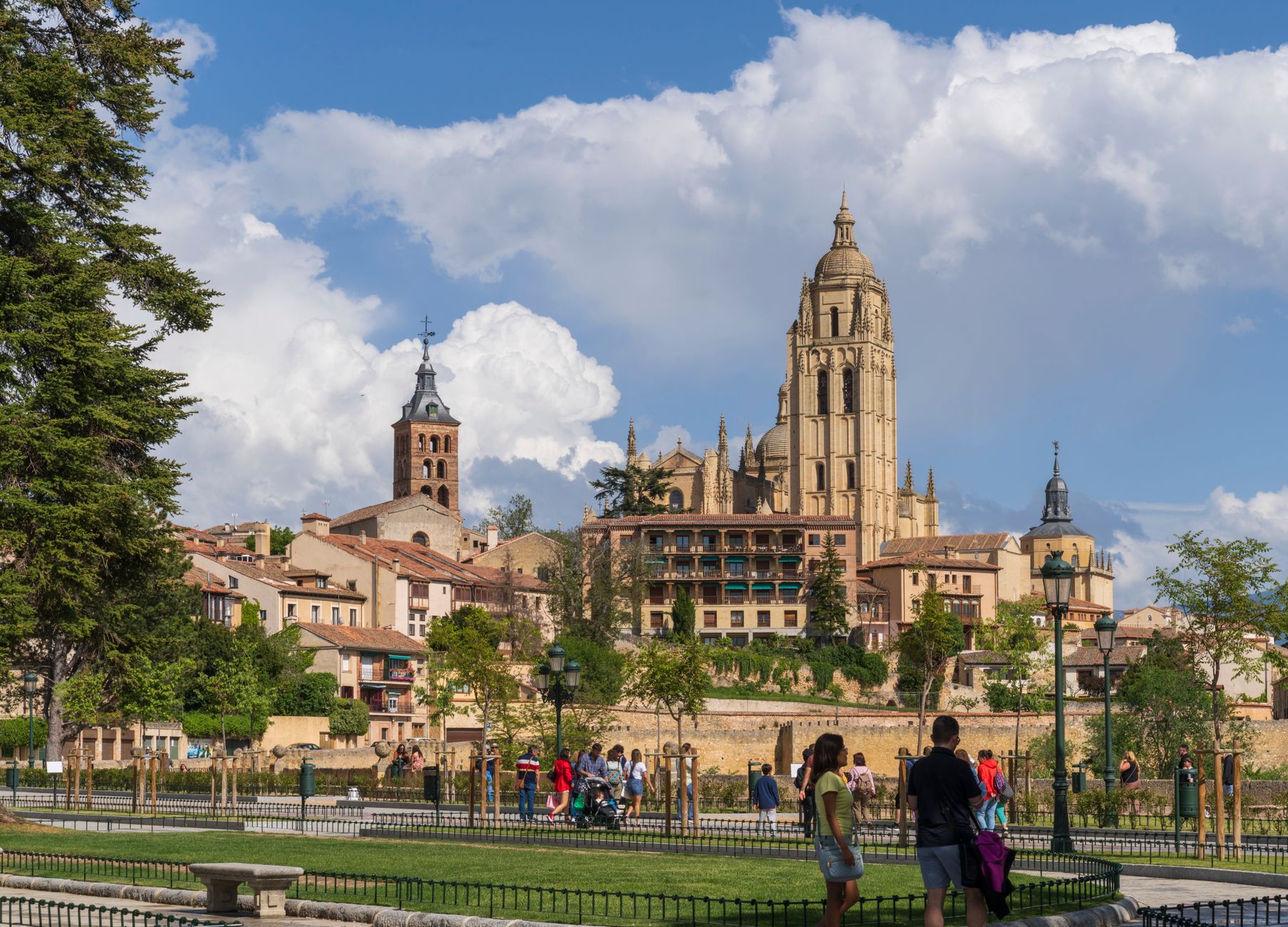
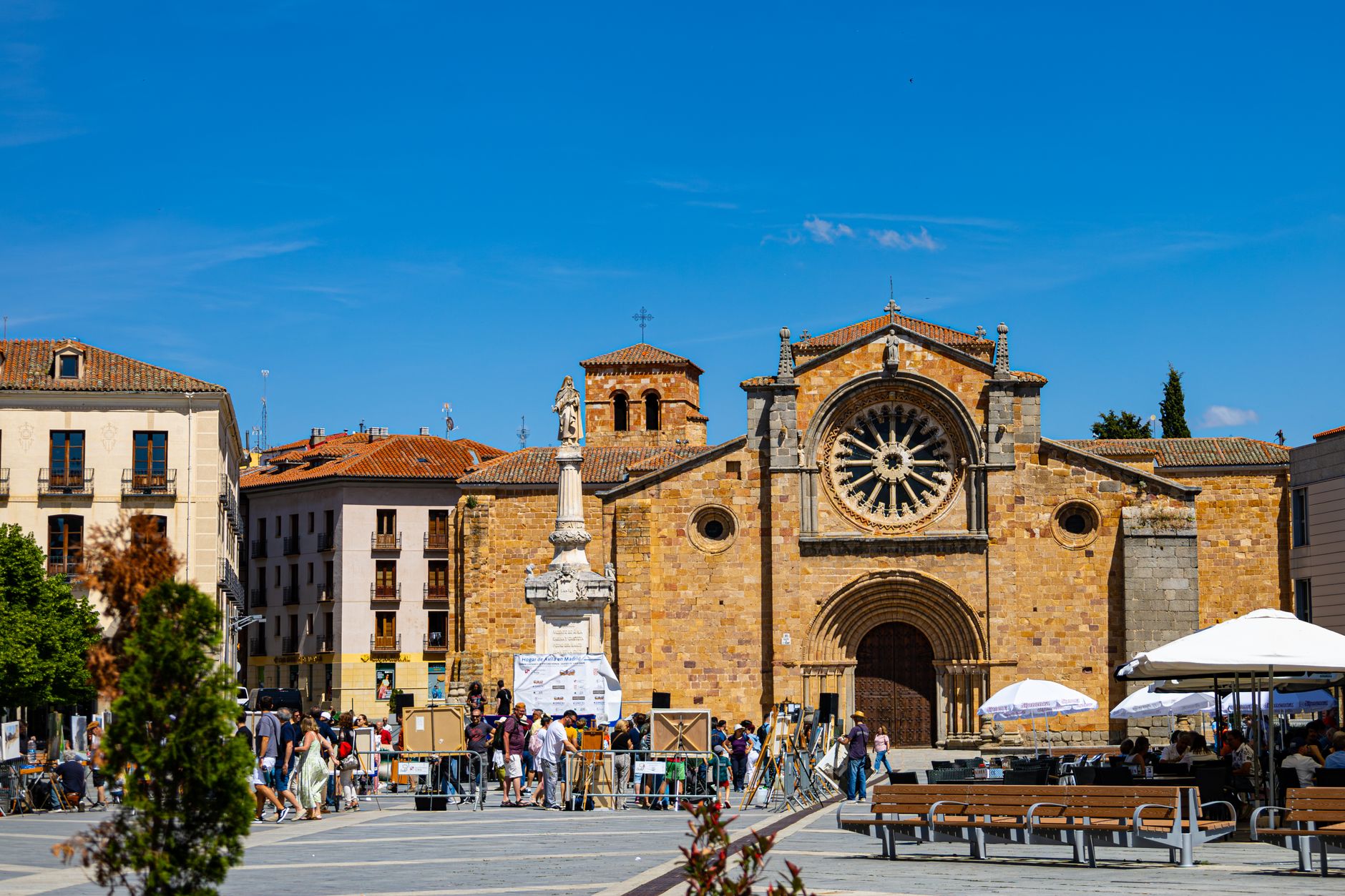
Sabiñánigo sits at the point where the Pyrenean foothills begin to mean business — a working town in the Serrablo valley that earned its modern shape from a railway line and a chemical factory rather than from tourism. The 1893 train station drew workers and commerce north from Zaragoza; by 1920, the Franco-Spanish company EIASA had built what became the first plant in the world to synthesize ammonia from hydrogen, on the edge of town.
What pulls people through now is the ring of Romanesque and Mozarabic churches scattered across the surrounding hills — a collection so unusual it has its own named route — plus proximity to some of the Pyrenees' most serious ski terrain. The town itself is quiet and undecorated, which is part of the point.
💛 What travellers fall for
People who come back tend to mention the same two things: the Castillo de Larrés on a weekday morning when you have the drawing collection more or less to yourself, and the Quebrantahuesos sportive in late June, when several thousand cyclists pass through and the town briefly becomes the centre of something much larger than itself.
Experiences you don't want to miss


Deals in Sabiñánigo
Book directly at the provider

How Sabiñánigo came to be
The first reliable written record of Sabiñánigo dates to 1035, when it appears as Savignaneco in documents tied to its incorporation into the Kingdom of Aragon. For centuries it was a small royal town with certain privileges, sitting along the road that once connected Roman Osca — today's Huesca — northward toward the mountains.
The modern town is largely a product of infrastructure. The late 19th-century railway project linking Zaragoza to France via the Canfranc pass brought a station and a new nucleus of settlement around it. Then in 1920, EIASA arrived with industrial ambition. The Spanish Civil War reached here too: between September and November 1937, Republican forces fought to take the town and failed, at a cost of roughly 6,000 casualties on both sides.
Who and what shaped it
People who shaped it
Landmark buildings
See Sabiñánigo in motion
Plan your visit
On the map
When to go
Summers are warm and mostly clear, with July daytime temperatures around 26°C and cool nights. Winters are genuinely cold — January averages around 7°C by day and drops below freezing at night — so if you're coming for the ski resorts, pack accordingly.
Right now
Background & history adapted from Wikipedia (CC BY-SA) · specs from Wikidata (CC0) · weather from Open-Meteo · map data © OpenStreetMap contributors · photos from Wikimedia Commons / Unsplash with per-image credit. No third-party reviews or social posts reproduced.