
Rovereto
Every evening at dusk, a bell tolls one hundred times over Rovereto's rooftops. Maria Dolens — the Bell of the Fallen — has done this since 1925, counting out the dead of every war, and the sound carries across the valley in a way that makes the city's preoccupation with memory feel less like tourism and more like a civic practice.
Rovereto sits at a fold in the Adige valley where Venice once met the Holy Roman Empire, and that frontier history left it with a castle, a silk trade, a Futurist painter, and more war graves than most Italian cities twice its size. The MART alone — Mario Botta's circular museum of modern art — would justify a detour from anywhere on the Brenner line.
💛 What travellers fall for
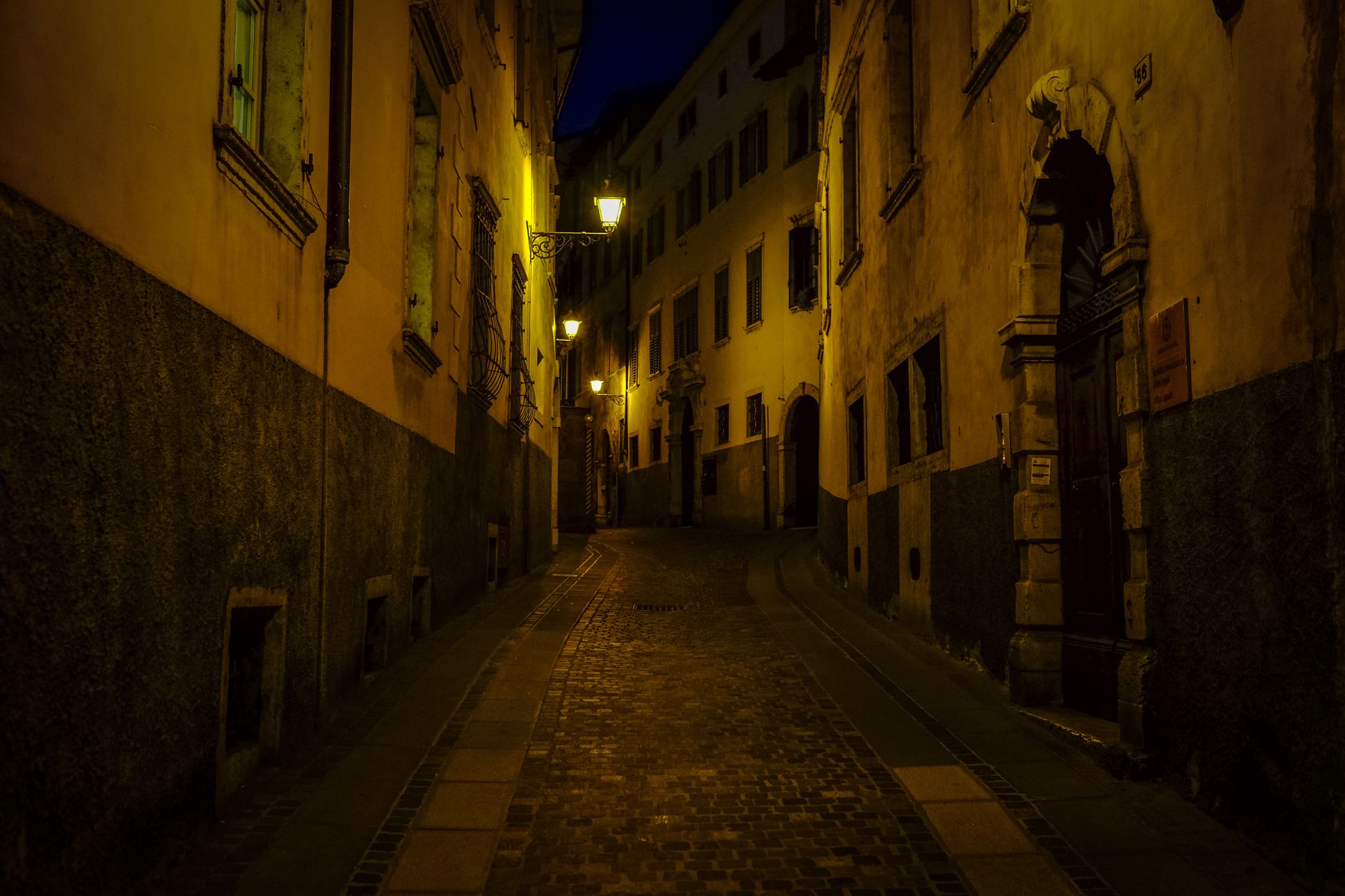
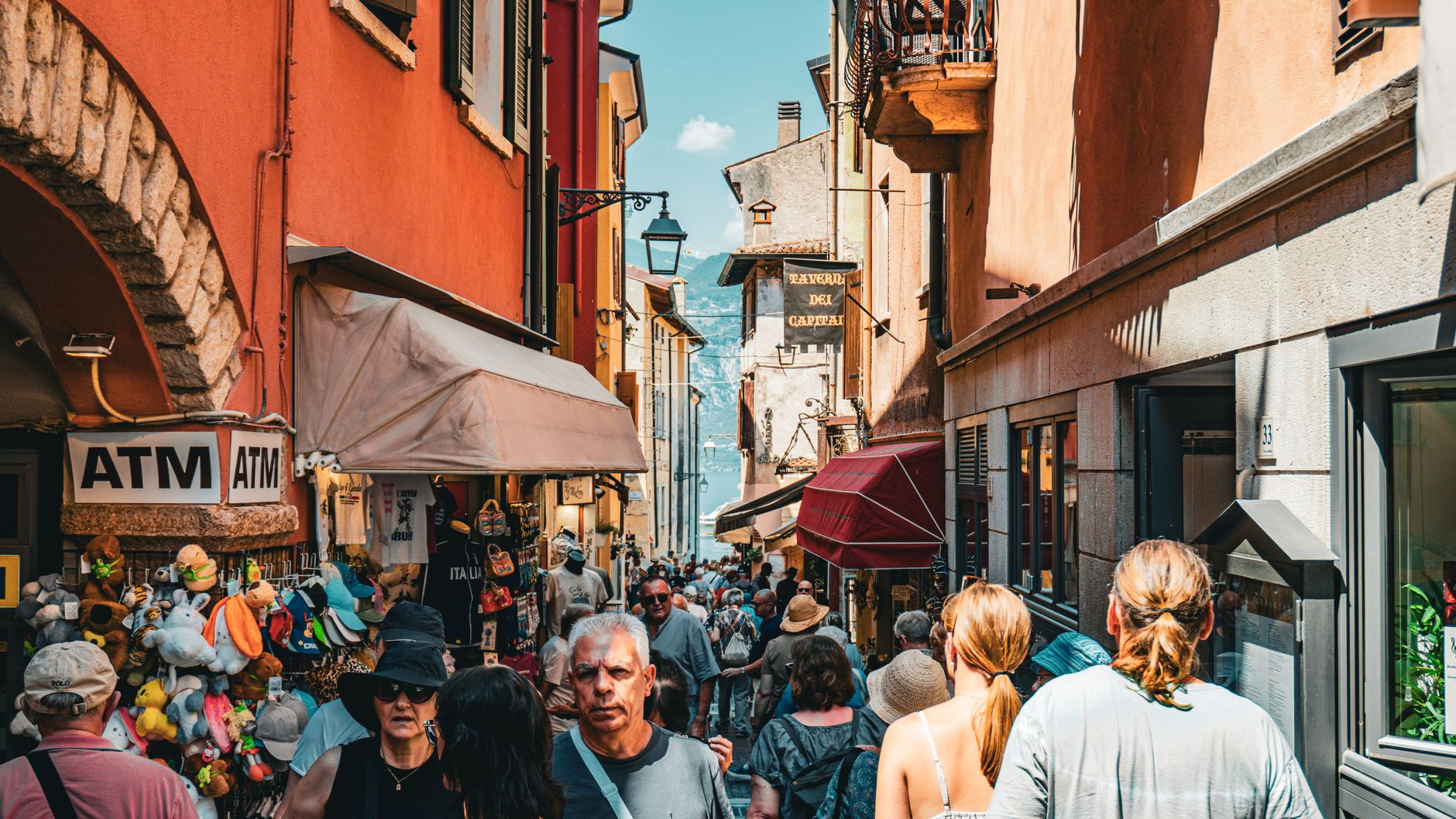
People who come back tend to mention two things nobody told them about: the smell of Torrefazione Bontadi roasting coffee somewhere near the old centre — the oldest working roaster in the country — and Via della Terra at quiet hours, when the frescoed facades and wrought-iron balconies are easier to read without the afternoon foot traffic.
Deals in Rovereto
Book directly at the provider
How Rovereto came to be
Rovereto's first documented mention comes in 1197, with the establishment of a hospice — though a settlement clearly predates it. The Castelbarco family held the town from around 1300, building the castle that still stands above the old streets. Venice took control in 1416 and held it for nearly a century, during which the silk trade made Rovereto prosperous enough to leave frescoed merchant houses behind. Austria then absorbed it into a long Habsburg chapter that ended only in 1919, when the railway station — built by the Austrian Empire's Südbahn in 1859 — passed to Italy.
The First World War hit the town hard: the population was exiled, the front ran through the surrounding hills, and the dead eventually numbered in tens of thousands. The war museum opened in 1921, the ossuary at Castel Dante holds more than 20,000 soldiers, and the bell has tolled every evening since 1925. WWII brought bombing damage on top of all that. What you walk through now is a city that rebuilt itself around the question of what to do with so much grief.
Who and what shaped it
People who shaped it
Landmark buildings
See Rovereto in motion
Plan your visit
On the map
When to go
July sits around 24°C and June through September is the window for reliable sun with manageable rainfall. Winters are cold and grey — January averages 5°C — and November is the wettest month by some margin, though the bell tolls regardless.
Right now
Background & history adapted from Wikipedia (CC BY-SA) · specs from Wikidata (CC0) · weather from Open-Meteo · map data © OpenStreetMap contributors · photos from Wikimedia Commons / Unsplash with per-image credit. No third-party reviews or social posts reproduced.