
Trentino-Alto Adige


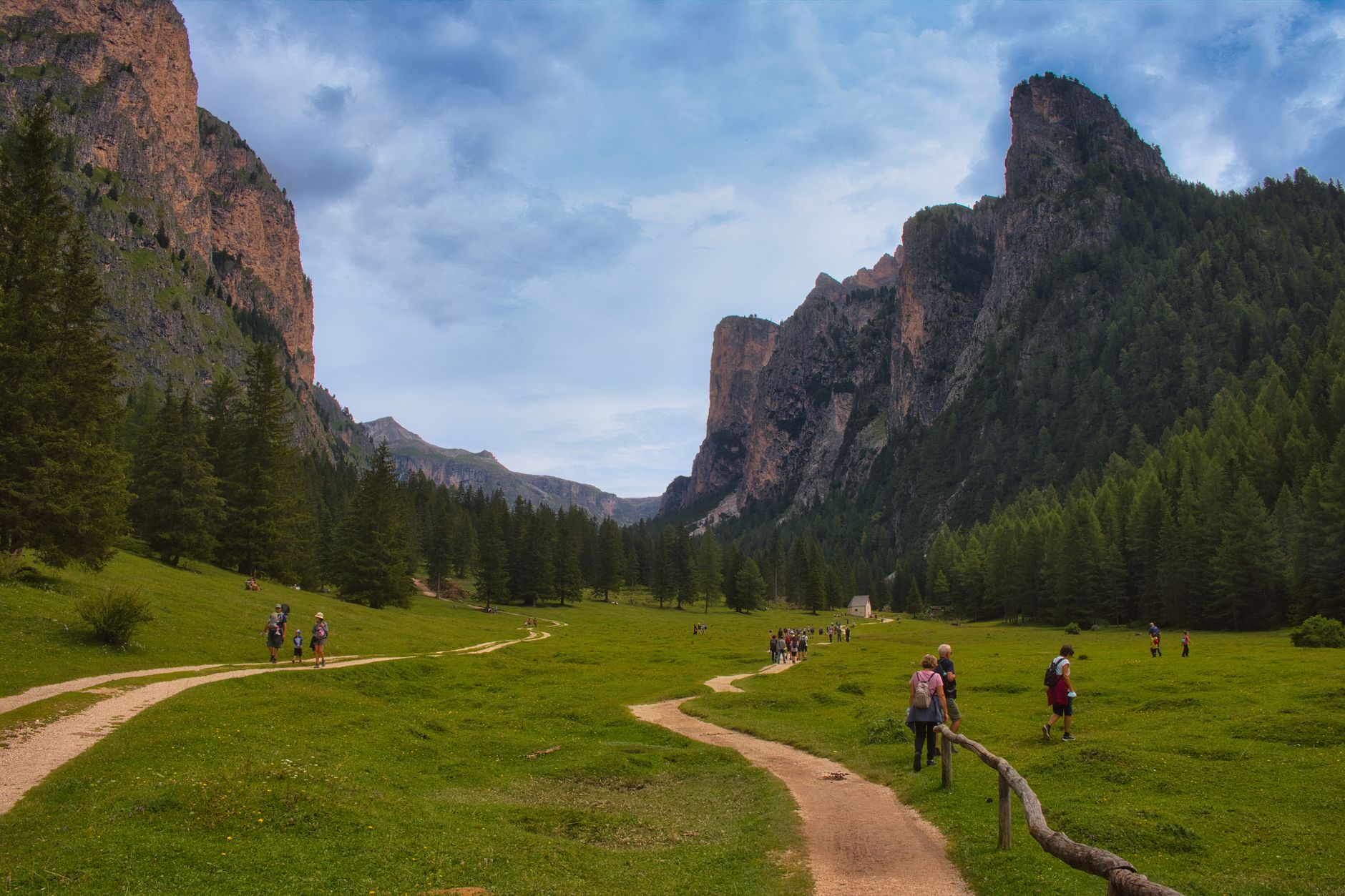


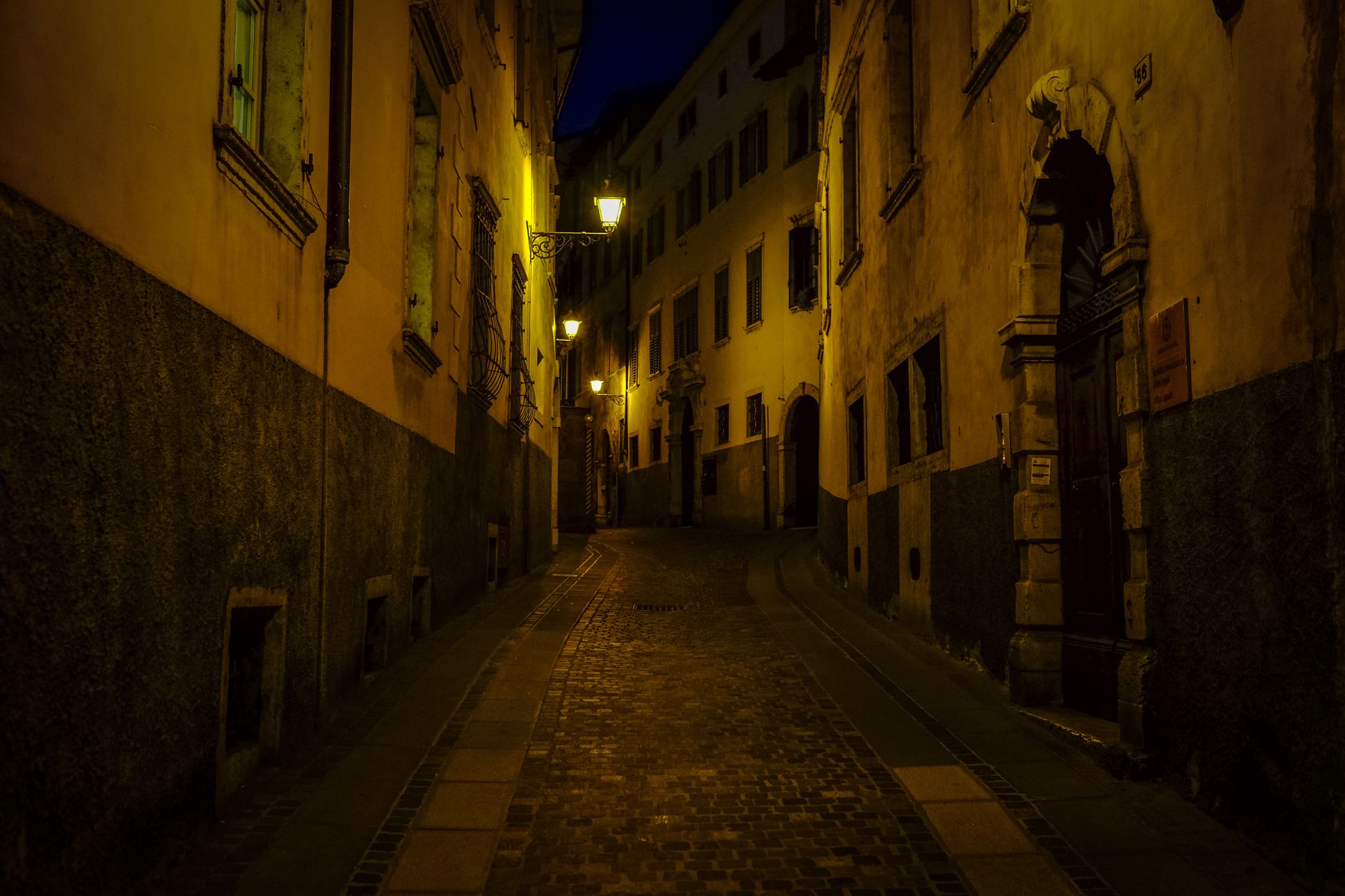
Two languages, two cultures, one river valley running north to south through the Alps — Trentino-Alto Adige is less a single place than a negotiated peace between worlds. In the south, Trento's frescoed streets and cathedral squares feel unmistakably Italian. Drive an hour north and the signage shifts to German, the architecture to dark timber and steep-pitched roofs, the wine list to Pinot Bianco and Lagrein. The Dolomites rise above all of it, their pale limestone towers forming a UNESCO-listed skyline that belongs to neither country in particular.
The region holds three languages — Italian, German, and Ladin, the latter spoken by around 20,000 people in the high valleys — and has been contested territory for most of recorded history. What remains is a place with real texture: serious wine, serious mountains, and a self-governing status that it earned the hard way.
Popular cities in Trentino-Alto Adige
How Trentino-Alto Adige came to be
The Romans pushed into this Alpine corridor in the first century BC, defeating the Rhaetian tribes near Bolzano under Drusus and Tiberius around 16–15 BC. For centuries afterward, the region was governed by prince-bishops — the Cathedral of San Vigilio in Trento served as their seat — and it was here, between 1545 and 1563, that the Catholic Church held the Council of Trent, the reforming response to the Protestant Reformation that reshaped European Christianity.
The 20th century was less orderly. Italy annexed the territory in 1919 after the Treaty of Saint-Germain-en-Laye, and the post-WWII Gruber-De Gasperi Agreement created the autonomous region that exists today. By 1972, real administrative power had passed to the two provinces — Trento and Bolzano — a structure that has held, more or less, ever since.
Who and what shaped it
People who shaped it
Landmark buildings
See Trentino-Alto Adige in motion
Plan your visit
On the map
When to go
The valley floor around Trento runs semi-continental: cold, dry winters averaging around 2°C in January and warm summers peaking near 23°C in July, with afternoon thunderstorms common through the warmer months. Above 1,800 metres, the Alpine climate is a different proposition entirely — genuinely cold winters, cool summers, and significantly more precipitation.
Right now
↡ Cities
Background & history adapted from Wikipedia (CC BY-SA) · specs from Wikidata (CC0) · weather from Open-Meteo · map data © OpenStreetMap contributors · photos from Wikimedia Commons / Unsplash with per-image credit. No third-party reviews or social posts reproduced.