
Riva del Garda
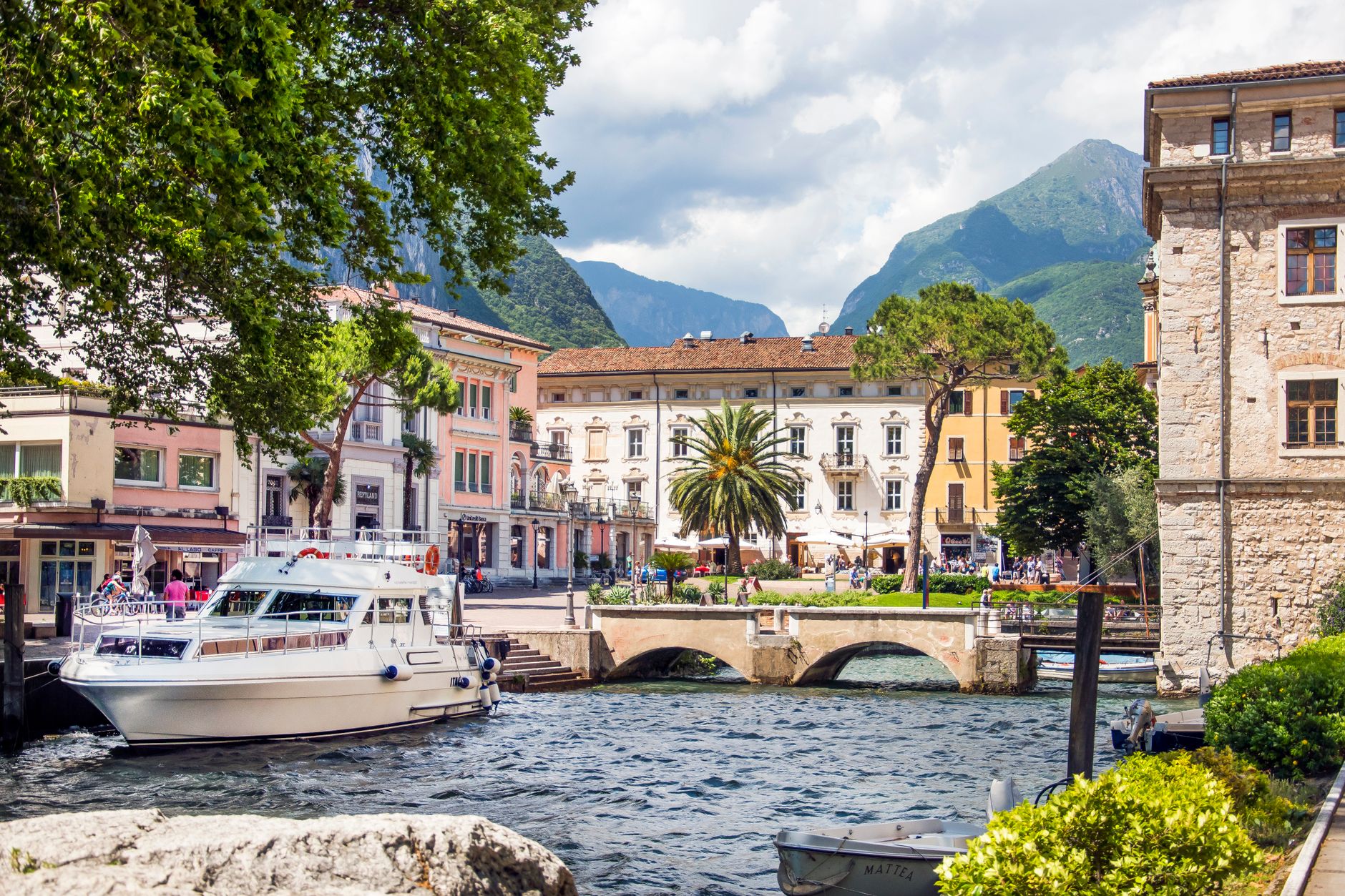
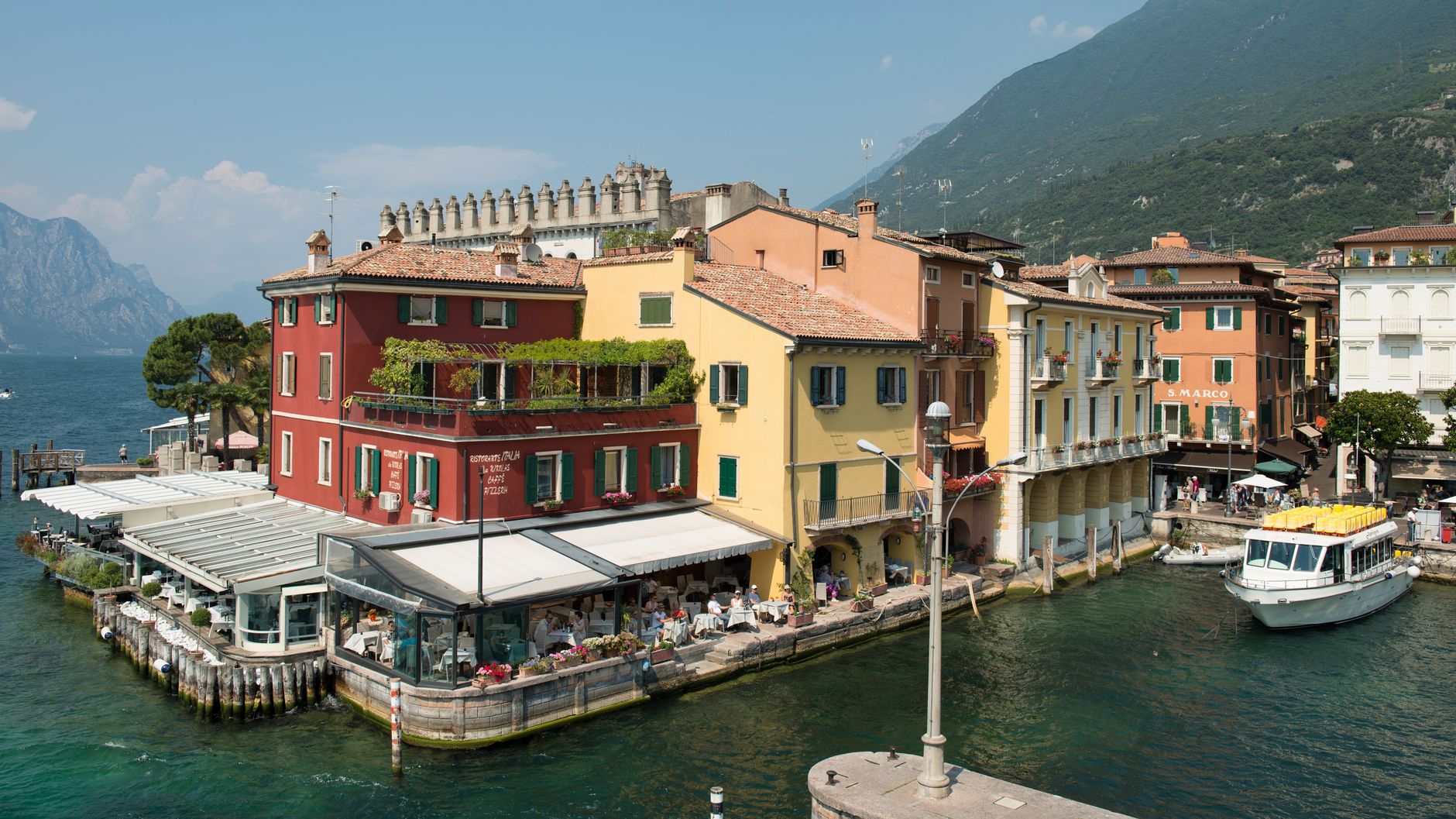
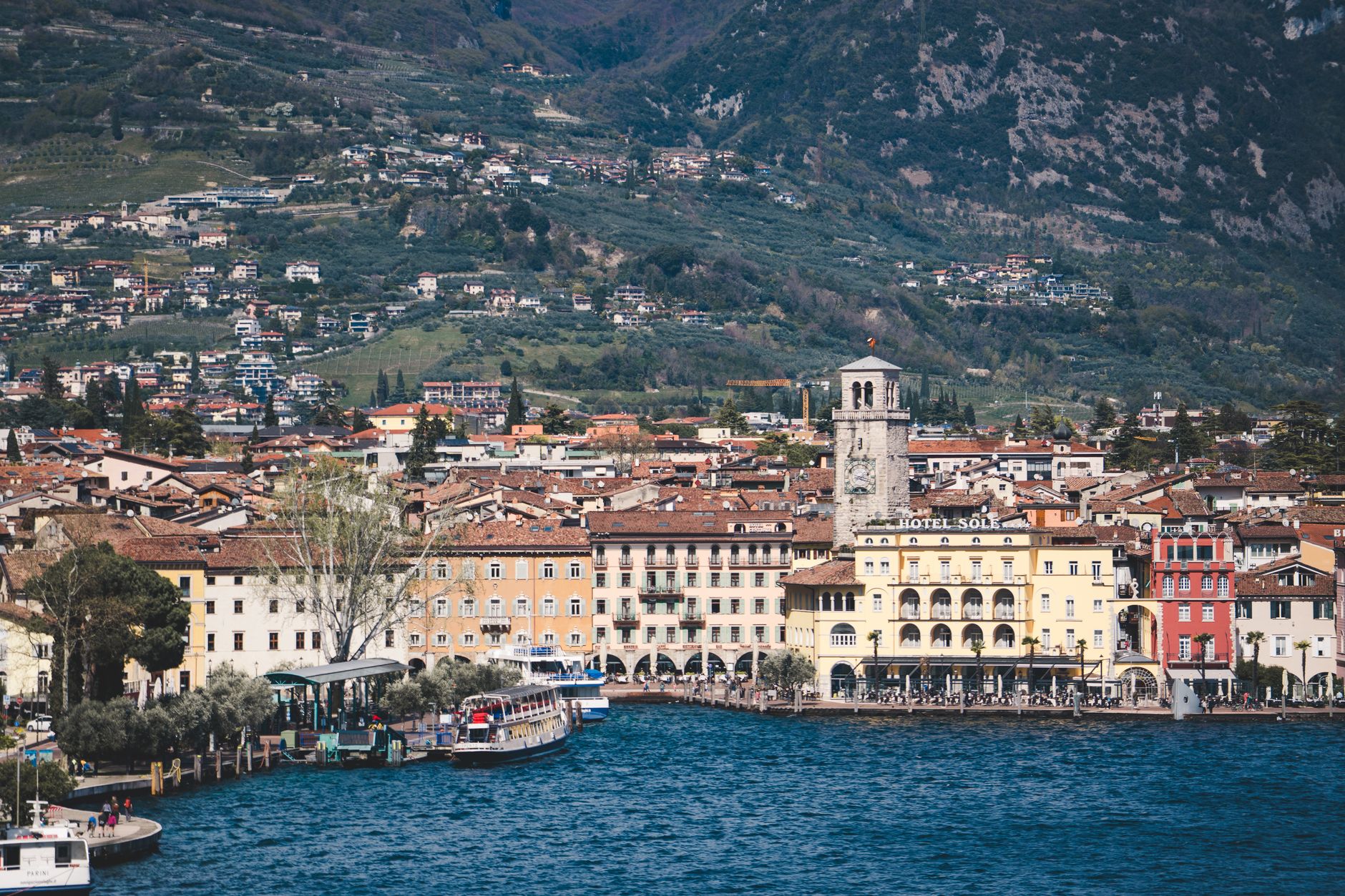
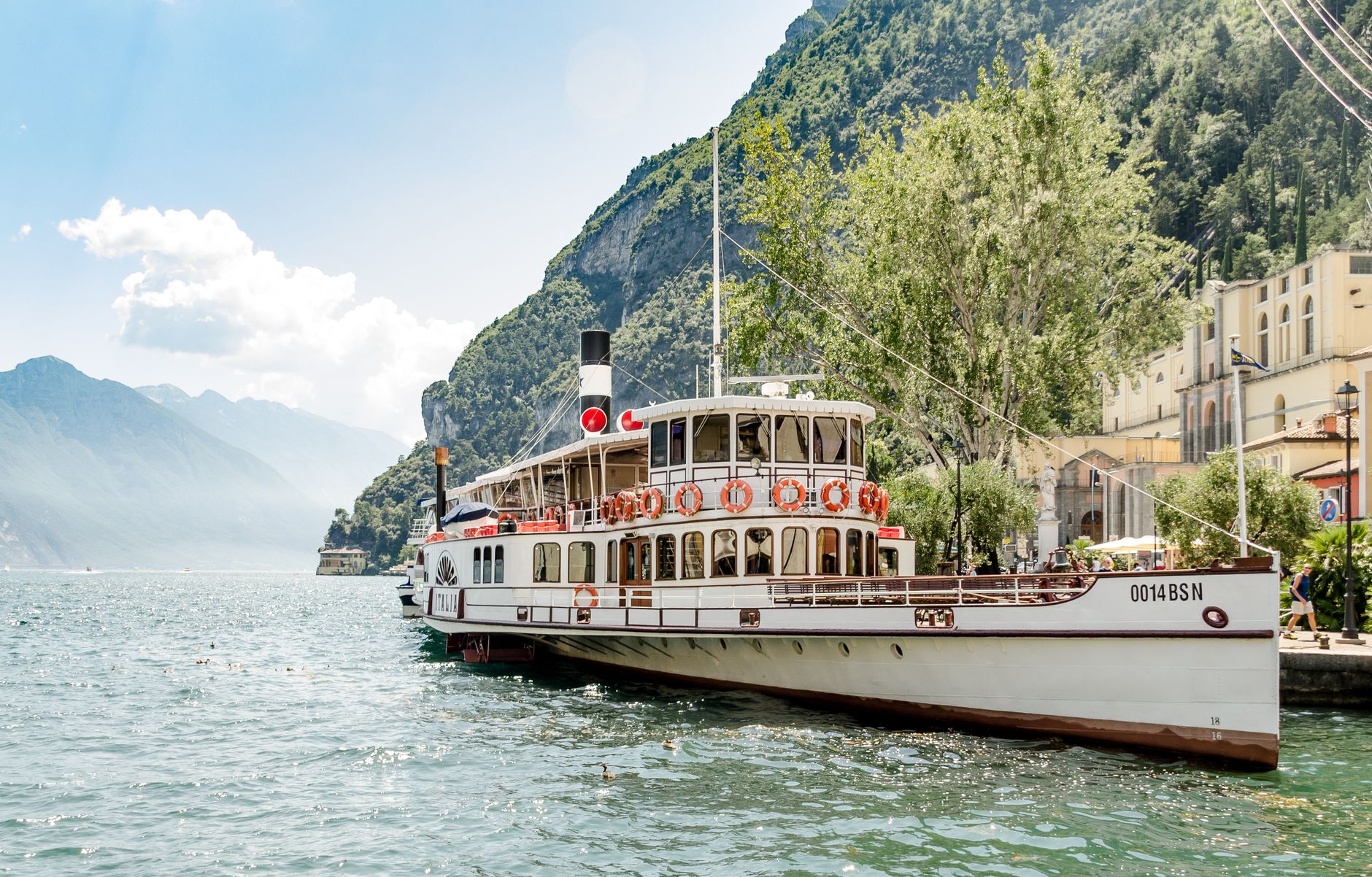
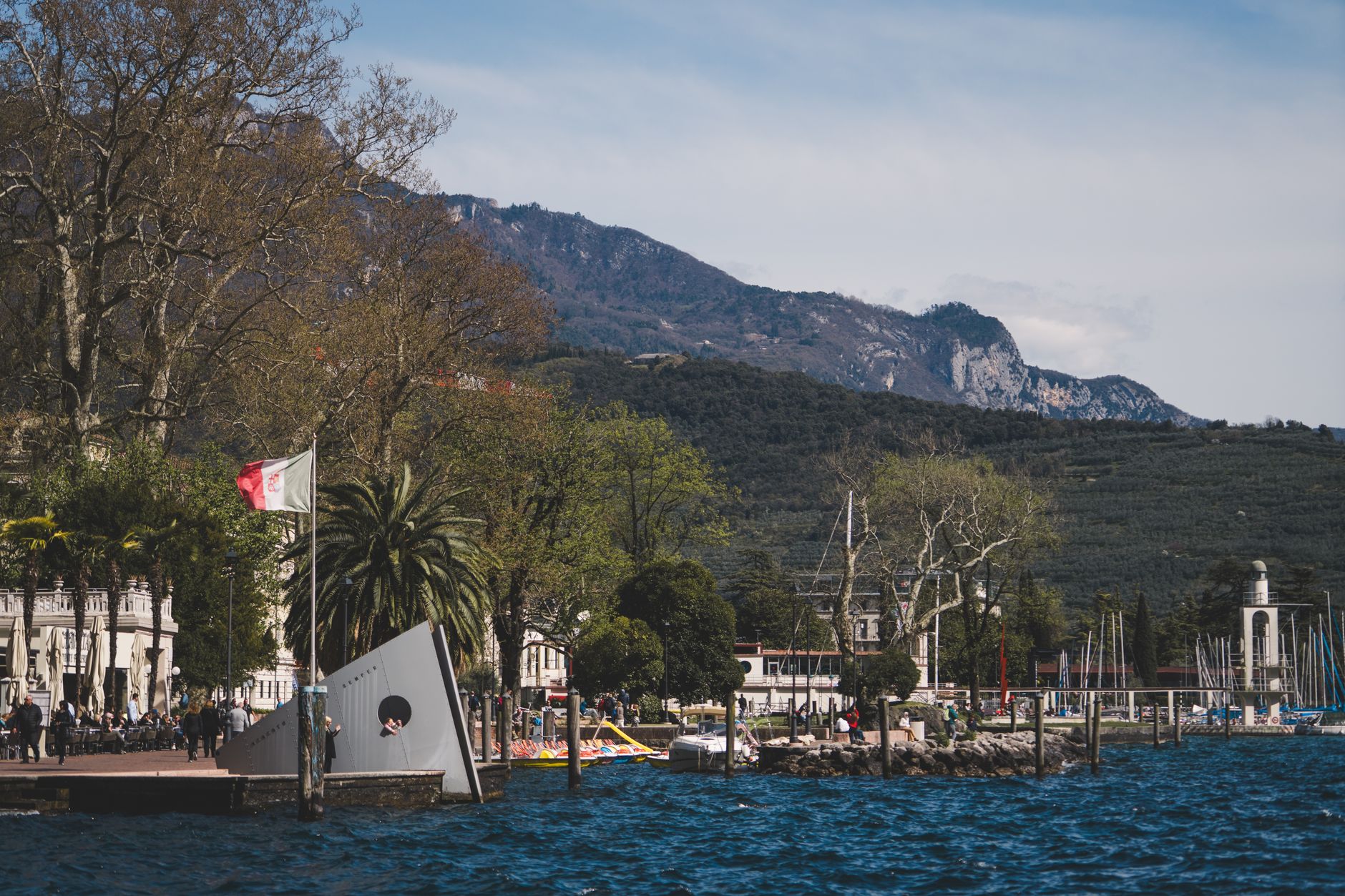
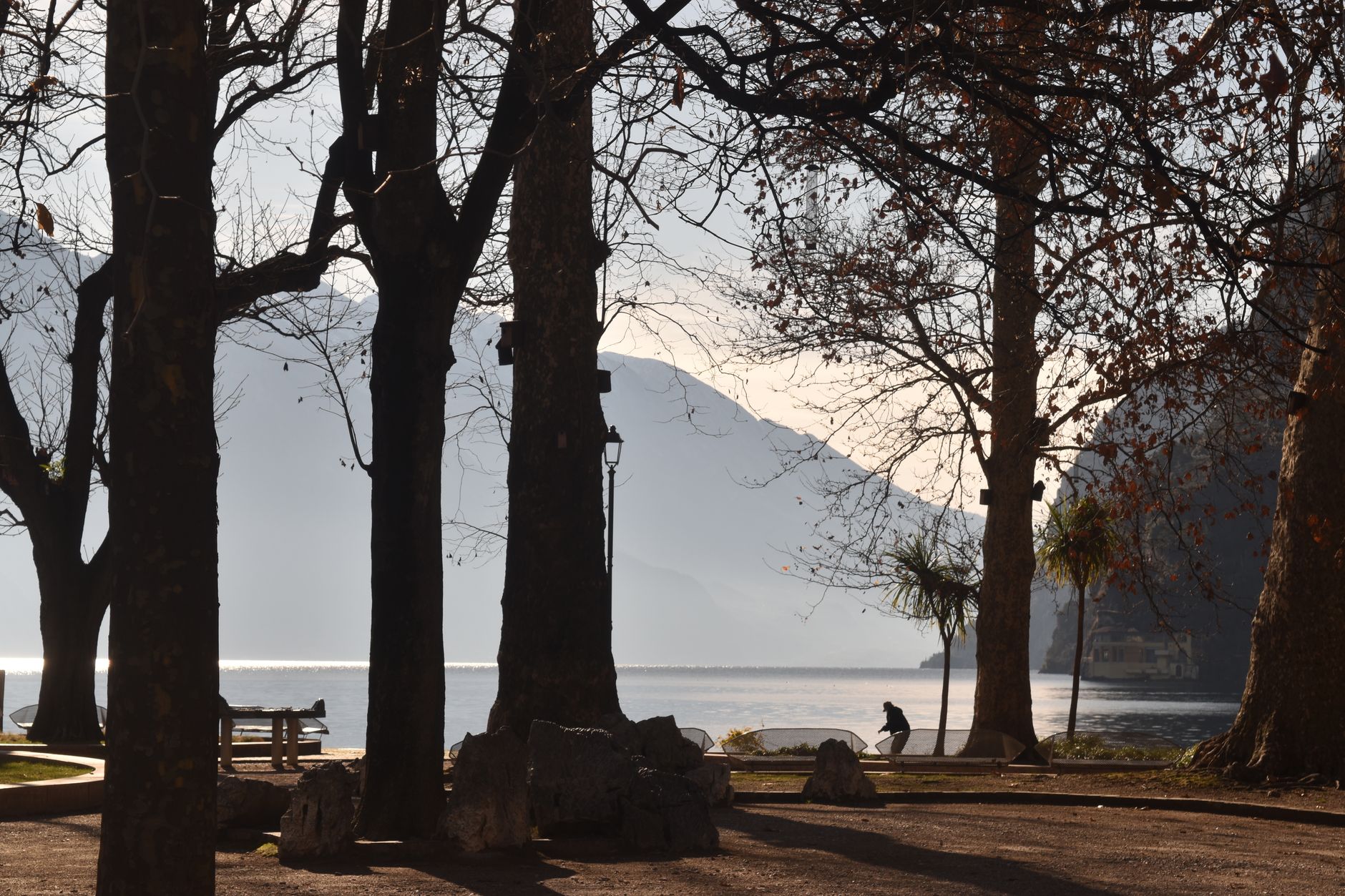
At the northern tip of Lake Garda, where the water narrows and the Dolomite walls close in on three sides, Riva del Garda sits at what feels like the end of the lake and the beginning of the Alps. The light here is different from the resort towns further south — sharper in winter, more theatrical when afternoon storms build over the ridgelines.
The old town is compact enough to read in a morning: a medieval fortress on a small artificial island, a 34-metre tower topped with a weather vane the locals call the Anzolim (little angel), and a waterfront piazza that has been a trading post, a Venetian outpost, and an Austro-Hungarian resort town in turn.
💛 What travellers fall for
People who come back tend to mention the same ritual: climbing the 165 steps of the Torre Apponale early, before the wind picks up off the lake, then walking the canal around the Rocca when the tour groups are still at breakfast. The combined tower-and-museum ticket is worth it for the Rocca alone.
Deals in Riva del Garda
Book directly at the provider


How Riva del Garda came to be
People have lived at this end of the lake since the Bronze Age, but Riva's shape was made by medieval power struggles. In 983, Emperor Otto II handed the town to the bishops of Verona. By 1349 it had been seized by Mastino II della Scala as security on a 4,000-gulden loan — the Rocca fortress, first built in 1124, changed hands accordingly. Venice held it from 1440 to 1509, leaving behind the Palazzo del Provveditore and the Bastione, a round-walled fortification designed specifically to deflect cannon fire.
After Napoleon, the town passed to the Austro-Hungarian Empire, where it remained until 1918. It was during this Habsburg period that Riva reinvented itself as a Kur destination — a place of curative air and lake light — drawing Thomas Mann, Nietzsche, D.H. Lawrence, Gustav Klimt, and Franz Kafka to its waterfront hotels.
Who and what shaped it
People who shaped it
Landmark buildings
See Riva del Garda in motion
Plan your visit
On the map
When to go
Summer days are warm rather than hot, with a reliable afternoon breeze off the lake and occasional late-day thunderstorms rolling in from the mountains — July sits between 17 and 28 °C. Winter is cool and often sunny, and Riva gets more snow than anywhere else on the lake, though heavy accumulations have become less common since the late 1980s.
Right now
Background & history adapted from Wikipedia (CC BY-SA) · specs from Wikidata (CC0) · weather from Open-Meteo · map data © OpenStreetMap contributors · photos from Wikimedia Commons / Unsplash with per-image credit. No third-party reviews or social posts reproduced.