
Pontarlier
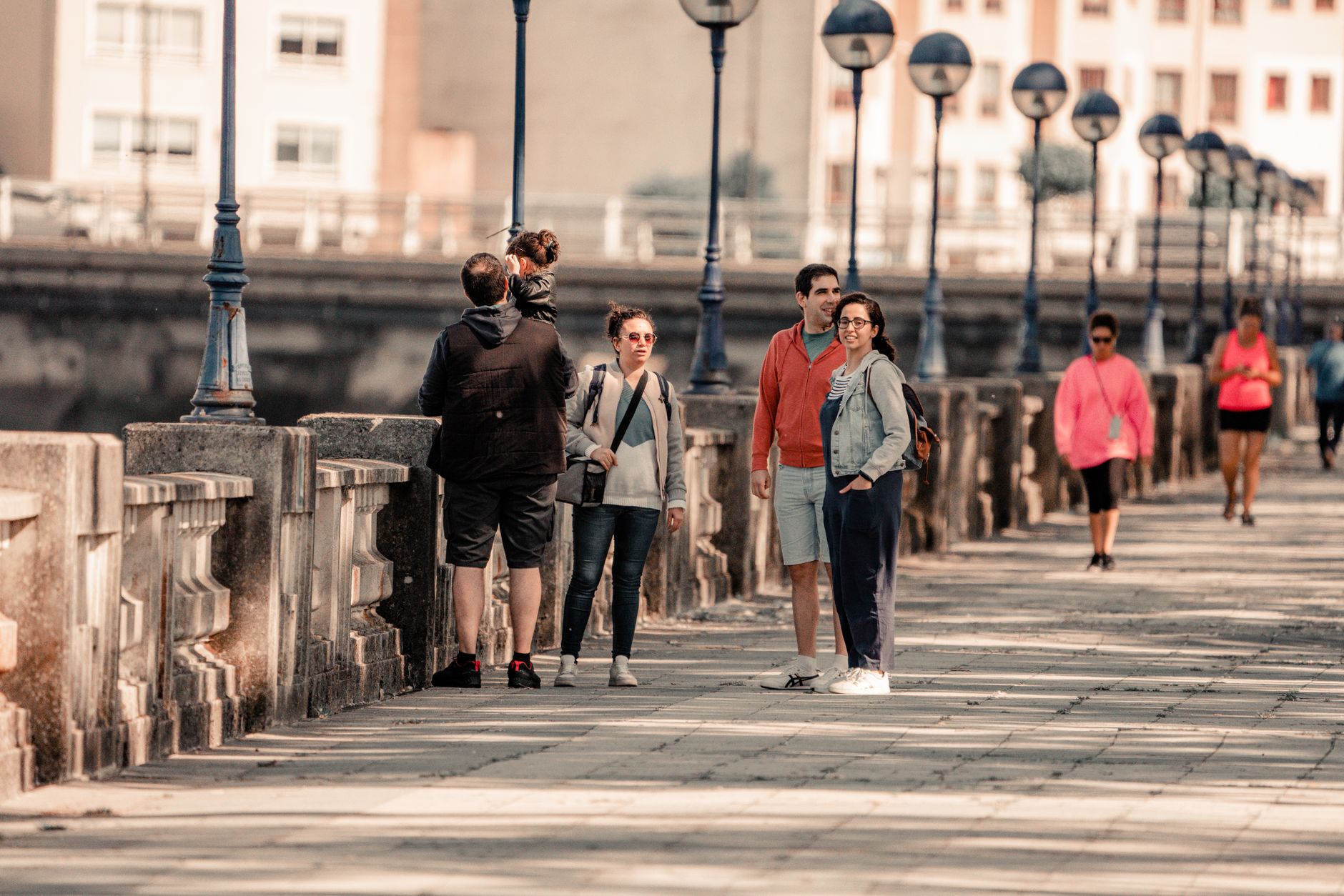
Pontarlier sits at the edge of France, close enough to Switzerland that the train crosses the border before you've finished your coffee. The town is best understood through what it once distilled: by the early twentieth century, some twenty absinthe houses employed nearly three thousand people here, making this small Jura city the green-fairy capital of the world — until the French ban of 1915 ended it almost overnight.
The revival since 2001 has brought the stills back to life, and the Pierre Guy distillery, founded in 1890 and now a Living Heritage Enterprise, is the clearest thread between that era and this one. Around it, a triumphal arch, a baroque chapel portal, and a church rebuilt after war tell the story of a town that has remade itself, repeatedly, from the rubble.
💛 What travellers fall for
People who come back tend to time their visit around Thursday's market, then walk out to the Pont des Chèvres afterward — the 1806 stone bridge is quiet and photogenic in a way the town center isn't. The Pierre Guy distillery visit is worth booking ahead; the absinthe museum at the Municipal Museum of Art and History is smaller than it sounds but denser than you'd expect.
Deals in Pontarlier
Book directly at the provider
How Pontarlier came to be
The Romans knew this place as Ariolica, a transit point on the route between Gaul and Italy. In 990 AD, Sigeric the Serious, Archbishop of Canterbury, noted a stop here on day 57 of his return from Rome — early proof of the town's role as a waypoint. The Thirty Years' War was ruinous: in 1639, troops under Bernard of Saxe-Weimar besieged and largely destroyed it, and fires in the following century kept Pontarlier rebuilding for decades. The Porte Saint-Pierre, a classical triumphal arch completed in 1773, was erected specifically to mark the town's reconstruction.
The defining chapter came in 1805, when Henri-Louis Pernod founded his distillery here, and the absinthe industry grew until it shaped the town's entire economy. The 1915 ban was a hard stop. The Junod distillery had operated since 1838, the Armand Guy house since 1890; both the industry and the identity they carried went quiet for most of the twentieth century before the 2001 revival.
Who and what shaped it
People who shaped it
Landmark buildings
See Pontarlier in motion
Plan your visit
On the map
When to go
Winters are genuinely cold — January averages hover just above freezing by day and dip below it at night, and snow is common. Summer is the easier season: July and August reach around 22°C and July offers over ten hours of daily sunshine, though May and June tend to be the wettest months.
Right now
Background & history adapted from Wikipedia (CC BY-SA) · specs from Wikidata (CC0) · weather from Open-Meteo · map data © OpenStreetMap contributors · photos from Wikimedia Commons / Unsplash with per-image credit. No third-party reviews or social posts reproduced.