
Nairobi


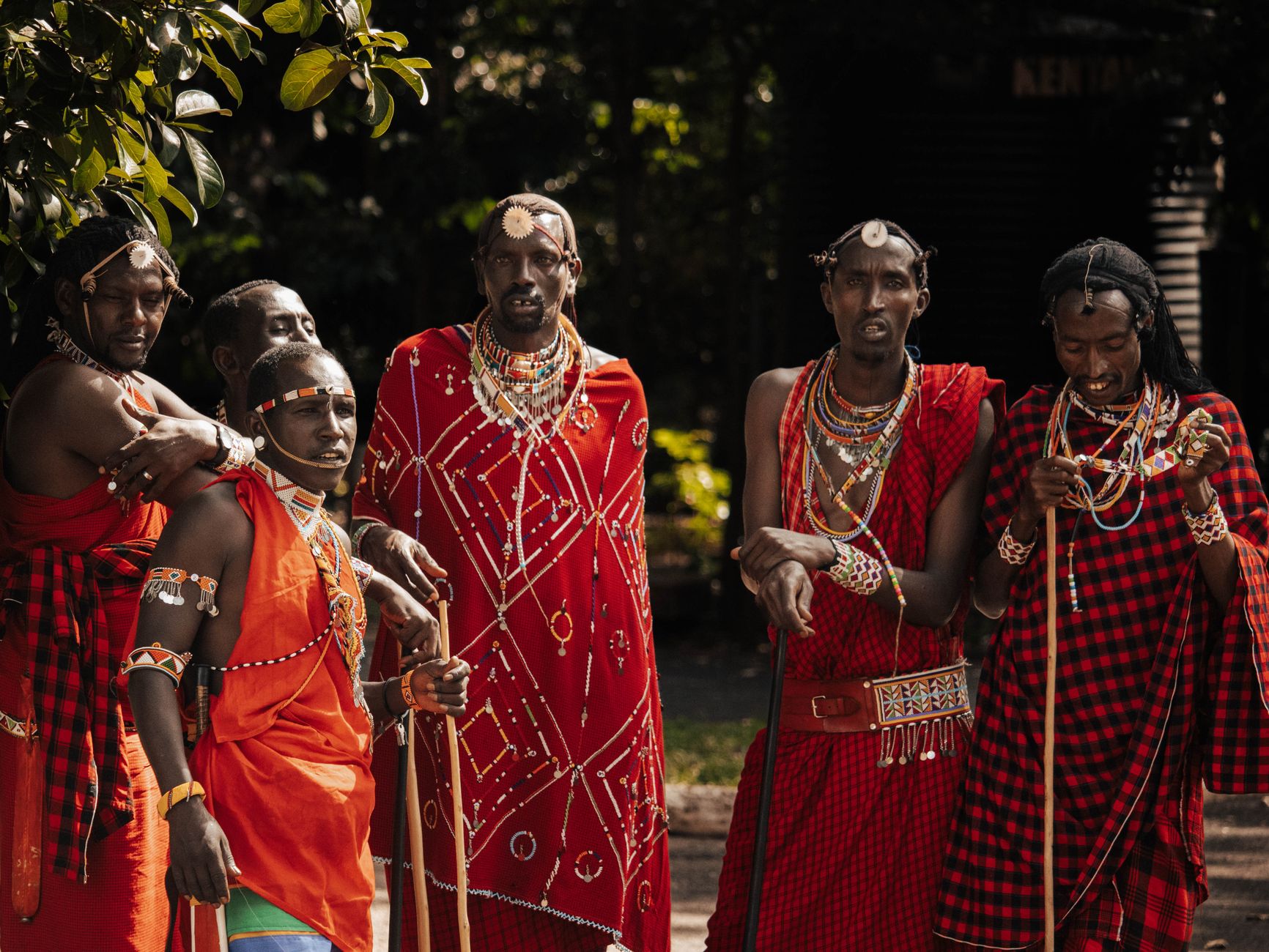


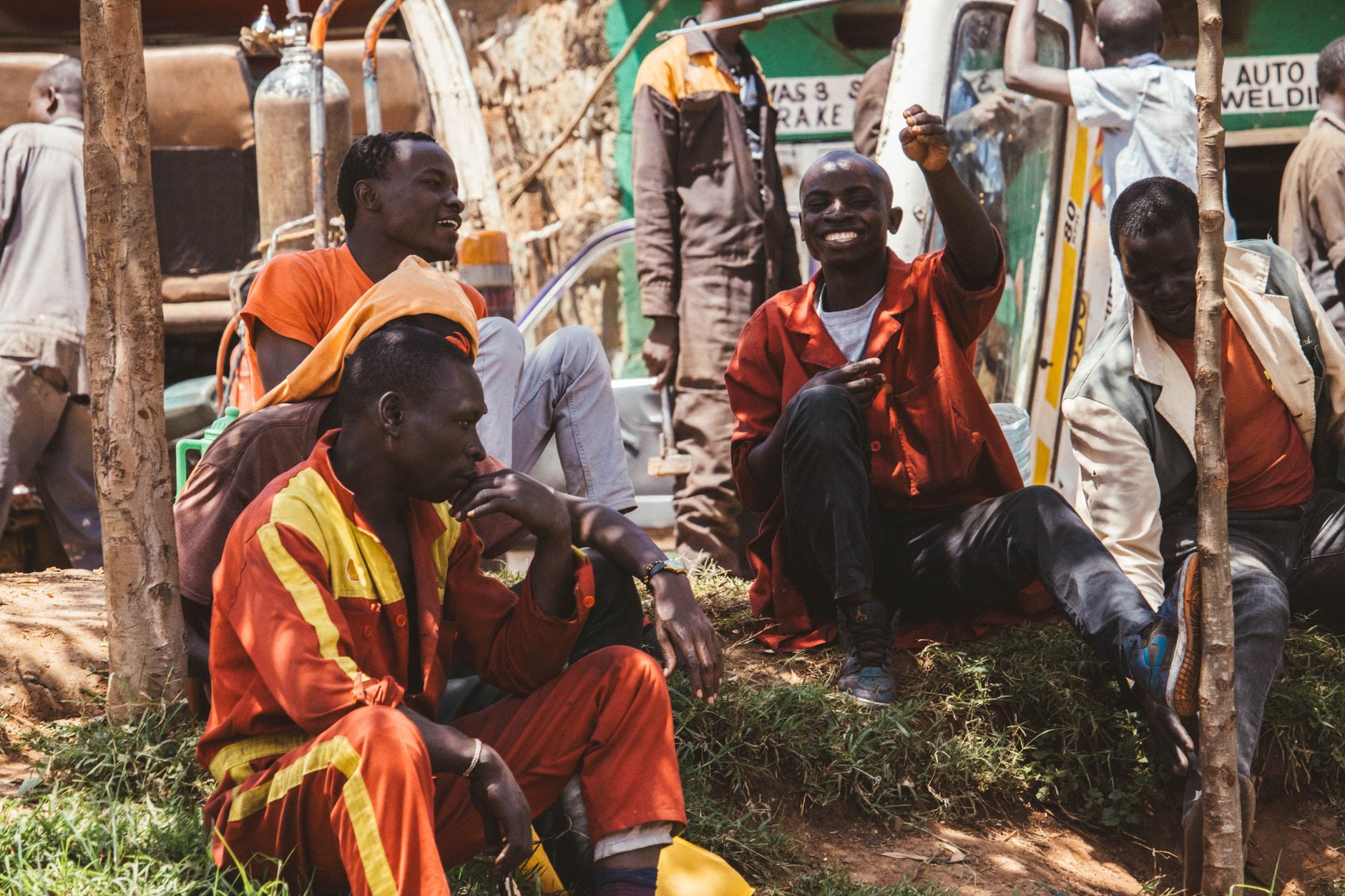
Nairobi takes its name from a Maasai phrase meaning 'place of cool waters' — and the altitude still delivers on that promise, keeping the air crisp even when the equatorial sun is directly overhead. It is a city that grew from a railway depot on a swampy plain in 1899, and that origin story — improvised, accelerated, repeatedly razed and rebuilt — runs through everything here, from the colonial stone of All Saints Cathedral to the 200-metre steel spine of Britam Tower.
This is a city where paleoanthropologist Richard Leakey was born and died, where Wangari Maathai launched the Green Belt Movement in 1977, and where Rothschild giraffes lean through the windows of a 1930s manor house on the edge of town. It rewards attention to specifics.




How Nairobi came to be
On 30 May 1899, the Uganda Railway reached a flat, waterlogged stretch of Maasai grazing land and stopped. The British made it a supply depot, platted two streets and ten avenues, and watched a town materialise almost by accident. By 1902 the population stood at around 5,000; by 1910 it had tripled. A plague outbreak in the early 1900s prompted the colonial administration to burn the original settlement and rebuild from scratch.
Nairobi replaced Mombasa as capital of the East Africa Protectorate in 1907, became a municipality in 1919, and received city status by Royal Charter in 1950. When Kenya gained independence in 1963, it became the capital of the new republic — a city that had gone from tent camp to national capital in little more than six decades.
Who and what shaped it
People who shaped it
Landmark buildings
See Nairobi in motion
Plan your visit
On the map
When to go
Nairobi sits above 1,600 metres, which keeps temperatures moderate year-round — warm in the afternoons, genuinely cool after dark. The long rains fall in April and May, shorter rains in November; July and August are dry and fresh but also the least sunny months.
Right now
↡ Cities
Background & history adapted from Wikipedia (CC BY-SA) · specs from Wikidata (CC0) · weather from Open-Meteo · map data © OpenStreetMap contributors · photos from Wikimedia Commons / Unsplash with per-image credit. No third-party reviews or social posts reproduced.