
Kilimani




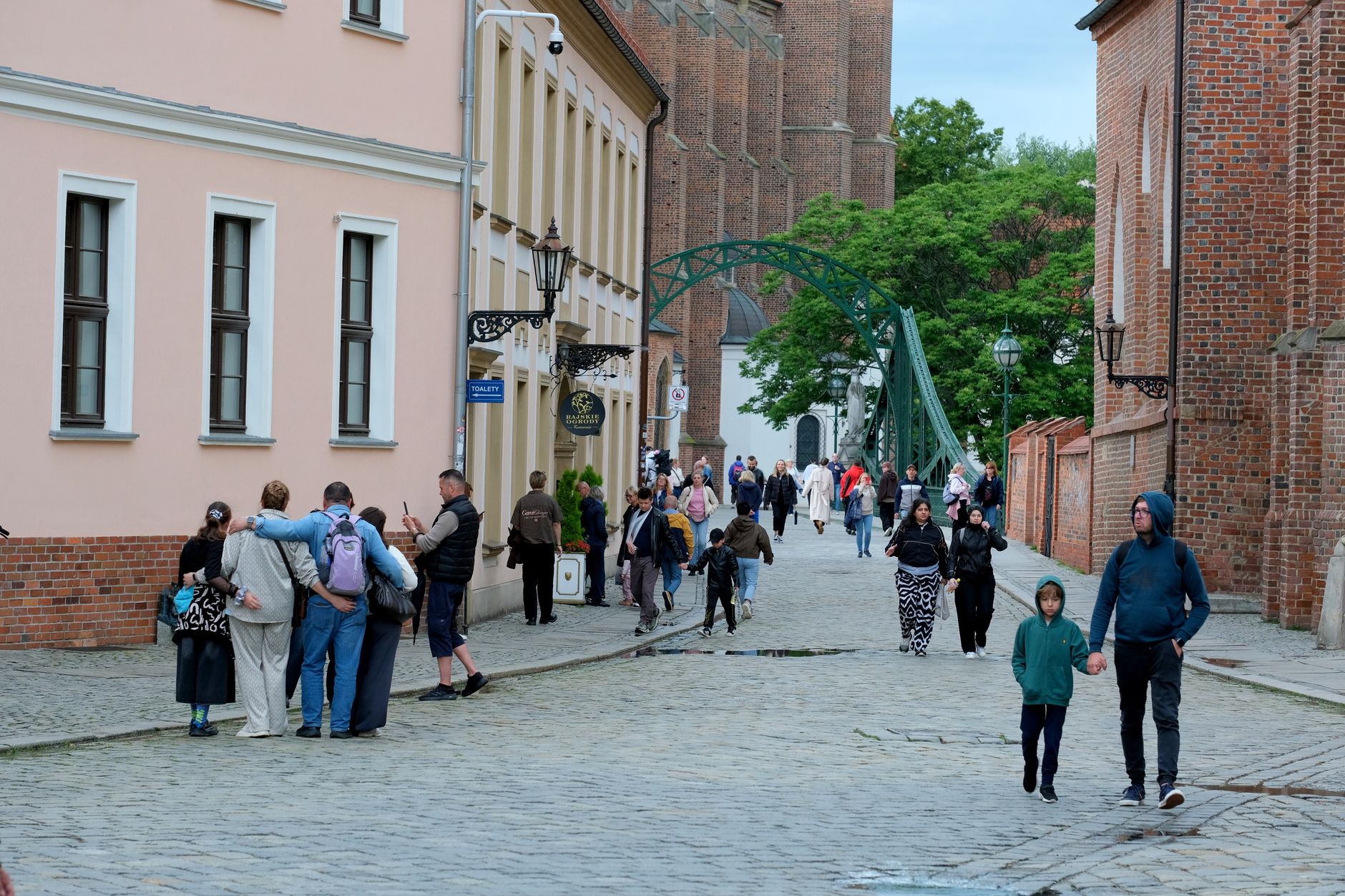
On a clear morning in Kilimani, you can stand on The Brew Bistro's rooftop and watch Mount Kenya materialise above the city smog — a reminder that Nairobi sits at altitude, and that this ridge neighbourhood sits a little higher still. The air here moves. Jacarandas drop purple along Argwings Kodhek Road in November and December, and the sidewalks are wide enough to actually use.
Kilimani runs on a rhythm that feels residential even as it gets denser. Coffee at Artcaffé, lunch at Cedars or Mama Oliech, an evening wander past the Nairobi Arboretum's canopy — the neighbourhood holds a full day without asking you to rush it.
💛 What travellers fall for
People who keep coming back tend to have a Mama Oliech order memorised and know to arrive before noon. They'll also tell you that the Nairobi Arboretum entrance fee is fifty shillings, the crowds are thin on weekday mornings, and the tree cover makes it the coolest hour you'll spend in the city.
Deals in Kilimani
Book directly at the provider
How Kilimani came to be
British colonial planners designated Kilimani a whites-only residential zone in the mid-twentieth century, laying out low-density plots on a ridge west of the city centre. After independence, racial restrictions fell away in the 1960s and the area integrated — though it remained a quiet enclave of bungalows and garden walls for decades.
The shift came after 2000. Apartment blocks replaced single-storey homes, restaurants and coffee shops opened along Galana Road and Argwings Kodhek, and Yaya Centre — already established since the early 1980s — was joined by a new wave of retail. Adam's Arcade in adjacent Woodley, completed in 1959 by Abdul Habib Adam, still stands as the oldest shopping centre of its kind in East and Central Africa, a quiet marker of how long commerce has threaded through this corner of Nairobi.
Who and what shaped it
Landmark buildings
See Kilimani in motion
Plan your visit
On the map
When to go
Kilimani's ridge elevation keeps temperatures a notch cooler than central Nairobi — expect 22–26°C most of the year, with morning mist that usually burns off by mid-morning. July and August are the driest and coolest months; April, May, and November bring the heaviest rain, though showers tend to be short and afternoon-heavy.
Right now
Background & history adapted from Wikipedia (CC BY-SA) · specs from Wikidata (CC0) · weather from Open-Meteo · map data © OpenStreetMap contributors · photos from Wikimedia Commons / Unsplash with per-image credit. No third-party reviews or social posts reproduced.