
Montbéliard
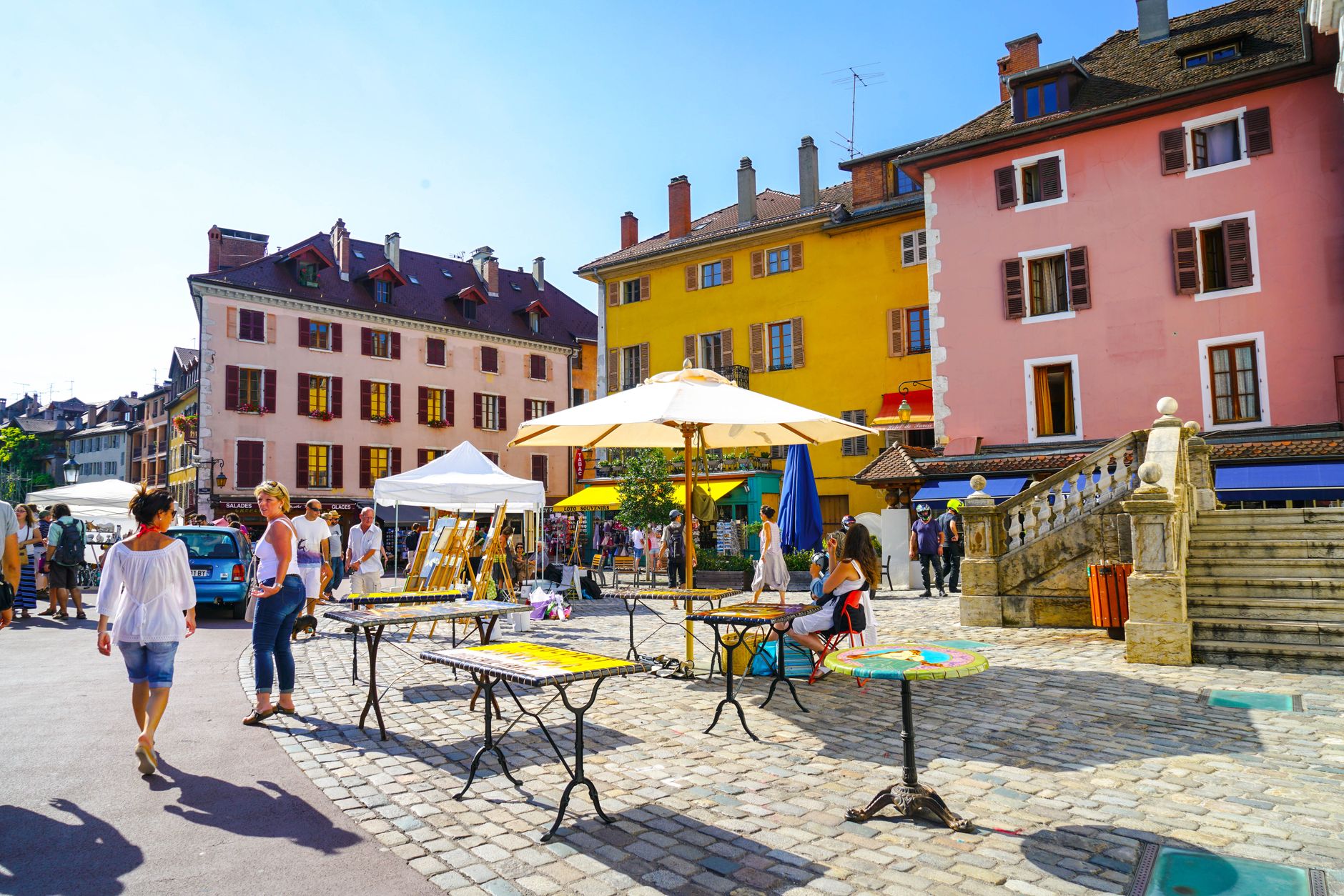
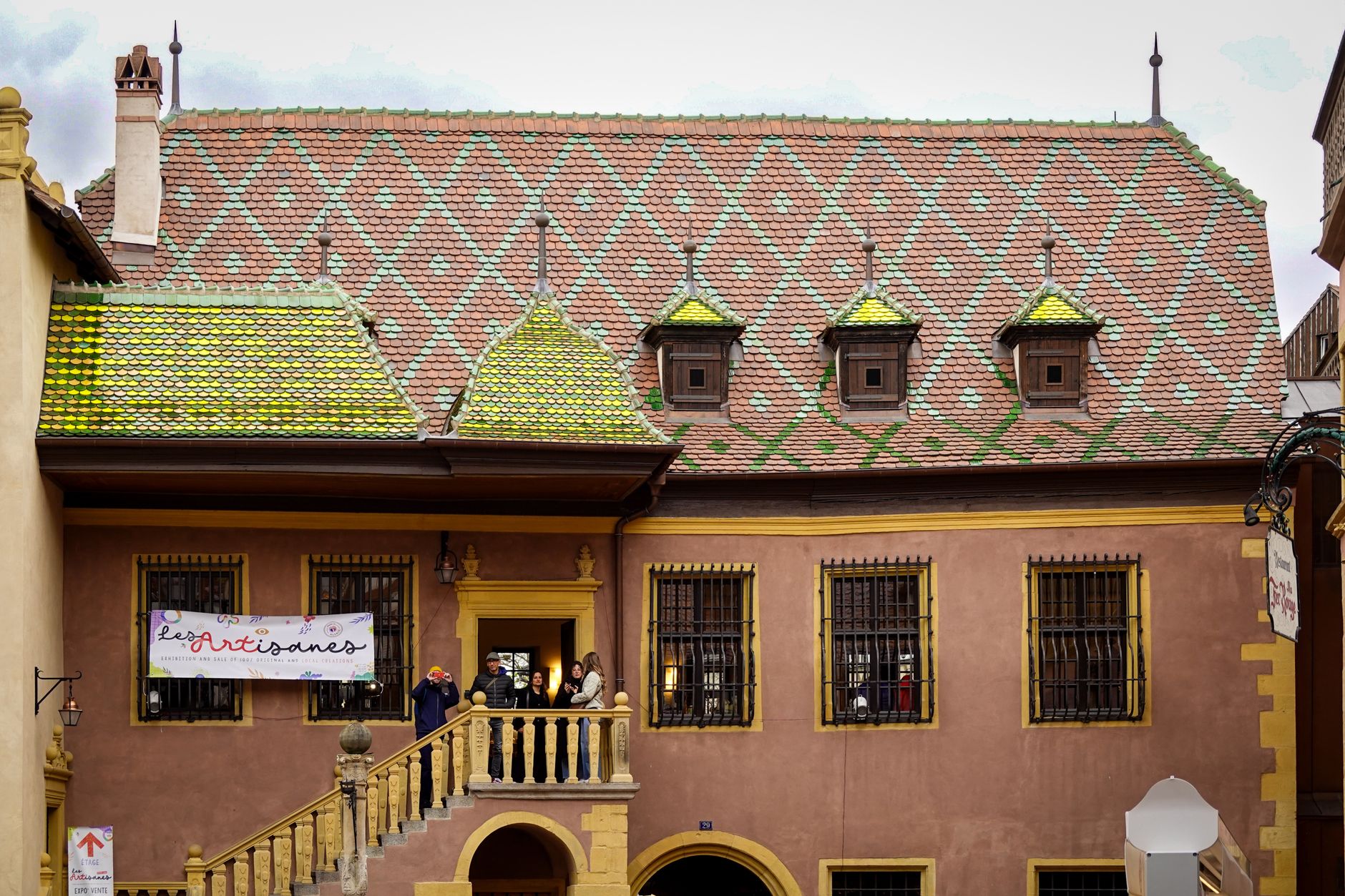
Montbéliard announces itself through architecture before it says a word. The château sits on its rocky promontory above the confluence of the Lizaine and Allan valleys, two towers from different centuries watching the same town below. What surprises most visitors is the Protestant DNA running through everything — the Temple Saint-Martin, built by Heinrich Schickhardt between 1601 and 1607, is the oldest Reformation church in France, and its plain, enormous interior tells you something about the city's long history as a German-speaking principality inside what is now France.
The Tuesday and Saturday markets have been drawing people to the same spot since the 1300s. The smoked sausage sold there — saucisse de Montbéliard, seasoned with cumin — is cured by tradition rather than trend. Georges Cuvier, who more or less invented palaeontology, was born here. The Christmas market draws crowds from across the region every December.
💛 What travellers fall for
People who come back tend to do the 3 km Schickhardt trail on foot before anything else — it connects the castle, the temple, the college and several historic mansions in a single loop and gives the city's layout an internal logic. After that, the Parc du Près-la-Rose, between the canal and the Allan, earns a quiet hour.
Deals in Montbéliard
Book directly at the provider

How Montbéliard came to be
Montbéliard appears in records as early as 983. By 1033 it had become a county of the Holy Roman Empire, and in 1283 Count Reginald granted a charter guaranteeing the town's liberties — rights that held until the French Revolution. The most consequential shift came at the end of the 14th century, when the county passed to the dukes of Württemberg. For nearly four centuries Montbéliard was, in effect, a German Protestant principality on French-speaking soil, which explains why Lutheranism took deep root here while the rest of the region remained Catholic.
Architect Heinrich Schickhardt arrived in 1598 in service of Prince-Duke Frédéric I and spent the next decade reshaping the city — church, castle, bridge, college. In 1793 the First French Republic occupied the county, and the Treaty of Lunéville formally ceded it to France in 1801. The Église Saint-Maimboeuf, built between 1850 and 1875 at a cardinal's request, was an explicit architectural statement of Catholic reconquest over the Lutheran past.
Who and what shaped it
People who shaped it
Landmark buildings
See Montbéliard in motion
Plan your visit
On the map
When to go
Winters are cold and genuinely snowy, with January nights dropping below freezing and barely two hours of sun per day in December. Summers are warm and humid — July averages 25°C with over eight hours of daily sunshine, though rainfall is high year-round, peaking again in December.
Right now
Background & history adapted from Wikipedia (CC BY-SA) · specs from Wikidata (CC0) · weather from Open-Meteo · map data © OpenStreetMap contributors · photos from Wikimedia Commons / Unsplash with per-image credit. No third-party reviews or social posts reproduced.