
Le Havre
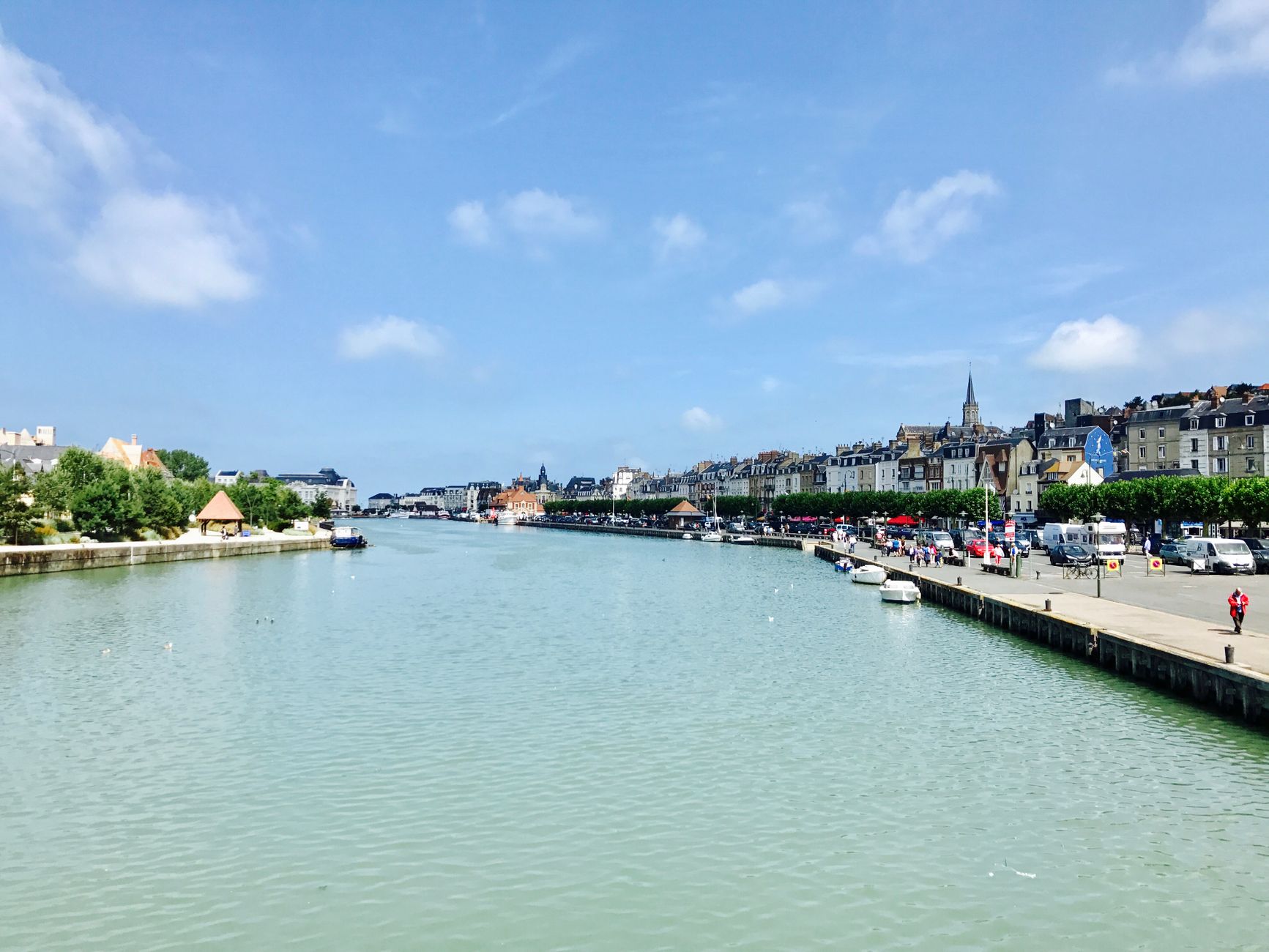
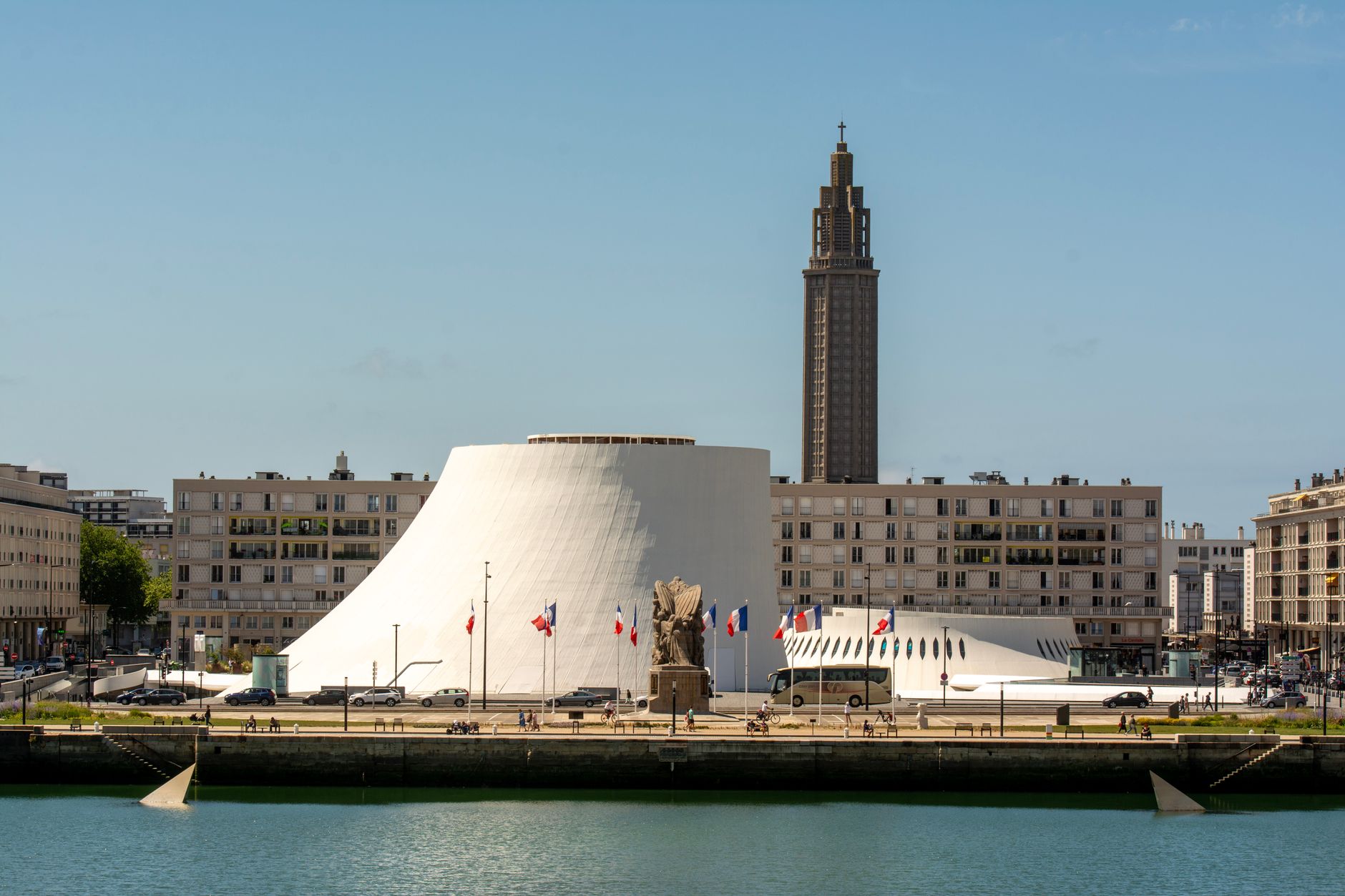
Le Havre begins at the water. The Seine meets the Channel here, and the port — one of the largest in Europe — sets the city's rhythm in a way you feel before you understand it. What catches most people off guard is the architecture: wide concrete avenues, a church tower rising 107 metres above the roofline, a city hall with a tower of seventeen floors. This is not medieval Normandy. It is something rarer — a post-war city rebuilt from near-total ruin, and now a UNESCO World Heritage Site.
The man behind it was Auguste Perret, a pioneer of reinforced concrete, who led the reconstruction between 1945 and 1964. His grid of streets and modular facades can read as austere at first. Spend a day walking them and something shifts — the proportions start to feel deliberate, even generous.
💛 What travellers fall for
People who return tend to go straight to the André Malraux Modern Art Museum — MuMa — before anywhere else. It holds the second-largest Impressionist collection in France, and the light off the water outside the glass facade does something useful for looking at paintings made in this same coastal light. The Perret Apartment on Rue de Paris is worth the hour: a complete 1950s interior, intact.
Deals in Le Havre
Book directly at the provider


How Le Havre came to be
Le Havre was founded by royal decree on 8 October 1517, when Francis I signed the charter for a new fortified port at the mouth of the Seine. The harbours it was meant to replace — Harfleur and Honfleur — had silted up and were no longer practical. The city was first called Franciscopolis, then Le Havre-de-Grâce, after a chapel of Notre-Dame-de-Grâce already on the site. In 1541, Italian engineer Girolamo Bellarmato gave it a clear grid layout, a plan that would echo through the centuries.
In September 1944, Allied bombing destroyed 150 hectares of the city centre, killed around 5,000 civilians, and left over 80 percent of structures uninhabitable. Auguste Perret arrived in spring 1945 to lead the reconstruction. The rebuilt city — completed by 1964 — was inscribed as a UNESCO World Heritage Site in 2005, recognised as an exceptional example of post-war urban planning carried out in reinforced concrete.
Who and what shaped it
People who shaped it
Landmark buildings
See Le Havre in motion
Plan your visit
On the map
When to go
Le Havre has a maritime climate: mild, damp, and changeable year-round. Summer temperatures rarely climb past the low twenties Celsius, and the sea wind is a constant presence. Winter is grey more often than cold, with short days and frequent overcast skies — not unpleasant for walking, but bring a layer regardless of the month.
Right now
Background & history adapted from Wikipedia (CC BY-SA) · specs from Wikidata (CC0) · weather from Open-Meteo · map data © OpenStreetMap contributors · photos from Wikimedia Commons / Unsplash with per-image credit. No third-party reviews or social posts reproduced.