
Normandie (Normandy)
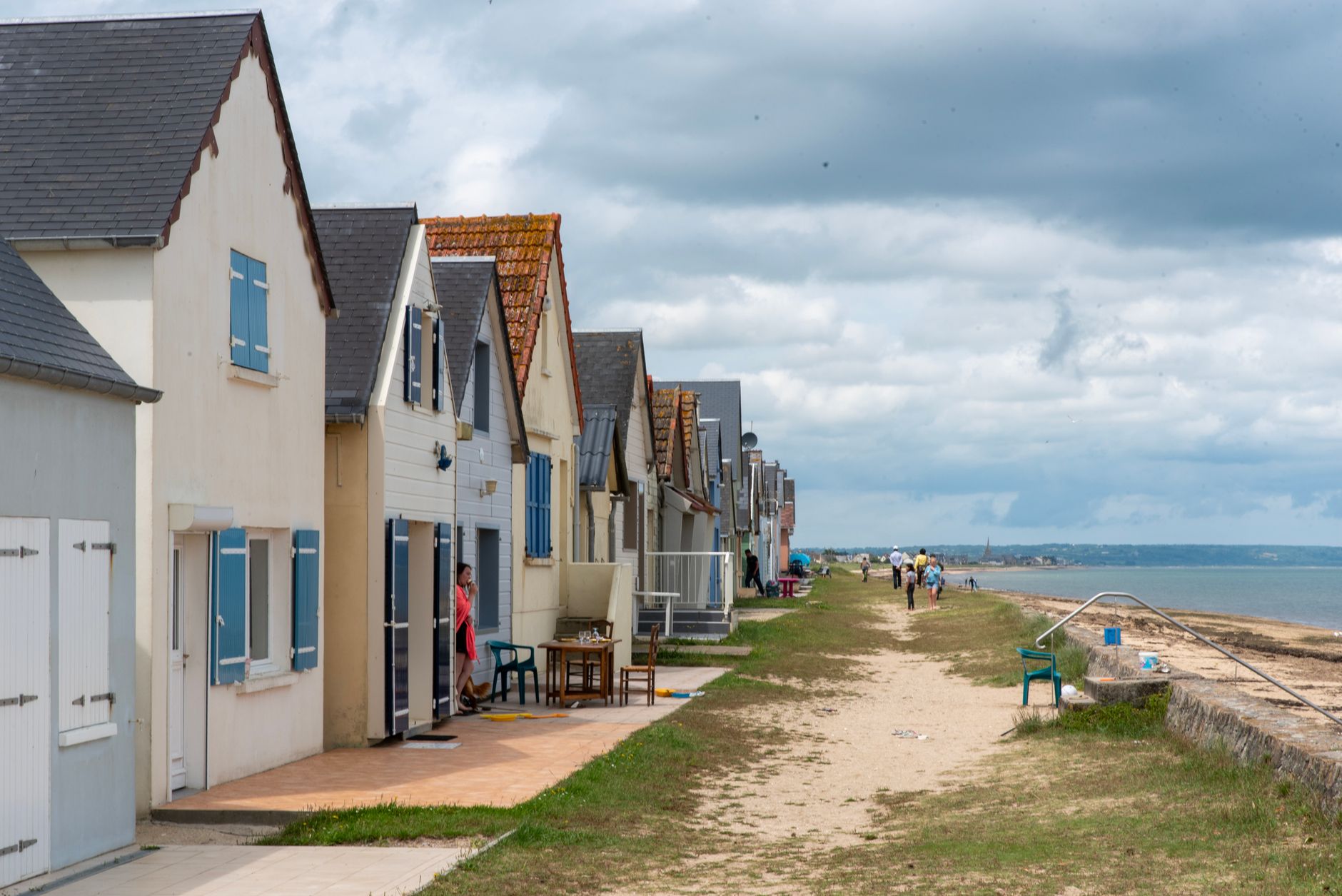
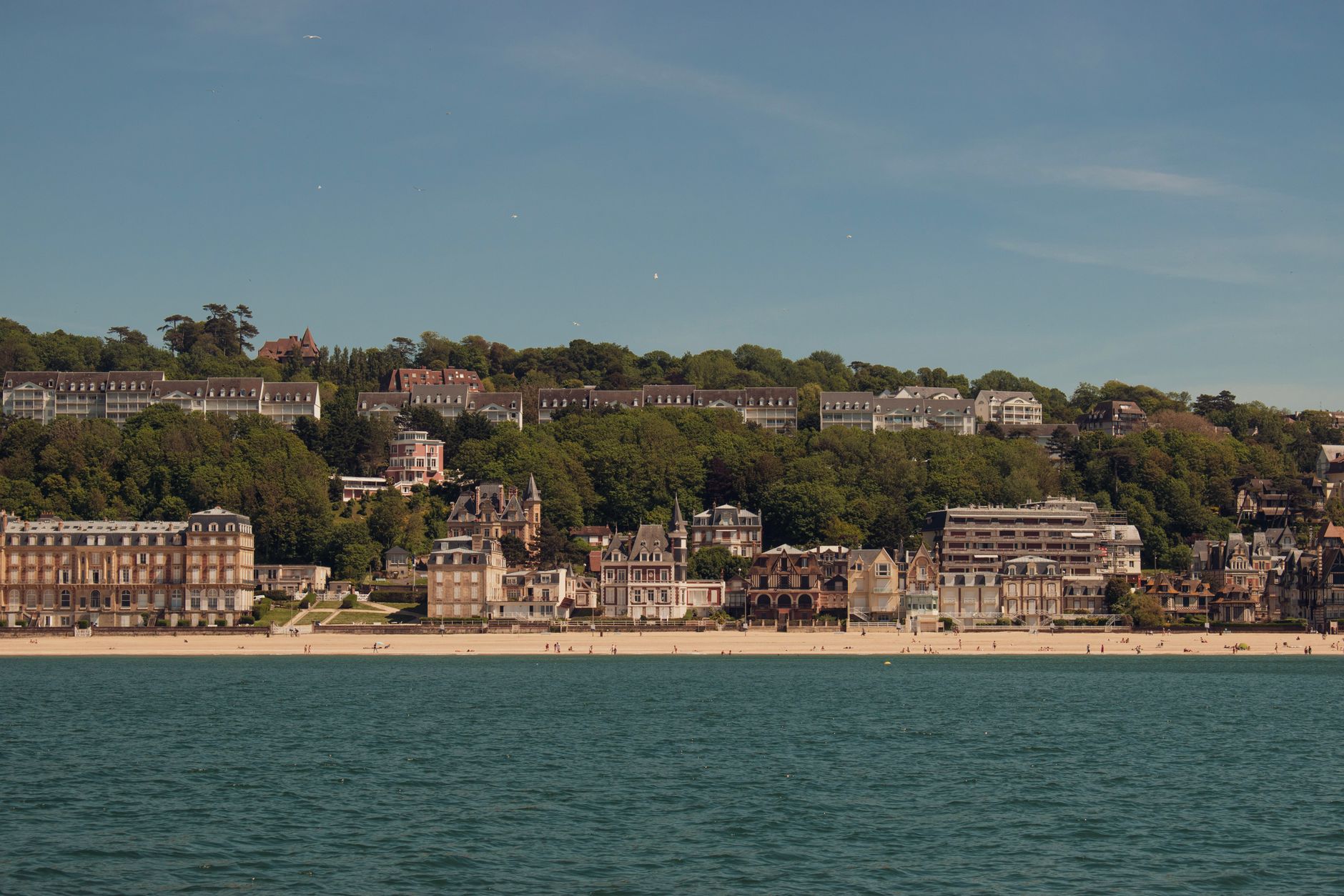
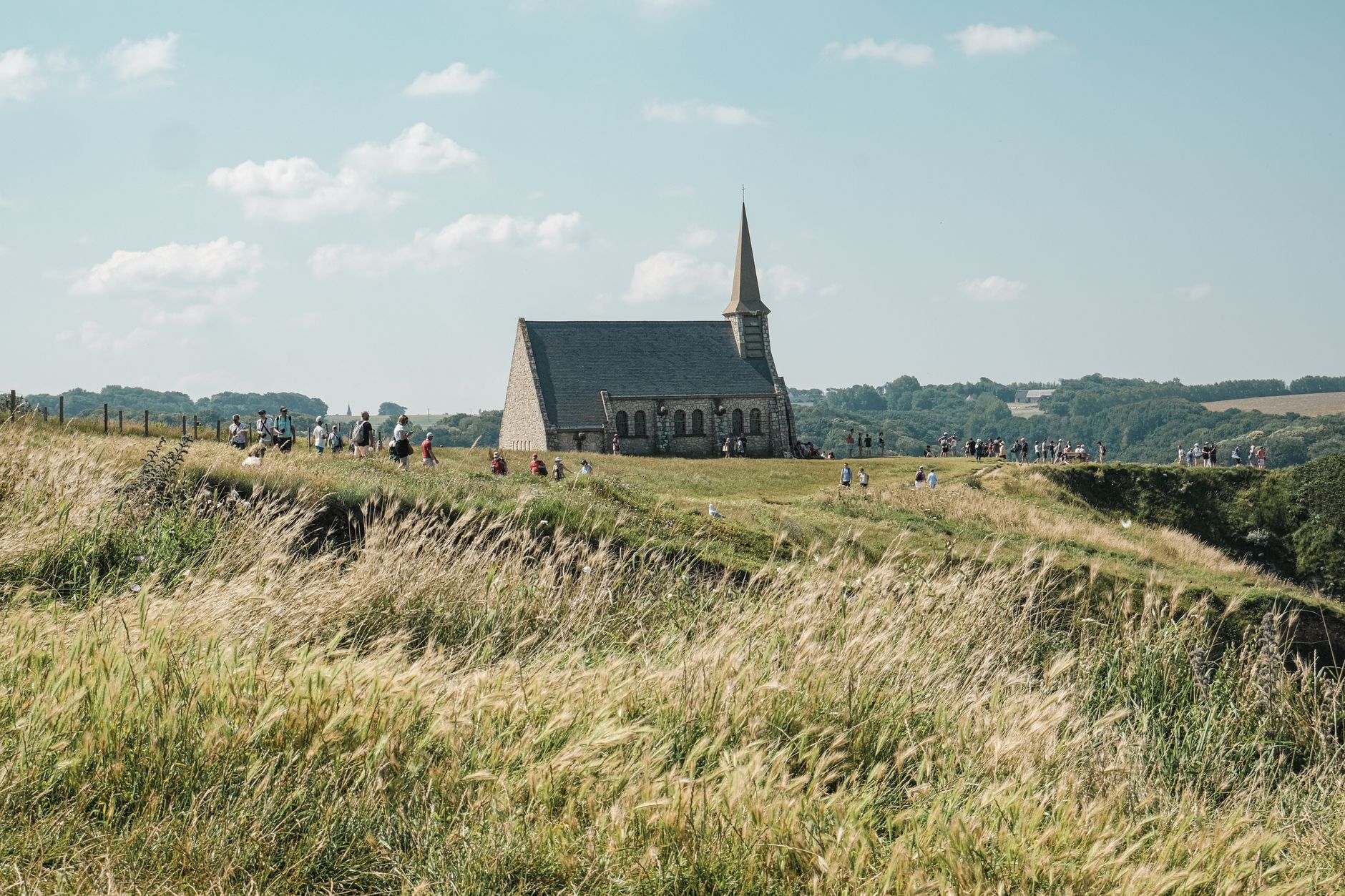
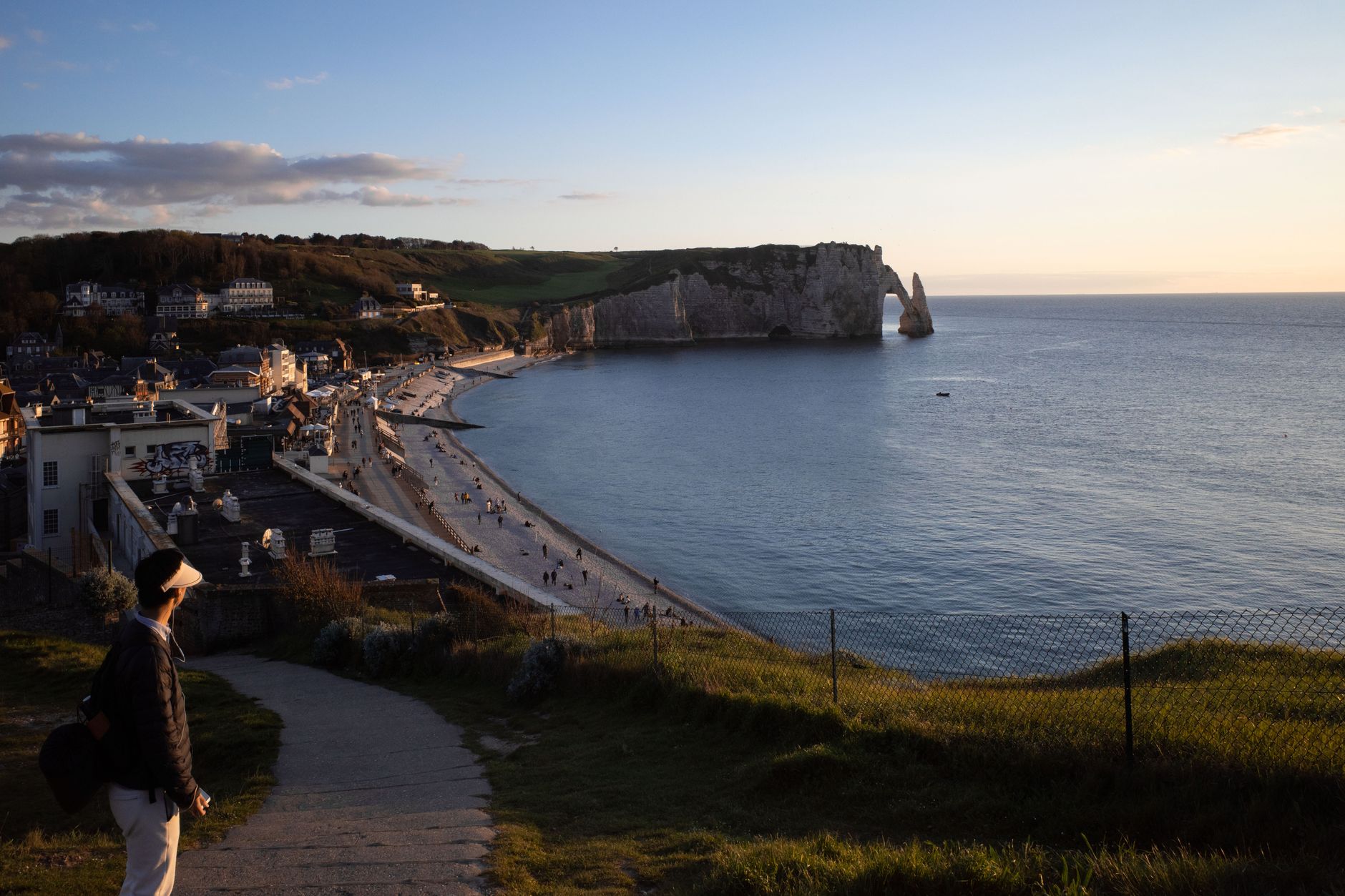
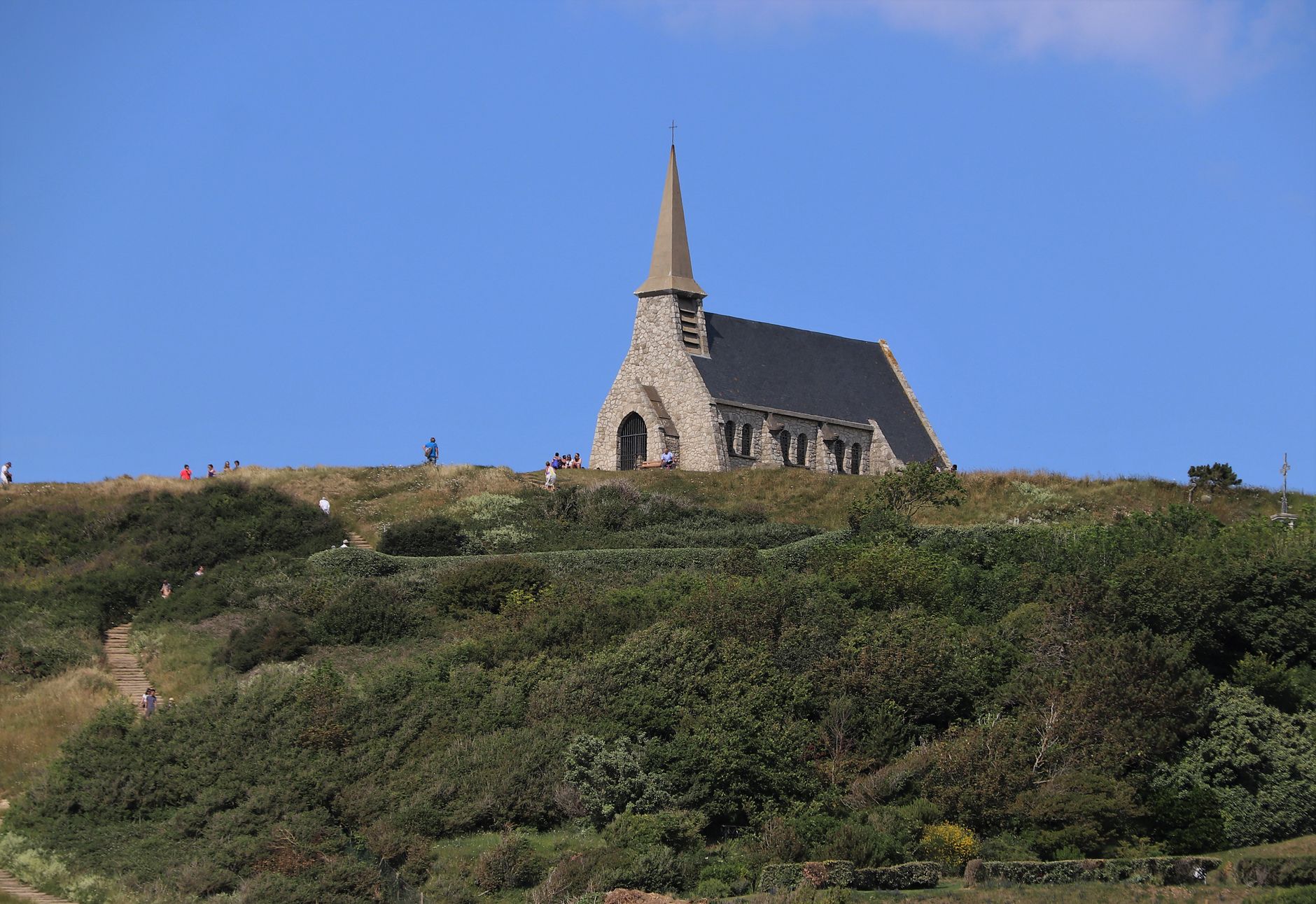
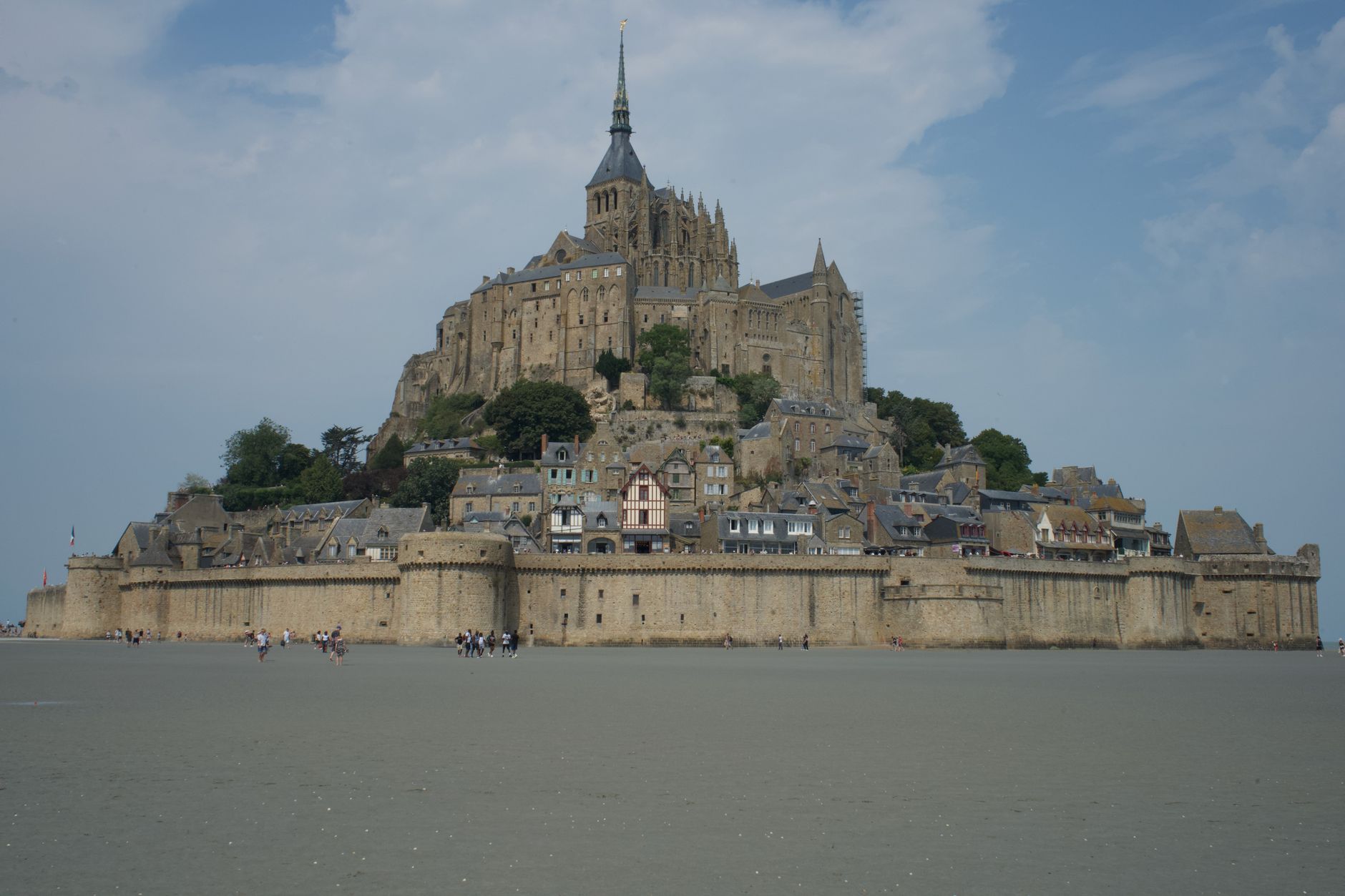
Normandy is where a Viking chief was handed a duchy in 911 and his descendants went on to reshape England, where Allied soldiers waded ashore in June 1944, and where a granite abbey rises from a tidal flat in a way that still stops people mid-sentence. The region runs from the chalk cliffs of Étretat on the English Channel coast down to the bocage farmland of the interior, with Rouen's cathedral spires, Caen's twin abbeys, and the D-Day beaches filling the distance between.
It is a place that layers itself: Romanesque stone, Impressionist light, war cemeteries, apple orchards, the smell of salt and rain. You can move through centuries in an afternoon.
How Normandie (Normandy) came to be
In 911, Charles III of France ceded the territory to the Viking chief Rollo through the Treaty of Saint-Clair-sur-Epte, founding the Duchy of Normandy. A century and a half later, Rollo's descendant William, Duke of Normandy, crossed the Channel, won at Hastings in 1066, and became William I of England — binding the two crowns in a knot that took centuries to untangle. Philip II of France finally absorbed the duchy into the French royal domain in 1204.
The region was divided into Upper and Lower Normandy in 1956, then reunified as a single administrative region in 2016. Between those two dates came 6 June 1944 — the Normandy landings — which left a physical and psychological mark that runs through every coastal town from Cherbourg to Ouistreham.
Who and what shaped it
People who shaped it
Landmark buildings
See Normandie (Normandy) in motion
Plan your visit
On the map
When to go
Normandy is temperate and often grey, with rain distributed fairly evenly across the year — pack a layer regardless of season. Summer brings the longest days and the largest crowds; spring and autumn offer softer light, emptier roads, and the same green countryside.
Right now
↡ Cities
Background & history adapted from Wikipedia (CC BY-SA) · specs from Wikidata (CC0) · weather from Open-Meteo · map data © OpenStreetMap contributors · photos from Wikimedia Commons / Unsplash with per-image credit. No third-party reviews or social posts reproduced.