
Laugavegur Trail (northern trailhead)
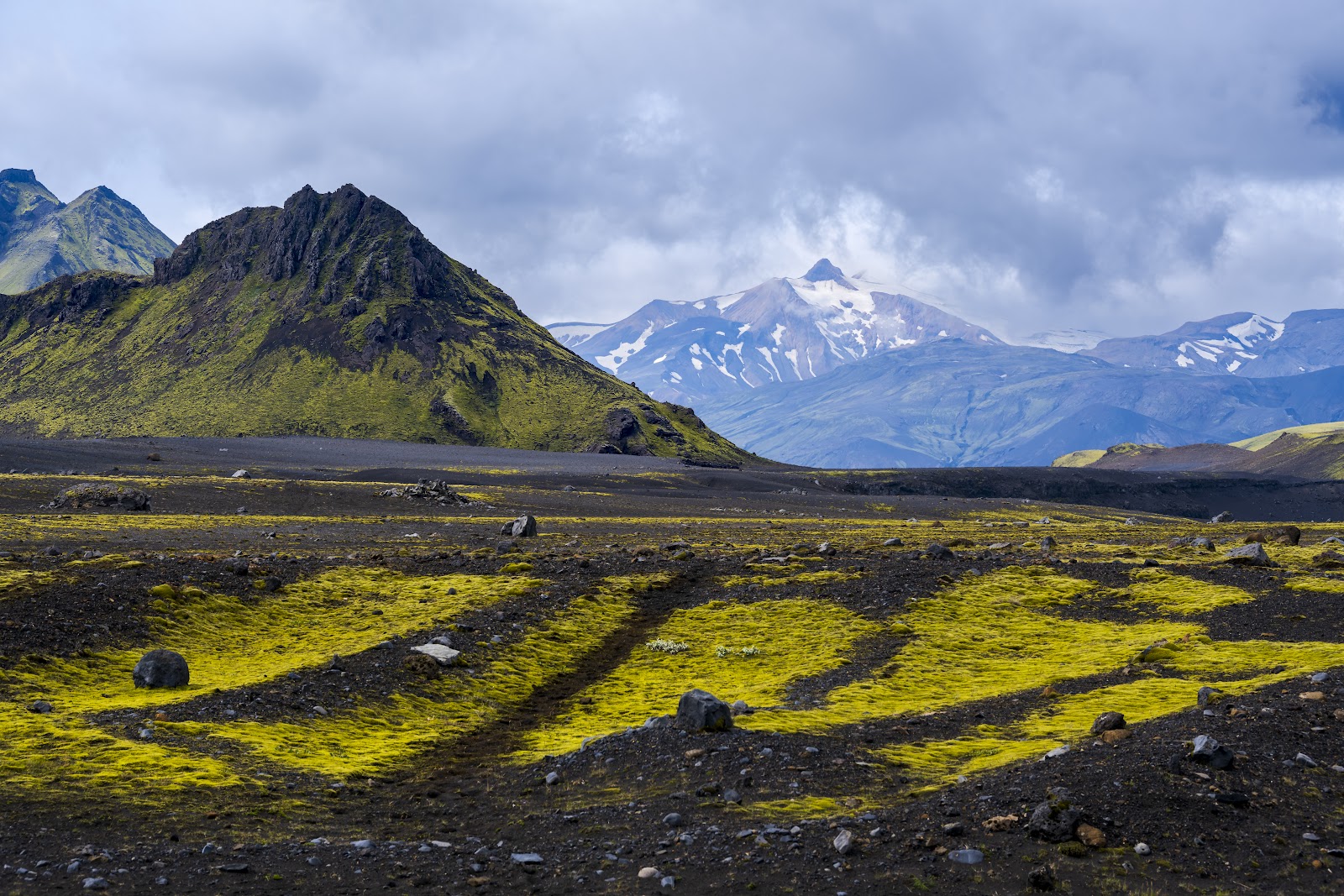
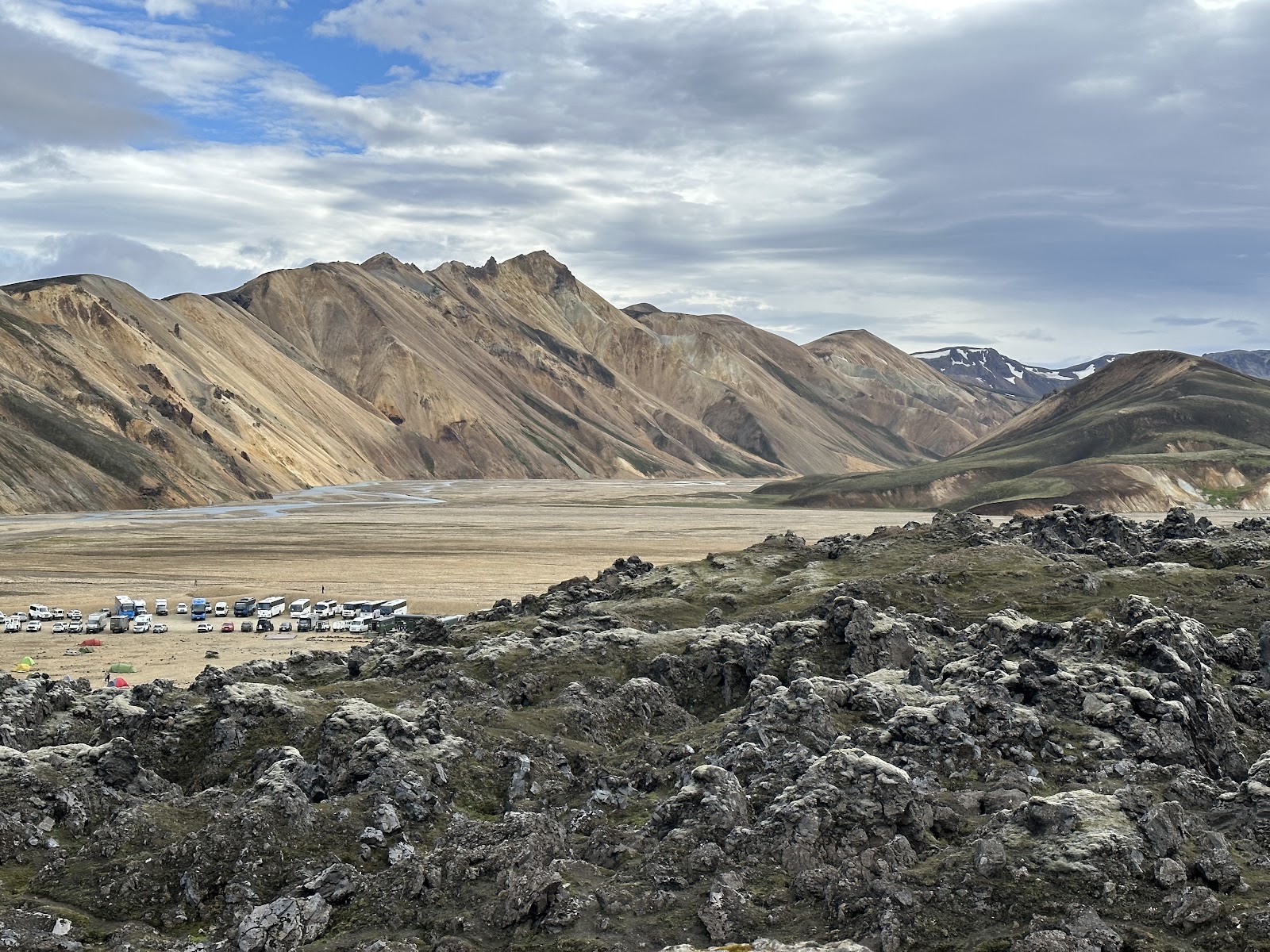
The trail begins where the bus drops you among a crowd of day-trippers, the rhyolite mountains behind Landmannalaugar running through shades of red, pink, and pale green as if someone had been careless with a palette. Within an hour of setting out south, most of those people are gone.
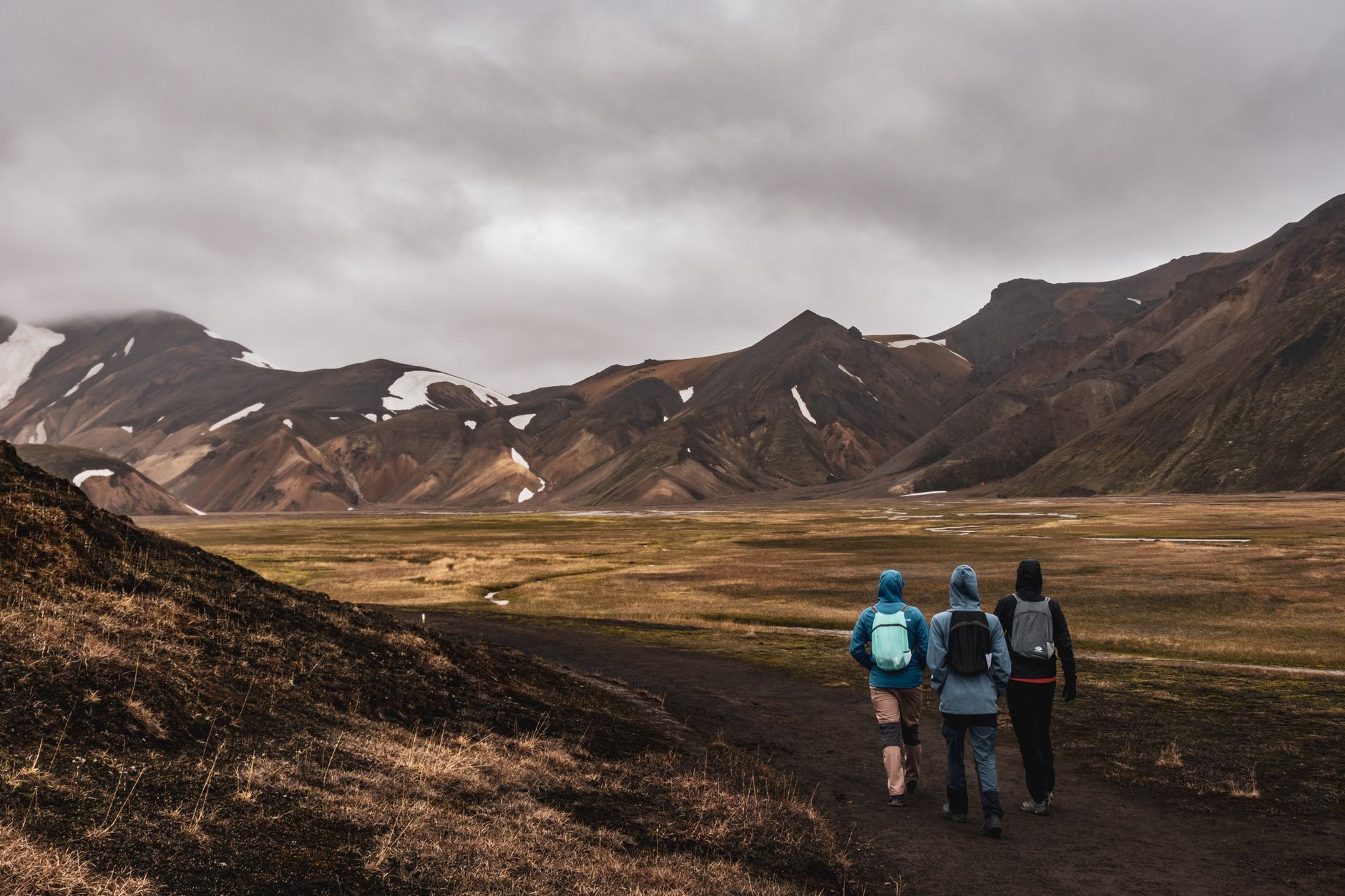
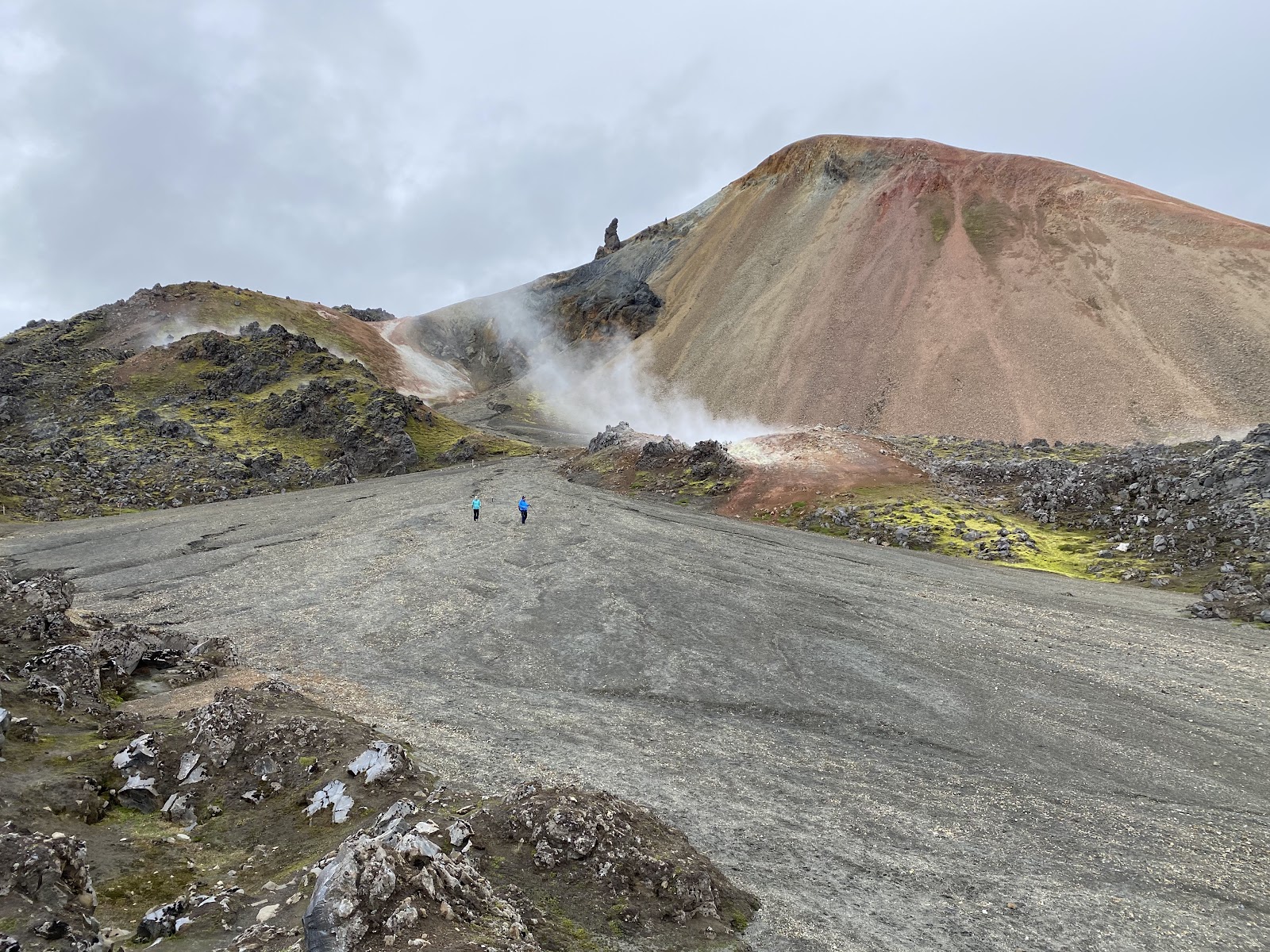
The Laugavegur Trail runs roughly 55 kilometres from this northern trailhead to Þórsmörk, crossing obsidian fields, geothermal vents, and rivers you wade through on foot. Four days is the standard pace. It earns that time.

💛 What travellers fall for
People who've done it more than once tend to say the same things: book huts at fi.is the moment dates open, because July fills months ahead. Start early on day one to clear Laugahraun before the afternoon wind picks up. And bring gaiters — the river crossings start cold and don't warm up.
The story behind Laugavegur Trail (northern trailhead)
Icelanders have been moving through this stretch of the highlands for centuries — shepherds, traders, travellers crossing between the coast and the interior using the landscape's geothermal warmth as both landmark and rest stop. Landmannalaugar and Þórsmörk functioned as gathering points long before anyone thought to mark a route between them.
The trail as a defined, waymarked path dates to the 1970s, when it was formalised for hikers. The Iceland Touring Association now manages the hut system that makes the multi-day traverse possible for most people.
Good to know
Buses from BSÍ terminal in Reykjavík run twice daily (7:30 and 12:30), reaching Landmannalaugar in around four hours. The trail is open late June to early September; hut spots cost ISK 15,800 per night (2025–26). If you drive, a 4WD is mandatory and parking reservations are required 9am–4pm between June 20 and September 13. Campers cannot use hut kitchens.
July is the most reliable month — temperatures between 6°C and 14°C, the trail fully snow-free, daylight running to near-midnight. August brings wildflowers and slightly shorter days but remains excellent; rivers can run higher after warm spells. Early September empties the trail dramatically, but temperatures drop to near freezing and huts close around the 5th to 10th. At any point in the season, highland weather can turn fast: wind above 70 km/h is not unusual, and snow is possible even in July above 900 metres.
Where is Laugavegur Trail (northern trailhead)?
More tickets & tours for Laugavegur Trail (northern trailhead)
Book directly at the provider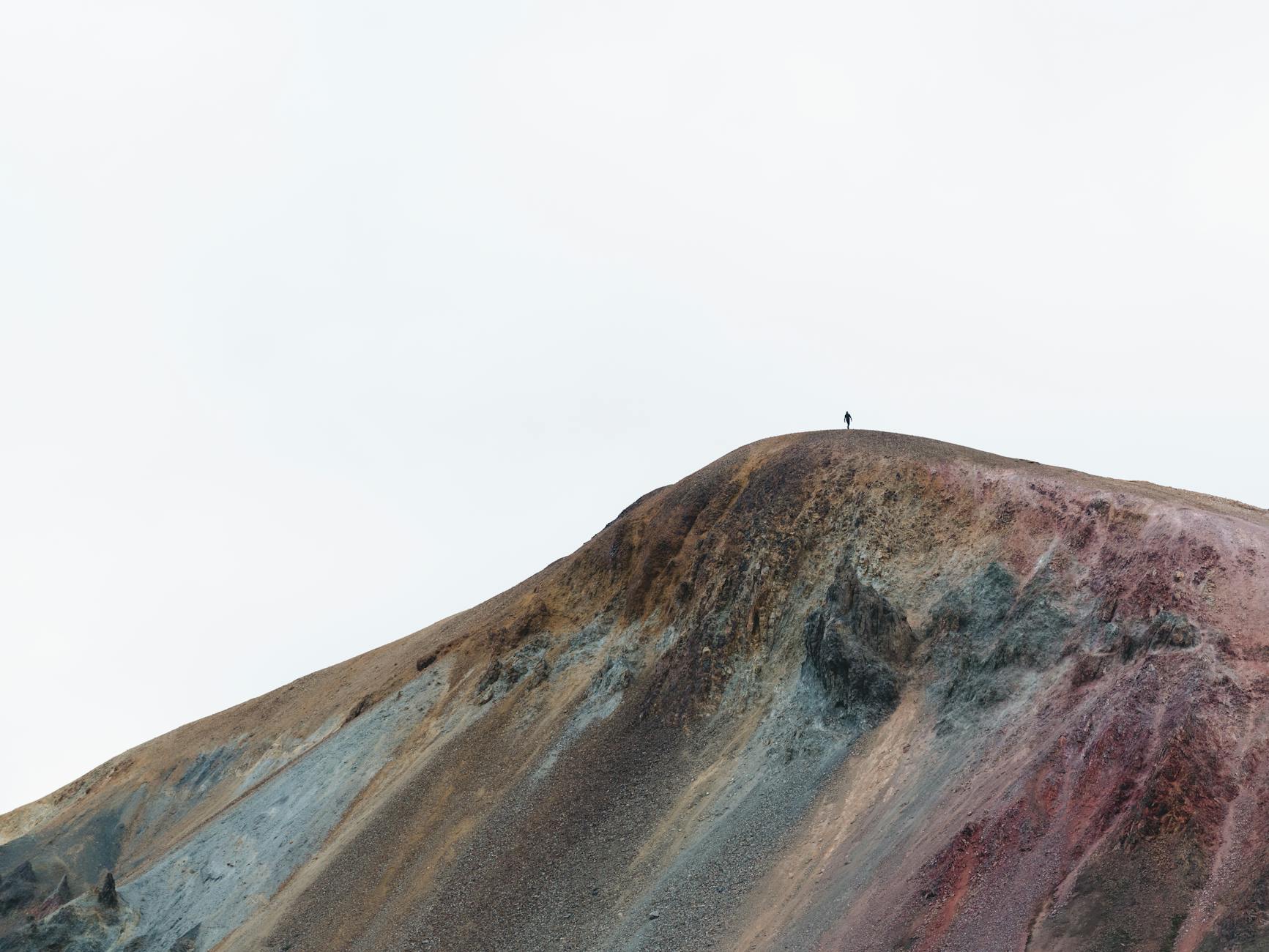
What travellers say about Laugavegur Trail (northern trailhead)
Beautiful pass in highlands, very difficult driving condition in a normal SUV(do not recommend going far and all the way F roads), views outstanding. September, 2022
It's the second best park in Iceland in my opinion; it has many spectacular things, especially the views. There aren't many rocks like in other parks. I didn't decide to go too far for safety reasons, but I did walk a long way.
More of Iceland
Discover where to stay, what to do and the best deals for your trip.
Explore Iceland →More attractions in Iceland
All of Iceland →
Background adapted from Wikipedia (CC BY-SA) · map data © OpenStreetMap contributors · ratings & place photos via Google · other photos with per-image credit. Ticket links may earn us a commission at no extra cost to you.