
Laugavegur
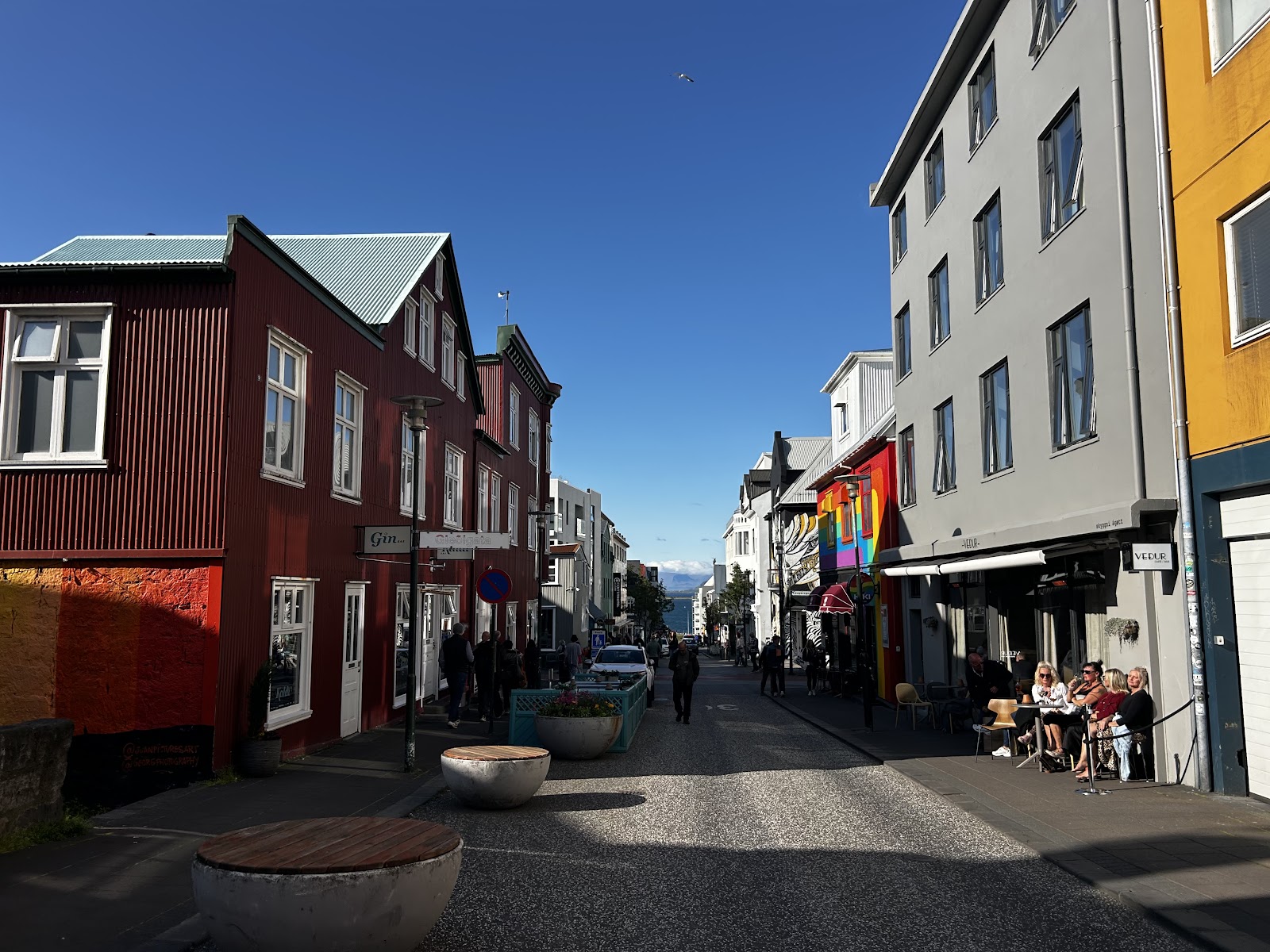
Laugavegur runs roughly two kilometres from Hlemmur square down to Lækjartorg, and the pavement beneath your feet is quietly heated — geothermal pipes laid under the street keep it clear of snow in winter, a detail that quietly connects the road's present to its past. The name translates as 'wash road': this was the route Reykjavík's women walked to the hot springs at Laugardalur to do the city's laundry.
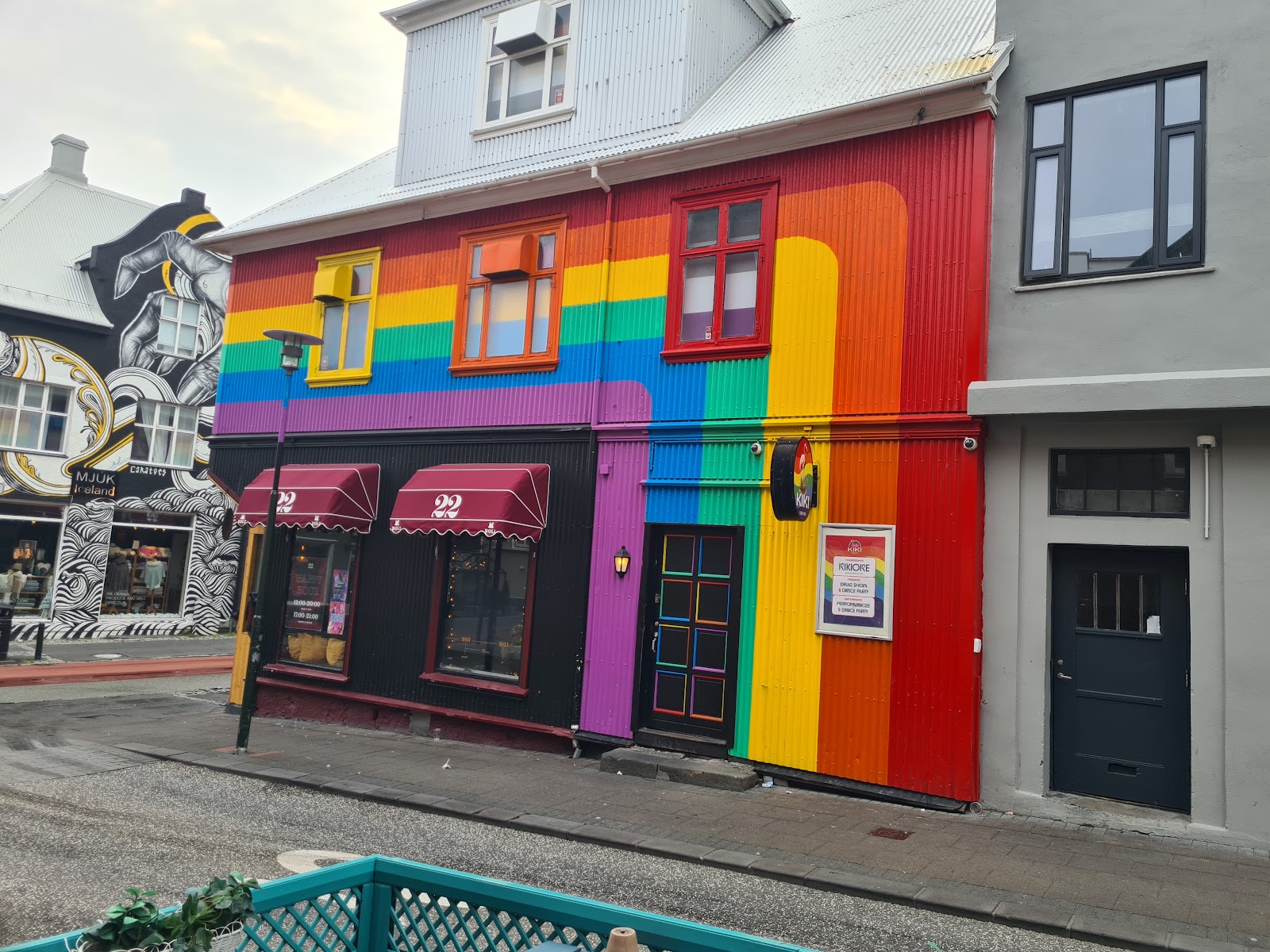
Today the lower stretch is pedestrianised, lined with colourful timber and corrugated-iron buildings, independent shops, cafés, and a handful of genuinely odd museums. It's the street where the city goes about its day, and where, on a summer evening when darkness barely comes, you can sit outside and watch Reykjavík do the same.
💛 What travellers fall for
People who come back tend to anchor their mornings at Sandholt Bakery — coffee, something laminated, a table by the window. If you're after a cinnamon bun, Brauð & Co is a short detour off the street and usually has a queue worth joining. Weekday mornings before noon are noticeably quieter; weekend nights don't really start until after midnight.
The story behind Laugavegur
The town council decided to lay out Laugavegur in 1885, formalising a path that had long served a practical purpose: it led to the geothermal springs at Laugardalur, where the women of Reykjavík did the city's washing. As the capital grew, the street grew with it, becoming the main commercial spine.
The arrival of Kringlan shopping mall in 1987, followed by Smáralind in 2001, pulled trade to the suburbs and left Laugavegur quieter than it had been. The pedestrianisation of its lower section — met with some local resistance — gradually reversed that, drawing foot traffic back and giving the street a slower, more liveable character in the evenings.
Good to know
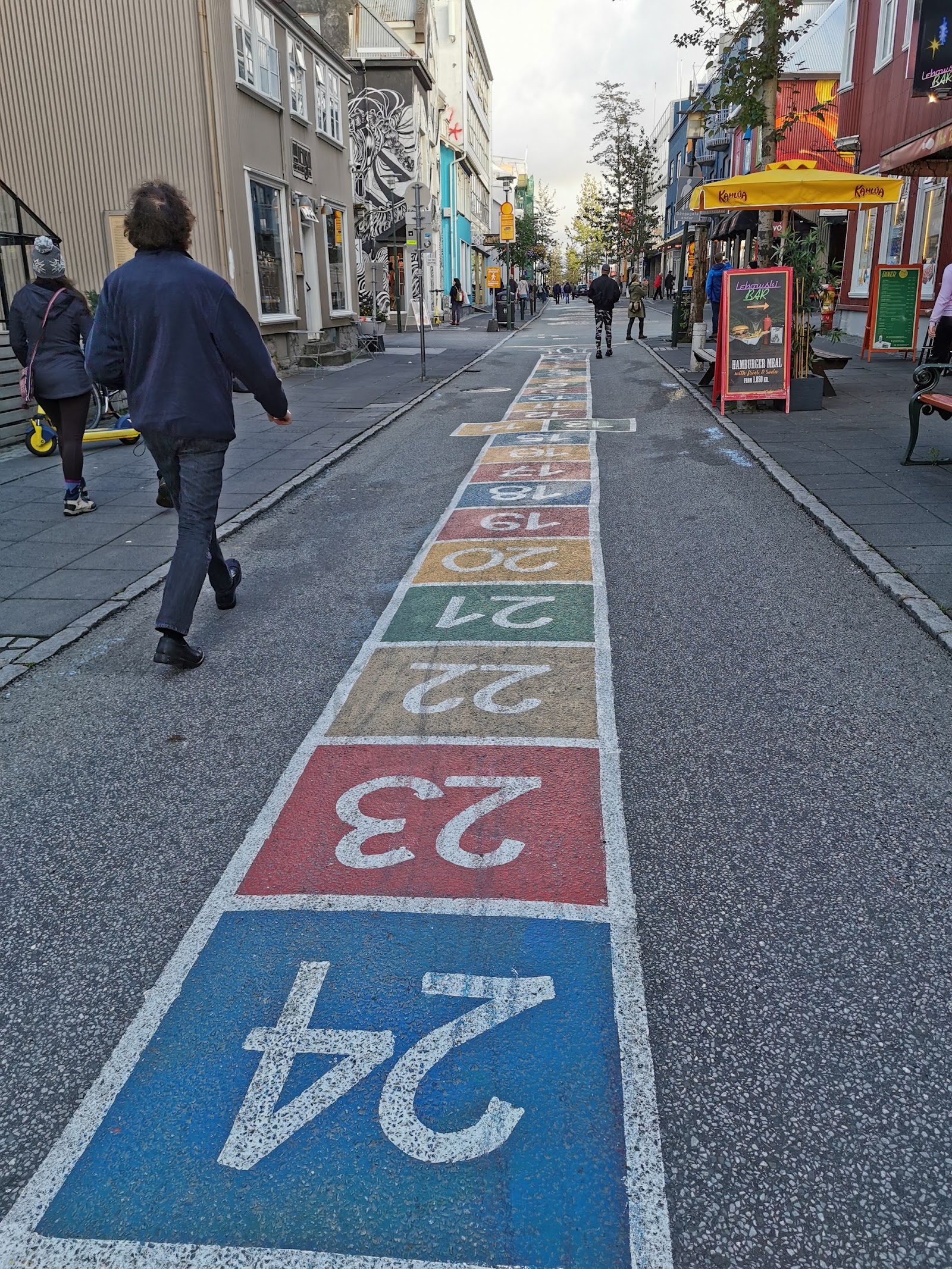
Hlemmur bus terminal sits at the top of the street and connects to most of Reykjavík's routes. The pedestrianised lower section is the easiest stretch to walk. Most shops close around 6 pm; restaurants and bars run much later. Allow two to three hours at a relaxed pace.
Summer is the obvious time to be here: July highs reach around 16°C and the sun barely sets in June, which makes evening strolls feel unhurried and a little surreal. Winter brings temperatures hovering just above or below freezing, limited daylight — roughly four hours on the shortest day — and the geothermal pavement heating that keeps the street walkable through snow.
Where is Laugavegur?
More tickets & tours for Laugavegur
Book directly at the provider
What travellers say about Laugavegur
Wonderful place.
Haha, I almost couldn’t remember the name of this walking street—ChatGPT saved me! It’s not crowded on a winter evening, and that’s exactly how you can really feel the vibe here.
This is an important shopping street in the heart of the Reykjavik city centre. You'll find many retail, boutique and souvenir shops, find quite a few restaurants, coffee and dessert shops and bars along Laugavegur. Some of the buildings are artistically painted as well, adds to the charm of this street. Definitely worth your time to walk along Laugavegur while sightseeing around Reykjavik.
Nice shopping street with plenty of shops, cafes, restaurants and art galleries.
Main street of Reykjavik with lots of shops and restaurants
More of Reykjavik
Discover where to stay, what to do and the best deals for your trip.
Explore Reykjavik →More attractions in Reykjavik
All of Reykjavik →

Background adapted from Wikipedia (CC BY-SA) · map data © OpenStreetMap contributors · ratings & place photos via Google · other photos with per-image credit. Ticket links may earn us a commission at no extra cost to you.