
Las Vegas, USA
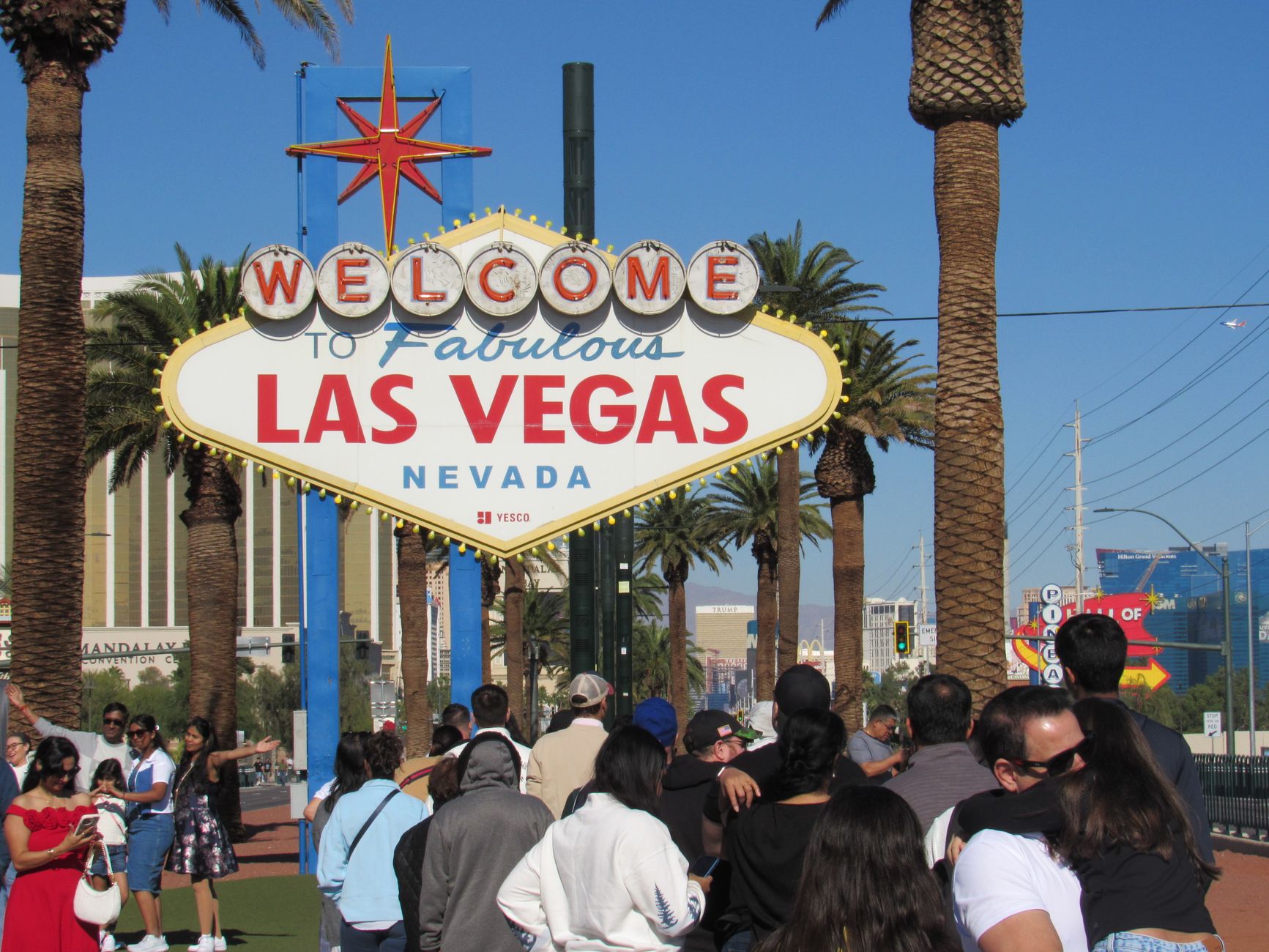
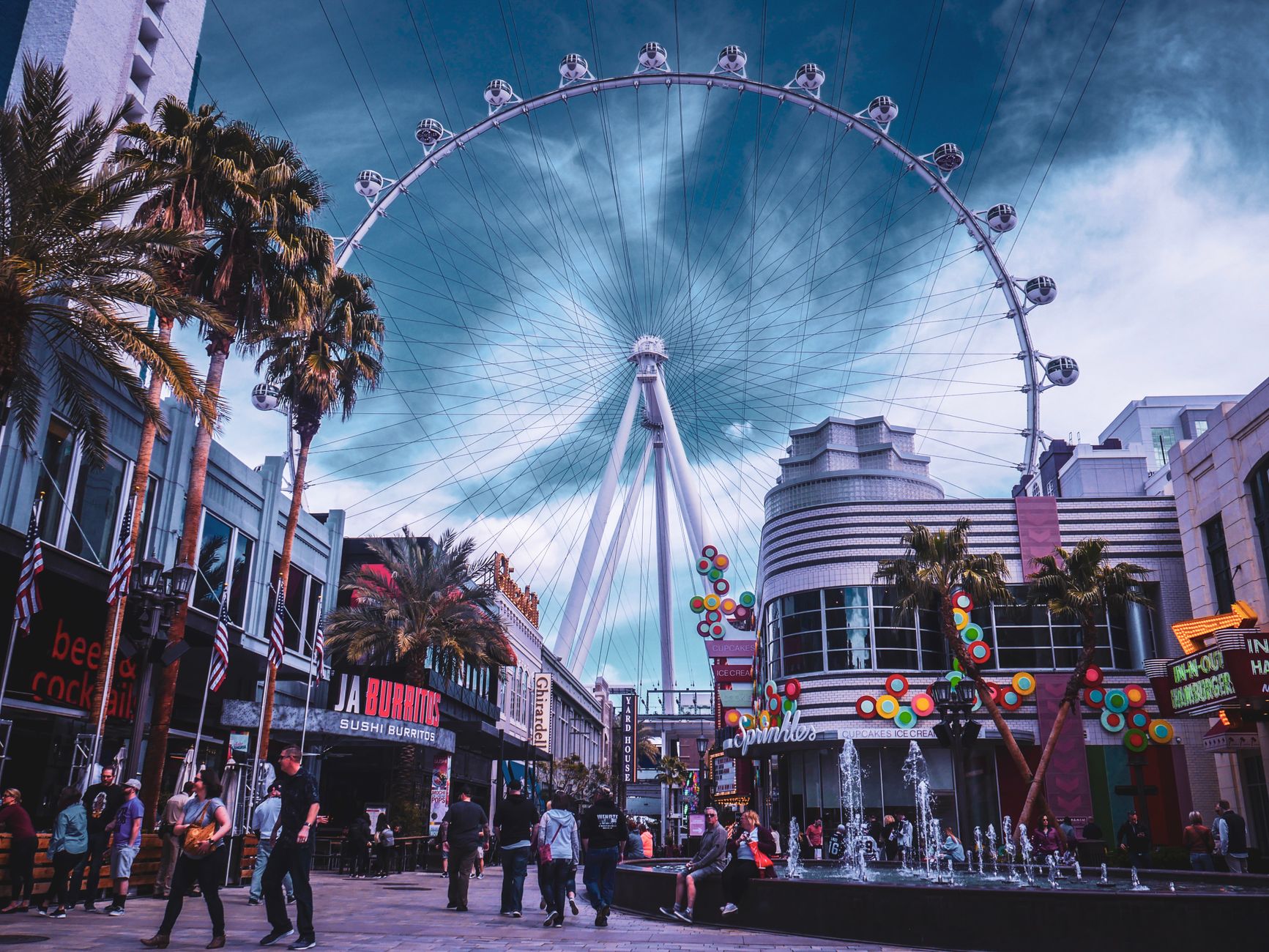
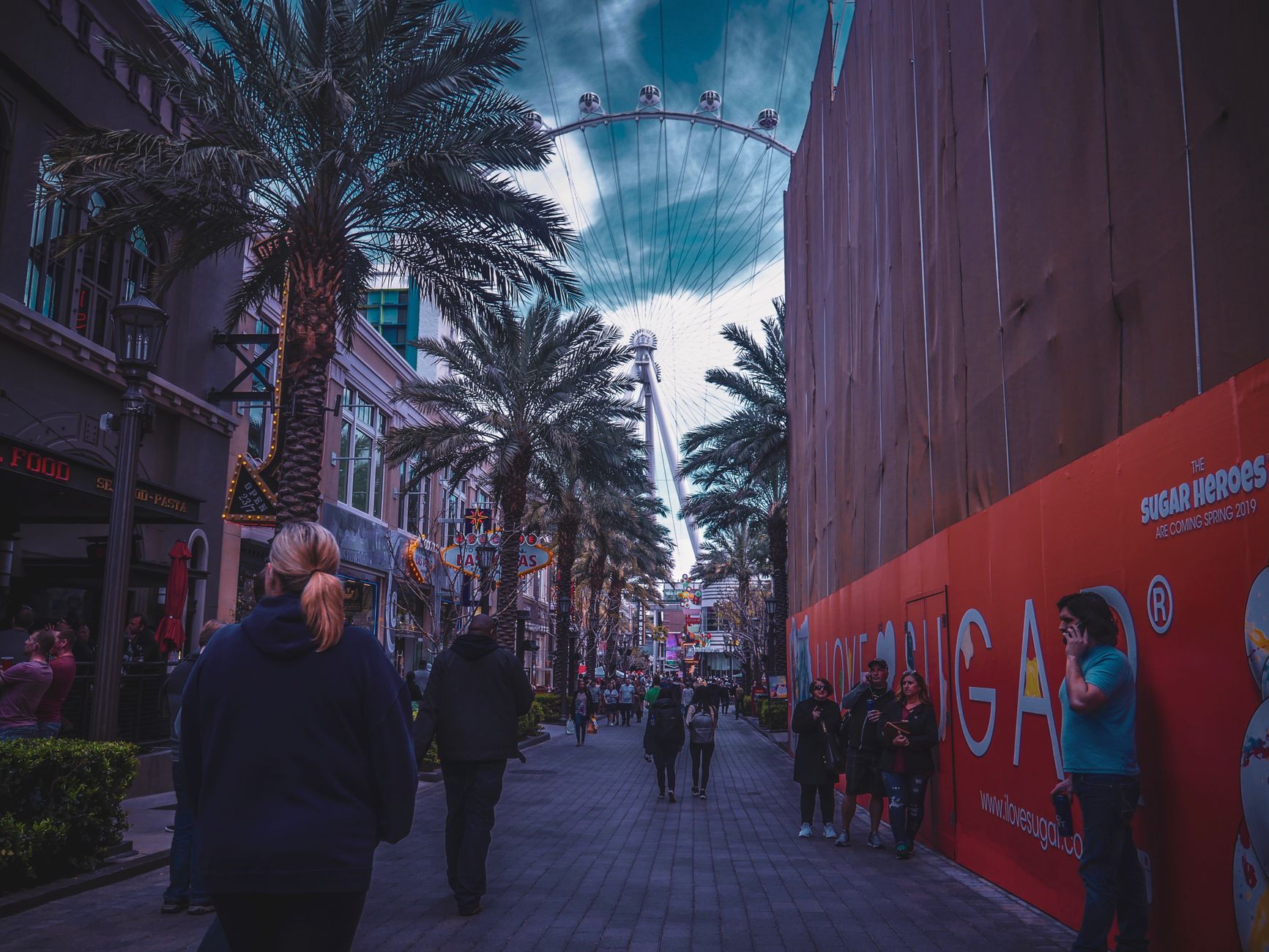
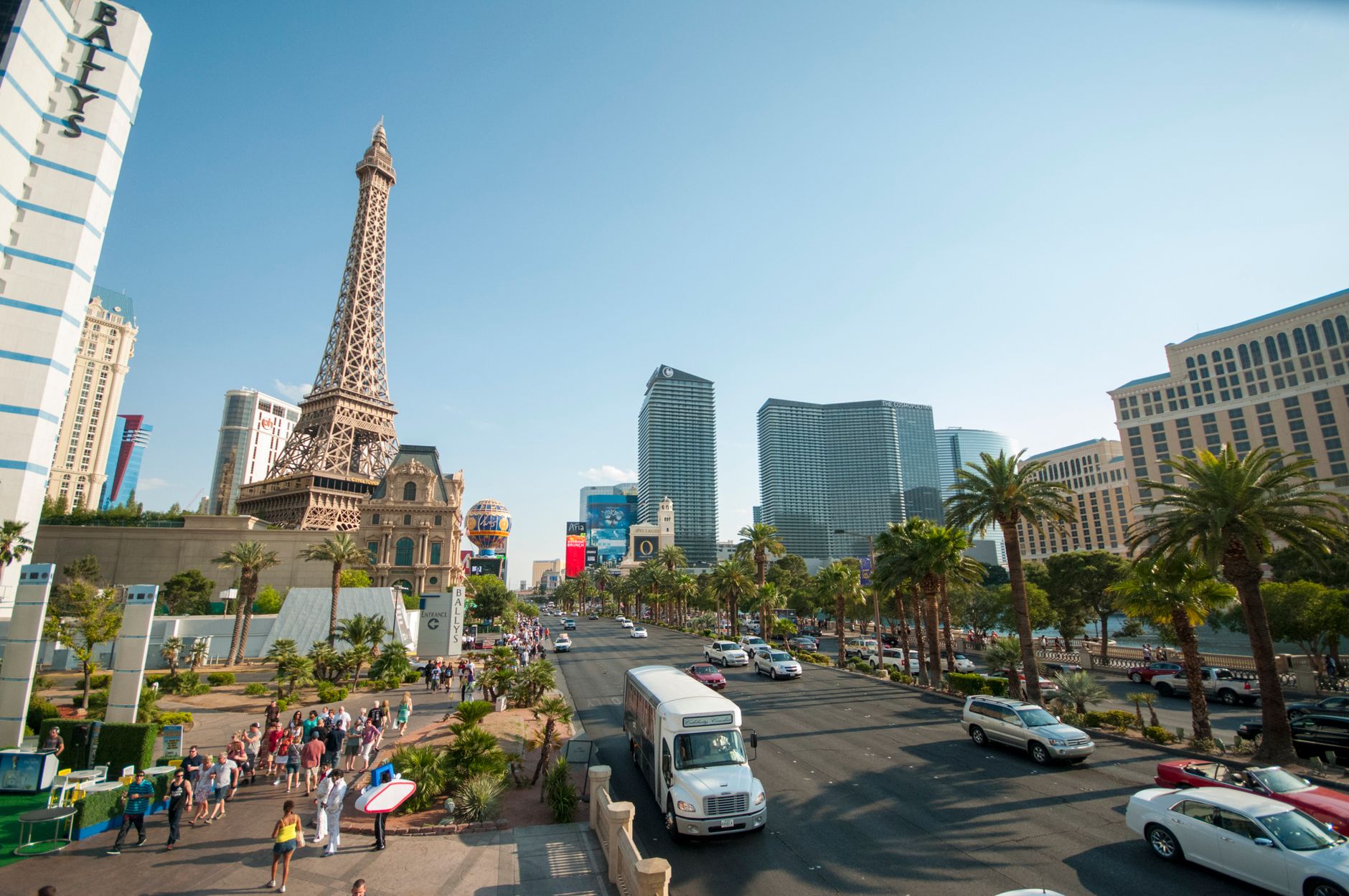
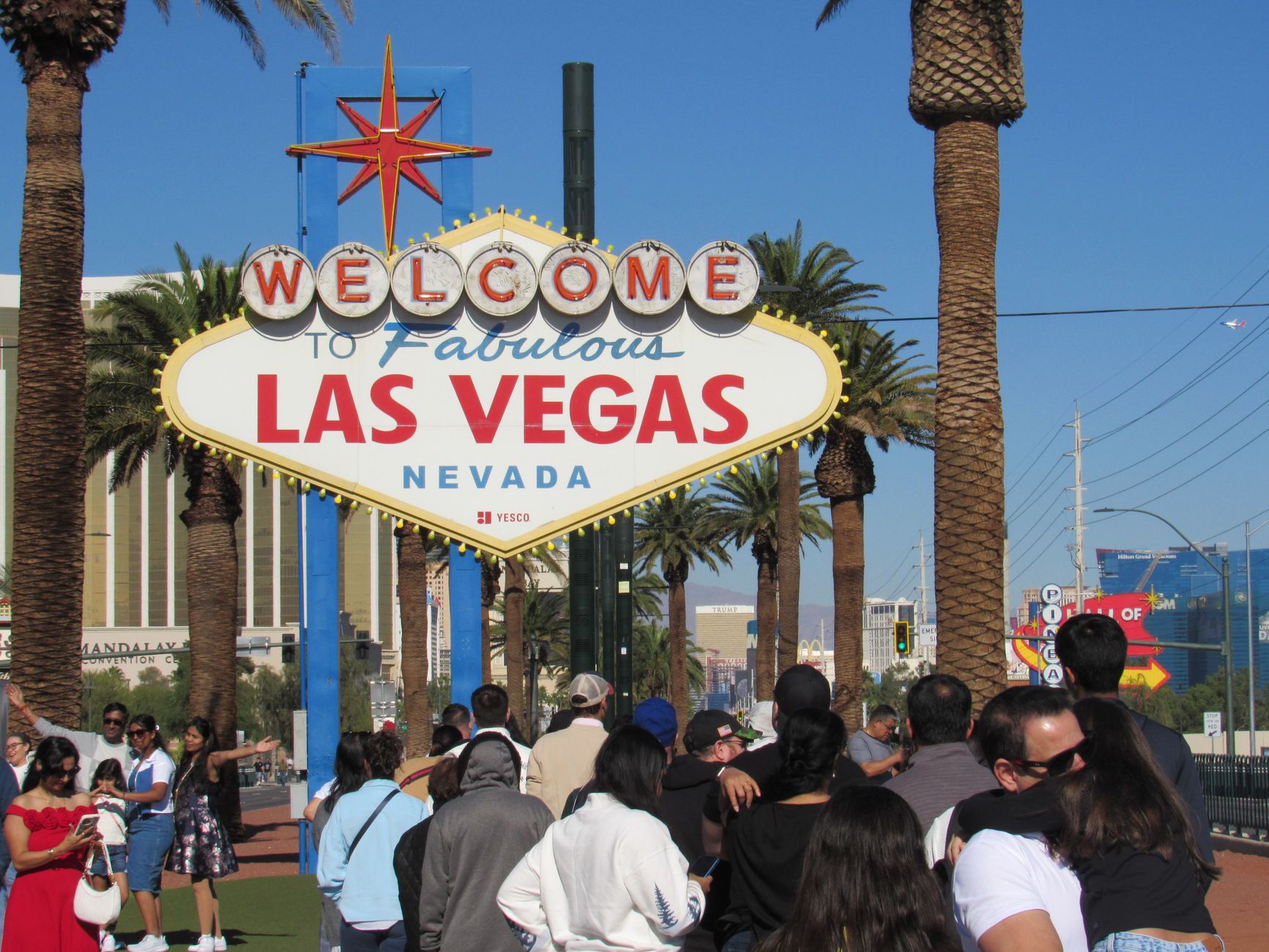
Las Vegas exists because of a railroad. Before the casinos, before the neon, before the Bellagio's fountains sent water 460 feet into the desert air, this was a dusty auction site — 110 acres sold off on a May afternoon in 1905 to connect Los Angeles with Salt Lake City. The Mojave had other plans.
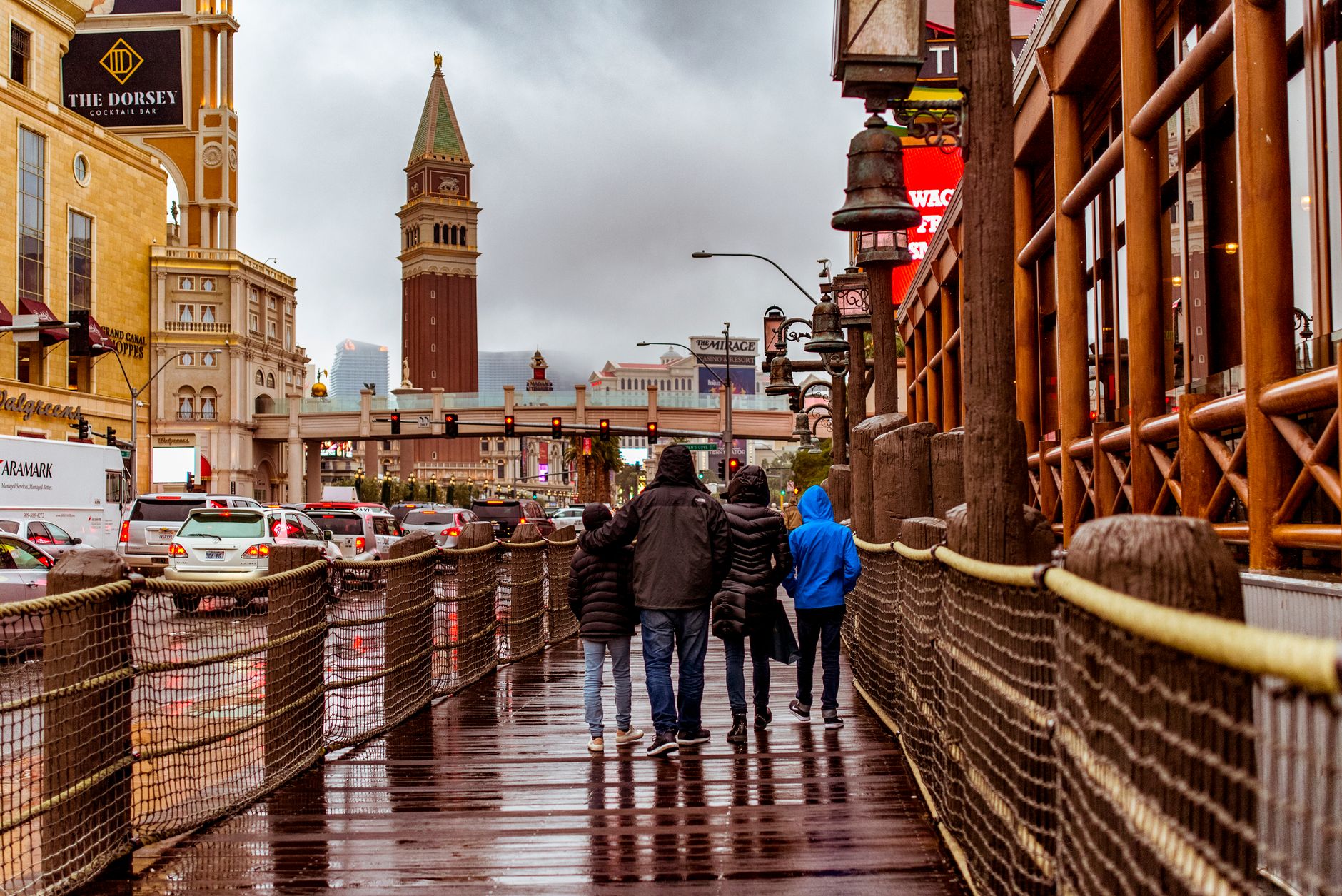
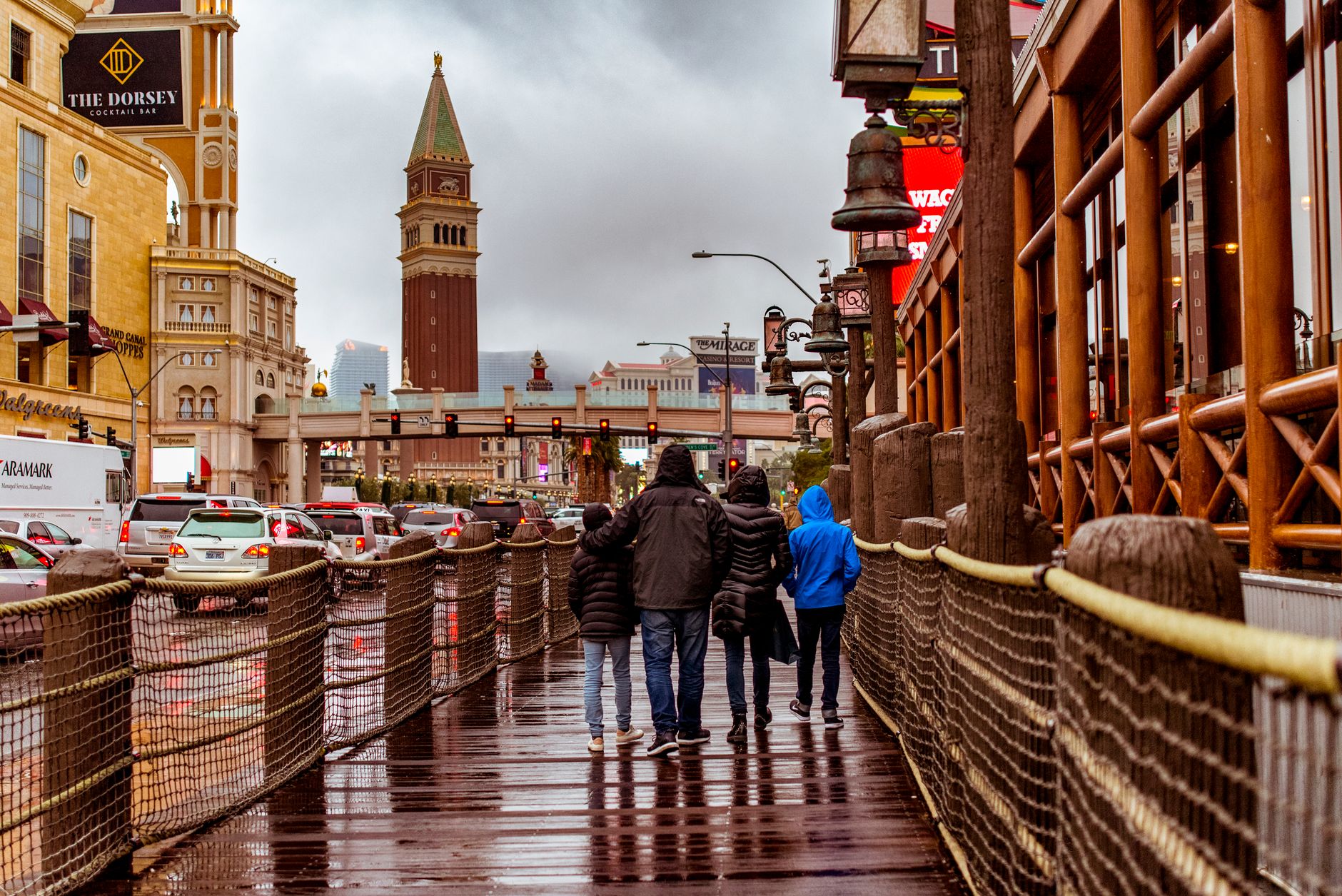
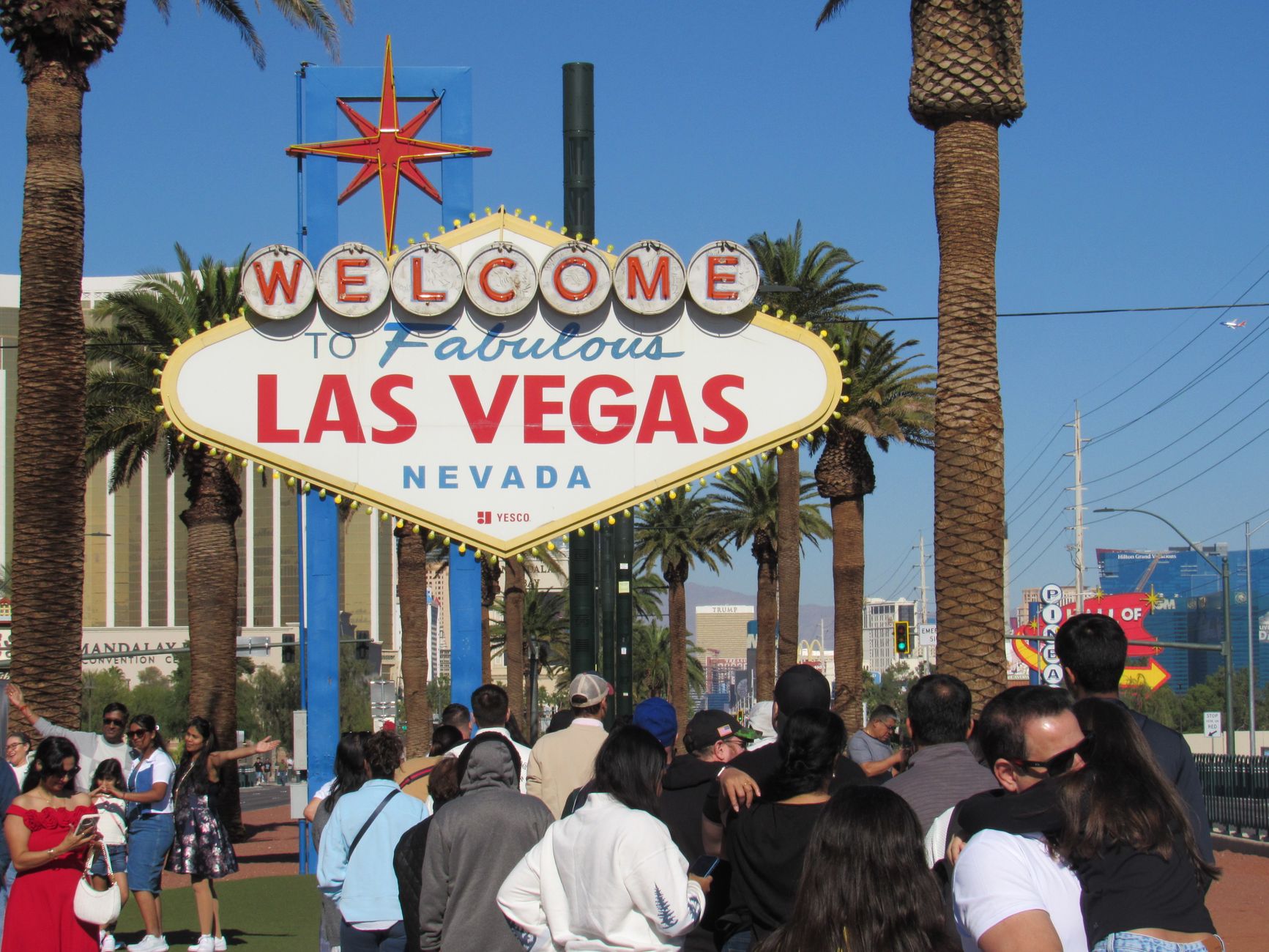
Today the Strip is its own geography, a corridor of towers and spectacle that operates on its own logic and its own clock. Frank Gehry's melting cubic structure at the Lou Ruvo Center sits a few miles from a full-scale replica of the Venetian canals. Las Vegas doesn't ask you to reconcile any of it.
Popular cities in Las Vegas, USA
💛 What travellers fall for
People who keep coming back tend to pick a base and stay put — the monorail links seven stops along the Strip every four to eight minutes, which means you don't need a car once you're checked in. The airport is three miles from most hotels, so the gap between landing and a cold drink is genuinely short.
How Las Vegas, USA came to be
Las Vegas was platted in 1905 when Senator William Andrews Clark, majority owner of the railroad linking Los Angeles and Salt Lake City, auctioned off the first downtown lots. Incorporation followed in 1911, with Peter Buol serving as the city's first mayor.
The city's modern shape arrived in two waves. In 1931, construction of the Boulder Dam — now Hoover Dam — flooded the valley with workers, and the Nevada Legislature legalized gambling the same year to steady Depression-era finances. The second wave came with money and ambition: Benjamin Siegel opened the Flamingo on December 26, 1946; Caesars Palace followed in 1966, designed by Melvin Grossman; and Jon Jerde's Bellagio opened in 1998 at a then-record cost of $1.6 billion.
Who and what shaped it
People who shaped it
Landmark buildings
See Las Vegas, USA in motion
Plan your visit
On the map
When to go
Las Vegas runs hot and dry — summers push well past 100°F and the sun is relentless, so mornings and evenings are when outdoor time makes sense. Winters are mild by day (highs around 57–58°F in January and December) but genuinely cool after dark, and spring and autumn offer the most forgiving temperatures for walking the Strip.
Right now
↡ Cities
Background & history adapted from Wikipedia (CC BY-SA) · specs from Wikidata (CC0) · weather from Open-Meteo · map data © OpenStreetMap contributors · photos from Wikimedia Commons / Unsplash with per-image credit. No third-party reviews or social posts reproduced.