
The Strip
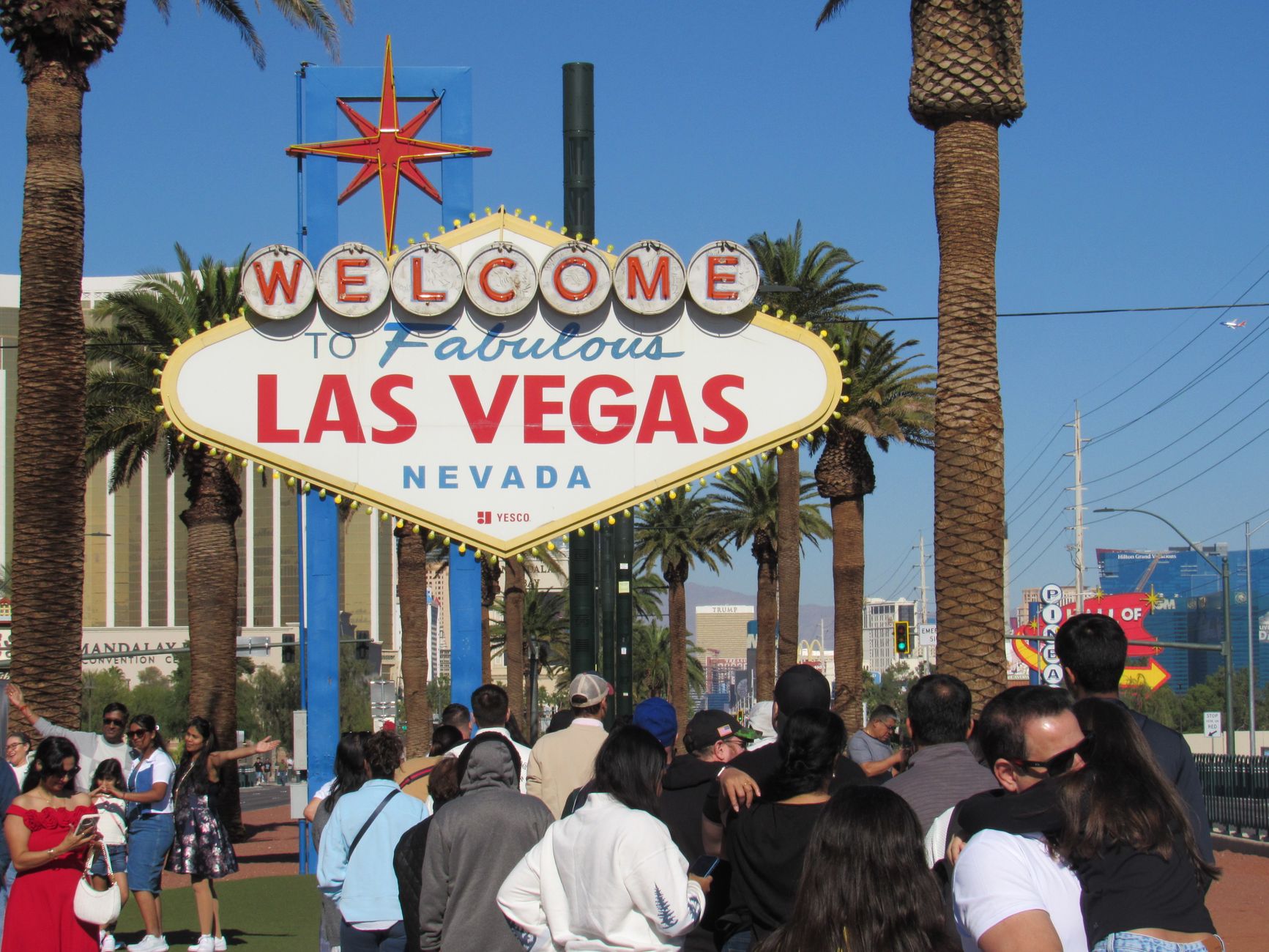
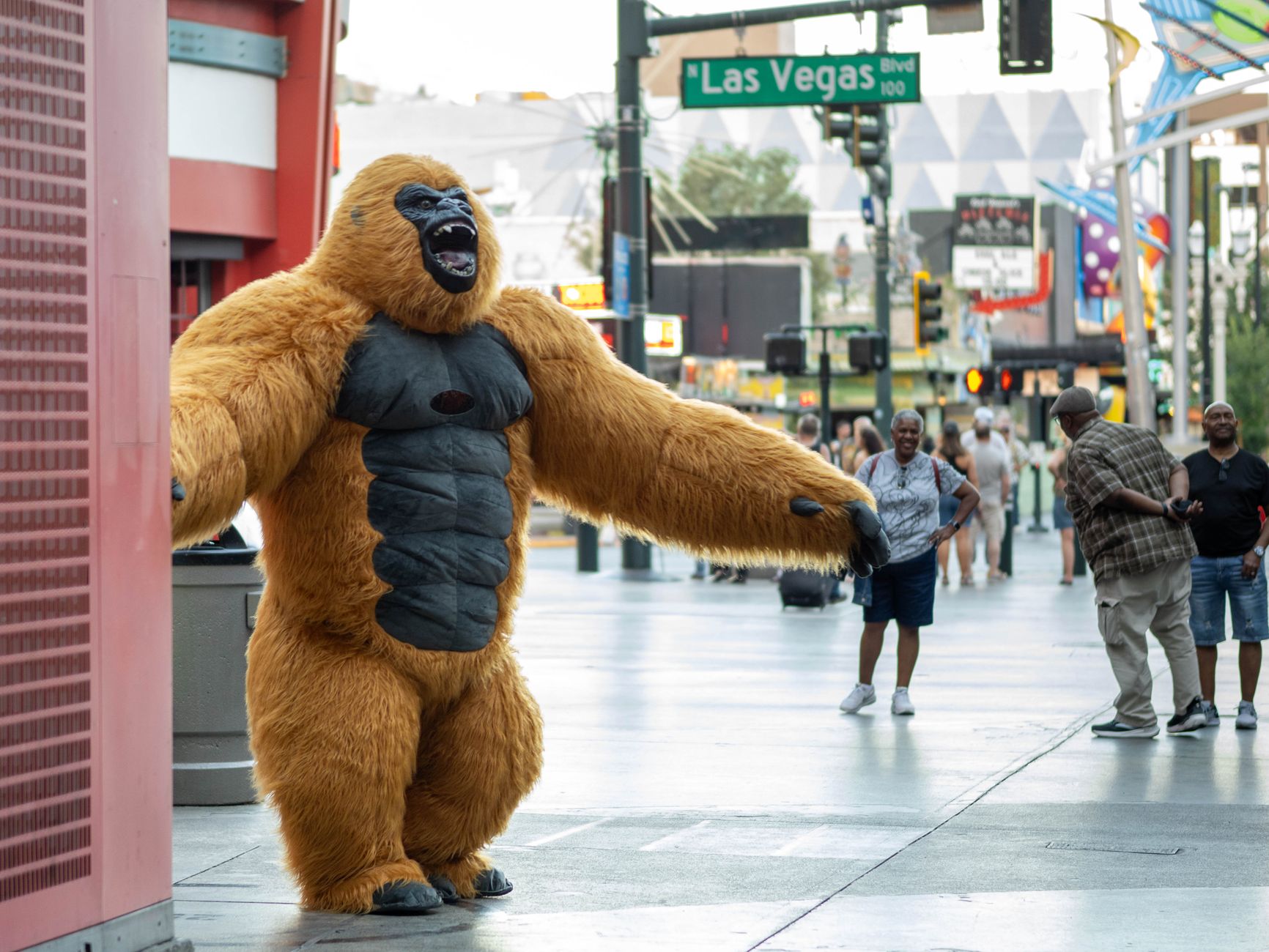
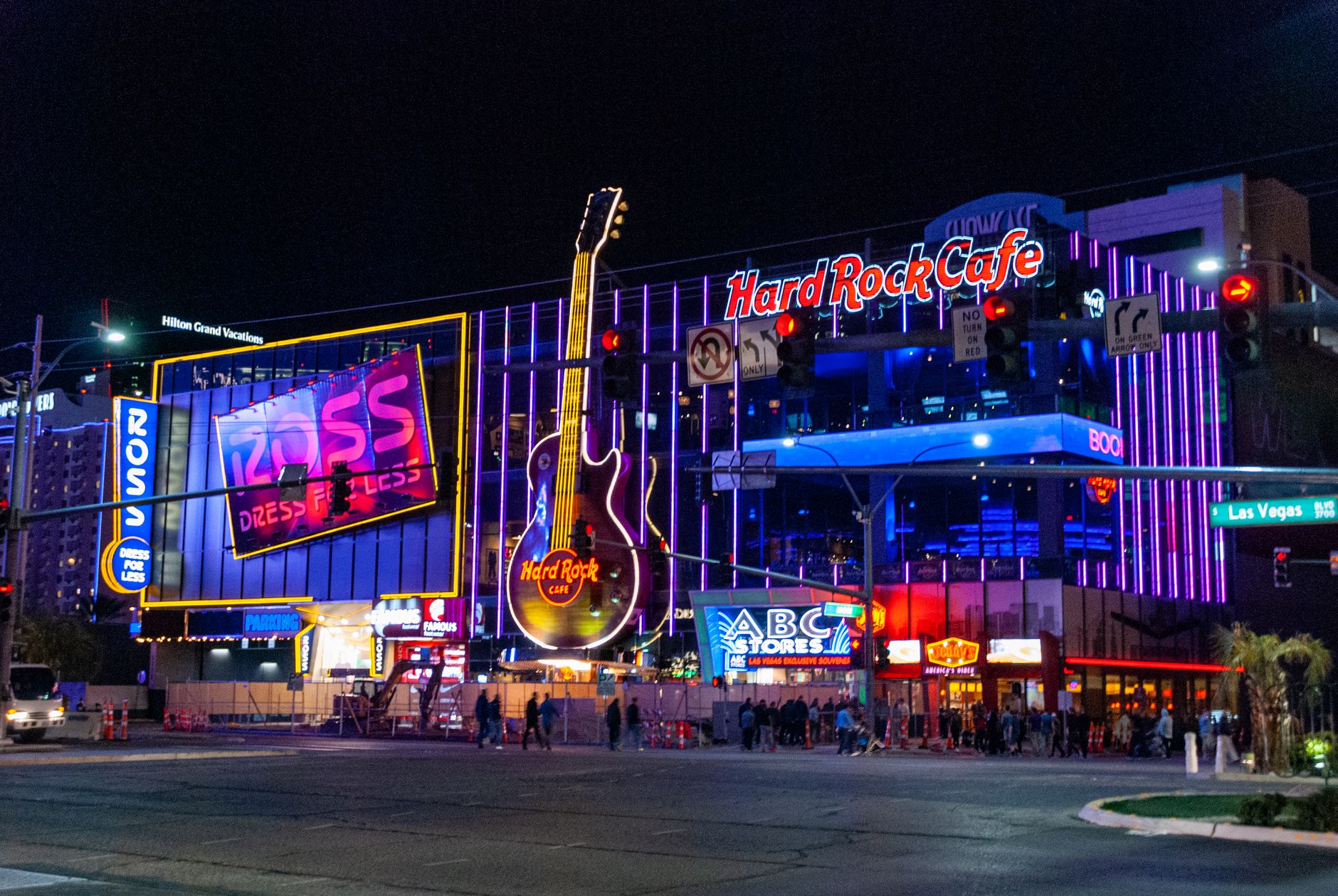
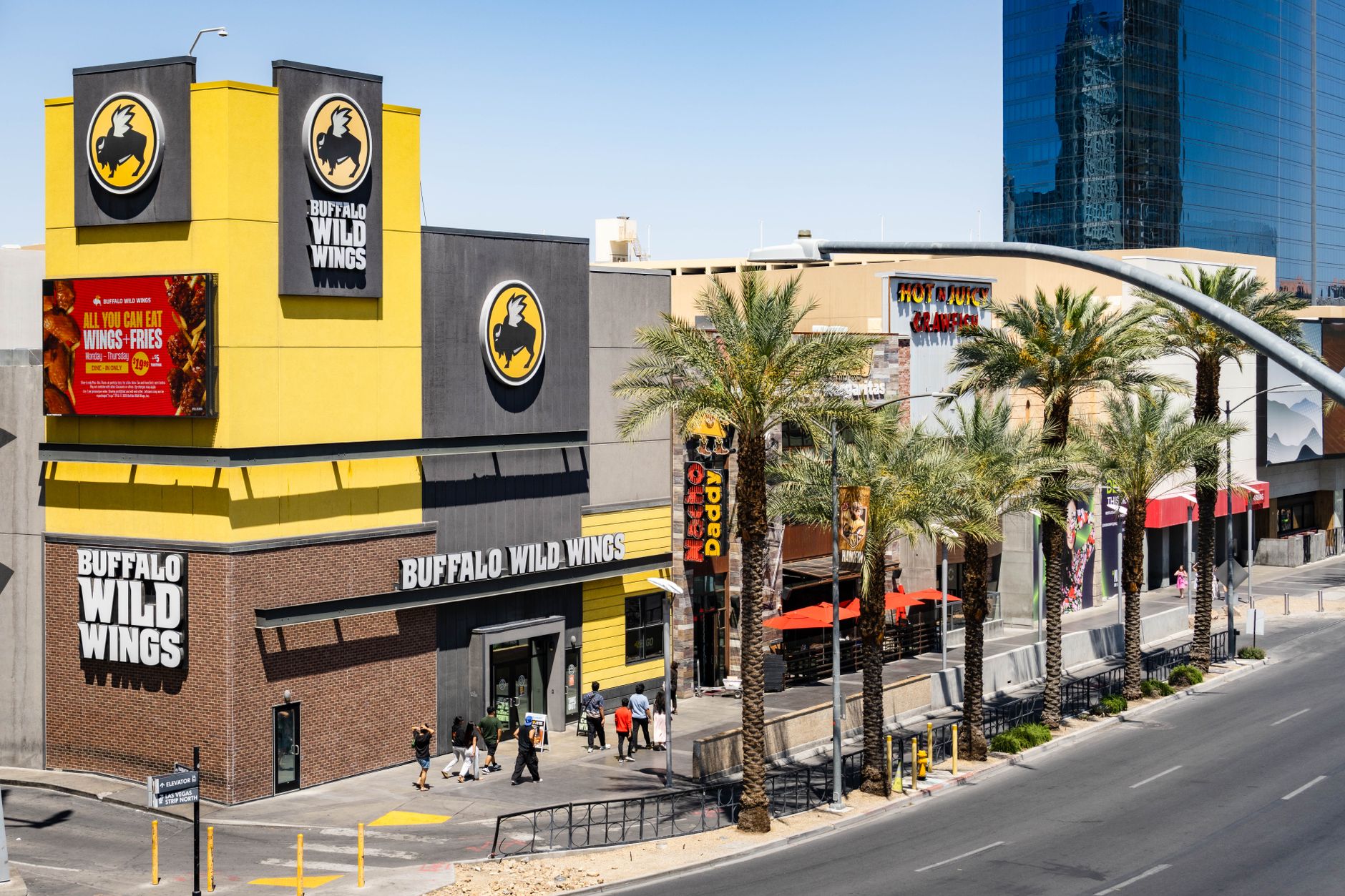
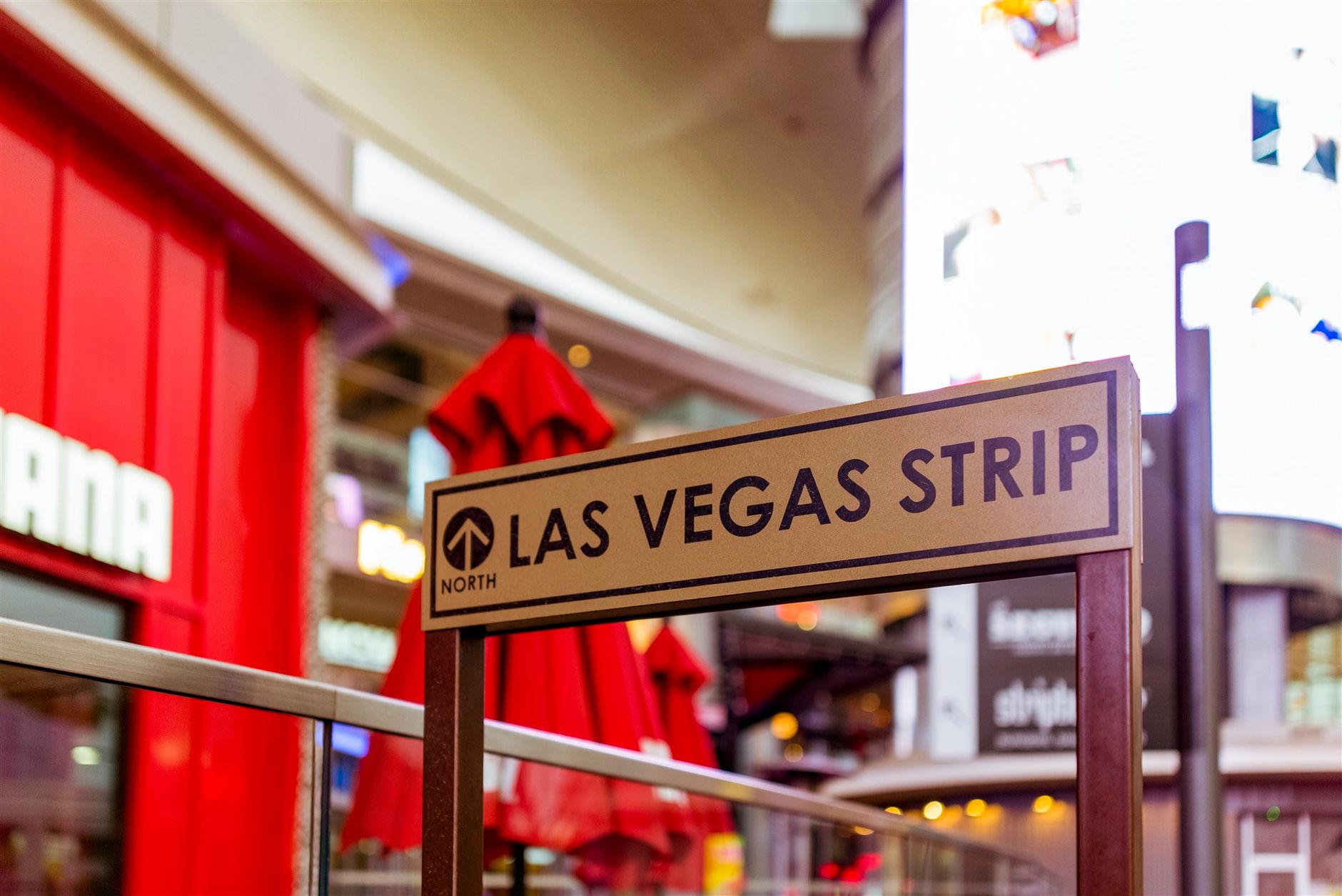
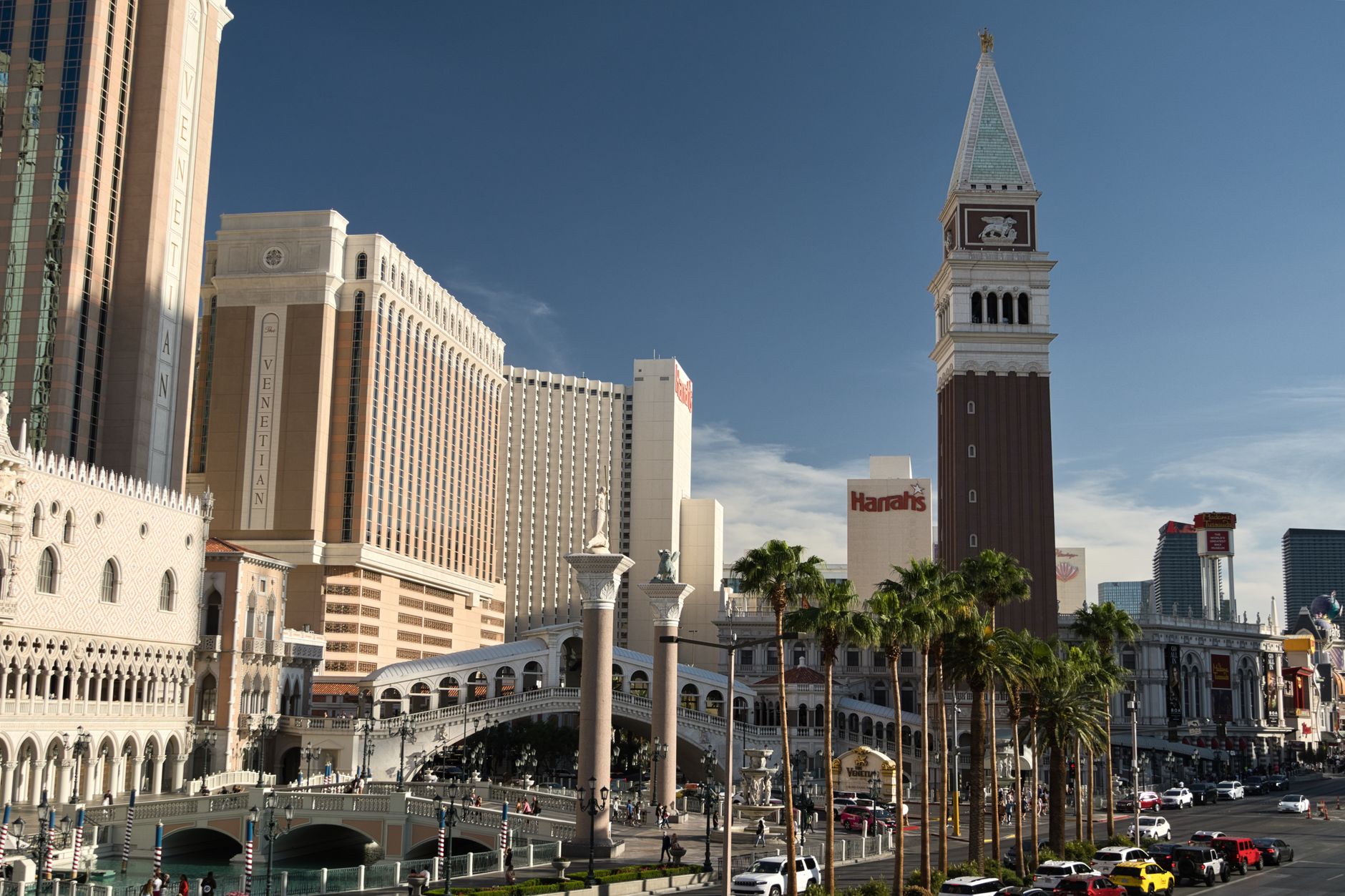
The Strip runs 4.2 miles down the middle of the Nevada desert, technically outside Las Vegas city limits in the unincorporated communities of Paradise and Winchester — a fact that surprises most people who assume they're standing in the city itself. What you're actually standing in is something stranger and more singular: a corridor of hotels so large they function as small cities, where the Bellagio's fountains perform on the hour and the Luxor's skybeam cuts straight up into the dark above the pyramid.
At street level, the scale is harder to process than any photograph prepares you for. The sidewalks are wide and the buildings are wider, and the distance between two properties that look adjacent on a map can take twenty minutes to walk.
💛 What travellers fall for
People who come back regularly tend to pick one end of the Strip and stay there — south for the older, weirder properties and the Welcome to Fabulous Las Vegas sign four and a half miles from the city limits; north for Resorts World and the Sphere. The Deuce bus at 3 a.m., nearly empty, is its own kind of experience worth having once.
Deals in The Strip
Book directly at the provider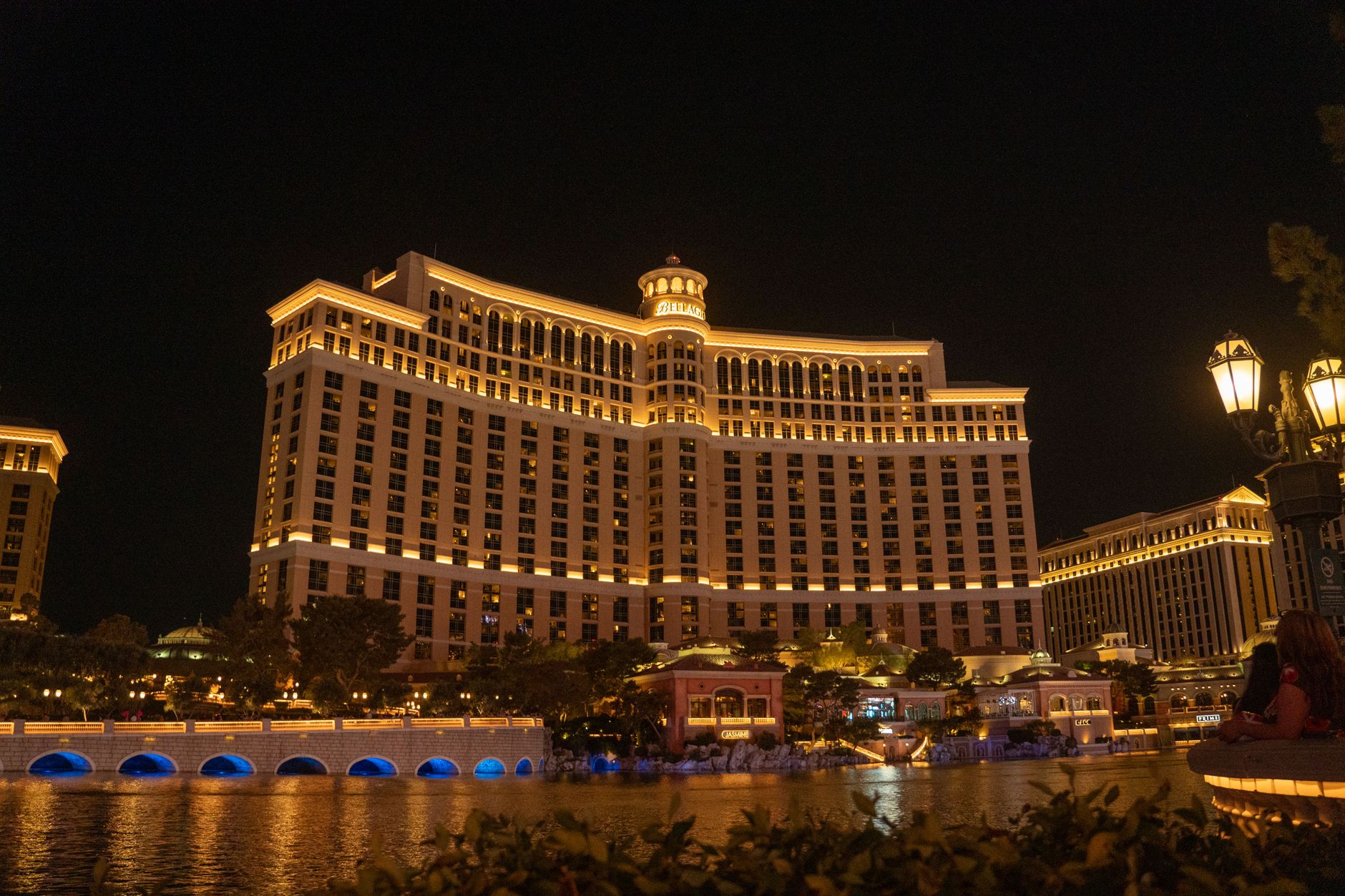

How The Strip came to be
The name came from a disgraced Los Angeles cop. Guy McAfee fled California in 1939 under corruption charges, landed in Las Vegas, bought the Pair O' Dice Club, and — thinking of the Sunset Strip back home — gave this stretch of road the name that stuck. Two years later, Thomas Hull built El Rancho Vegas here in 1941, establishing the hotel-casino format that would define the corridor.
The Flamingo opened in December 1946, and the Strip's mythology deepened. Kirk Kerkorian — later nicknamed the Father of the Megaresort — pushed the scale further with the 1,512-room International Hotel in 1969 and the 2,084-room MGM Grand in 1973. Then in 1989, developer Steve Wynn raised $630 million in junk bonds to build The Mirage, its 3,044 gold-tinted windows signaling that Wall Street had arrived in the desert. The Sphere followed in September 2023, and the Fontainebleau opened that December.
Who and what shaped it
People who shaped it
Landmark buildings
See The Strip in motion
Plan your visit
On the map
When to go
Summer temperatures regularly exceed 110°F (43°C), and the sun on the open sidewalks is relentless from June through August. Spring and autumn are the most comfortable seasons for walking the Strip; winters are mild by day but can drop sharply after dark — a light jacket earns its place in January and February.
Right now
Background & history adapted from Wikipedia (CC BY-SA) · specs from Wikidata (CC0) · weather from Open-Meteo · map data © OpenStreetMap contributors · photos from Wikimedia Commons / Unsplash with per-image credit. No third-party reviews or social posts reproduced.