
Downtown Las Vegas
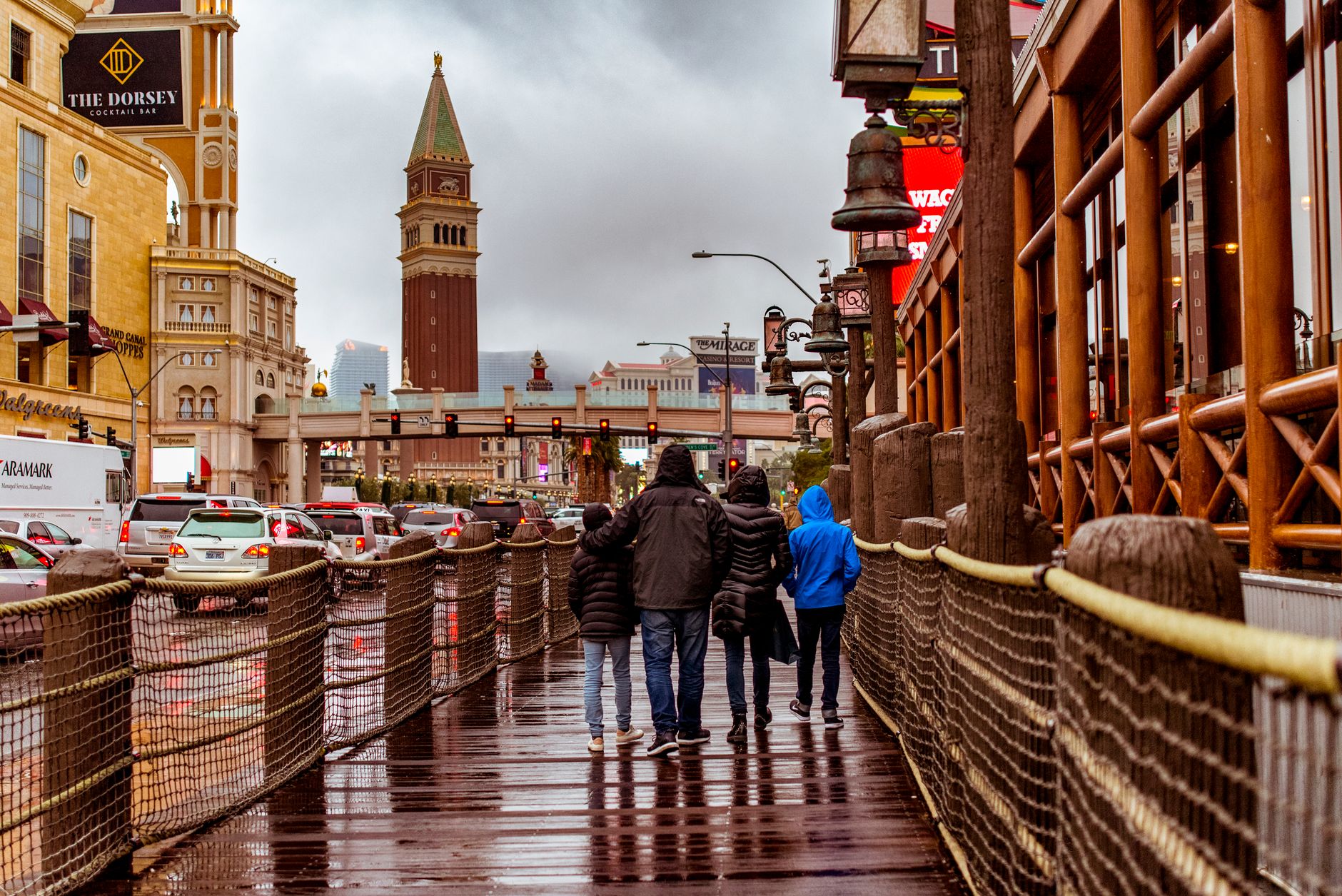
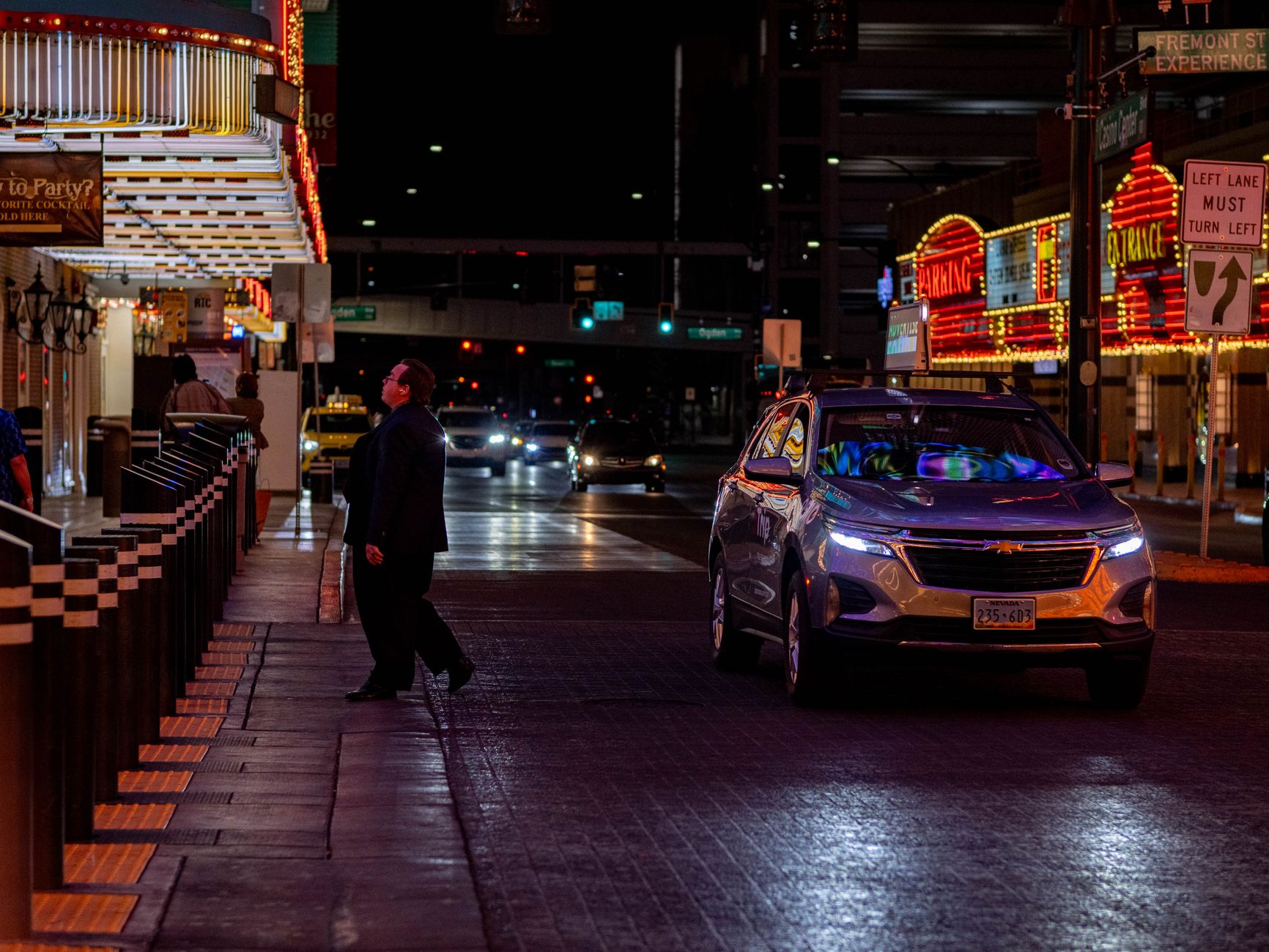
Fremont Street is where Las Vegas began — not the Strip, not the mega-resorts, but this six-block corridor where a 1905 land auction drew buyers who paid cash for desert lots and built a city around a railroad stop. The Golden Gate Hotel has been dealing cards since 1906. A neon cowboy named Vegas Vic has been waving from the corner since 1951. That continuity matters here.
Today the street runs under a 1,375-foot barrel-vault canopy studded with 49 million LED lights, free concerts play on three stages most nights, and a zipline launches riders 77 feet above the pavement. It is loud, it runs all night, and it makes no apologies for any of that.
💛 What travellers fall for
People who keep coming back tend to anchor at the Golden Nugget — partly for the 62-pound gold nugget in the lobby, partly because the property sits at the center of everything without the walk-off-the-Strip trek. Morning is the window: Fremont Street empties out around dawn and the old neon signs look best when the sky is still pale.
Deals in Downtown Las Vegas
Book directly at the provider
How Downtown Las Vegas came to be
In 1902, Senator William Clark bought an 1,800-acre ranch in the Mojave with one purpose: a water stop on his railroad. Three years later, on May 15, 1905, 110 acres of what would become downtown were auctioned off in a single day. Las Vegas incorporated as a city in 1911, with Peter Buol as its first mayor. Fremont Street — named for explorer John C. Frémont, who passed through in 1844 — was the commercial spine from the start, paved in 1925 and fitted with the valley's first traffic light in 1931.
The postwar decades brought casino construction: El Cortez in 1941, the Golden Nugget in 1946. By the 1990s, downtown was losing ground to the Strip, and city officials spent nearly $70 million converting Fremont Street into a pedestrian mall topped by its now-iconic LED canopy, which opened in 1995. The next ground-up resort, Circa, didn't arrive until 2020.
Who and what shaped it
People who shaped it
Landmark buildings
See Downtown Las Vegas in motion
Plan your visit
On the map
When to go
Spring (March through May) and fall are the practical windows — temperatures climb from the low 70s to around 90°F without the punishment of summer, when July averages 104°F and the pavement holds heat well into the night. Winter days are mild but nights drop sharply, so a layer matters more than you'd expect.
Right now
Background & history adapted from Wikipedia (CC BY-SA) · specs from Wikidata (CC0) · weather from Open-Meteo · map data © OpenStreetMap contributors · photos from Wikimedia Commons / Unsplash with per-image credit. No third-party reviews or social posts reproduced.